


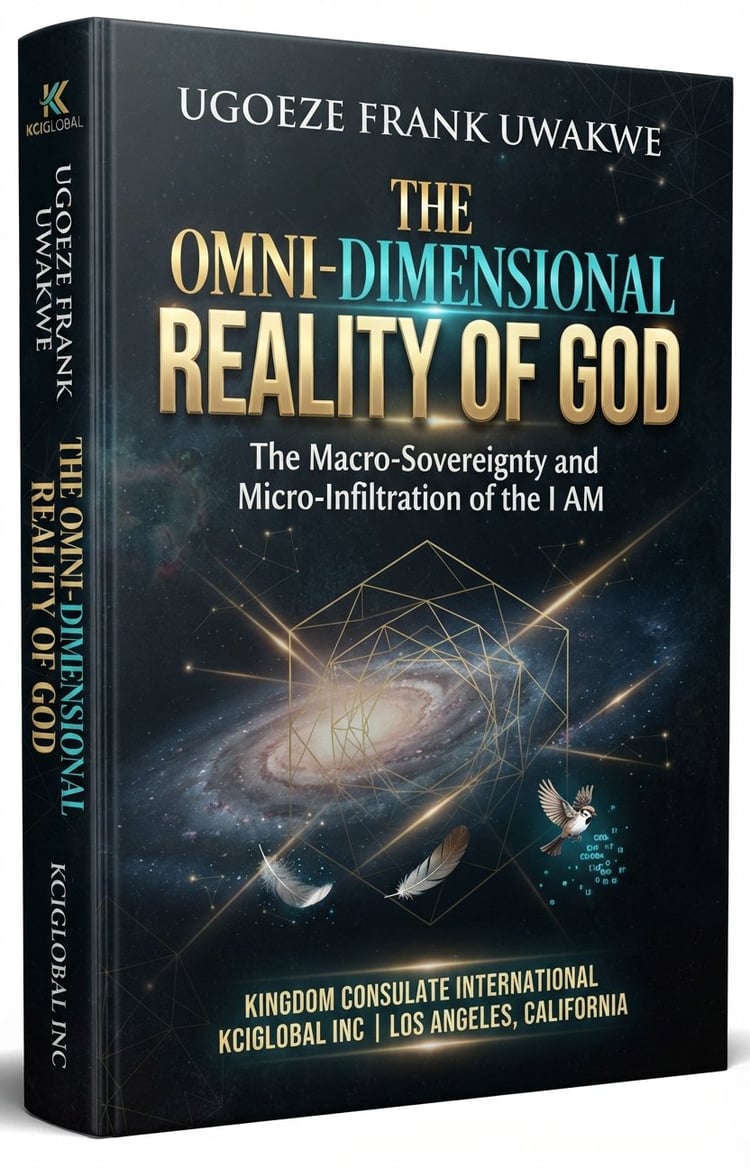
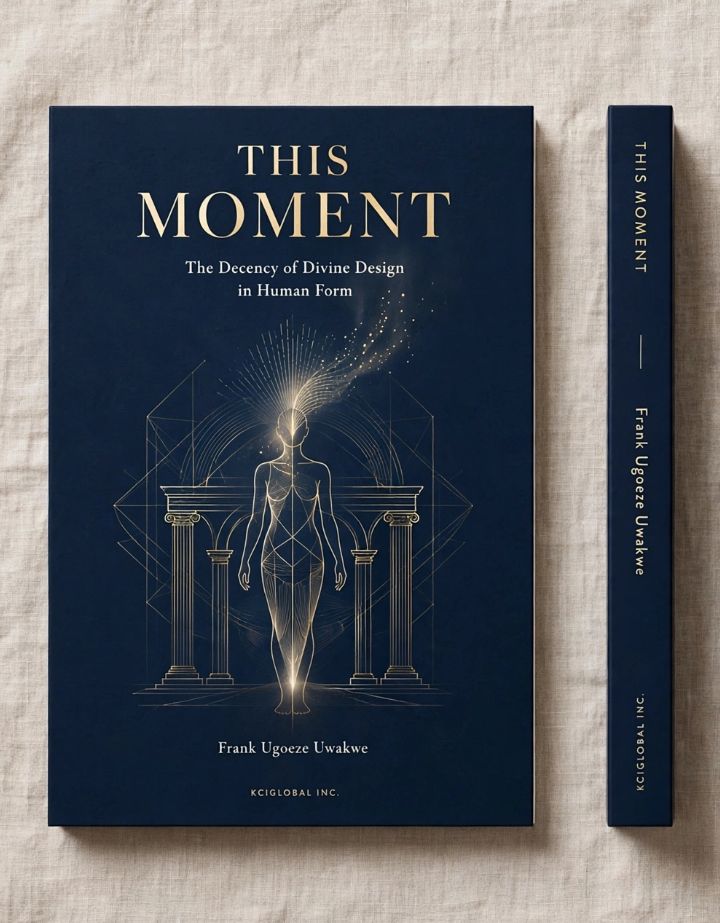

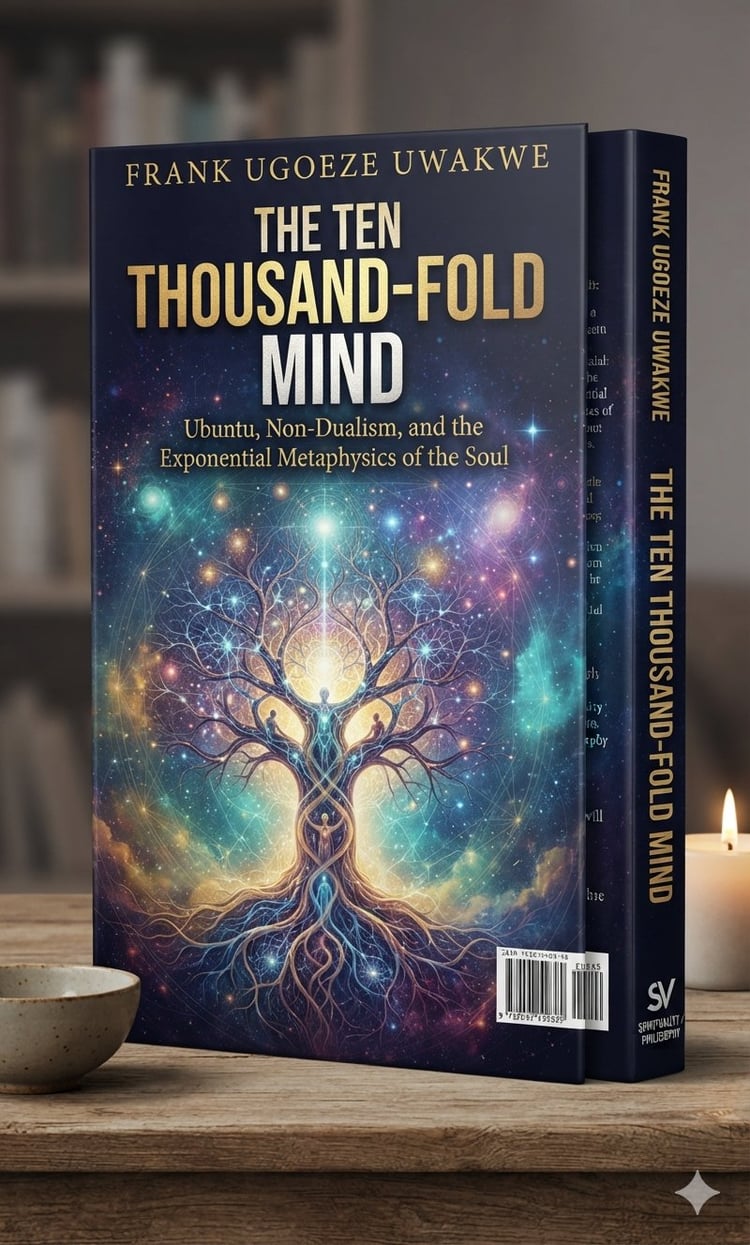
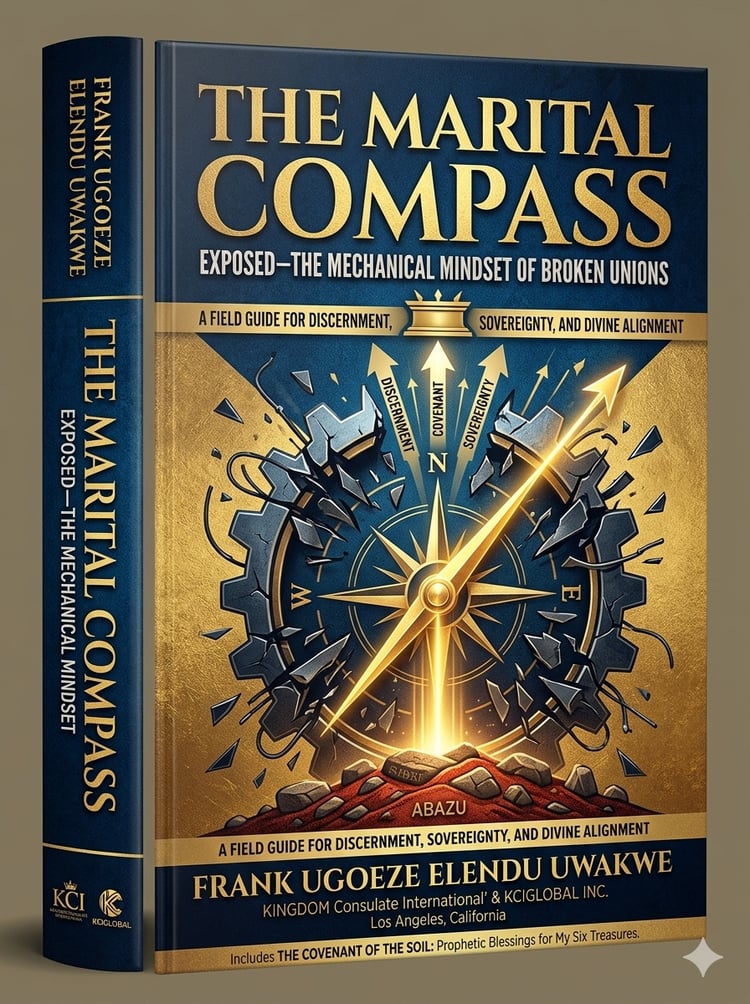
About Me
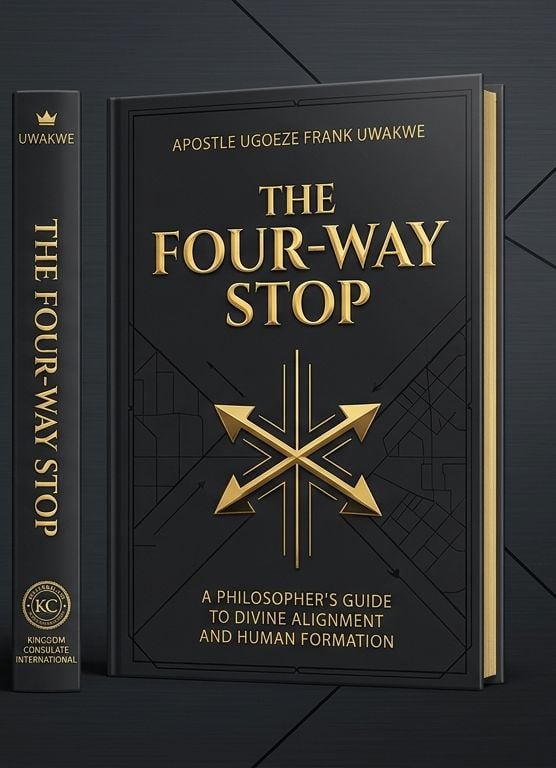
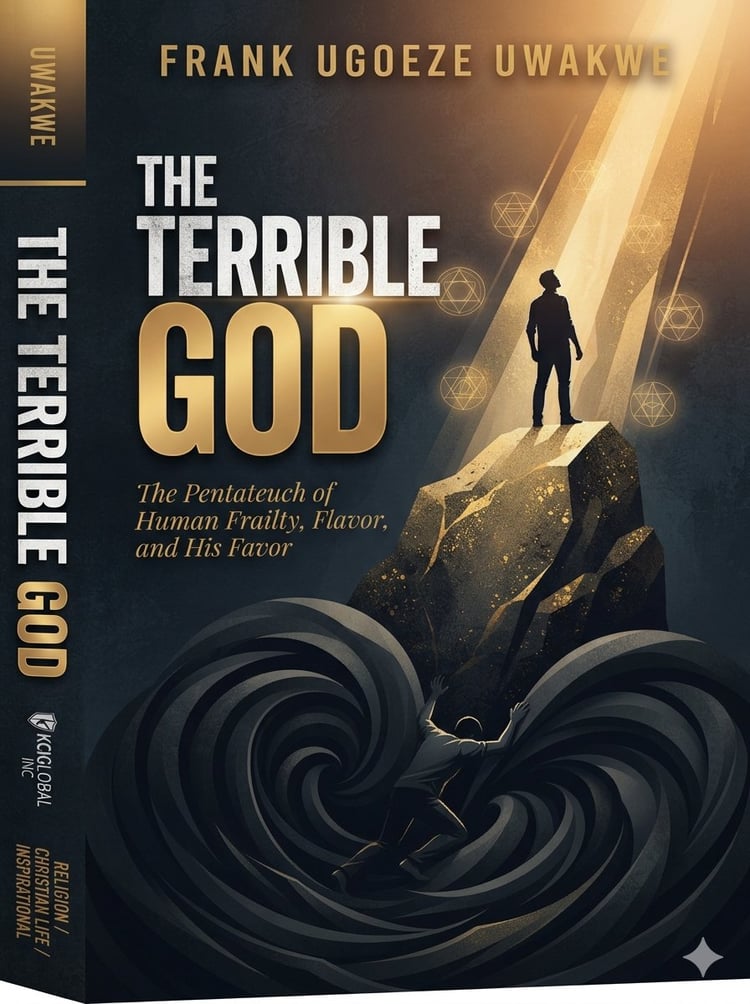
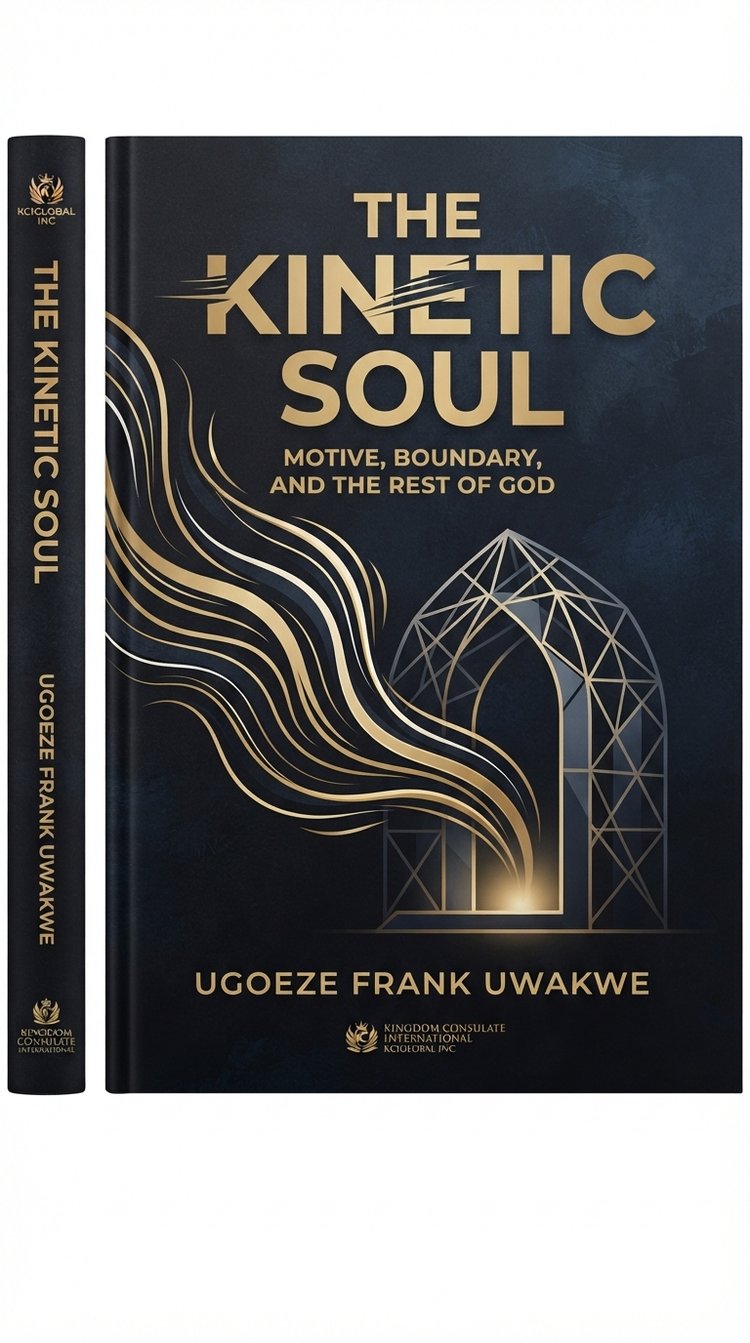
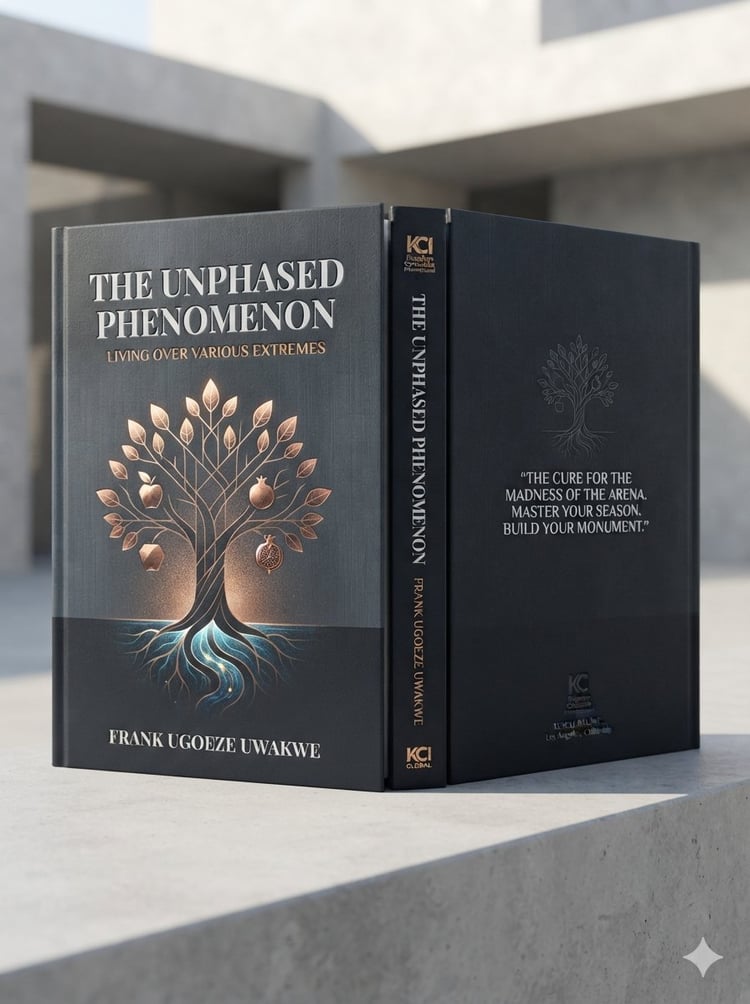
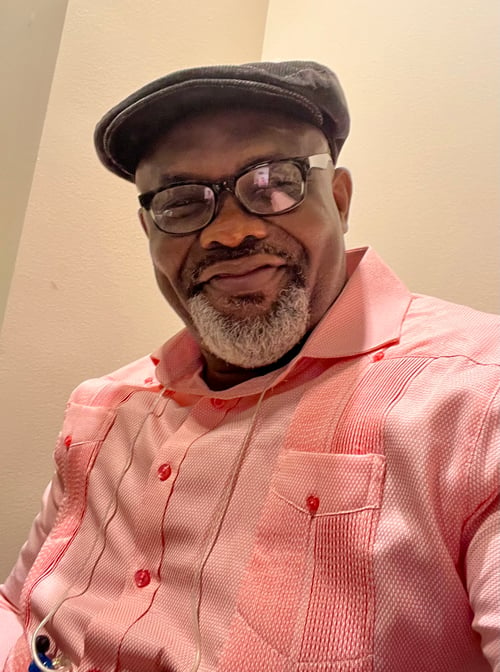
Ugoeze Elendu Uwakwe is an author, philosopher of faith, leadership thinker, entrepreneur, mentor, songwriter, conference speaker, and devoted student of the human condition. His work is situated at the intersection of faith, identity, purpose, leadership, spirituality, human dignity, and the transformative possibilities of a life consciously aligned with God.
He writes from a conviction that human beings are more than biological occupants of the earth; they are beings of meaning, designed with the capacity for consciousness, relationship, responsibility, creativity, and communion with their Creator. Much of his work therefore asks questions that are both ancient and urgently contemporary: Who are we? Why are we here? What makes a life significant? What happens when identity is separated from purpose? Can leadership exist without character? Can spirituality exist without authenticity? And what does it mean to live as the image of God in a fractured world?
These questions have become the intellectual and spiritual architecture of Uwakwe's writing.
His perspective has not been formed exclusively in classrooms or through theoretical observation. It has been forged through a life of leadership, ministry, entrepreneurship, relationships, adversity, loss, reinvention, and an enduring pursuit of God. He understands that some truths cannot be adequately communicated from a distance; they must first be encountered, wrestled with, suffered through, and lived.
That experiential dimension gives his writing its distinctive character.
Uwakwe's voice is deeply Christ-centered, yet intellectually exploratory. He draws from Scripture while engaging philosophy, leadership theory, history, culture, psychology, and the African intellectual tradition. Plato, Aristotle, Kant, biblical prophets, the apostles, African philosophical traditions, and contemporary questions of identity and leadership can inhabit the same intellectual landscape in his work. His objective is not to create a competition between faith and reason, but to explore how truth can become a coherent way of life.
At the center of his thought is Christ.
For Uwakwe, Christ is not merely a theological proposition or religious figure to be admired from a distance. Christ represents the fullest revelation of what humanity was intended to become—the perfect expression of divine character embodied in human life. Consequently, his reflections on identity, leadership, purpose, morality, compassion, authenticity, and spiritual authority continually return to the character of Christ as the ultimate standard.
This conviction informs one of his most persistent themes: identity precedes significance.
Before a person can effectively determine what to do, Uwakwe believes there must be a deeper understanding of who that person is. Purpose detached from identity can become performance. Leadership detached from character can become domination. Spirituality detached from authenticity can become illusion. Knowledge without transformation can become intellectual ornamentation.
His work therefore calls readers beyond merely acquiring information toward becoming.
This concern is particularly evident in his continuing exploration of the Identity Driven Life—a philosophy of living in which identity is not manufactured by society, achievement, wealth, status, failure, or public approval, but discovered and developed through an understanding of one's divine design. In this framework, purpose is not simply something one pursues; it is something that emerges from an authentic understanding of who one has been created to be.
Uwakwe is equally concerned with leadership.
His understanding of leadership moves beyond titles, institutions, authority, and organizational influence. For him, leadership is fundamentally moral and spiritual before it is administrative. A leader must possess the internal architecture necessary to carry external responsibility. He has therefore explored themes such as credibility, moral equilibrium, courage, compassion, character, responsibility, masculinity, service, and the presence of God in leadership.
He believes that the most consequential leadership often begins where nobody is watching.
His reflections on leadership are consequently directed not merely toward executives, pastors, politicians, or institutional authorities, but toward anyone entrusted with influence—parents, mentors, entrepreneurs, community builders, teachers, and ordinary people whose decisions shape the lives of others.
Alongside his intellectual and theological pursuits, Uwakwe carries the heart of an entrepreneur and institution builder. His vision extends beyond books and ideas toward structures capable of developing people and creating opportunities. Through his entrepreneurial and organizational aspirations, he has envisioned platforms for talent discovery, mentorship, worship, music, education, enterprise, and the development of emerging leaders.
He is particularly interested in the relationship between potential and opportunity.
He believes that talent exists in places where recognition does not always reach, and that one of the responsibilities of meaningful leadership is to create environments in which hidden potential can become visible, disciplined, and productive.
This commitment to people is inseparable from his understanding of legacy.
For Uwakwe, legacy is not simply what a person leaves behind; it is what a person successfully deposits into others. Buildings can decay, institutions can change, and possessions can disappear, but principles, character, wisdom, courage, faith, and transformed lives can continue beyond the lifetime of the person who carried them.
His writing consequently carries a strong generational consciousness.
He is deeply interested in Africa, particularly in the intellectual, spiritual, cultural, and entrepreneurial possibilities of the African experience. He believes Africa must not merely consume ideas produced elsewhere but must recover its confidence as a contributor to the global conversation about humanity, philosophy, leadership, spirituality, creativity, and development.
Yet his vision is not confined to geography.
Uwakwe thinks globally while remaining conscious of his African heritage. His work seeks to participate in a larger human conversation—one in which Africa is not an afterthought, Christianity is not reduced to religious ritual, leadership is not separated from morality, and personal success is not mistaken for significance.
Perhaps the most defining quality of his work is his insistence on presence.
He is fascinated by the difference between appearing alive and actually living; between possessing knowledge and possessing wisdom; between religious activity and genuine communion with God; between being visible and being significant. His reflections repeatedly invite the reader to move from external performance toward internal transformation.
He writes because he believes words can become instruments of awakening.
Awakening the conscience.
Awakening identity.
Awakening faith.
Awakening intellectual curiosity.
Awakening courage.
Awakening the desire to live with meaning.
His books and essays are therefore not intended merely to inform the reader. They are invitations to examine the architecture of one's own existence.
At the heart of Ugoeze Elendu Uwakwe's work is a simple but demanding proposition:
A meaningful life is not measured merely by what we possess, accomplish, or become known for, but by how faithfully we embody the purpose for which we were created.
His continuing journey is one of faith, thought, leadership, creativity, and reconstruction—a journey in which experience becomes reflection, reflection becomes language, and language becomes an instrument for helping others discover the courage to live deliberately.
He writes for those who are searching.
For those who have achieved much but still feel the ache of incompleteness. For those who have experienced failure and wonder whether failure has the final word. For those wrestling with identity, purpose, leadership, faith, and significance. For those who believe there is more to life than what can be measured by conventional definitions of success.
And above all, he writes from the conviction that the human story finds its deepest coherence not in self-invention, but in discovering the One in whose image humanity was created.
Ugoeze Elendu Uwakwe is not simply writing about life. He is exploring what it means to live it—with identity, with courage, with intellectual honesty, with spiritual depth, and ultimately, with Christ at the center.
Ugoeze Elendu Uwakwe is available for speaking engagements, ministerial consultation, and leadership formation through KCIGLOBAL INC. Los Angeles , California. USA frankuwakwe1@gmail.com