

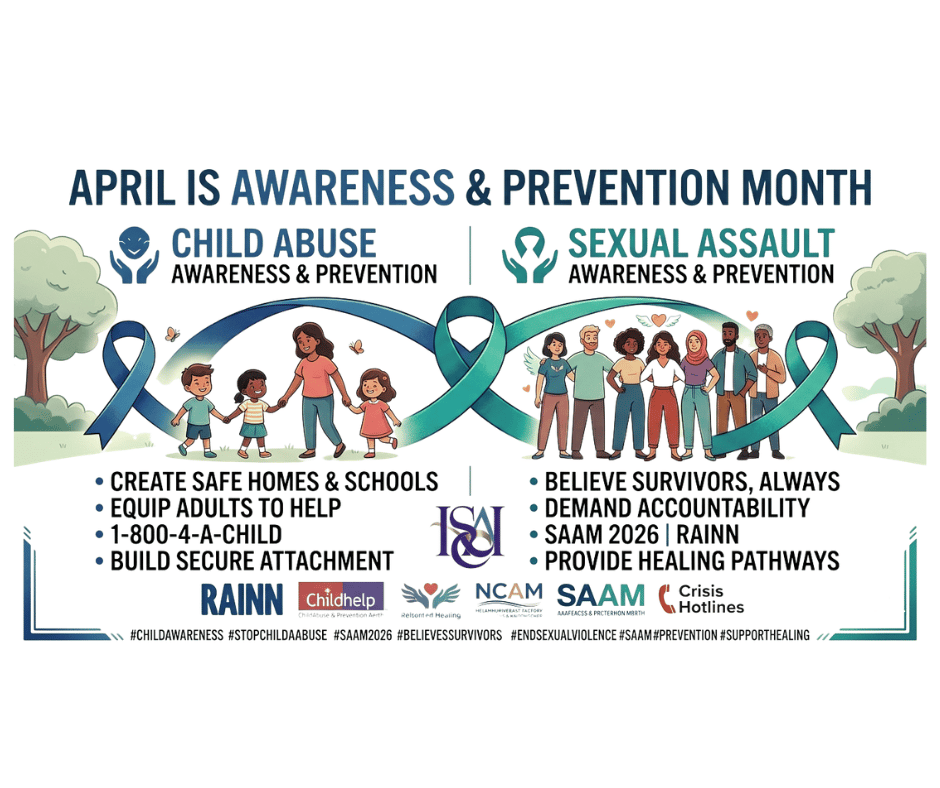
Sexual Assault Awareness and Prevention Month Child Abuse Awareness and Prevention Month Every April, two ribbons are worn — one teal, one blue. Two campaigns. Two awareness months. But for millions of survivors, they represent a single wound that b...
Read More

Trauma-informed care is often described as a “nice-to-have.” Something compassionate. Something thoughtful. Something added on when time allows. That framing is part of the problem. Trauma-informed care is not an enhancement—it is a safety standard....
Read More

When a patient discloses trauma—especially sexual violence—the moment often feels heavy, urgent, and charged. And yet, many front-line staff respond with hesitation, silence, or deflection. This is frequently misinterpreted as indifference or lack o...
Read More

Patients may not remember every test, diagnosis, or instruction they receive. But they almost always remember how they were treated. Especially during moments of vulnerability—when fear, uncertainty, or trauma is present—small interactions leave las...
Read More

When healthcare leaders talk about turnover, the conversation usually centers on staffing ratios, workload, and scheduling. Those factors matter—but they’re not the whole story. There’s another contributor that rarely makes it into leadership discus...
Read More
Most healthcare professionals come to work wanting to help. They show up with skill, compassion, and a genuine desire to do right by their patients. And yet, every day, harm still happens in healthcare settings. Not because providers don’t care, but...
Read More

Most people don’t remember every detail of a healthcare visit. But they do remember how they were made to feel. For survivors of trauma—especially sexual violence—that moment of care can either support healing or deepen harm. And too often, harm hap...
Read More