
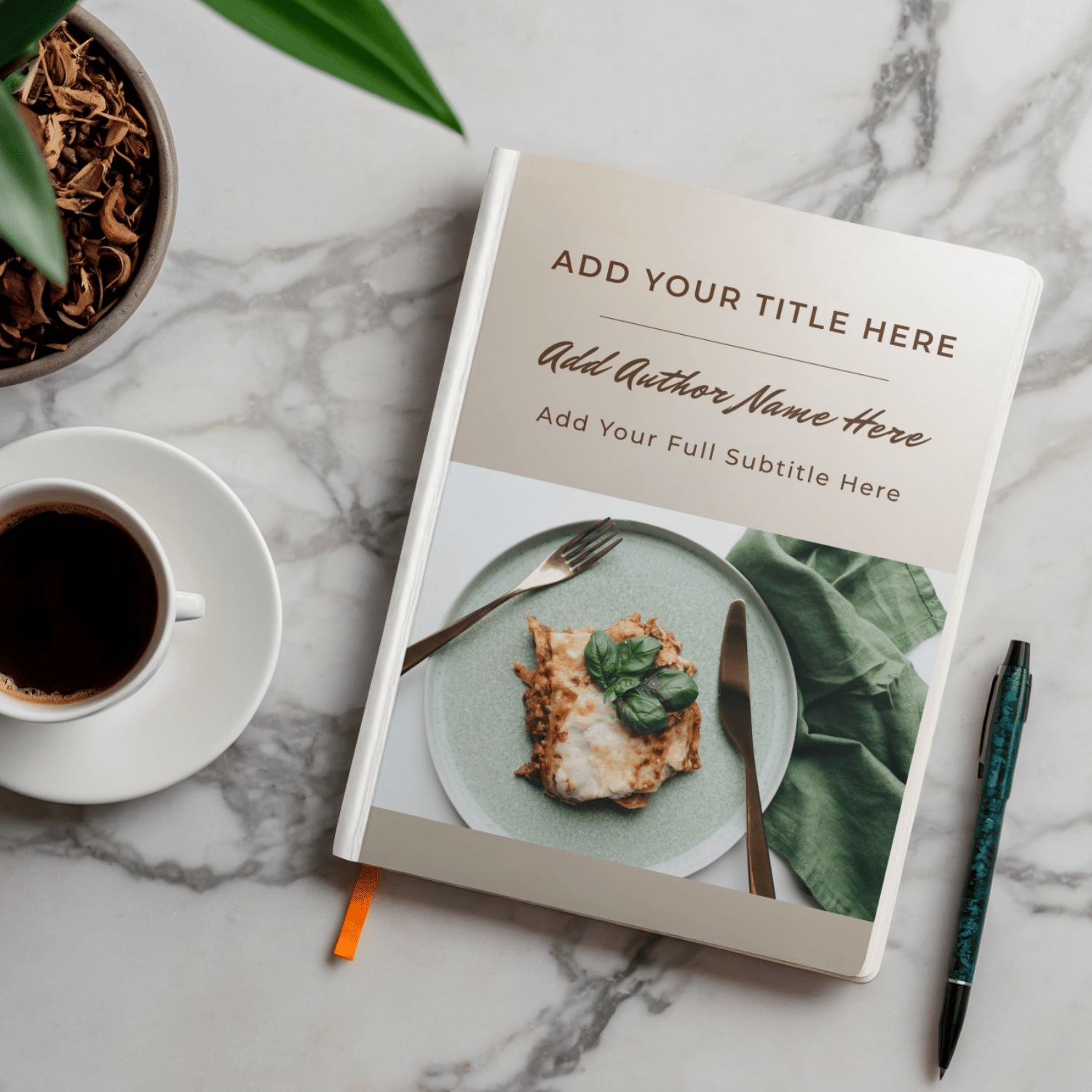
Writing a cookbook can be one of the most rewarding creative projects you can venture into. Think of it as a chance to share your food and your stories, and your unique approach to cooking with people who genuinely want to learn from you. Ultimately, a cookbook is a sensory journey that connects technique with nourishment, and emotions with food.
Cookbooks pretend to be about recipes, but that is only on the surface. At their core, they are really doing something far more human and a lot more interesting. A good cookbook teaches you how to think and feel about food, not just how to follow steps. Cooking is one of the oldest ways that humans care for each other and a cookbook is a way of extending that care to strangers you will never meet.
So, if you have been dreaming of turning your scrumptious recipes into a book, let us take a quick look at what is involved.
Start With a Clear Concept
Every great cookbook begins with a strong, focused concept. Before you write a single recipe, take time to define what your book is really about. Are you teaching beginners how to cook confidently? Sharing family recipes from your cultural heritage? Offering quick meals for busy professionals? Or maybe you specialize in a specific technique, like fermentation or sourdough.
Your concept is the anchor that shapes the tone, recipes, photography, and even the marketing of your cookbook. The clearer your concept is, the easier every other decision will become.
Create a curated list of 10–20 published books that overlap with your concept. For each book, document:
- The core concept or hook,
- The target audience,
- The structure (chapters, recipe flow, narrative elements),
- The tone and voice,
- The visual style (photography, layout, design choices),
- The balance of recipes vs. storytelling,
- Any unique features (QR codes, pantry guides, technique sections).
This will then become your “competitive set.” Analyze what they do well by looking for:
- How they introduce recipes (headnotes, storytelling, cultural context),
- How they teach technique (step-by-step photos, diagrams, sidebars),
- How they make the reader feel (warm, authoritative, playful, minimalist),
- How they handle dietary or cultural specificity,
- How they solve common cooking problems,
- How they build trust (testing notes, variations, troubleshooting).
Write down what techniques you admire.

Know Exactly Who You’re Writing For
A cookbook becomes powerful when it speaks directly to a specific audience. As you are compiling your recipes, think about the people who will use your book. What do they struggle with? What excites them? What ingredients do they have access to? What level of detail do they need?
When you write your book, imagine your readers sitting at your table and speak directly to your audience. When you understand who your audience is, you can write recipes that feel like they were made just for them. You will know when to explain a technique, when to simplify it, and when to expand it a little further.
Find Your Place in the Market
Cookbooks are a consistently strong, evergreen category in book publishing, which is great news because it means readers are hungry for new voices. Spend time researching books similar to the one you want to write. Notice what they do well and where they fall short. Look for gaps you can fill, whether it is a fresh voice, a new angle, or a more inclusive approach.
This is not about copying others. It is about understanding the cookbook landscape so you can confidently carve out your own space within it.
Study the market like a researcher. Try to go beyond just flipping through books. Treat it like fieldwork.
- Visit multiple bookstores and note which cookbooks are given premium placement (front tables, endcaps, staff picks).
- Browse online retailers and sort by bestsellers, new releases, and top‑rated in your category.
- Track which publishers and authors dominate your niche.
- Pay attention to price points, formats (eBooks, hardcover or paperback), and page counts.
- Identify which books have strong longevity, in other words, they are still selling years after publication.

How to Structure Your Cookbook
A cookbook needs a structure that guides readers naturally from one idea to the next, creating a sense of flow that feels intuitive rather than forced. The way you organize your material shapes how readers experience your recipes and your perspective on food.
Before you begin writing, think carefully about how you want people to move through your book. What should they learn first? Where should their confidence grow? When should they feel inspired, challenged, or comforted?
There are many ways that you can build that journey. You might group recipes by meal type, such as breakfasts, mains, sides, desserts. A seasonal structure works beautifully if your cooking is tied to the rhythms of the year, highlighting ingredients at their peak. Organizing by ingredient can help readers cook more resourcefully, while a skill‑level progression, from simple techniques to more advanced ones, can turn your book into a learning tool. And if storytelling is central to your concept, you might structure the book around narrative arcs: chapters that follow your personal history, cultural traditions, travels, or the evolution of your cooking philosophy.
Whatever structure you choose, the goal is the same: to create a reading and cooking experience that feels coherent and uniquely yours.
Beyond the recipes themselves, you can also consider what supporting sections will help your readers succeed. Pantry staples, kitchen reference guides, and technique tutorials behind the recipes, can all enrich your readers' experience.

Write Recipes That Truly Work
Recipe writing is its own craft. Your goal is to make your instructions so clear and reliable that readers feel supported at every step. Use consistent formatting, precise measurements, and straightforward language. Include timing, yields, difficulty levels, and any special notes that will help someone avoid common pitfalls.
Think of each recipe as a conversation with your reader. You are guiding them through a process you know well, and your clarity is what will build their trust.

Test, Test, and Test Again
Even the most experienced cooks need to test their recipes thoroughly. What works perfectly in your kitchen may not translate seamlessly in someone else’s. Test each recipe multiple times, ideally with testers of different skill levels. Encourage honest feedback about clarity, timing, flavor, and difficulty. This stage is where good recipes become great ones. It is also where you ensure your cookbook delivers on its promise.

Decide How Many Recipes Your Book Needs
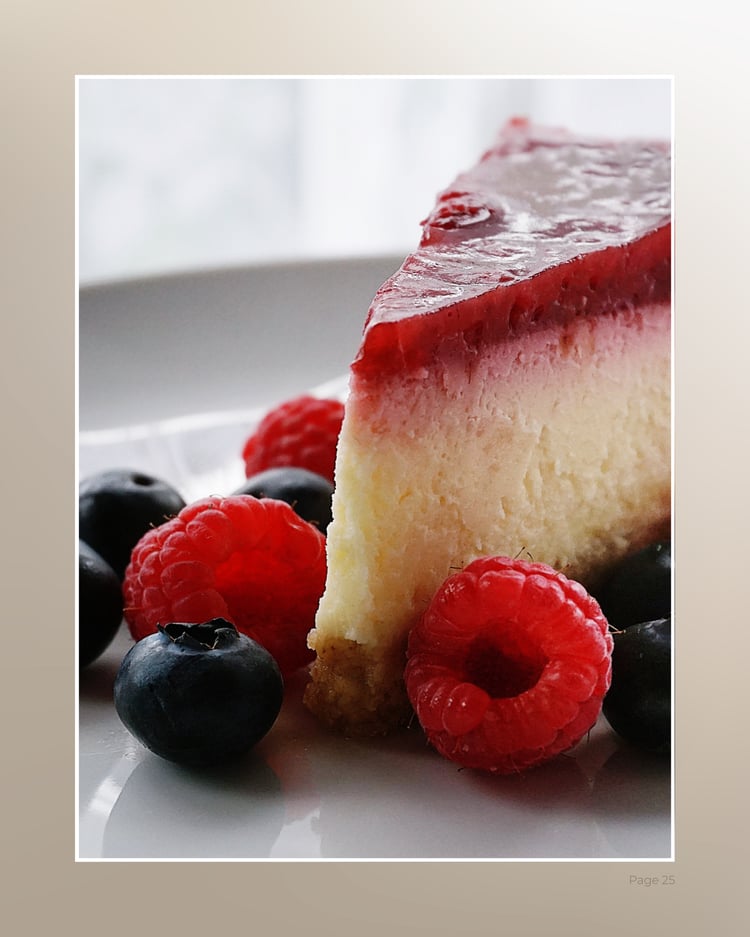
There is no magic number, but most cookbooks fall between 60 to 150 recipes. Smaller niche books may include 40 to 60 tightly curated dishes, while more comprehensive volumes may go well over 100. The key is to focus on quality, not quantity. Every recipe should serve a purpose and strengthen your concept. If a recipe does not earn its place, it does not belong in your book.
Partnering With a Food Photographer
If you want your cookbook to shine visually, and most readers expect it to, teaming up with a food photographer can elevate your project dramatically. A skilled photographer can translate your recipes into images that evoke emotion, appetite, and atmosphere.
A good photographer should be able to help you:
- Develop a visual style that matches your concept,
- Plan a shot list that aligns with your structure,
- Style dishes in a way that feels authentic to your voice,
- Create images that make readers want to cook the recipe immediately.
This partnership works best when you communicate openly about expectations, timelines, and creative direction. Think of your photographer as a collaborator, not a contractor. Together, you will be building the visual identity of your book.

Getting Published.
Once finished, you can download the PDF file of your cookbook and sell either through your own site as a digital download eBook or even have it published on Amazon as a Kindle eBook, Paperback or Hardback, although the physical books may need a slightly higher learning curve. Amazon also has taken all the mystery out of self-publishing and offers great resources and step-by-step guides. You can start here: Getting Started with Kindle Create.
Recipe cards can also be created on Canva, or simply use the same format you used for the book recipe pages, and sell them as a digital PDF file that can be downloaded and printed by the buyer. They should be sized to fit 4 to a page for easy printing.

Bringing It All Together
Writing a cookbook is a blend of creativity, discipline, and heart. You are inviting readers into your kitchen and your way of cooking. When you approach the process with planning, research, and clarity, the result will be a book that feels meaningful, and deeply personal. and also remember the key points: Always do lots of research, find out what your competitors are doing, do not copy them but look for niches that have not been covered yet - and always, always know your target audience.
Good luck!
Annie


Comments ()