
Stress has become so common in adulthood that many people stop questioning it.
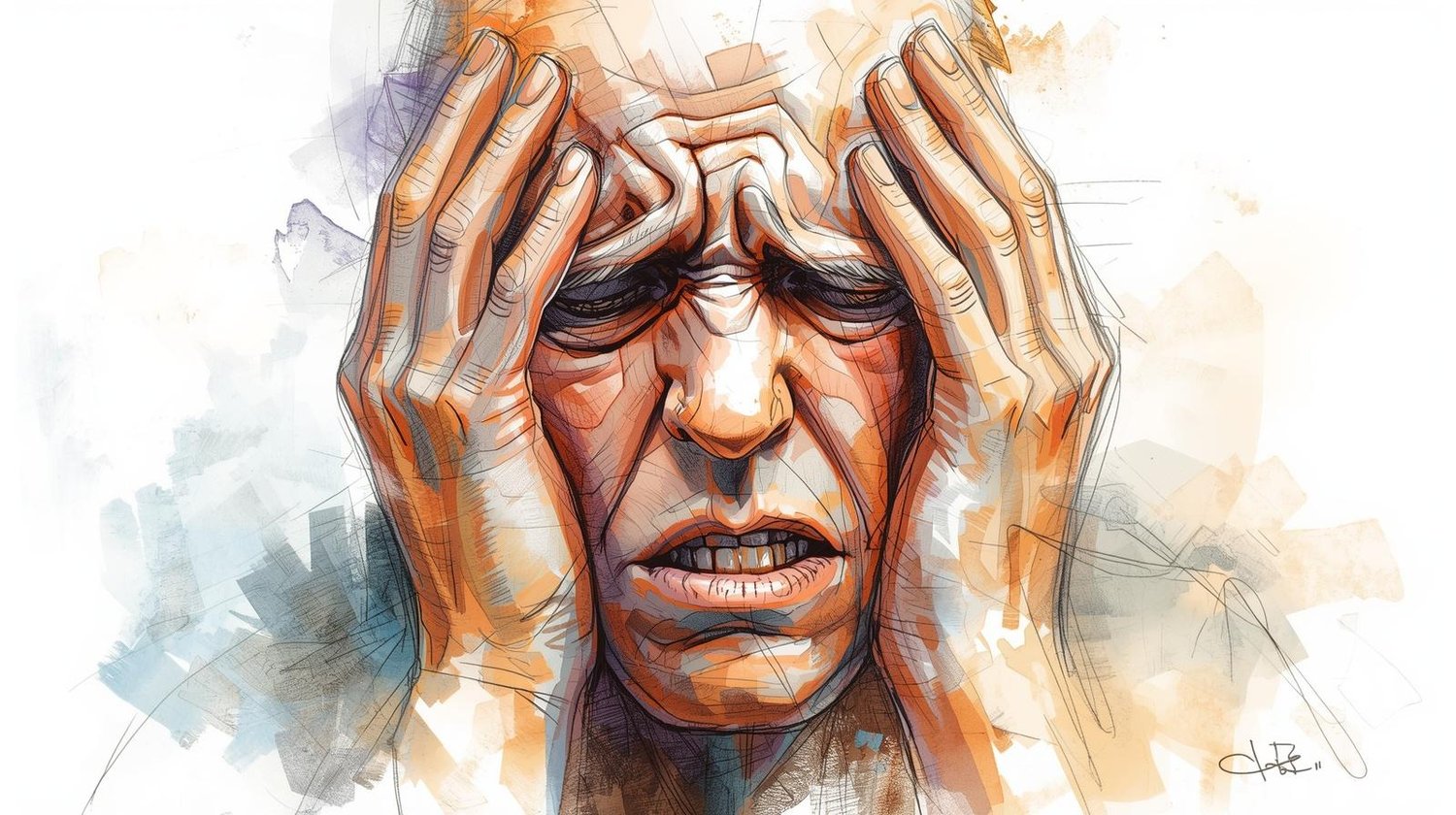
Deadlines, responsibilities, finances, relationships, caregiving, constant notifications—it all blends into daily life. For many adults, stress isn’t an occasional response to challenges; it’s a near-constant background noise.
Because stress is expected, it’s often minimized. But common doesn’t mean harmless.
As a Licensed Mental Health Counselor, I often hear adults say, “This is just how life is right now.” Sometimes that’s true. And sometimes, stress has quietly crossed the line from manageable to overwhelming.
Stress Isn’t Just About Being Busy
Stress is often framed as a time-management issue—too much to do, not enough hours in the day. But stress is less about how full your schedule is and more about how overwhelmed your nervous system feels.
Many adults experiencing chronic stress are:
- Highly responsible and dependable
- Used to pushing through discomfort
- Carrying emotional labor for others
- Managing multiple roles with little rest
Stress doesn’t mean you’re failing. It often means you’re adapting—without enough support or recovery time.
When was the last time you felt truly rested—not just done with tasks, but internally settled?
How Chronic Stress Shows Up in Adults
Stress doesn’t always look dramatic. Often, it shows up quietly and physically.
Common signs include:
- Constant tension in the body (jaw, shoulders, stomach)
- Difficulty sleeping or feeling rested
- Irritability or emotional reactivity
- Trouble concentrating or making decisions
- Feeling rushed, even during downtime
- Emotional numbness or burnout
Because stress symptoms overlap with anxiety, depression, and burnout, they’re often brushed off as “just life.”
Why Stress Is So Hard to Turn Off
Stress lives in the nervous system—not just the mind. Even when things slow down externally, the body may remain on high alert.
When stress becomes chronic:
- The nervous system stays in survival mode
- Rest can feel uncomfortable or unproductive
- Slowing down may bring up emotions that were being pushed aside
This isn’t a personal failure. It’s the body responding to prolonged demand.
What does your body do when you finally stop moving?
Managing Stress Is Not About Doing More
Many stress-management messages focus on adding more—more routines, more productivity tools, more self-care tasks.
But effective stress support often starts with less:
- Less self-criticism
- Less pressure to “handle it better”
- Less ignoring what your body is signaling
Healthy stress management may include:
- Learning to recognize early signs of overload
- Building regulation skills for the nervous system
- Creating realistic boundaries around time and energy
- Addressing internal expectations and perfectionism
- Allowing rest without earning it
Progress doesn’t mean stress disappears. It means stress no longer controls your pace, mood, or sense of self.
Starting the Conversation
Stress tends to escalate when it goes unspoken. Naming it—without minimizing or comparing—can be a meaningful shift.
Many adults carry thoughts like:
- “Everyone is stressed—this isn’t a big deal.”
- “I should be able to handle this.”
- “Once things calm down, I’ll feel better.”
Sometimes things don’t calm down on their own. And that doesn’t mean you’ve failed.
If your stress could talk, what would it say it needs right now—rest, support, boundaries, or permission to slow down?
A Final Thought
Stress in adulthood is often treated as a personal weakness rather than a systemic and emotional experience. Whether you’re a clinician supporting others or someone navigating stress quietly yourself, it deserves attention—not dismissal.
You don’t need to wait until you’re burned out to care about stress.
You don’t need a crisis to slow down.
And you don’t have to manage it alone.
Clinical Disclaimer
This blog is intended for educational and informational purposes only and is not a substitute for professional mental health treatment, diagnosis, or individualized care. Reading this content does not establish a therapeutic relationship. If you are experiencing a mental health emergency, please contact local emergency services or a crisis hotline.
Comments ()