
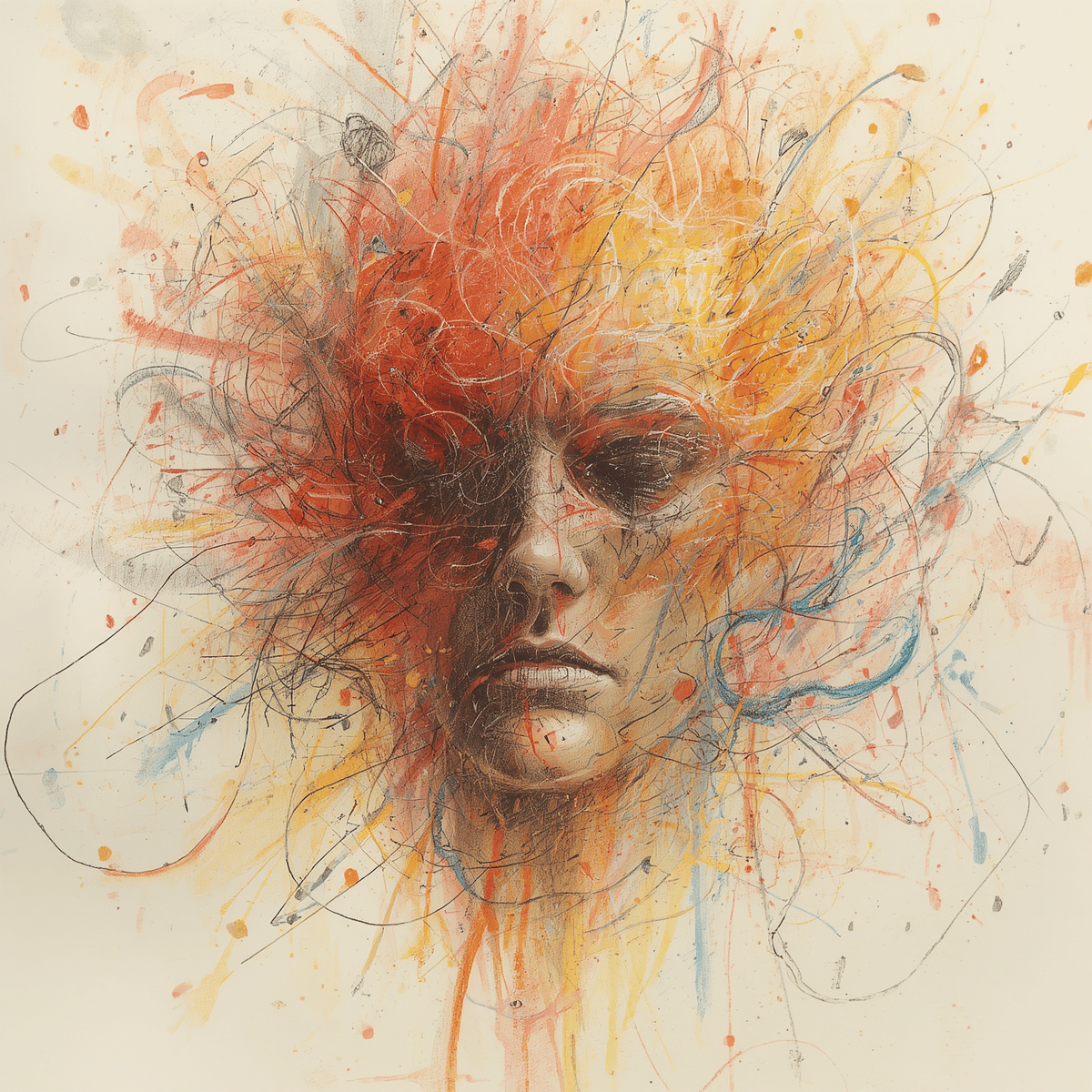
Everyone worries from time to time. We worry about finances, health, relationships, work responsibilities, and the future. Worry is a normal part of being human. But for some adults, worry becomes persistent, overwhelming, and difficult to control—e...
Read More

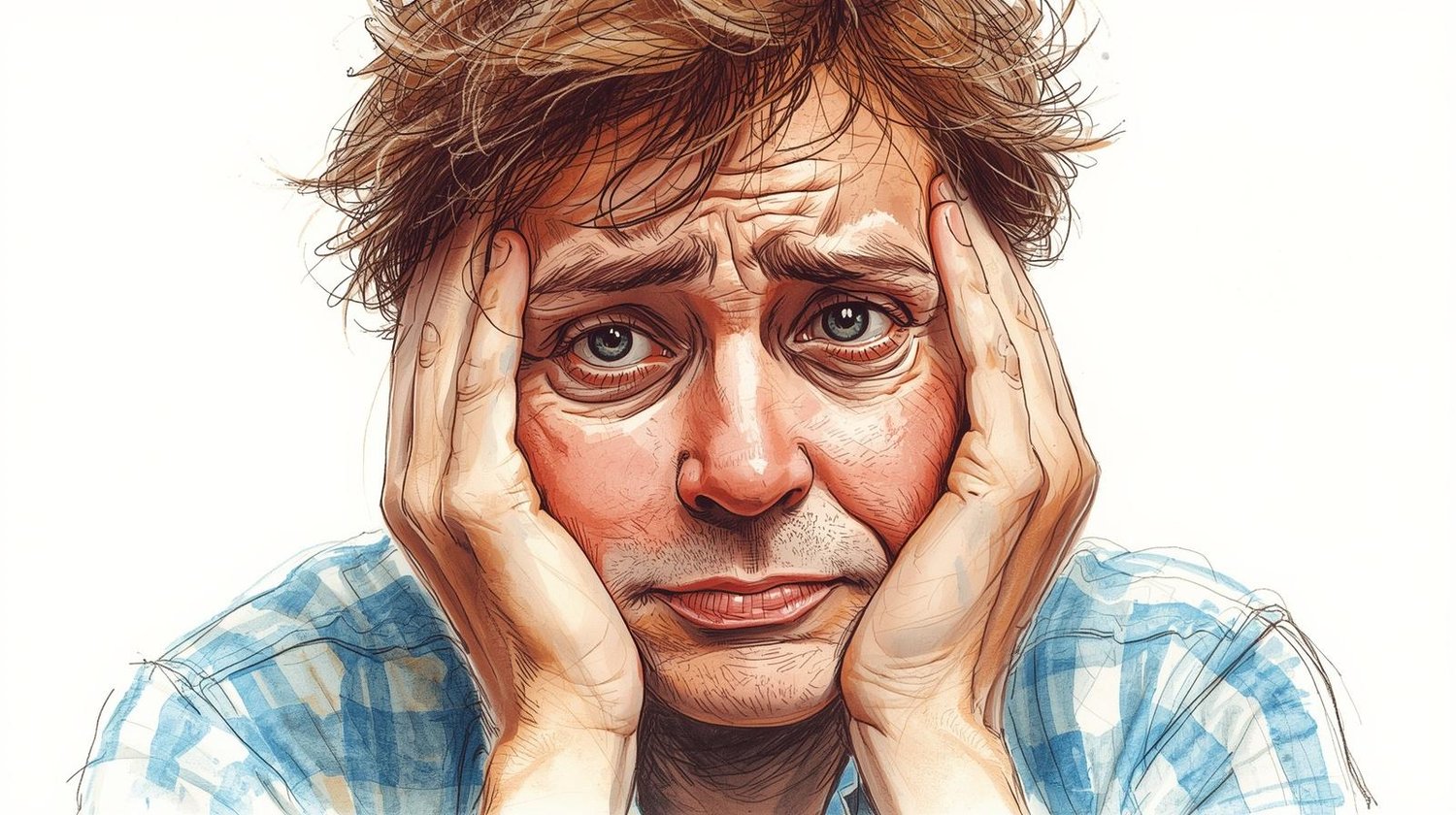
When many people hear the term bipolar disorder, they often imagine dramatic mood swings happening suddenly or unpredictably. In reality, bipolar disorder in adulthood is often far more complex — and frequently misunderstood. For some adults, it may...
Read More

Conflict between parents and children is one of the most emotionally complex relationship challenges people face. Whether the child is young, a teenager, or an adult, tension in the parent–child relationship can bring feelings of guilt, frustration,...
Read More
Returning to school as an adult is often an act of courage. It may represent a career change, a long-delayed goal, financial necessity, or a desire for personal growth. Many adult learners juggle coursework alongside full-time jobs, caregiving respo...
Read More

Life transitions are unavoidable—career shifts, relationship changes, financial stress, health challenges, and loss can all disrupt our emotional balance. For many adults, these events cause temporary stress. But for some, the emotional reaction bec...
Read More

Anger is one of the most misunderstood emotions in adulthood. Many adults were taught — directly or indirectly — that anger is dangerous, disrespectful, dramatic, or inappropriate. As a result, some people suppress it entirely, while others only rec...
Read More
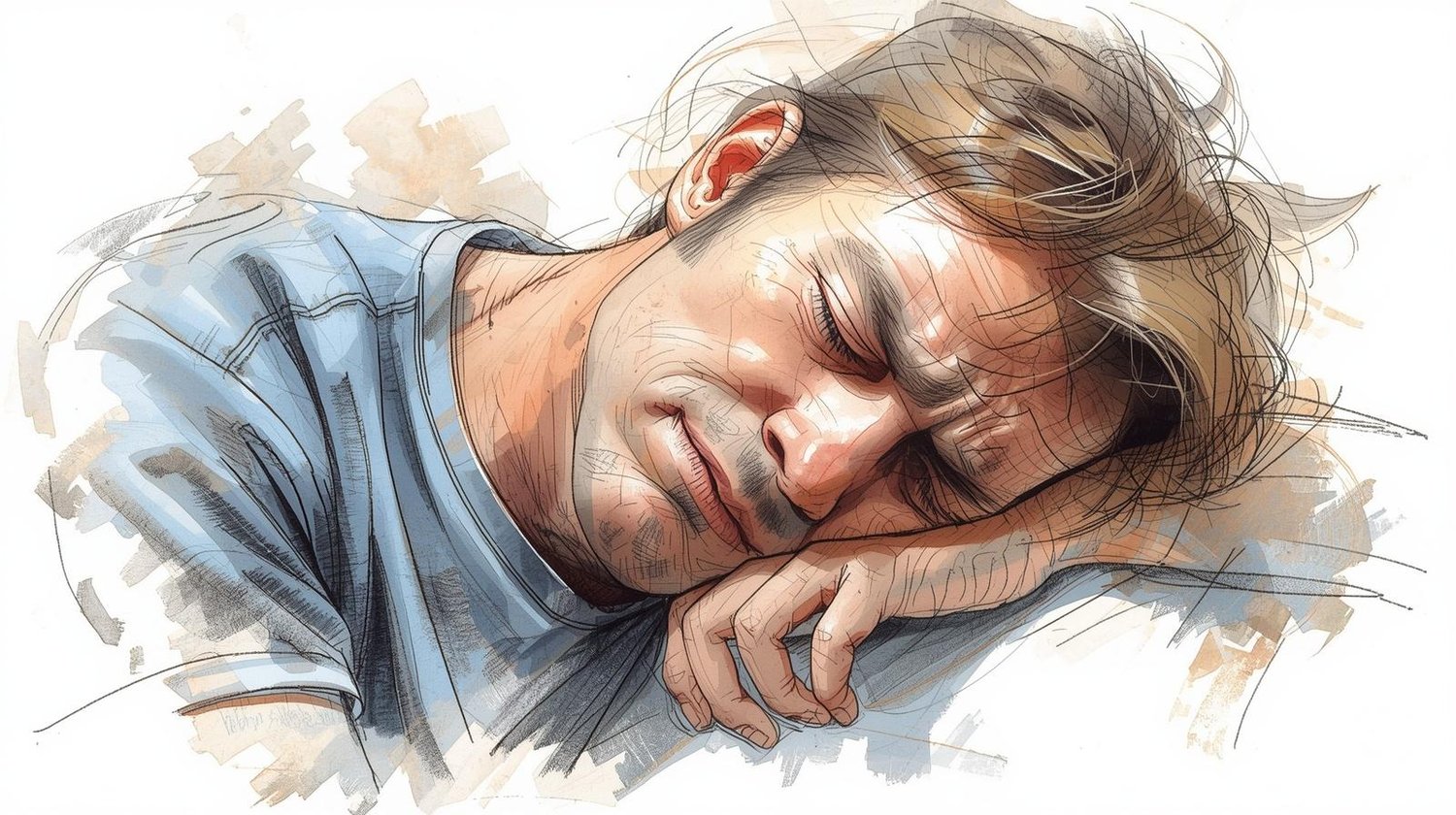
Fatigue in adulthood is often dismissed as “just being busy.” Work responsibilities, caregiving, relationships, financial stress, constant digital stimulation — exhaustion can feel like a normal part of adult life. But there is a difference between ...
Read More
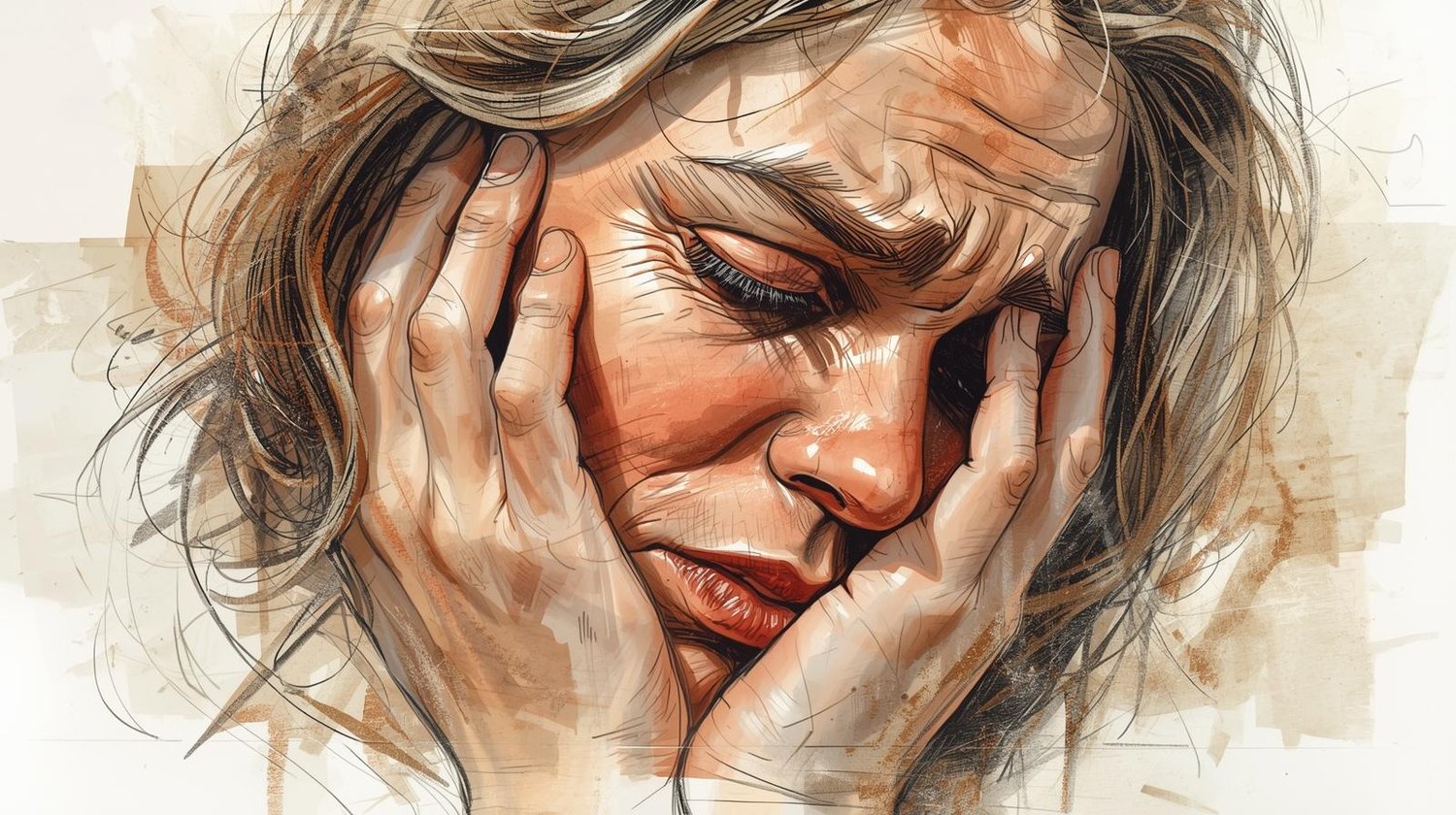
Grief is often associated with death—but in adulthood, grief takes many forms. It can follow the loss of a loved one, a relationship, a career, health changes, family estrangement, infertility, relocation, or even the loss of expectations for how li...
Read More

Boundaries are often misunderstood. Many adults associate boundaries with being rigid, selfish, or unkind. Others believe boundaries are unnecessary if relationships are healthy. In reality, boundaries are not walls—they are guidelines that help rel...
Read More
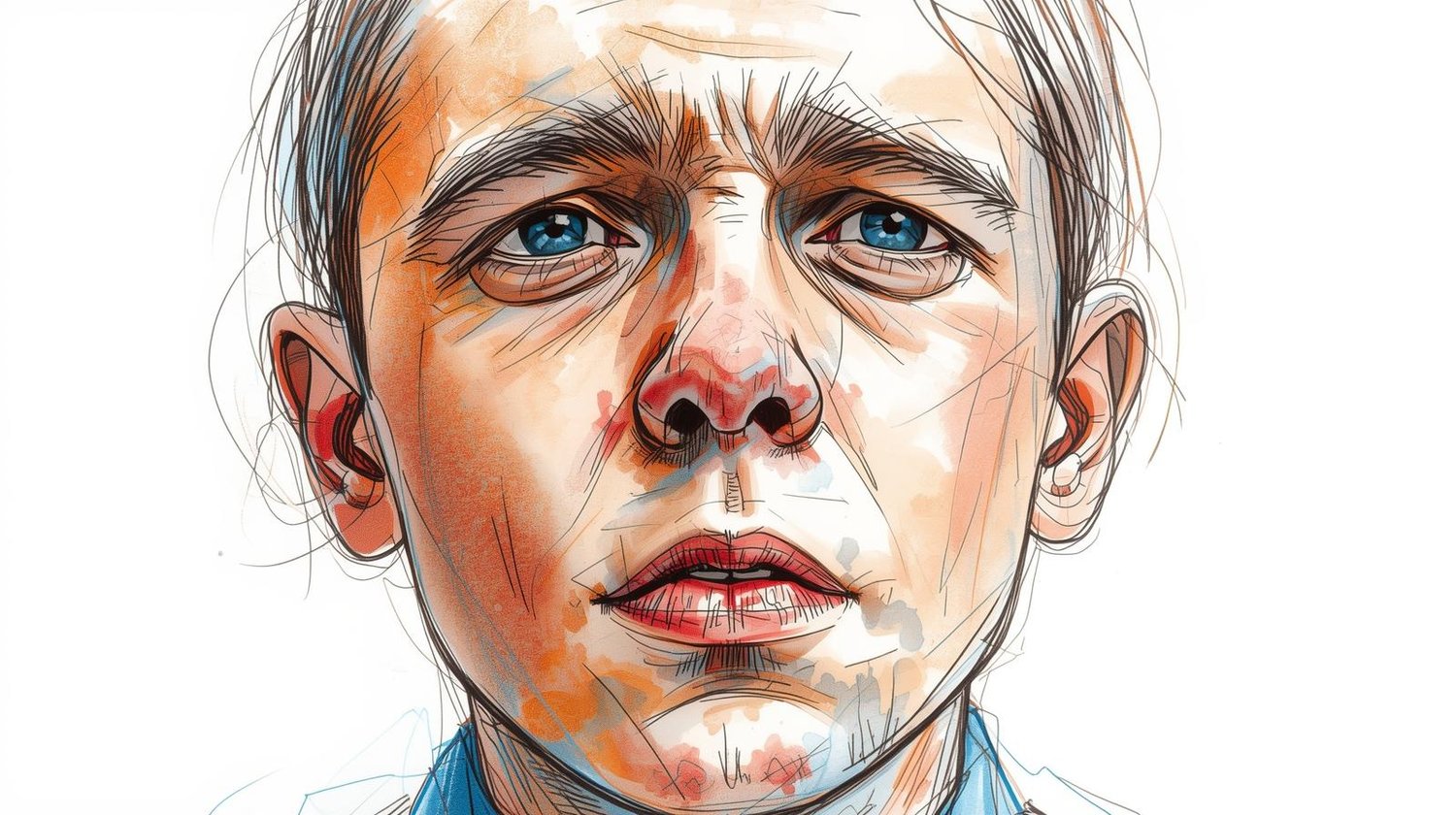
ADHD doesn’t disappear after childhood—it often just changes how it shows up. Many adults with Attention-Deficit/Hyperactivity Disorder (ADHD) spend years feeling misunderstood, overwhelmed, or frustrated without realizing ADHD is part of the pictur...
Read More

Relationship separation is one of the most emotionally complex experiences in adulthood. Whether the relationship ended suddenly or after years of trying, separation often brings a unique combination of grief, relief, confusion, anger, and lonelines...
Read More
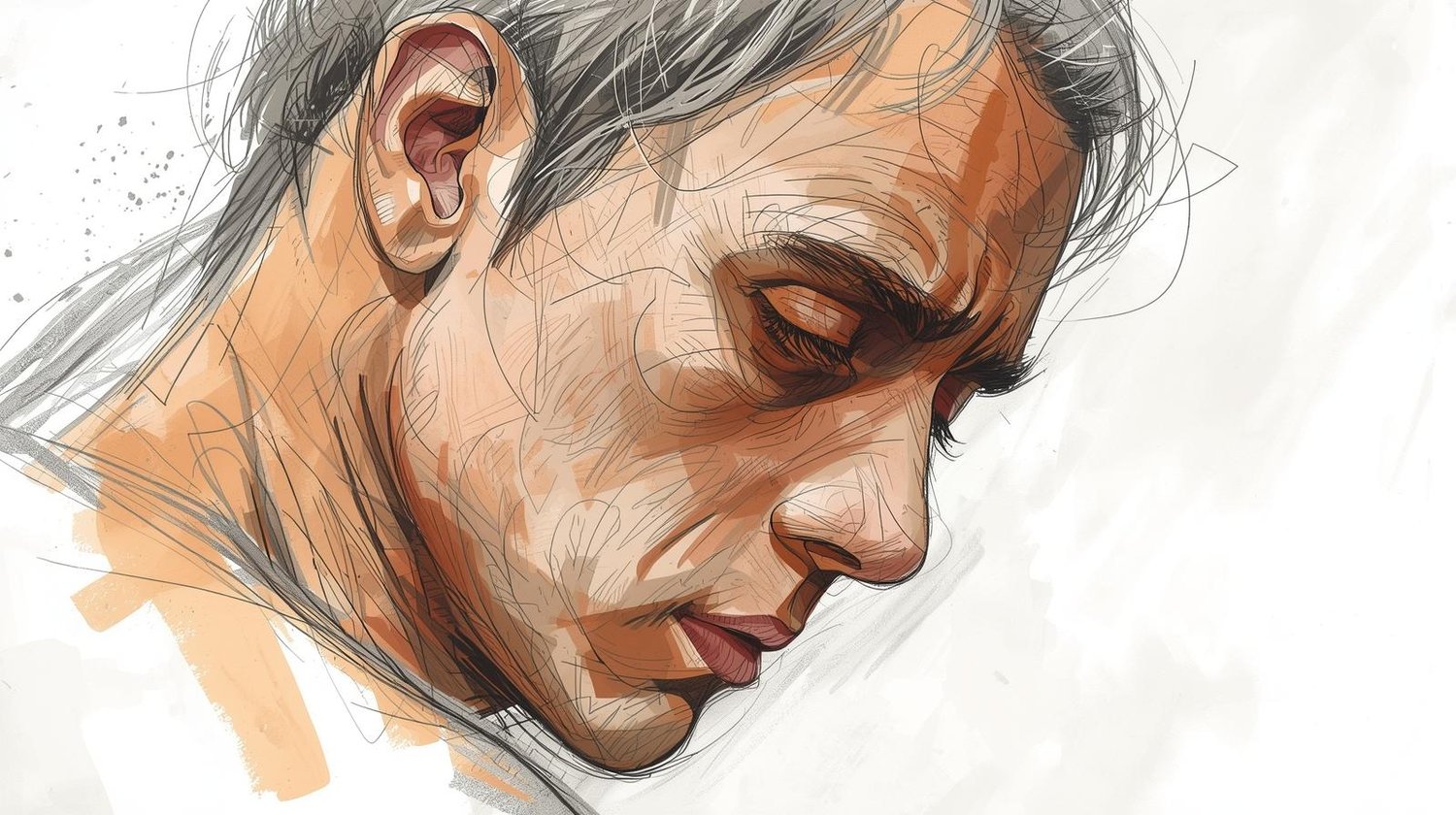
Post-Traumatic Stress Disorder (PTSD) is often misunderstood. For many adults, PTSD doesn’t look like what movies portray. It’s not always flashbacks, visible panic, or an inability to function. Instead, it often shows up quietly — in the way someon...
Read More

Emotion regulation is often discussed in childhood—but rarely in adulthood. Many adults move through life believing they should already know how to manage their emotions. When emotions feel overwhelming, unpredictable, or “too much,” the response is...
Read More
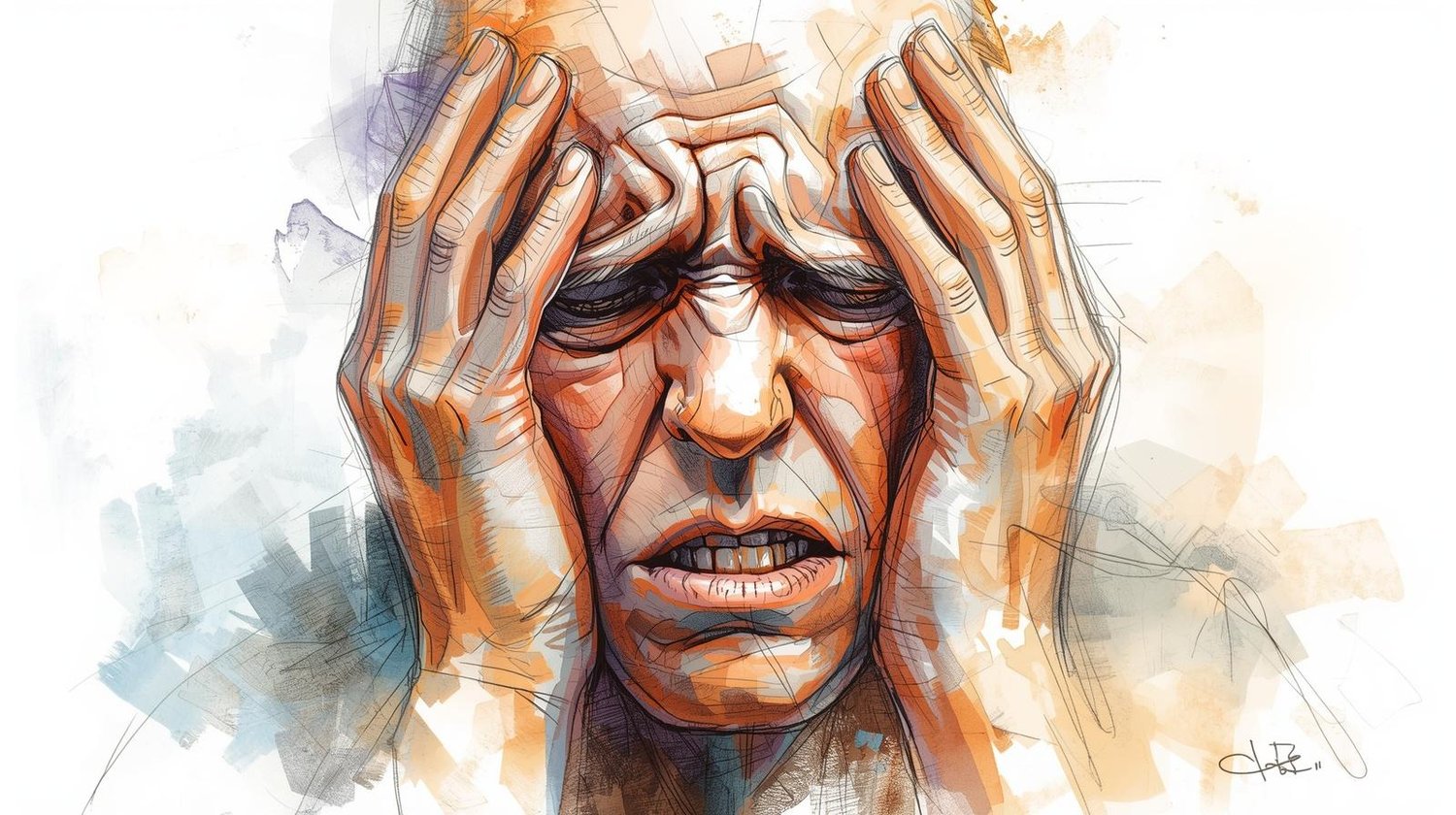
Stress has become so common in adulthood that many people stop questioning it. Deadlines, responsibilities, finances, relationships, caregiving, constant notifications—it all blends into daily life. For many adults, stress isn’t an occasional respon...
Read More

Depression in adults is often quiet. It doesn’t always show up as tears, hopelessness, or an inability to get out of bed. For many adults, it looks like going to work, answering emails, caring for others, and feeling emotionally flat, exhausted, or ...
Read More