
Somewhere along the way, most of us picked up a quiet assumption: that there is a right way to do a relationship. A right way to date, a right way to get engaged, a right way to marry, and a right way to build a life afterward. We rarely say this ou...
Read More


Picture this: a barista mentions the word "warm" while making small talk about the weather. A few minutes later, you describe a stranger across the room as "friendly" rather than "guarded," with no real evidence either way. That small, invisible nud...
Read More

We spend billions of dollars every year on the latest technology — faster processors, smarter search engines, more intuitive software. Yet most people walk around every day with one of the most sophisticated information-processing systems ever known...
Read More

We use the word love the way we use the word fine. It covers everything from mild affection to the kind of feeling that rewires your entire life. We say we love pizza, we love a good movie, we love our children. The same word. Radically different th...
Read More

Why reinvent the wheel when you can learn from people who have already mastered the road ahead? One of the most powerful concepts in Neuro-Linguistic Programming (NLP) is modeling. At its core, modeling is the process of studying and replicating the...
Read More

Why some people cling, some pull away, and others build healthy emotional connection with ease. Relationships are rarely just about chemistry, attraction, or shared interests. Beneath nearly every romantic dynamic lies something deeper: attachment s...
Read More

When conflict happens in relationships, most people are not actually fighting over who was “right.” They are fighting over whether they feel respected, understood, and emotionally safe with each other. That is why one simple phrase “I told you so” c...
Read More

Most people, when they think of the Marine Corps, think of one thing. And while that one thing exists, it is far from the whole story — and perhaps not even the most important part of it. The version I want to share is about a young man who stepped ...
Read More

Understanding Trauma Bonds, Fear of Abandonment, and Identity Enmeshment From the outside, toxic relationships often seem painfully obvious. Friends and family watch someone get manipulated, criticized, ignored, betrayed, or emotionally harmed and t...
Read More
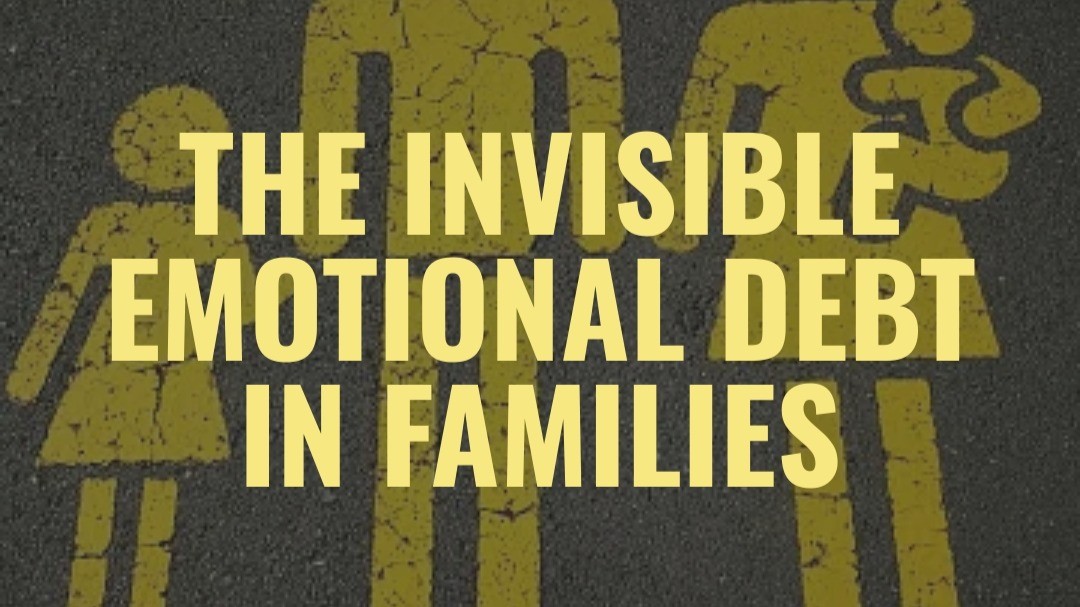
Most families don’t pass down only genetics, traditions, recipes, or last names. They also pass down emotional patterns — invisible psychological agreements that quietly shape how people think, love, argue, sacrifice, and even define themselves. The...
Read More

Negative suggestions are a form of psychological or linguistic influence in which a message is framed in terms of what not to do, feel, or think—rather than what to do instead. In simple terms, they are statements like: “Don’t think about failing.”“...
Read More

For over two thousand years, thinkers have tried to explain why people behave so differently from one another. One of the earliest and most enduring frameworks is the theory of the four temperaments — sanguine, choleric, melancholic, and phlegmatic....
Read More

Imagine being handed a sugar pill — no active ingredient, no chemical compound, no pharmacological magic — and yet watching your pain diminish, your anxiety quiet, or your symptoms retreat. This is not fantasy. This happens in laboratories, hospital...
Read More

Relationships are meant to lift us up, but some slowly erode our well-being instead. A toxic relationship isn’t always dramatic or obviously abusive—it can be subtle, draining, and easy to rationalize until the damage feels irreversible. Psychologis...
Read More

You wake up, pour coffee, and decide to scroll your phone instead of hitting the gym. Simple choice, right? Your life feels like a series of deliberate forks in the road—career moves, relationships, even the snack you grab at 2 a.m. But what if ever...
Read More