Your Cart
Loading

Hi, I'm Nelia!

Every child deserves the opportunity to learn, grow, and thrive—and it shouldn't cost a fortune.

That's why I created Nelia's Play & Learn: to give parents, teachers, and therapists affordable, practical resources that makes learning through play simple, meaningful, and fun.


I personally create every printable using my experience as a Kinderkineticist, Visual Therapist, and Foundation Phase Educator. Every resource is designed to support children's development while saving you valuable time.
What We Offer

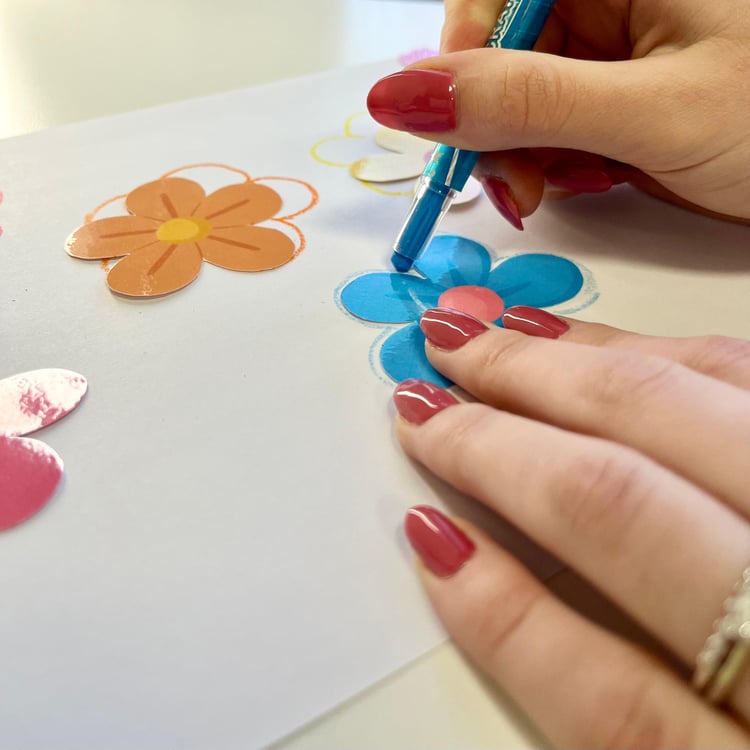
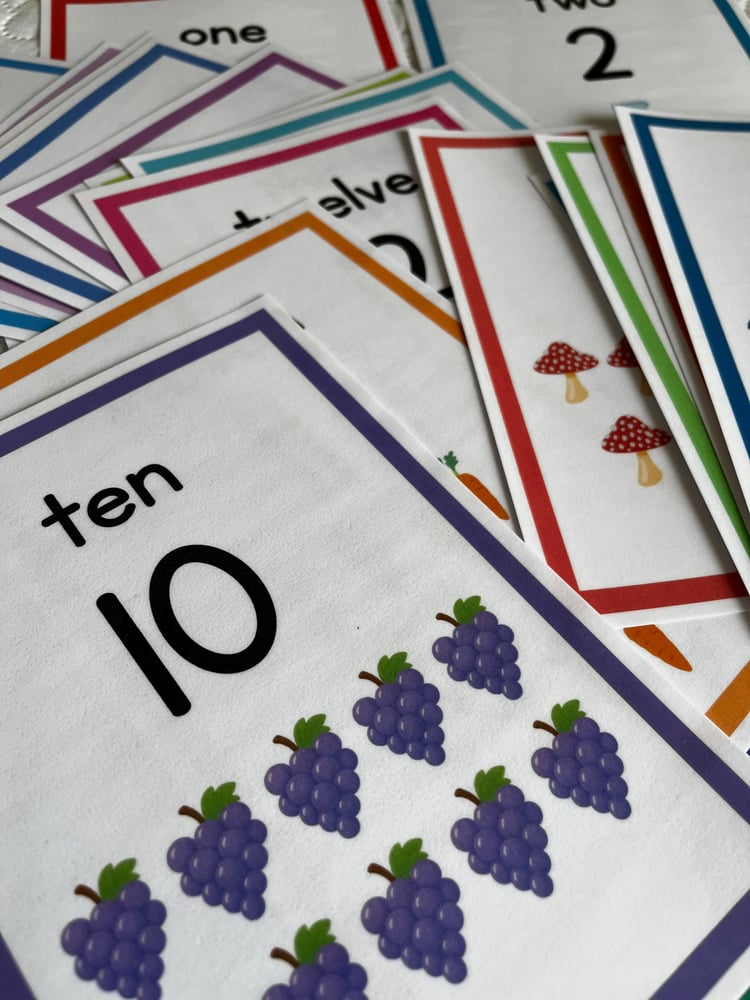
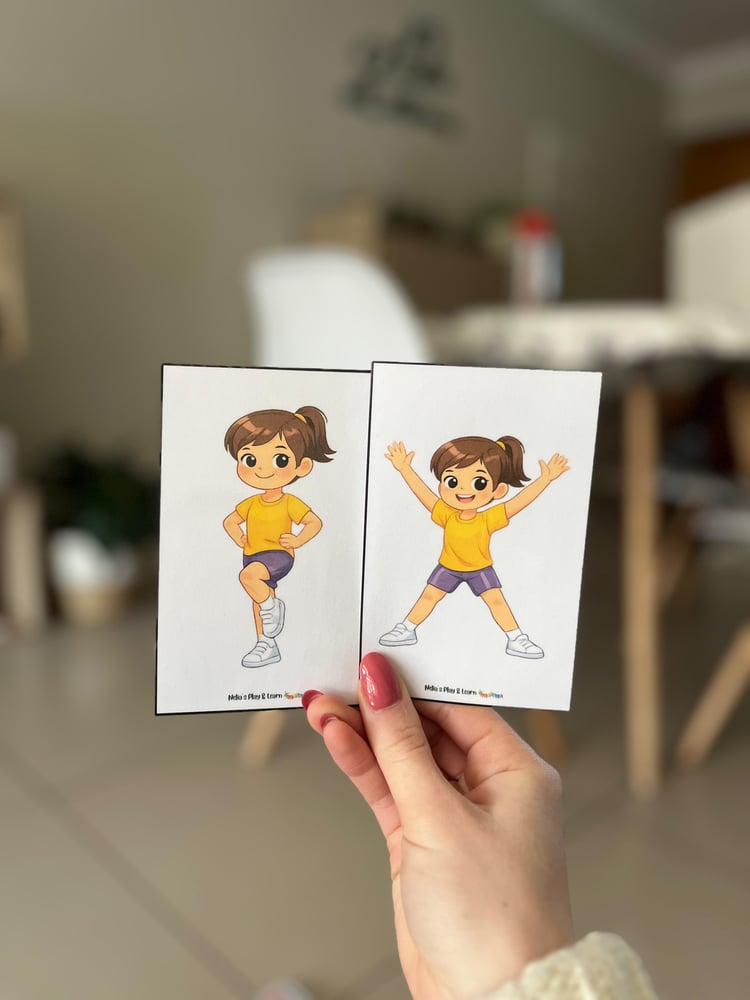
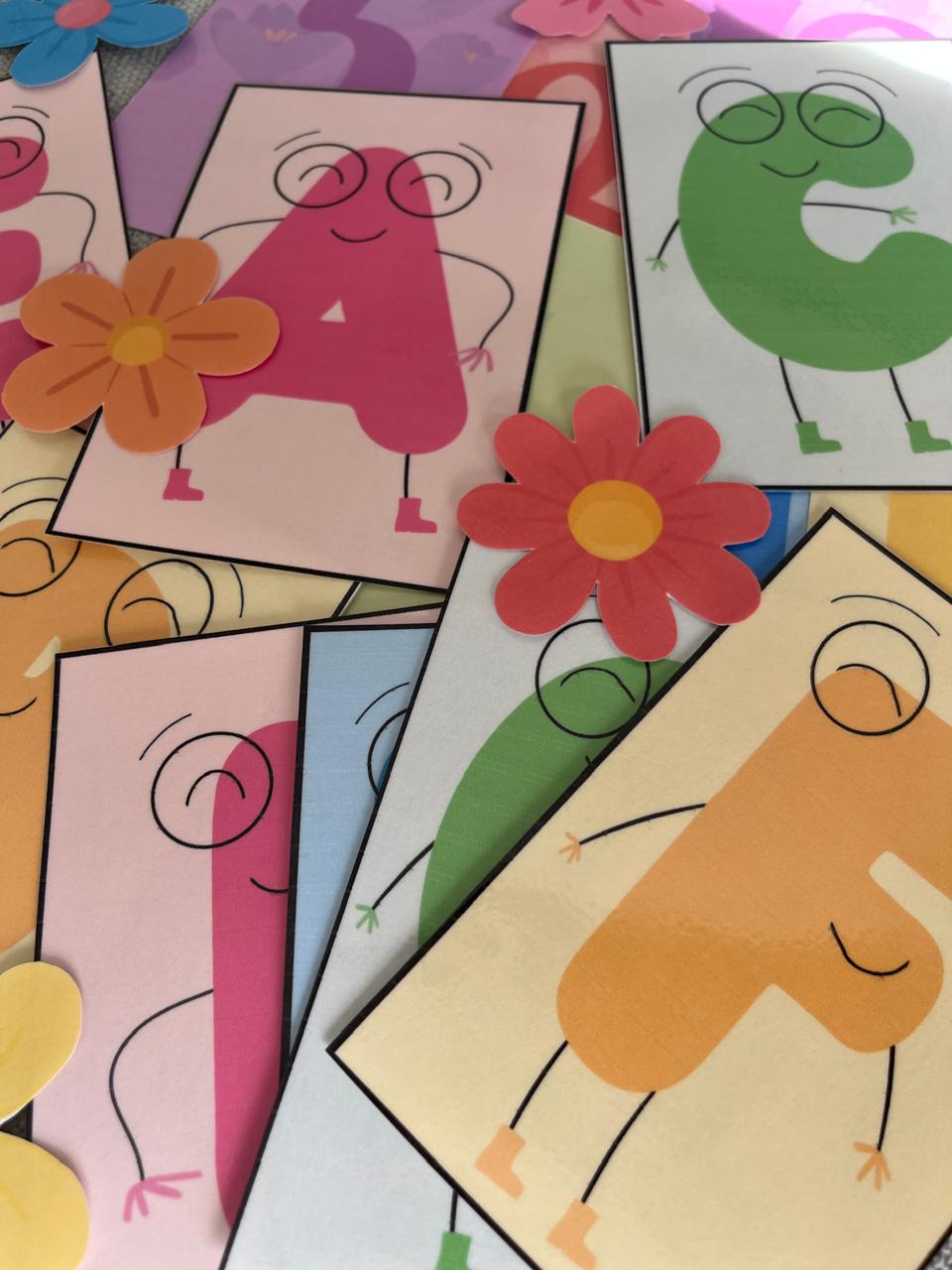
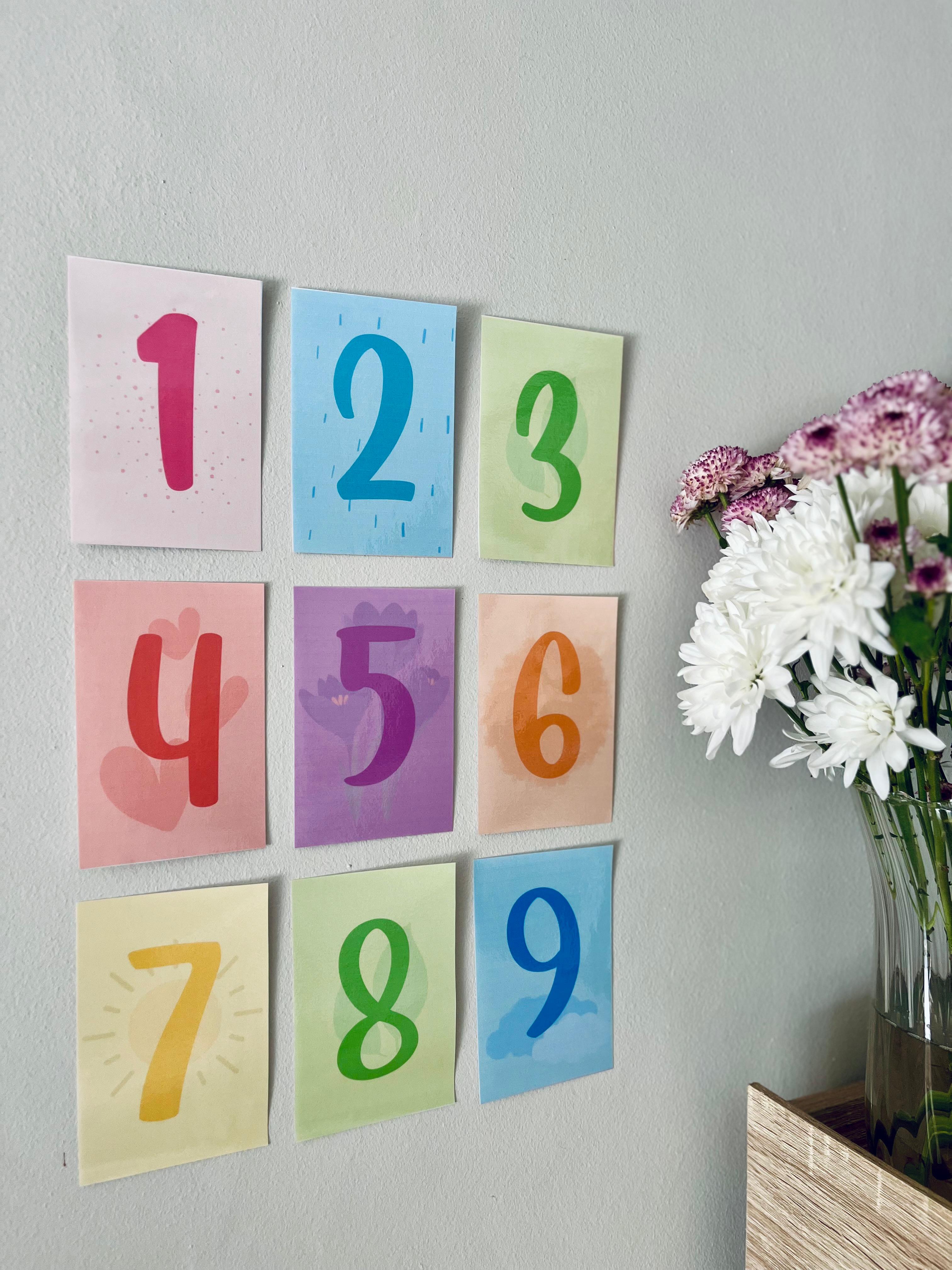
  • Educational resources and affordable printable activities
  • Therapy-based tools designed for learning through play
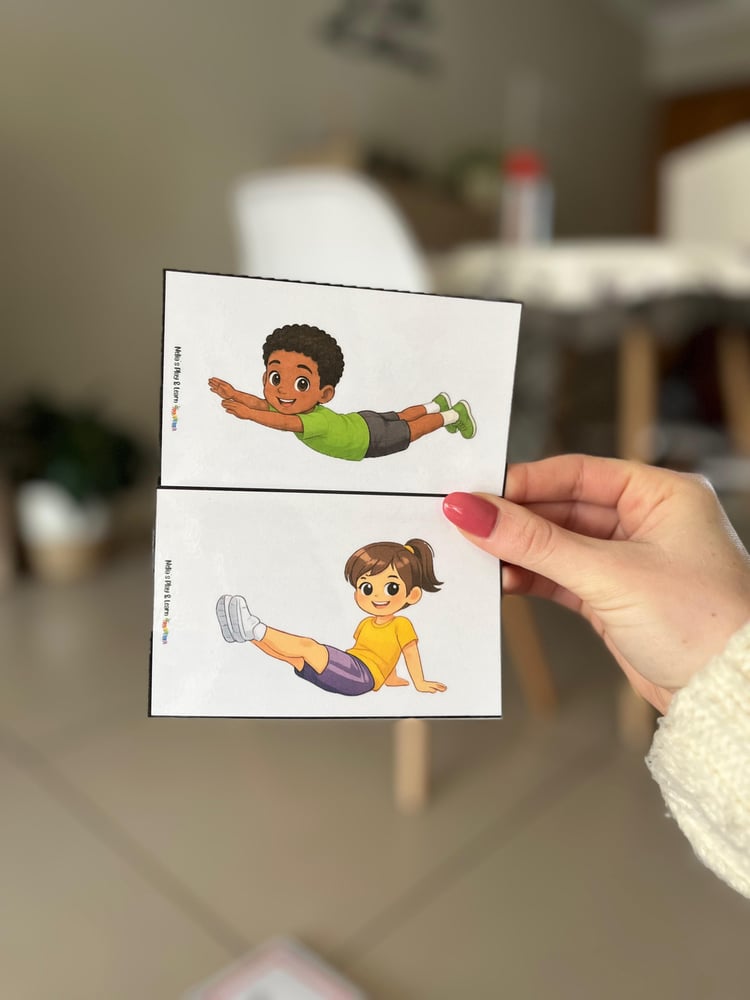
  • Activities that support motor coordination and visual perception
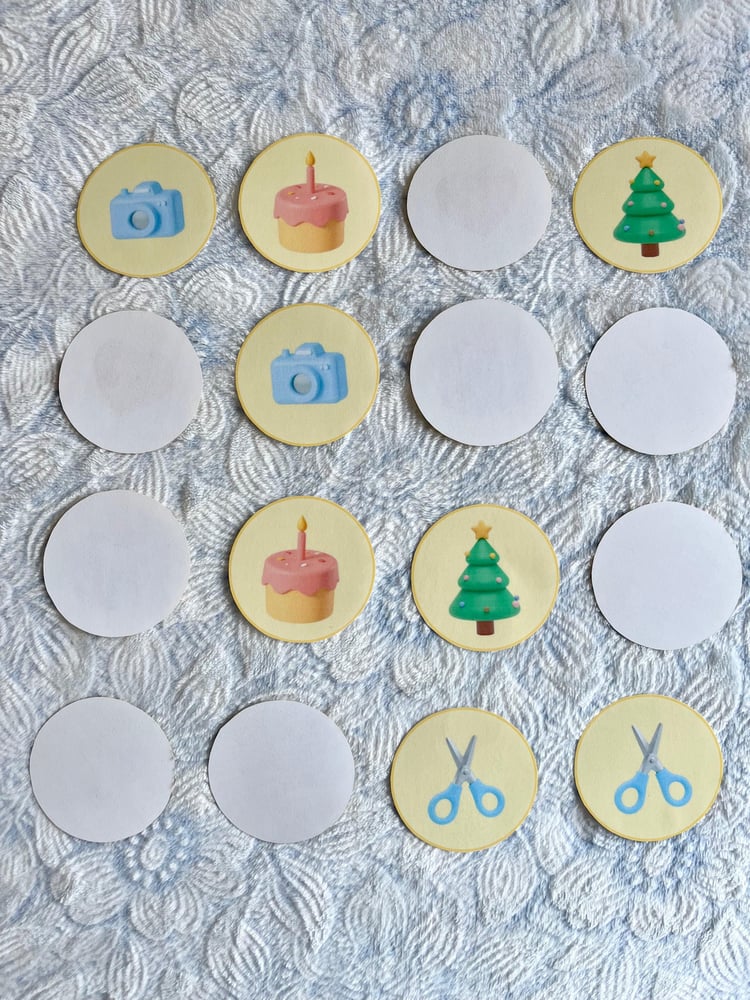
  • Resources that strengthen attention and early learning skills
  • Practical tools for parents, teachers, and therapists

My goal is to help children learn, grow, and thrive with confidence.

Subscribe to our newsletter

Get free activity ideas, child development tips, new blog posts, and be the first to know when new printable resources are released.

Interesting Facts

  • Bilateral integration is essential for classroom skills

    Using both sides of the body together (e.g. stabilising paper with one hand while writing with the other) supports handwriting, cutting, and reading fluency.

  • Core stability is the foundation for learning posture

    A strong core allows children to sit upright, maintain attention, and control fine motor tasks like writing and drawing without fatigue.

  • Motor planning (praxis) affects how children follow instructions

    If motor planning is weak, learners may understand instructions but struggle to organise their body to complete the task.


  • Rhythm helps build pattern recognition

    Clapping, tapping, and moving to a rhythm strengthen pattern recognition, sequencing, and timing skills that also support early maths and learning.

  • Vision is powerful, but it works together with movement

    Children don’t “see” in isolation — the brain constantly integrates visual input with balance, posture, and body awareness to make sense of the environment.

  • Balance supports concentration and learning

    Good balance is about more than standing on one foot. It helps children stay seated, focus in the classroom, coordinate their movements, and feel more confident during everyday activities.