
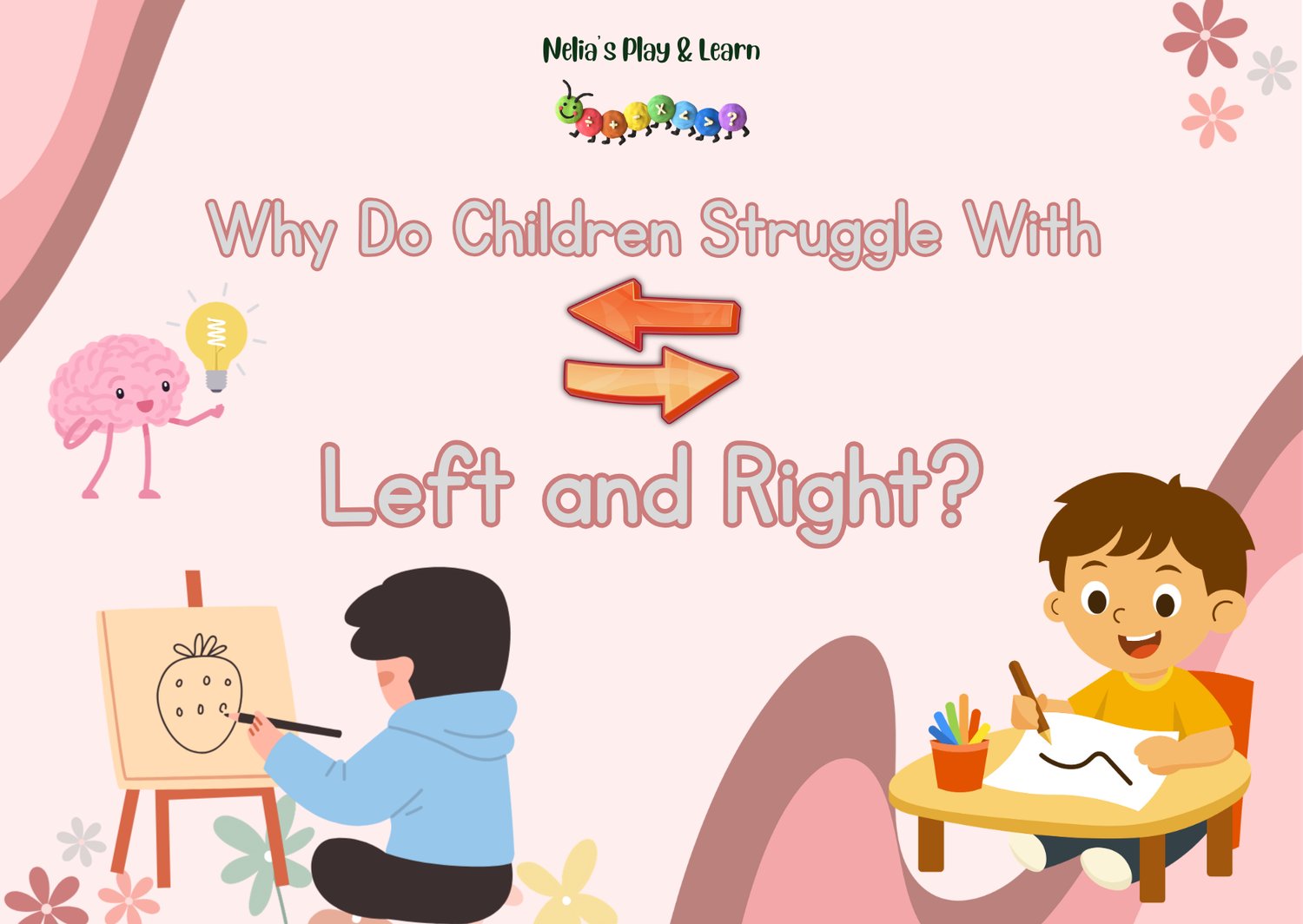
Have you ever asked a child to “raise your left hand” only to see them pause, look at both hands, and guess? For some children, telling left from right seems to come naturally. For others, it can be surprisingly difficult. This is not necessar...
Read More
We often talk about the five senses - seeing, hearing, smelling, tasting and touching. But did you know that your child also has a “hidden” sixth sense called proprioception? Proprioception helps your child understand where their body...
Read More
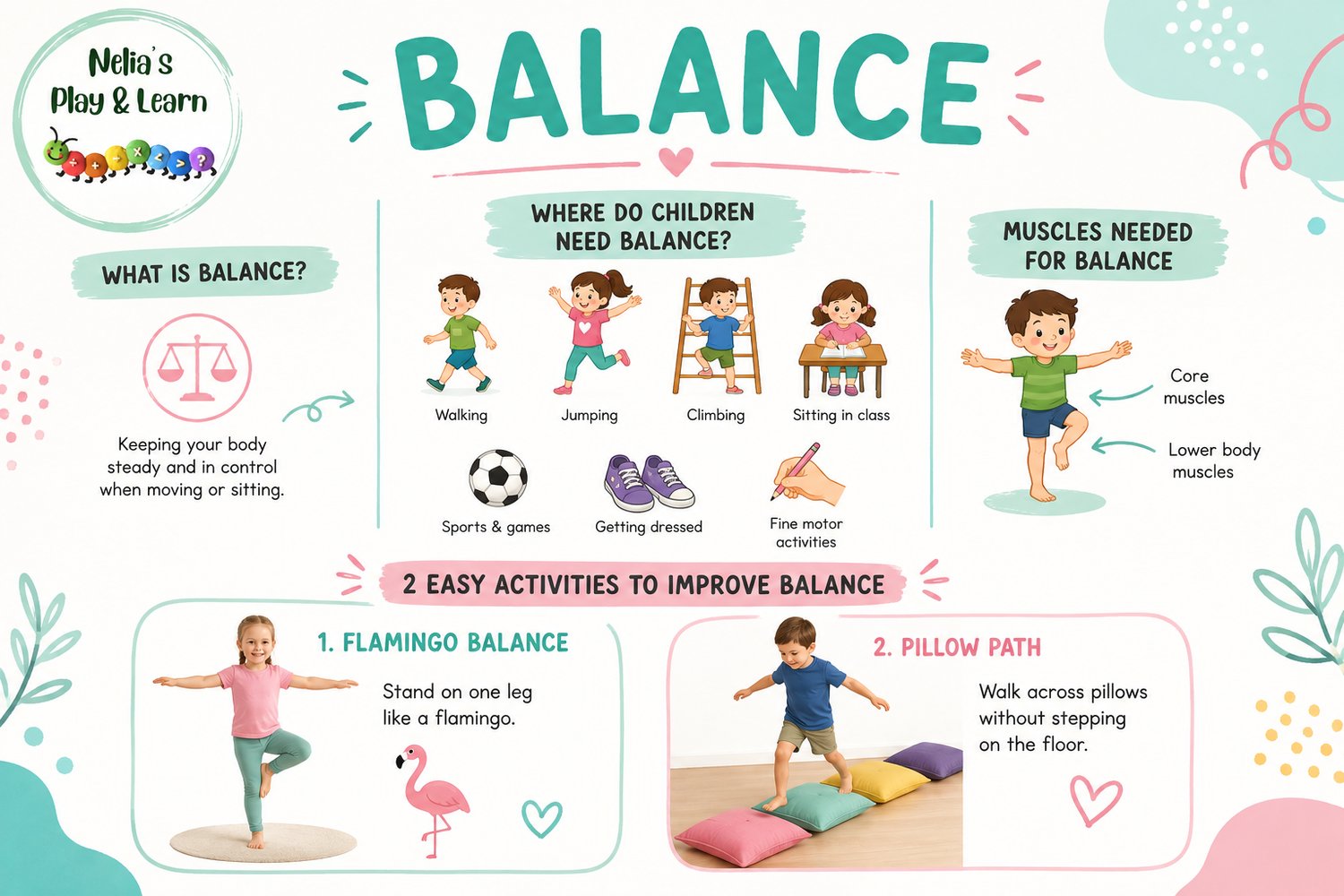
Balance is an important skill that children use every single day. It helps a child keep their body stable and controlled while they are standing, moving, or even sitting still. Good balance depends on the brain receiving and combining information fr...
Read More
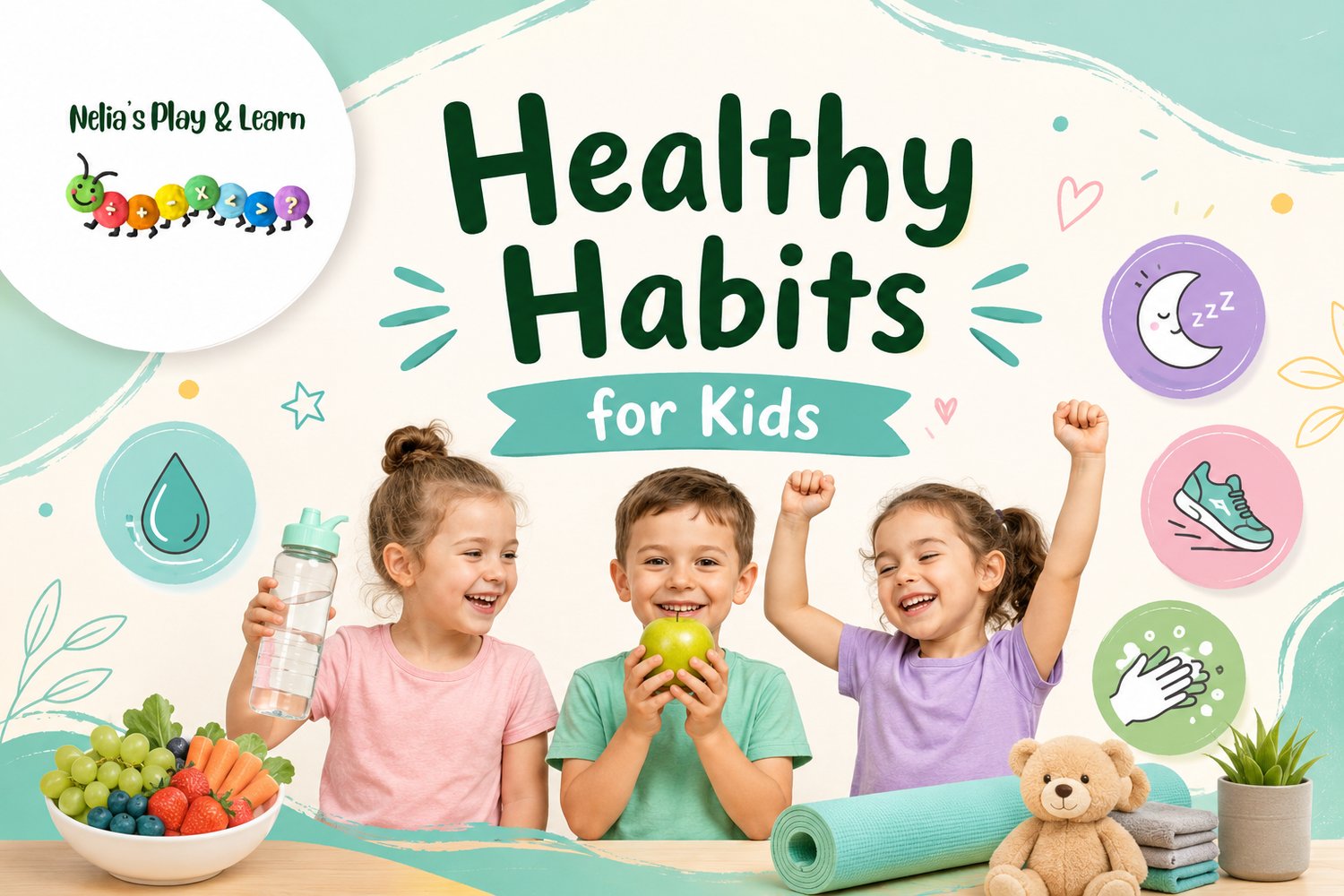
Healthy habits are not something children need to learn overnight. They develop through the small choices and routines that happen every day. From eating nutritious foods and getting enough sleep to moving their bodies and practising good hygiene, t...
Read More
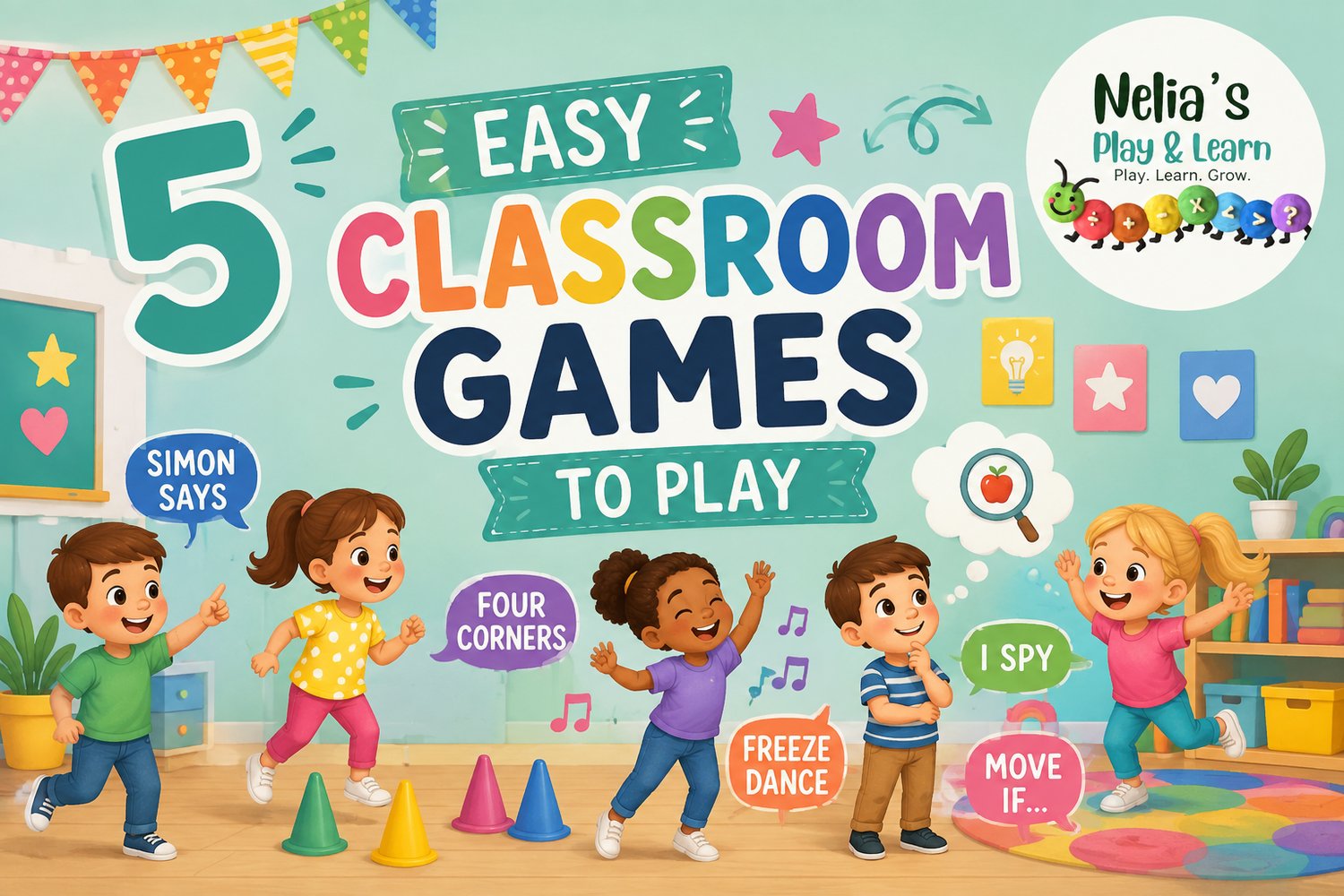
Introduction A short introduction about how learning doesn't always have to happen sitting at a desk. Games can make the classroom more engaging while still supporting learning and development. Why Should You Play Games With Your Class? We can expla...
Read More
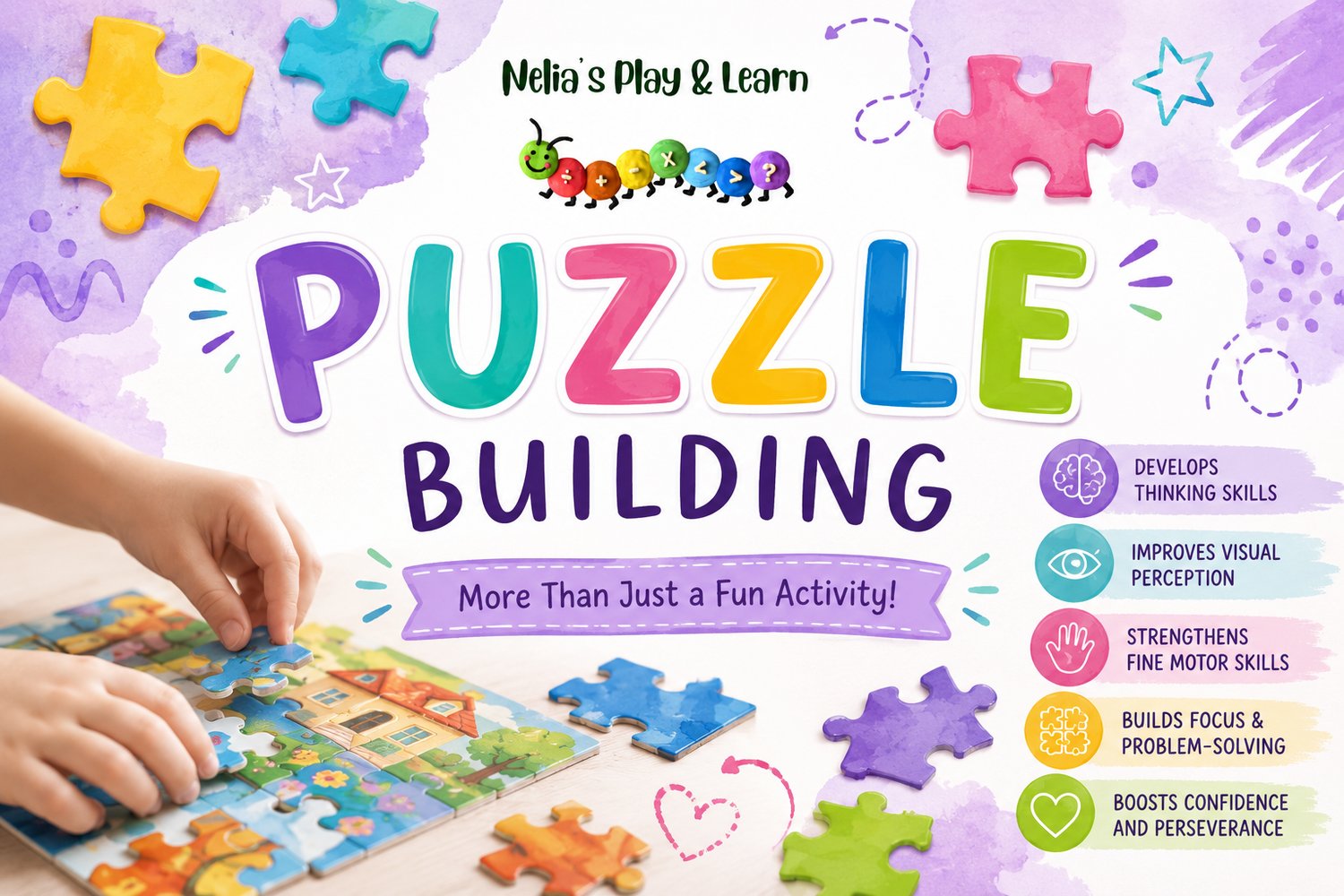
Puzzles are often seen as a simple way to keep children entertained, but there is much more happening when a child sits down to build a puzzle. For children aged 5–8 years, puzzle building can support a variety of skills that are important for ...
Read More
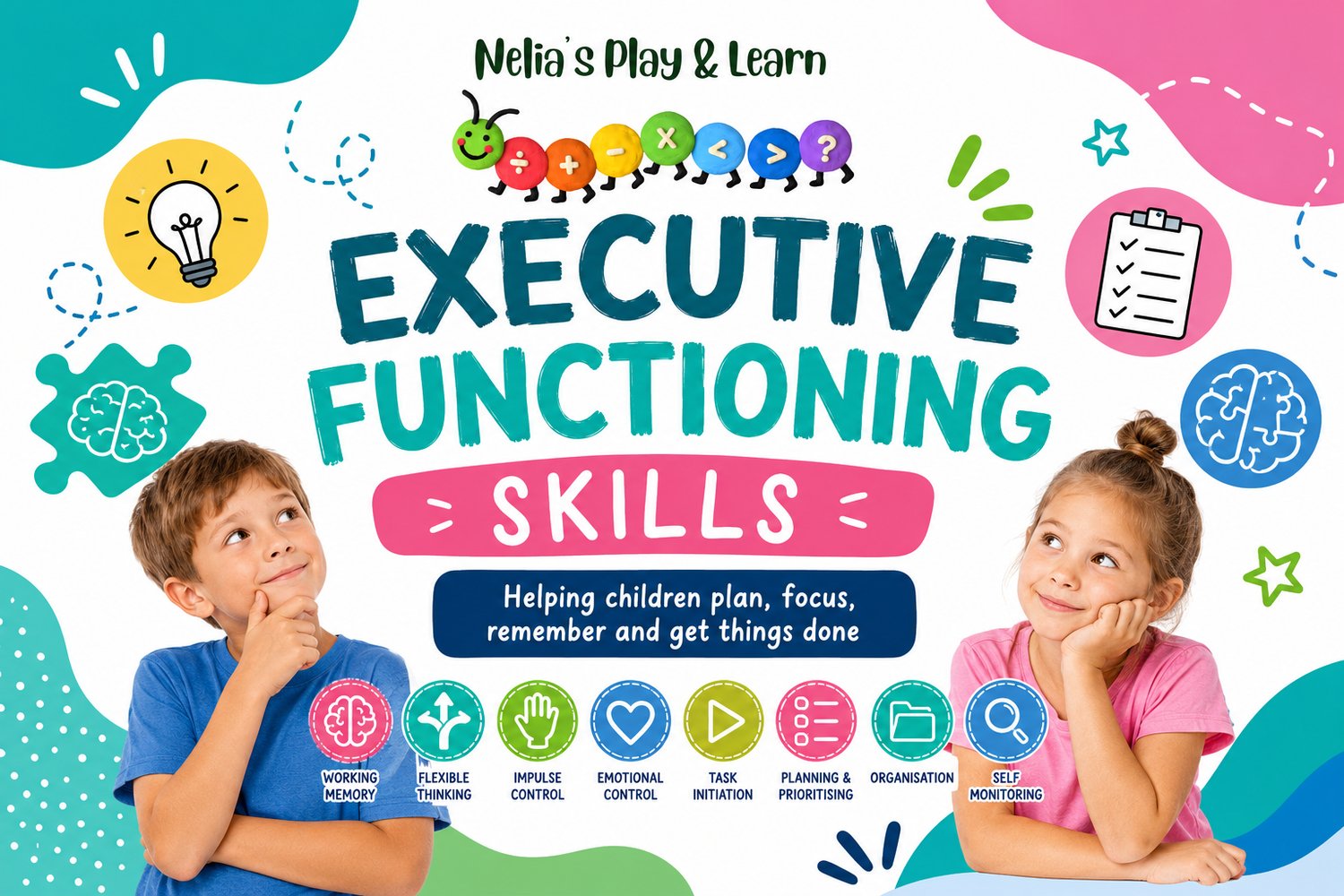
Helping Children Plan, Focus, Remember and Get Things Done What is Executive Functioning? Executive functioning is a set of mental skills that help children manage everyday tasks. These skills allow them to plan, pay attention, remember instructions...
Read More
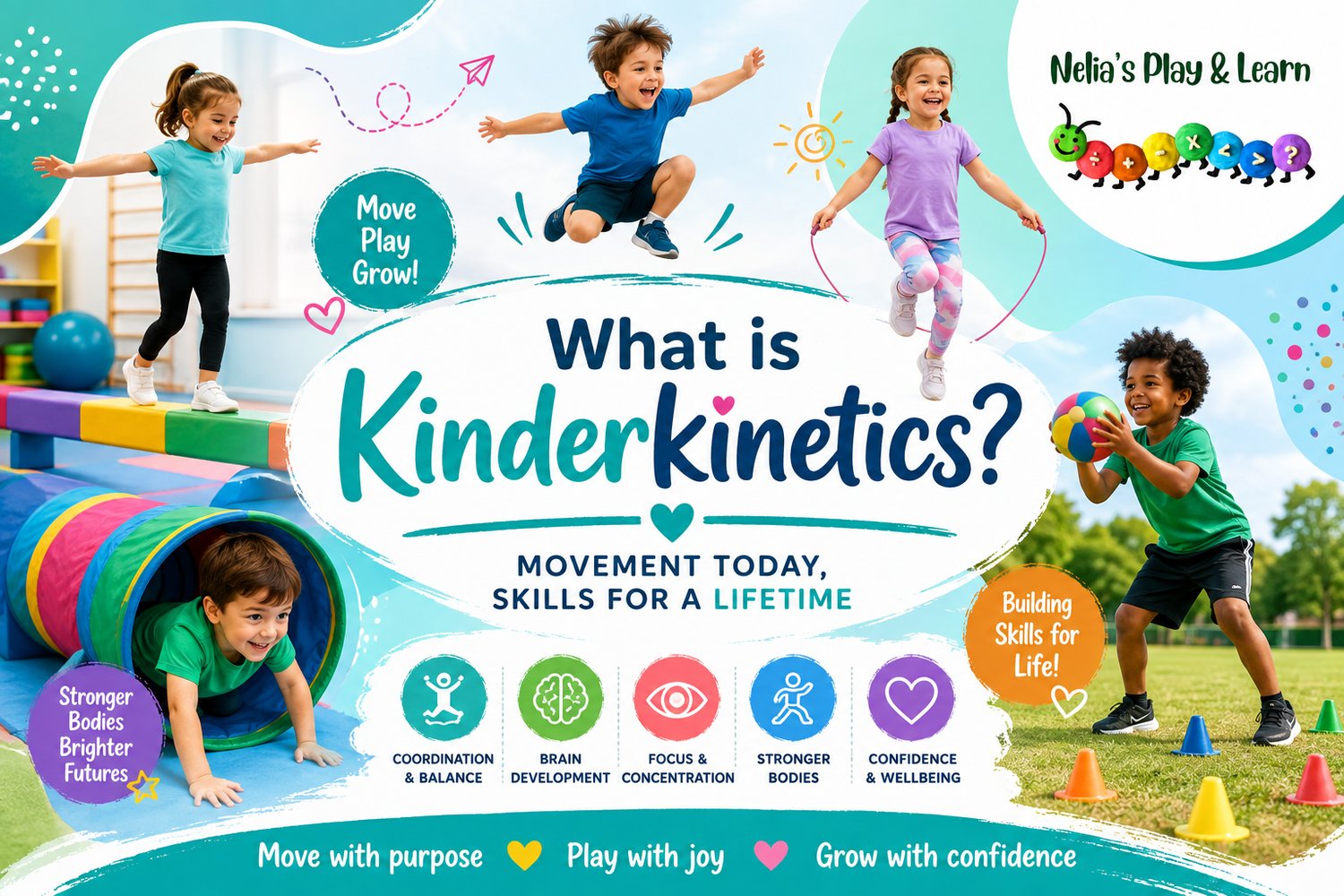
Movement is much more than exercise - it's one of the most important ways children learn about their bodies and the world around them. Kinderkinetics uses fun, age-appropriate activities to help children develop the movement skills that form the fou...
Read More
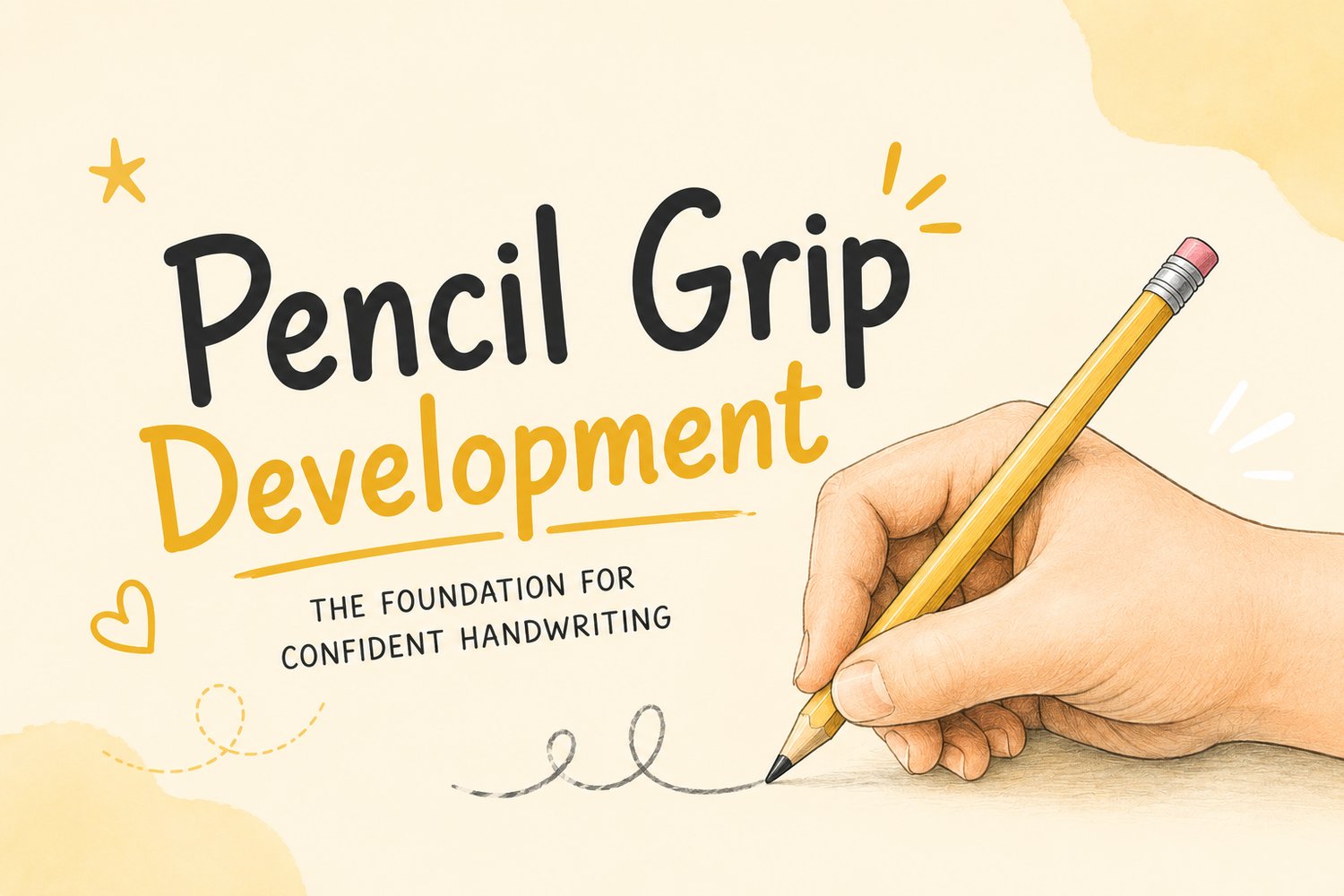
What Is Pencil Grip? Pencil grip refers to the way a child holds a pencil when drawing or writing. As children grow and develop stronger muscles and better coordination, their pencil grip naturally changes. Most children progress through several sta...
Read More
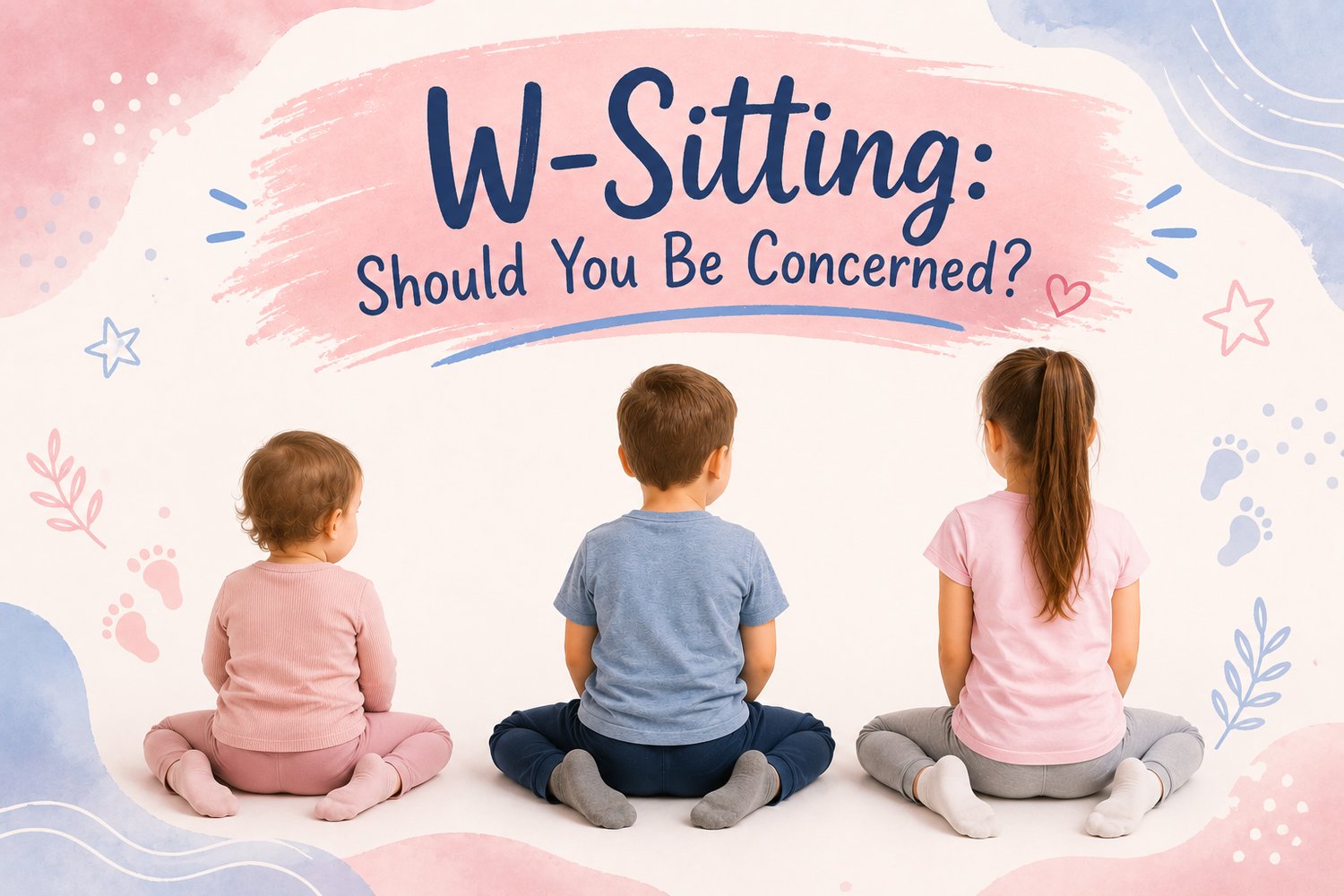
Have you ever noticed your child sitting on the floor with their knees bent and their feet pointing out to the sides? When viewed from above, their legs form the shape of the letter "W". This is known as W-sitting. Although many children f...
Read More
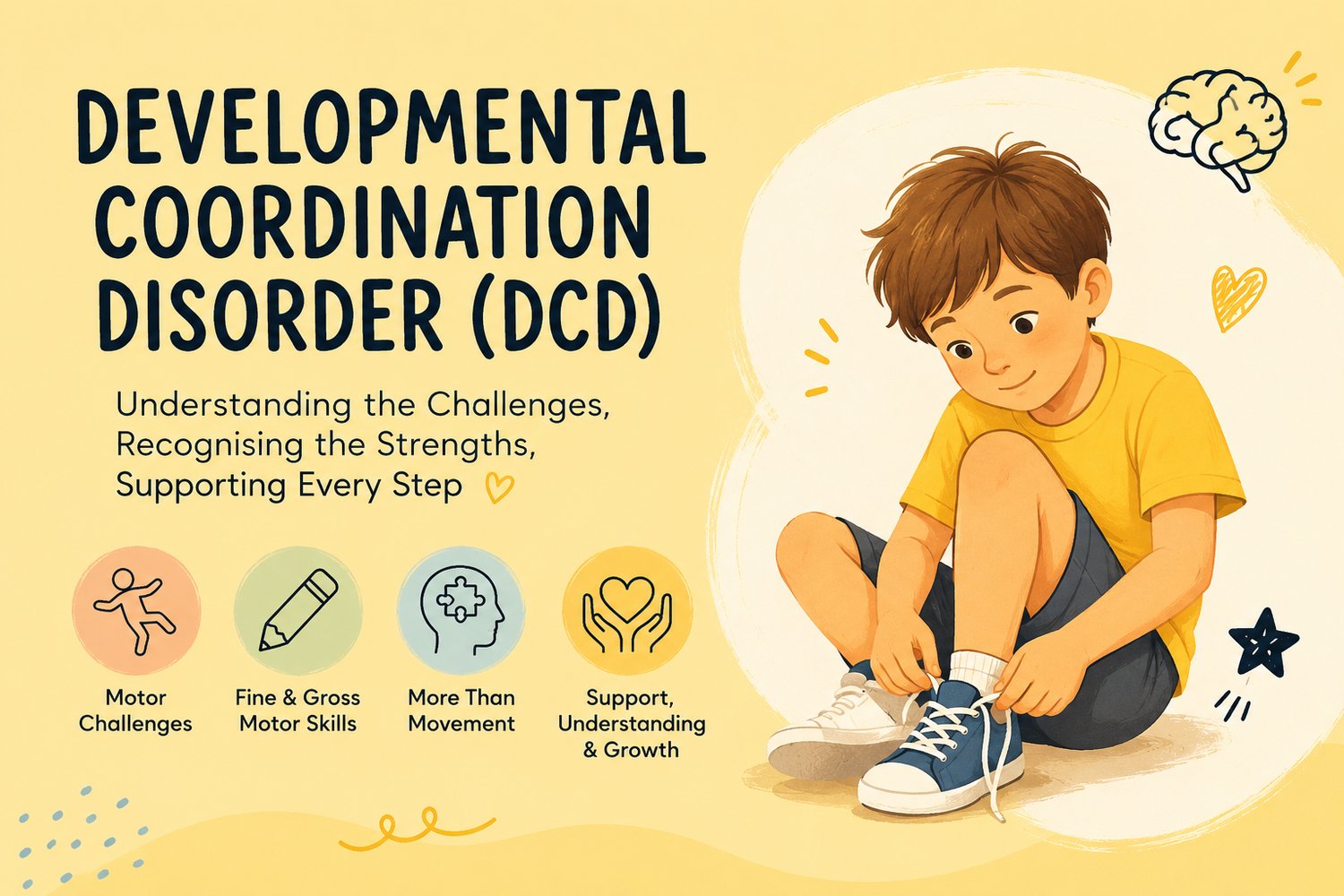
Have you ever noticed a child who seems to struggle with movements that appear easy for other children? They may trip often, struggle to learn new physical skills, find handwriting difficult, or need much more time and effort to get dressed, use sci...
Read More
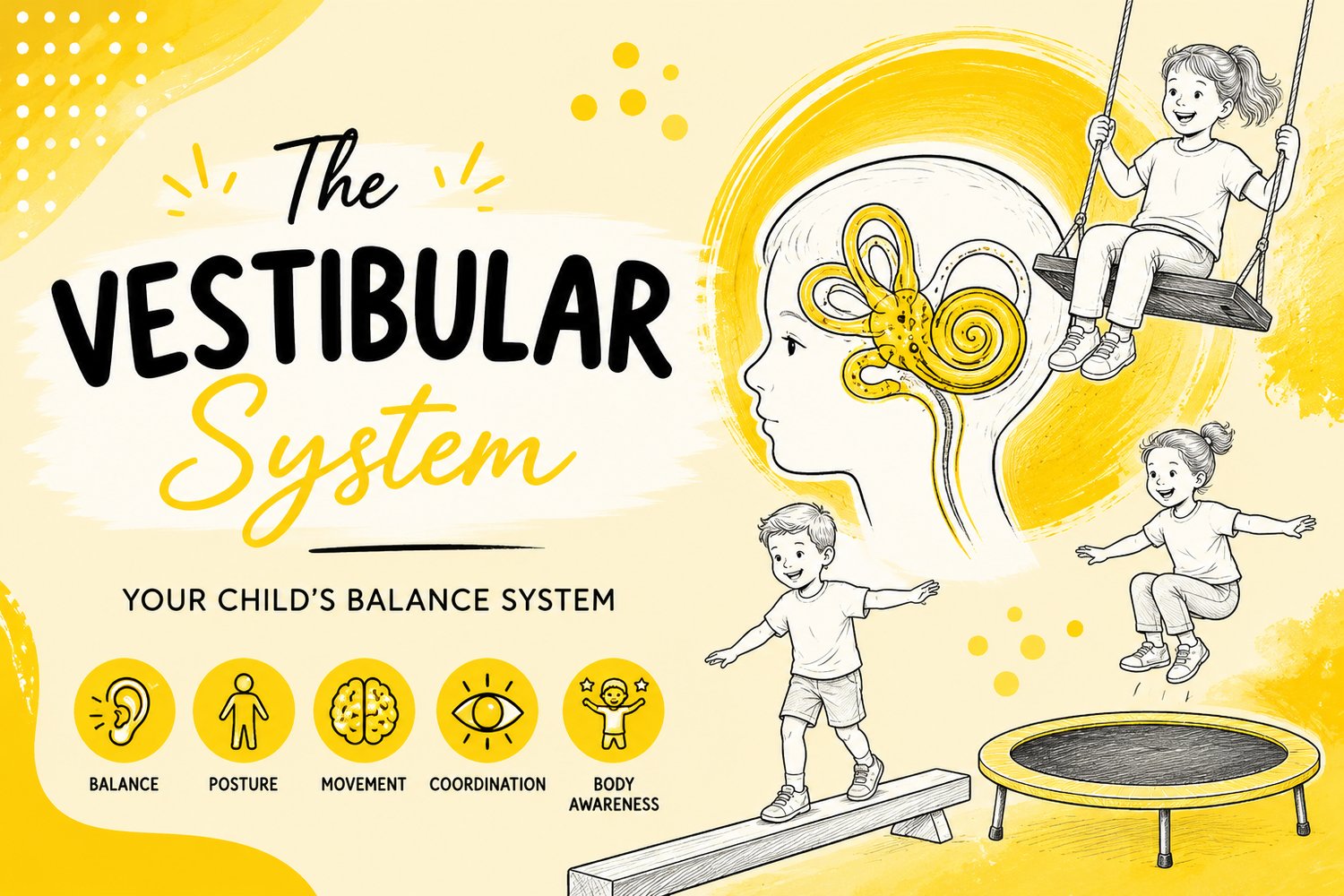
Have you ever wondered why children love swings, slides, climbing equipment, trampolines, and anything that makes them move? It is not just because these activities are fun! They provide important information to the brain through the vestibular...
Read More
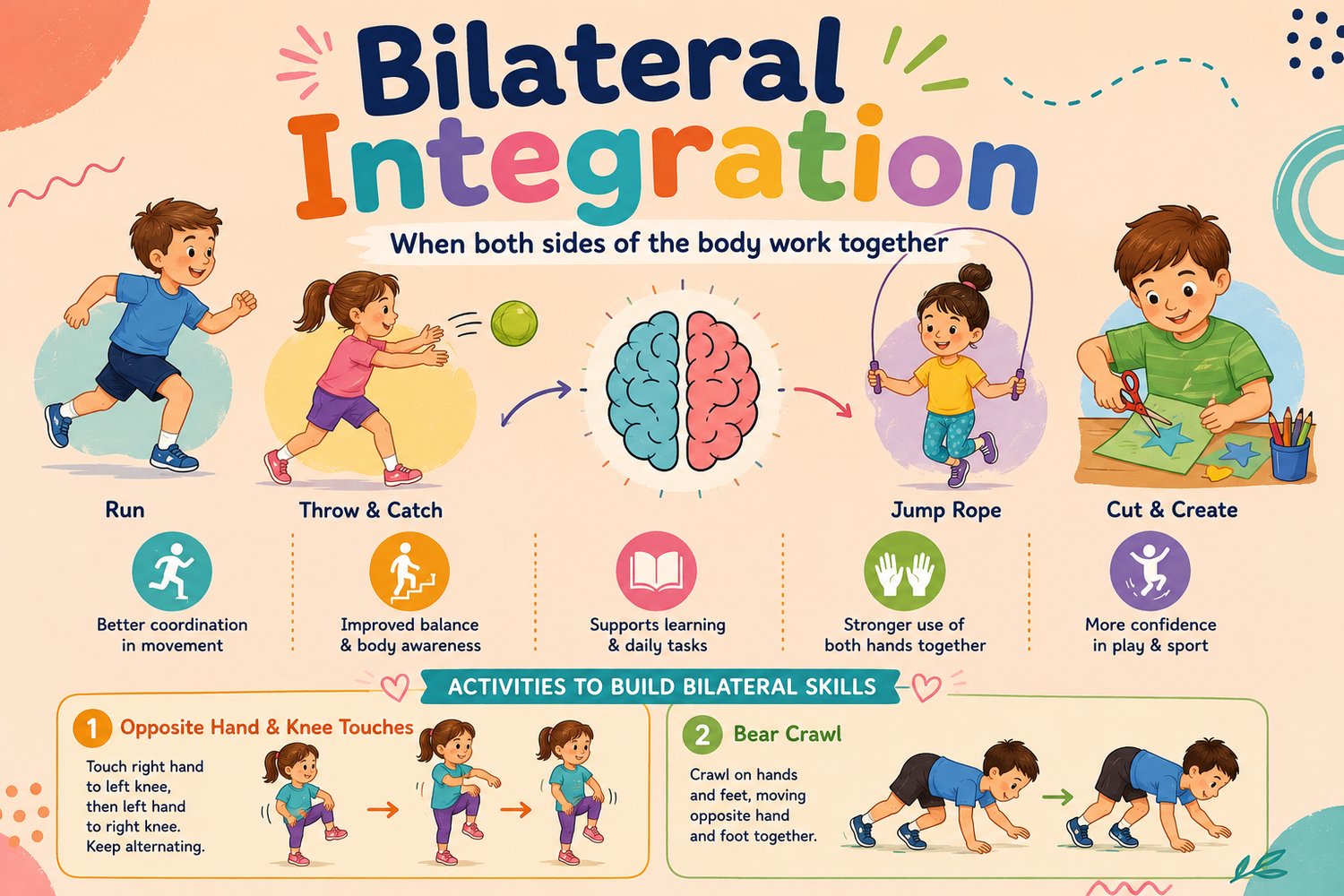
What Is Bilateral Integration? Bilateral integration is the ability to use both sides of your body together in a coordinated way. Our body has a left side and a right side, and many everyday activities require the two sides to work together. So...
Read More
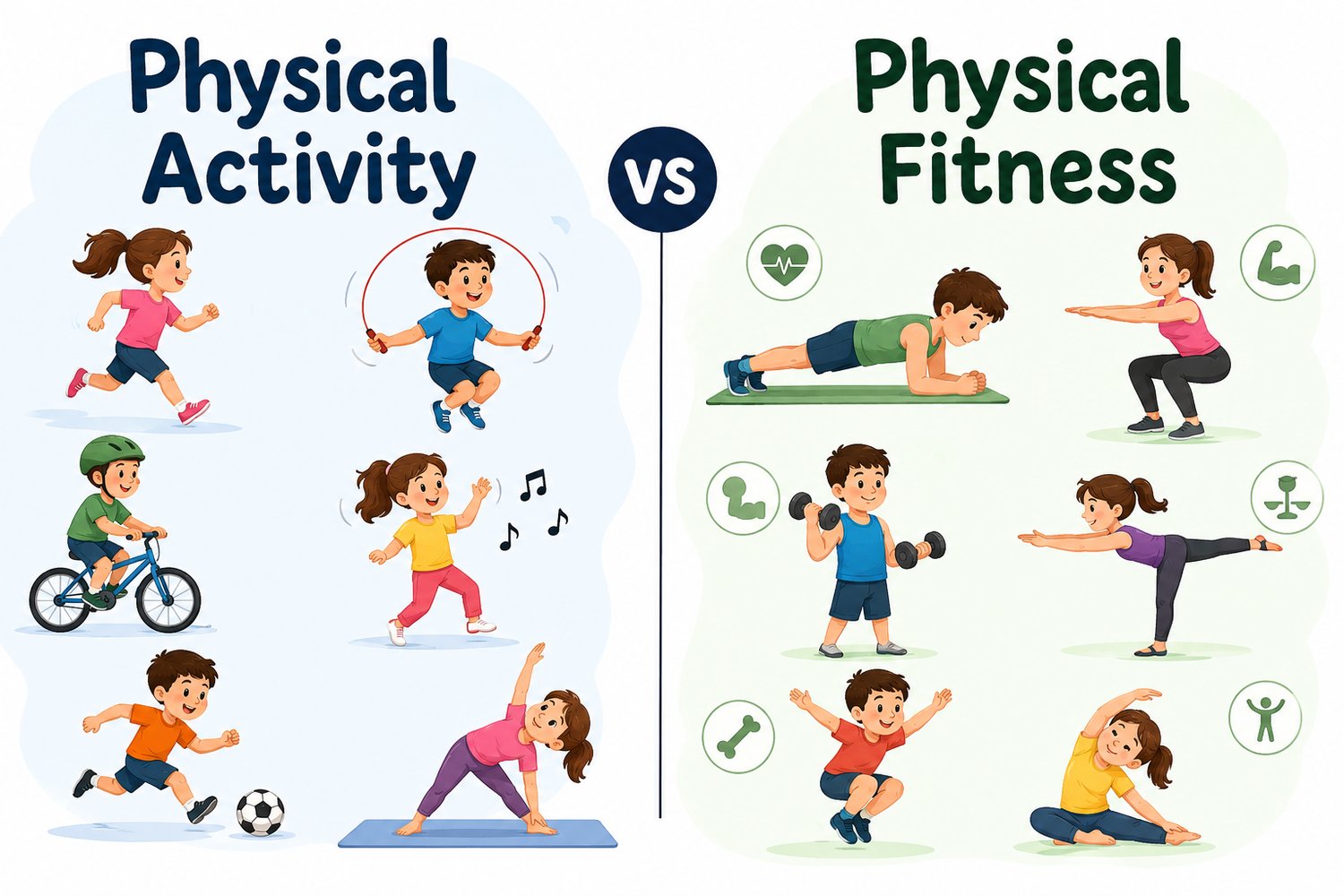
Children are naturally meant to move! Running, jumping, climbing, dancing, swimming and playing all provide opportunities for children to develop their bodies and brains. Physical activity and physical fitness are important parts of healthy childhoo...
Read More
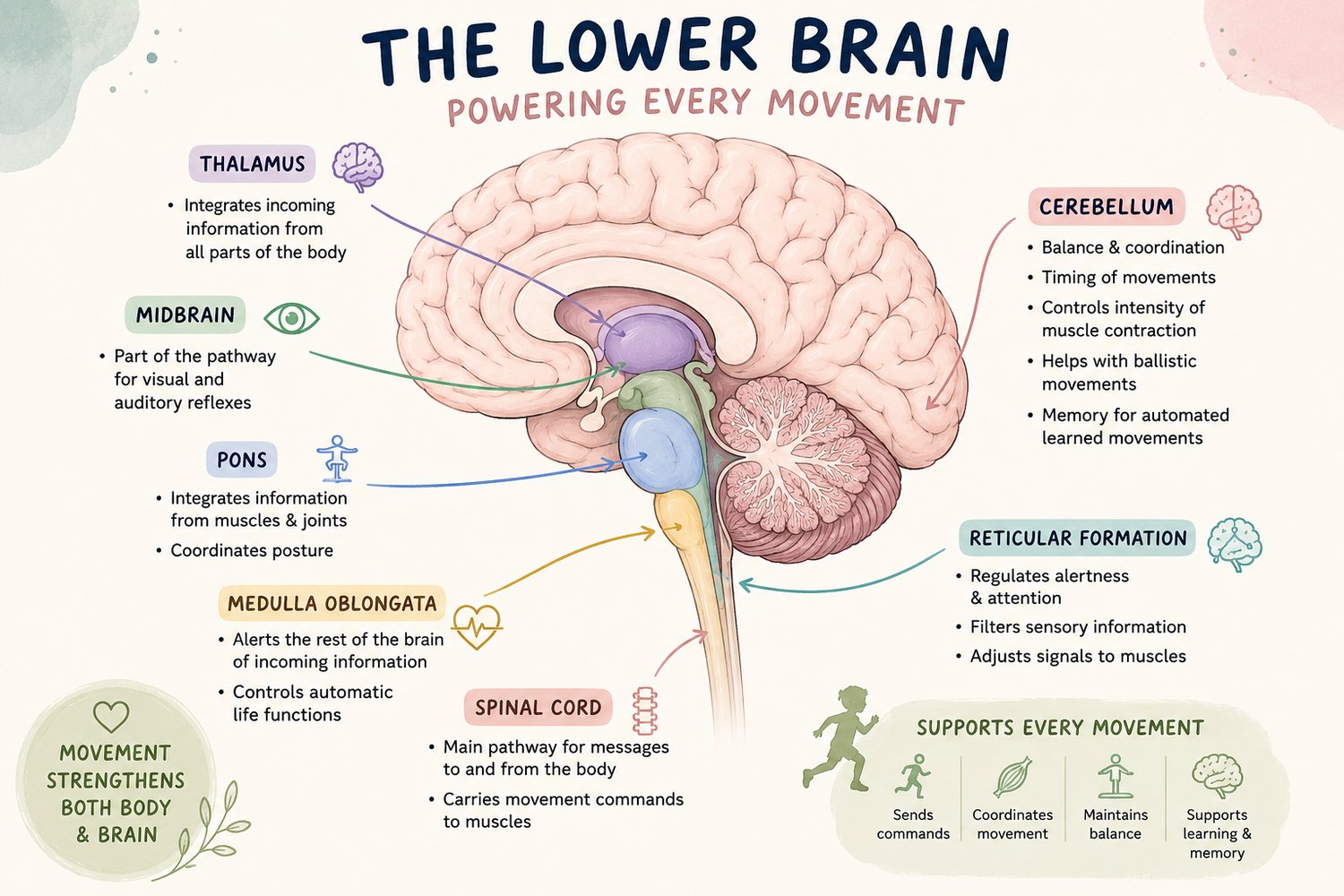
Have you ever wondered how your child can run, jump, catch a ball, or even stand on one leg without thinking about every tiny movement? While the thinking part of the brain often gets most of the attention, many of the most important jobs actually h...
Read More