
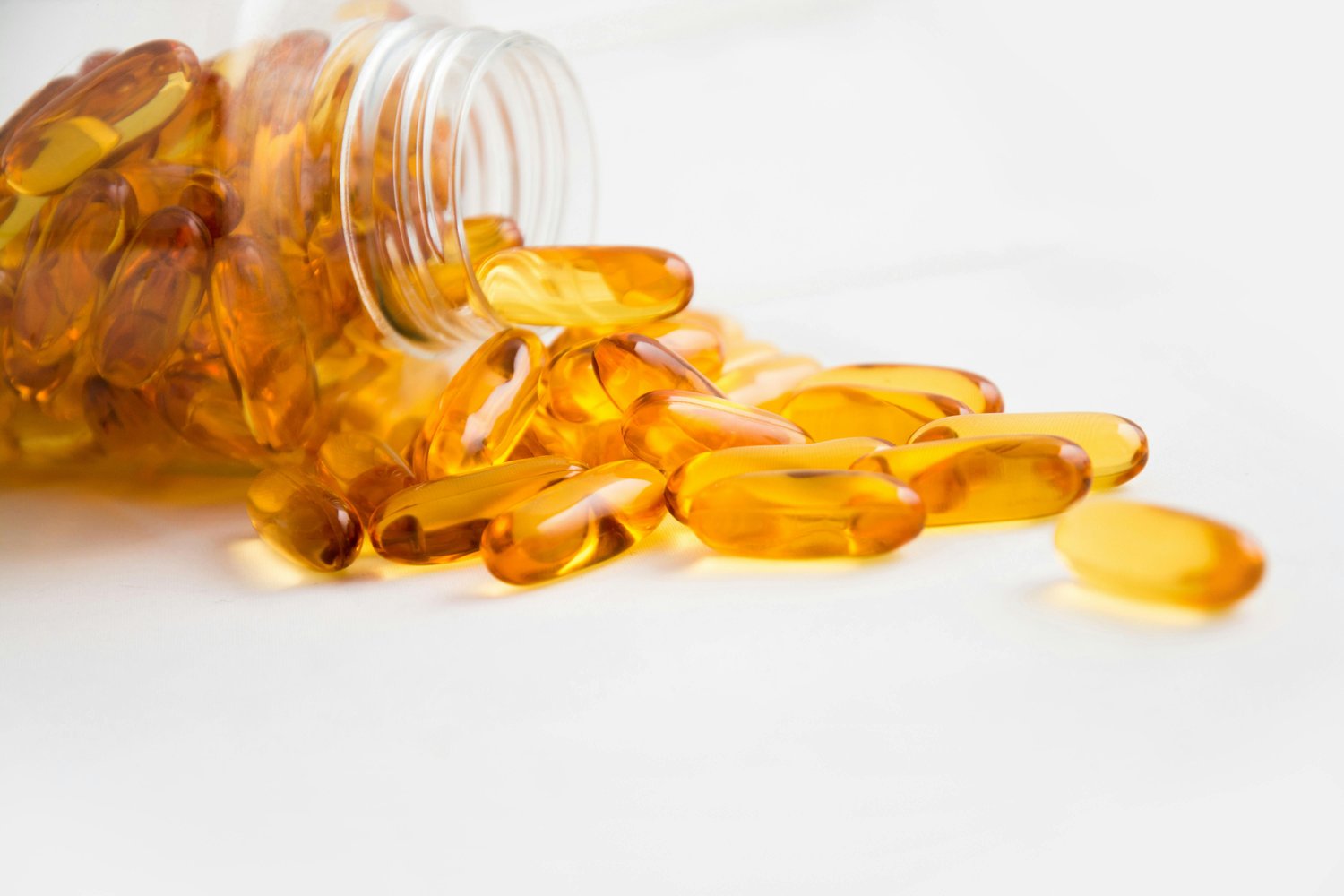
Supplements play a supportive role in managing PCOS symptoms, but it's essential to consult with a healthcare provider before adding any new supplements to your regimen.
This list is not exhaustive, however, these five options are typically recommended for PCOS. Bear in mind that managing PCOS is a personal journey - which means you may or may not need all the options listed below:
Inositol
Inositol is a type of B vitamin that has shown promise in improving insulin sensitivity and regulating menstrual cycles in people with PCOS. It comes in two forms, Myo-inositol and D-chiro-inositol, and some women find that the combination of both works best.
Vitamin D
Many women with PCOS have lower vitamin D levels. Vitamin D supplements may help with immune health, energy levels, mood regulation, insulin sensitivity, and overall well-being. Get tests done to determine if you are deficient.
Omega-3 Fatty Acids
Omega-3 fatty acids, typically found in fish oil supplements, can help reduce inflammation and improve heart health. They may also assist in managing elevated androgen levels associated with PCOS.
Berberine
Berberine is a compound found in certain plants, and it has shown promise in managing insulin resistance and improving glucose metabolism in people with PCOS.
Zinc
Zinc is an essential mineral that supports various bodily functions, including hormone regulation. Some individuals with PCOS may have lower zinc levels, so supplementation may be helpful. Zinc is also useful for treating acne, which is a common symptom for women with PCOS.
Magnesium Glycinate
Magnesium is involved in insulin action and may help improve insulin sensitivity. It can also support relaxation and reduce stress.
Remember that your response to supplements might vary, and it's crucial to work closely with a healthcare provider to determine the right supplements for your specific needs and monitor your progress. Additionally, supplements should be used as part of a comprehensive PCOS management plan, which may include lifestyle changes, medication, and regular medical check-ups.
Comments ()