
About Me
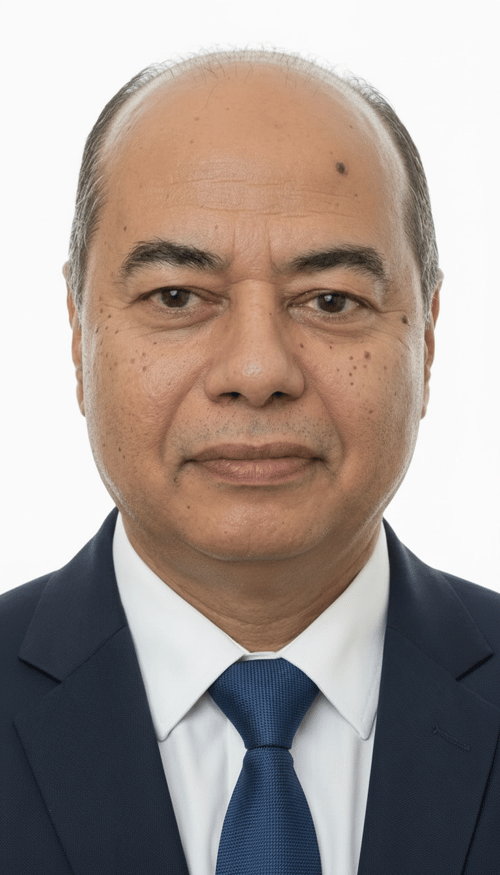
Professor Haytham Shebel, MD, EDiUR is a Professor of Radiology in Urology Center, Mansoura University in Egypt with a distinguished career built at the intersection of clinical excellence, academic leadership, and a genuine passion for teaching. His work has been consistently oriented toward advancing the standards of urogenital imaging in Egypt and the broader region a highly specialized field demanding both diagnostic precision and a thorough understanding of complex anatomical and pathological nuances. Professor Shebel’s scholarly contributions have earned him recognition on the international stage, with affiliations across multiple Western radiology societies. As a member of the European Society of Radiology (ESR), he serves as a Scientific Editorial Board Member of European Radiology the Society’s highest-ranked journal within the urogenital imaging section. He also serves as Associate Editor of the Egyptian Journal of Radiology and Nuclear Medicine, a Springer Nature publication, and as a peer reviewer for numerous high-ranking international radiology journals.
He holds a Biomedical Research Certification from Harvard Medical School, a testament to his commitment to rigorous scientific inquiry and evidence-based practice.He also holds the European Diploma in Urogenital Radiology (2019) an internationally recognised qualification that representing the highest standard of the subsepciality expertise in the field.
A dedicated educator at heart, Professor Shebel was recently nominated by the Royal College of Radiologists to serve as a Resource Author, guiding the development of the Society’s official digital teaching platform for the urogenital imaging section a project that speaks directly to his belief that high-quality radiology education should be accessible, innovative, and future-ready. His scholarly interests have increasingly embraced the transformative potential of artificial intelligence in radiology and its application in education and research an area he views not as a disruption to the field, but as a powerful tool to enhance diagnostic accuracy and improve patient outcomes. Professor Shebel’s career is defined by a rare combination: the analytical rigor of a researcher, the clarity of an experienced educator, and the curiosity of someone who has never stopped learning.