


The self-help industry needs you to stay unfinished. This book doesn’t.
I didn’t set out to write a personal development book.
I set out to understand how to get my life back.
After suffering a stroke, I found myself facing a future that looked nothing like the one I’d imagined. I was told I’d need to learn to live with diminished capacity. That there were limitations I would simply have to accept. And while I understood the medical realities of what had happened to me, I couldn’t stop asking one question:
What if that wasn’t the whole story?
That question sent me down a rabbit hole of neuroscience, neuroplasticity, behavioral science, and the extraordinary ways our brains learn, adapt, and change. What began as an intensely personal investigation into recovery eventually became a much larger exploration of why we do what we do, how our daily rituals shape our identities, and why so much of what we’ve been taught about changing our lives misses the point entirely.
The 2190 Theory grew out of that realization. Not as another promise to fix everything in 21 days, or reinvent yourself in 90, but as an invitation to understand yourself, question your limitations, and discover what might be possible when you stop chasing some imaginary better version of yourself and start finding your way back to who you’ve always been. Somewhere along the way, I realized that the ultimate goal of personal development shouldn’t be spending the rest of our lives in a neverending churn working on ourselves. It should be reaching a place where we finally give ourselves permission to live. Wholly. Freely. Blissfully.
What you’ll take with you:
- A new understanding of why change hasn’t stuck. Hint: it was never about willpower. You’ll learn how your brain runs on autopilot, and how to rewrite the patterns you’ve already outgrown.
- Permission to let go. Of the people, habits and beliefs that keep you small, and of the guilt that comes with releasing them.
- Small rituals that actually last, built to work with real life, real stress and brains that don’t do rigid routines, including neurodivergent ones.
- A gentler, longer view of growth, where the rituals you once had to force become the rhythm you simply live by.
- The science behind it all, in plain language, so you understand not just what to do, but why it works.
Preorder The 2190 Theory: Finding Bliss in Habitual Rituals in paperback or hardcover today. Purchase links at the top of this page.
About the Author
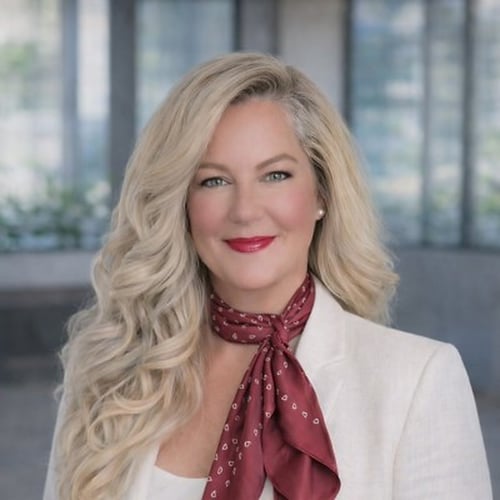
Ellisia Jesnes is an author, consultant and stroke survivor who has spent more than two decades helping people change the way they work, and the last few years learning how to change the way she lives. She has trained leaders at organizations like Gulfstream, Rolls-Royce and the U.S. Marine Corps, raised a son on her own, and driven coast to coast solo more times than she can count. When a stroke came with the advice to accept “living with diminished capacity,” she declined, dug into neuroscience coursework from Harvard, and found her way back to herself through the science of small, sacred rituals. Along the way, she started asking a bigger question: at what point do we stop working on ourselves long enough to actually enjoy being alive? The 2190 Theory is her answer. She lives in Savannah, Georgia, and prefers boarding passes to permission slips.
Subscribe to The 2190 Theory's Newsletter
Get notified when new cohorts start, and stay connected with our community!