Frequently Asked Questions
1. What is U.S. federal government contracting?
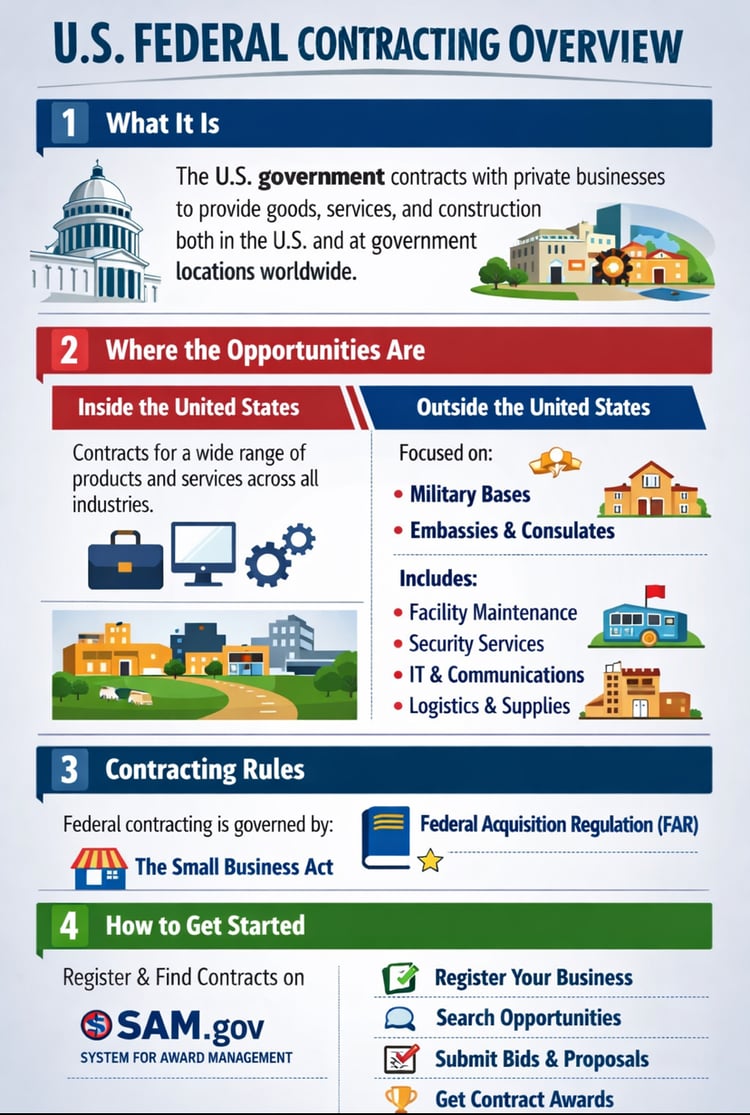
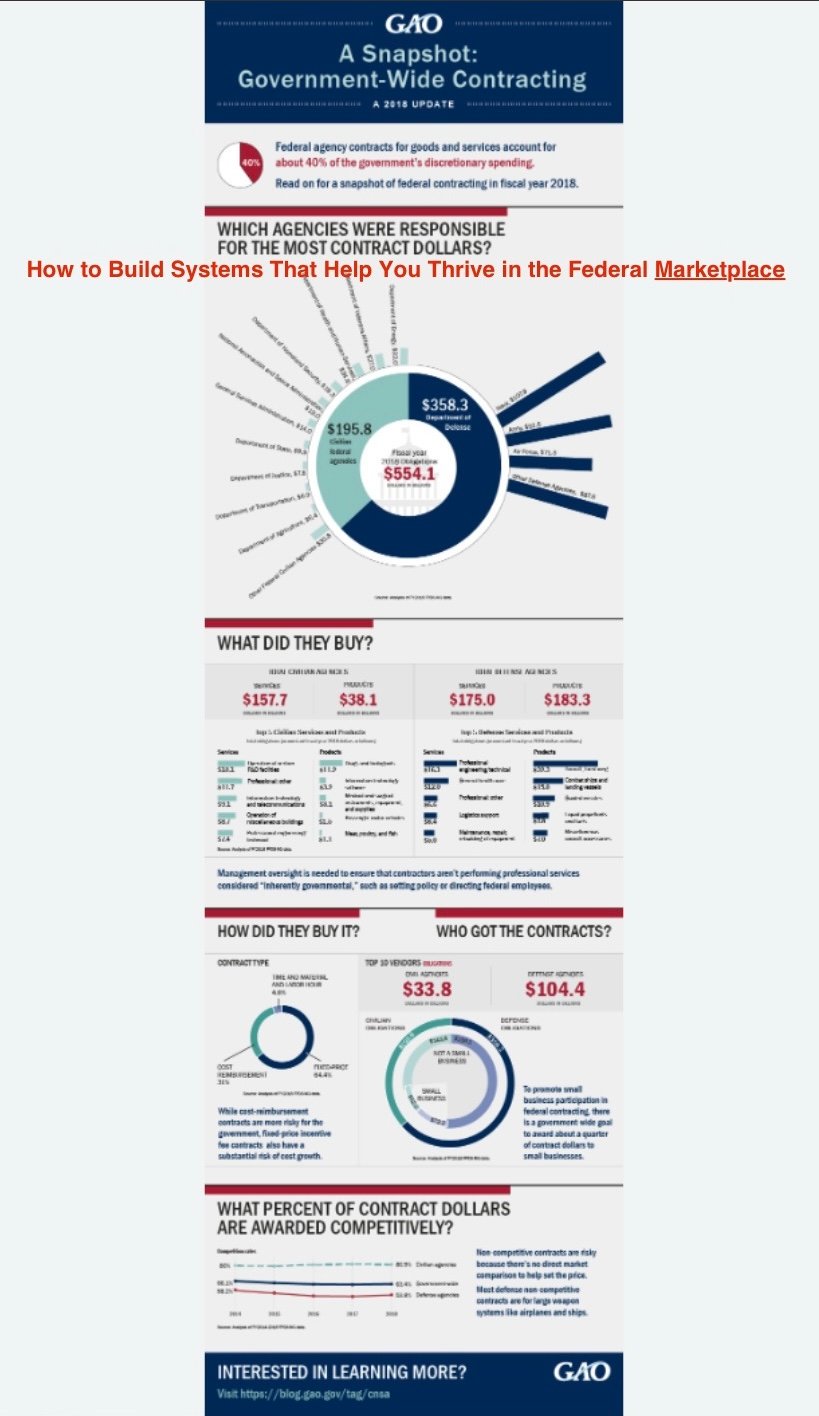
U.S. federal government contracting — also known as U.S. federal procurement, U.S. Business‑to‑Government (B2G) sales, U.S. public sector contracting, and U.S. federal acquisition — is the process the U.S. government uses to buy goods and services from private businesses.
It is the largest, most transparent buying system in the world, with opportunities available to U.S. and non‑U.S. companies across nearly every industry.
2. What is the Federal Acquisition Regulation (FAR)?
The Federal Acquisition Regulation (FAR) is a regulation — a legally binding instrument — that governs how the U.S. federal government buys from private businesses.
It functions like a rulebook because it sets the policies, procedures, and requirements federal agencies must follow, but it is not a “rulebook” in the casual sense. It is a formal legal framework.
Most agencies also issue their own FAR supplements, which add agency‑specific acquisition rules. Examples include:
• DFARS – Department of Defense
• DOSAR – Department of State
• GSAM – General Services Administration
Understanding the FAR helps businesses know what to expect when competing for U.S. government contracts.
3. Do I have to be a U.S. citizen or physically be in the United States to participate?
No.
You do not need to be a U.S. citizen, U.S. resident, or physically located in the United States to compete for many U.S. federal contracts.
Foreign individuals and foreign‑owned companies regularly participate in — and win — U.S. government contracts, especially for work performed outside the United States.
4. Do I need to have a company, and does it need to be based in the United States?
No.
You do not need to have a corporation or LLC to respond to many early‑stage notices (such as Sources Sought or RFIs).
And even if you do have a company, it does not need to be based in the United States to win U.S. government contracts.
Many foreign companies win multi‑year U.S. government contracts performed in their own
country.
5. What types of U.S. government contracts can foreign companies win?
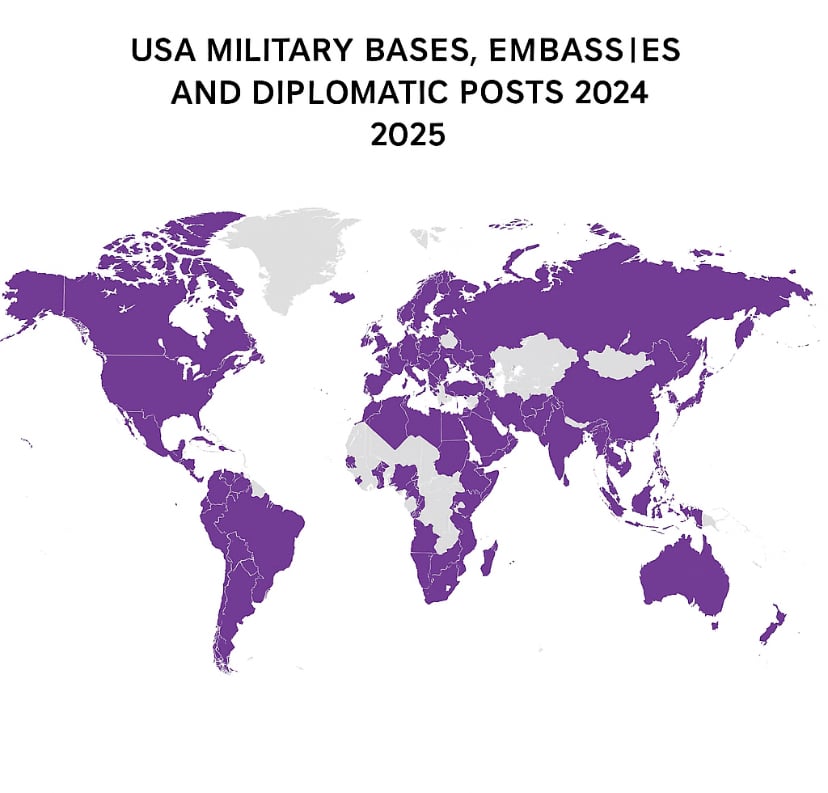
The U.S. government operates embassies, consulates, and military bases in over 170 countries, and these facilities regularly buy goods and services from local businesses.
These contracts are often multi‑year (up to 5 years) and paid in U.S. dollars, while the work is performed locally.
Below is a general overview of the types of contracts commonly available — ordered to begin with professional services, followed by sports & recreation, and then trades & maintenance.
Professional services (commonly purchased internationally):
• Health insurance brokerage and advisory
• Auto insurance brokerage and advisory
• Tax consulting, payroll tax services, and compliance support
• Financial advisory and audit‑adjacent services
• Training, workshops, and professional development
Sports, recreation, and community services:
• Sports officiating
• Coaching and youth programs
• Fitness and recreation support services
Trades, maintenance, and facilities support:
• Janitorial and cleaning services
• Landscaping and groundskeeping
• HVAC, electrical, and plumbing services
• Construction and renovation
• Generator maintenance and fuel supply
• Vehicle maintenance and repair
• Catering and food supply
• Office supplies and furniture
• IT equipment and basic IT support
Foreign companies can compete for — and win — many of these opportunities.
6. What is SAM.gov and why is it important?
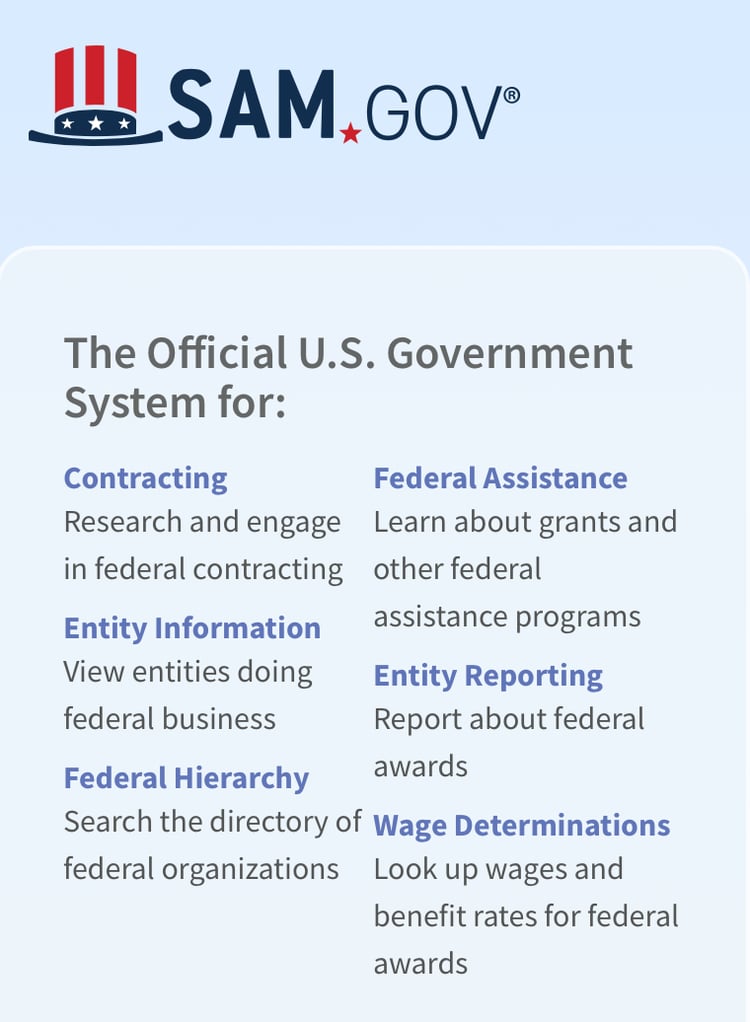
SAM.gov is the U.S. government’s official system for managing federal acquisitions. It serves two major functions:
1. Registration System
Businesses must be registered in SAM.gov to:
• Submit bids and proposals
• Receive contract awards
• Receive payments
• Respond to many market research notices
Even early notices — such as Sources Sought, RFIs, and many Presolicitations — often require SAM.gov registration to respond.
2. Public Posting Platform
Federal agencies must post contract opportunities above $25,000 on SAM.gov.
This includes:
• Contract opportunities
• Presolicitations
• Sources Sought notices
• Award notices
• Agency forecasts
7. Why do businesses need help registering for SAM.gov if registration is free?
SAM.gov registration is free, but it is detailed and unfamiliar for many businesses.
Common challenges include:
• Providing correct identity, tax, and banking information
• Completing NCAGE/CAGE steps for foreign entities
• Uploading the right supporting documents
• Understanding the sequence of registration steps
Like any specialized system, SAM.gov uses abbreviations, terms of art, and procurement‑specific language that can make the process feel more complex when you are new to it.
The registration also includes certifications and representations with legal implications. It is important to understand what you are certifying at the time you register, because those certifications may be relevant when you win a contract.
Registration timelines vary — some businesses complete it in hours, others in days, and some in weeks or months, depending on their specific circumstances and documentation.
8. What are NAICS and PSC codes?
NAICS (industry codes) and PSC (product/service codes) classify what your business sells.
Choosing the correct codes ensures you appear in the right searches and are matched with the right opportunities.
9. What is a Sources Sought or Request for Information (RFI)?
These are early‑stage notices where the government asks businesses to express interest or provide capability information.
Responding helps agencies understand the market and can influence how the final opportunity is structured.
10. What is the “Rule of Two”?
The Rule of Two requires federal agencies to set aside certain contracts for small businesses when:
• At least two qualified small businesses can perform the work, and
• The government expects fair and reasonable pricing
This rule creates significant opportunities for small businesses.
11. Can a small or home‑based business compete for U.S. federal contracts?
Yes — but not because contracts are “set aside” for home‑based or one‑person businesses.
Instead, the U.S. government’s definition of small business does not require:
• A minimum number of employees
• A minimum revenue level
• A commercial office
• A corporate email domain
Small businesses also benefit from a government‑wide goal:
23% of all federal contracting dollars must go to small businesses.
12. What is a capabilities statement and why do I need one?
A capabilities statement is a one‑page summary of your business, experience, and strengths.
It is required for federal outreach and often requested by contracting officers.
13. How do international businesses participate in U.S. federal contracting?
International businesses can participate by:
• Registering in SAM.gov
• Identifying opportunities at U.S. embassies, consulates, and military bases
• Responding to market research notices
• Submitting compliant proposals
• Demonstrating capability, experience, and reliability
Foreign companies win multi‑year U.S. government contracts every year, especially for work performed in their own country.
14. How do businesses find the right opportunities?
Businesses typically:
• Review agency forecasts
• Monitor SAM.gov
• Track embassy and consulate notices
• Respond to early‑stage market research
• Focus on agencies that already buy what they sell
15. Can anyone guarantee a contract award?
No.
No legitimate procurement advisor or consultant can guarantee an award.
Success depends on eligibility, compliance, pricing, capability, and competition.
16. How do I know which federal opportunities are right for me?
Businesses usually start by identifying:
• What you sell
• Which agencies buy those supplies (goods) or services
• Whether the work is performed locally or in the U.S.
• Whether you meet the basic requirements for past contracts awarded
From there, we help you focus on opportunities that match your strengths and readiness.