Frequently Asked Questions
1. What is U.S. federal government contracting?
U.S. federal government contracting, also known as federal procurement or public sector contracting, is the process through which U.S. government agencies purchase goods and services from private businesses.
It is one of the world's largest and most transparent procurement systems, with opportunities available across a wide range of industries and locations.
2. Can businesses outside the United States win U.S. government contracts?
Yes.
Many U.S. federal agencies purchase goods and services from businesses located outside the United States.
Depending on the requirement, work may be performed:
• In the contractor's home country
• In a third country
• In the United States
• Across multiple locations/countries
Foreign-owned and non-U.S. businesses regularly compete for and win federal contract opportunities when they meet the applicable requirements.
3. What is the Federal Acquisition Regulation (FAR)?
The Federal Acquisition Regulation (FAR) is the primary legal framework governing how the U.S. federal government purchases goods and services.
The FAR establishes the policies, procedures, and requirements that federal agencies must follow when conducting procurements and awarding contracts.
Many agencies also have supplemental regulations, including:
• DFARS – Department of Defense
• DOSAR – Department of State
• GSAM – General Services Administration
Understanding the FAR helps businesses better understand how federal procurement operates and what agencies expect from contractors.
4. Do I have to be a U.S. citizen or physically located in the United States?
No.
Many federal opportunities are open to foreign-owned companies and individuals, particularly when the work is performed outside the United States.
Eligibility depends on the specific solicitation, agency requirements, place of performance, and applicable regulations.
5. Do I need a U.S. company to pursue federal opportunities?
Not necessarily.
Many foreign businesses pursue federal opportunities without establishing a U.S. corporation or limited liability company.
Depending on the requirement, a business may operate from its home country and still compete for U.S. government work.
Requirements vary by solicitation, agency, and place of performance.
6. What types of contracts are available to international businesses?
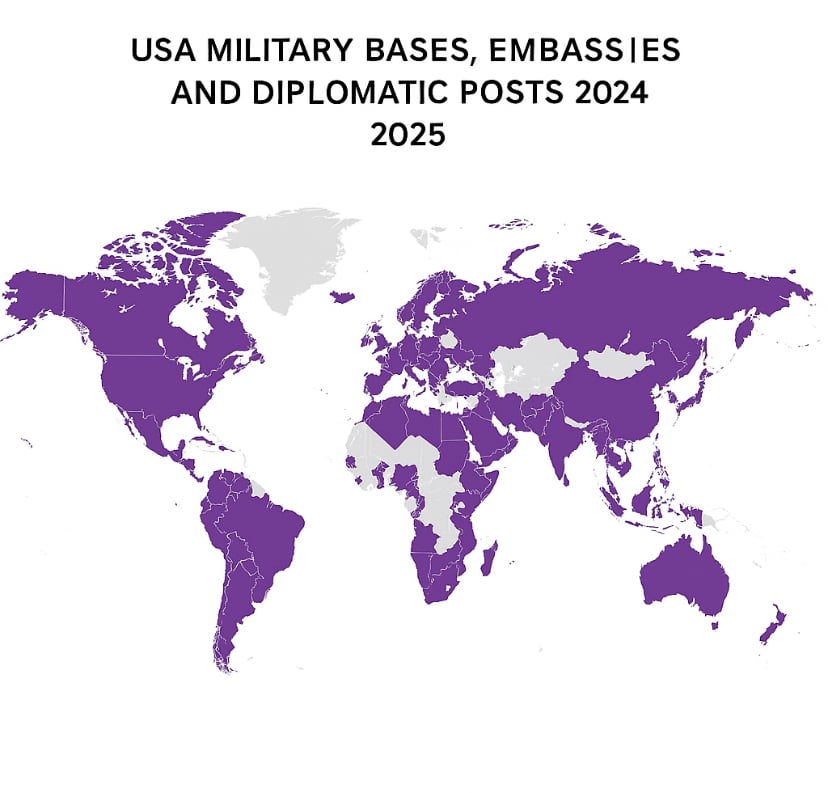
U.S. embassies, consulates, military installations, and federal programs operating around the world regularly purchase goods and services from local businesses.
Common opportunity areas include:
Professional Services
• Consulting
• Legal support services
• Insurance services
• Accounting and financial services
• Marketing and communications
• Training and professional development
Technical and Specialized Services
• Engineering
• Security services
• Information technology
• Laboratory equipment and support
• Project management
Facilities and Operational Support
• Construction and renovation
• Building maintenance
• Janitorial services
• Landscaping and groundskeeping
• Utilities support
Supply and Logistics
• Equipment and tools
• Furniture
• Office supplies
• Catering and food supply
• Vehicle and transportation support
Opportunities vary by country, agency, and mission requirements.
7. Are U.S. Embassy and Consulate contracts only available to American companies?
No.
Many U.S. embassies and consulates purchase goods and services locally from businesses operating in the host country.
Depending on the requirement, local firms may be eligible to compete for professional services, construction projects, maintenance support, training services, equipment supply, transportation requirements, and other procurements.
8. What is SAM.gov and why is it important?
SAM.gov is the U.S. government's official procurement and contractor registration system.
It serves two primary functions:
Contractor Registration
Businesses generally must be registered in SAM.gov to:
• Compete for many contract opportunities
• Receive contract awards
• Receive federal payments
• Participate in certain market research activities
Opportunity Discovery
Federal agencies post procurement-related information on SAM.gov, including:
• Contract opportunities
• Presolicitations
• Sources Sought notices
• Requests for Information (RFIs) and for Quotes (RFQs)
• Award notices
• Agency forecasts
9. Why do businesses need help registering in SAM.gov if registration is free?
SAM.gov registration is free, but the process can be detailed and unfamiliar for businesses new to federal contracting.
Common challenges include:
• Navigating registration requirements
• Obtaining NCAGE or CAGE information when required
• Providing accurate business information
• Understanding certifications and representations
• Submitting supporting documentation correctly
The registration process includes legal representations and certifications that should be understood before submission.
10. What are NAICS codes, PSC codes, and capability statements?
NAICS and PSC codes are classification systems used by the federal government to identify the products and services a business provides.
Selecting appropriate codes helps businesses identify relevant opportunities and improves visibility within the federal marketplace.
A capability statement is a concise summary of a company's qualifications, experience, services, and differentiators. It is commonly used during federal marketing and outreach efforts and is often requested during market research activities.
11. How do international businesses participate in U.S. federal contracting?
International businesses commonly begin by:
• .Obtaining applicable NCAGE Code
• Registering in SAM.gov
• Identifying opportunities relevant to their capabilities
• Monitoring embassy, consulate, military, and agency requirements
• Responding to Sources Sought notices and RFIs
• Submitting compliant proposals when solicitations are released
The process is structured, but it is accessible to qualified businesses that understand the requirements and prepare accordingly.
12. Can a company win work before establishing a U.S. presence?
In some cases, yes.
Many federal opportunities performed outside the United States allow businesses to compete from their home country.
Whether a physical U.S. presence is required depends on the solicitation, place of performance, security requirements, and agency-specific conditions.
13. How do businesses find the right opportunities?
Businesses typically:
• Monitor SAM.gov
• Review agency procurement forecasts
• Track opportunities issued by U.S. embassies and consulates
• Follow market research notices, including Sources Sought and RFIs
• Focus on agencies that regularly purchase what they sell
Successful contractors generally concentrate on opportunities that align closely with their experience, capabilities, and geographic reach.
14. Can a small business compete for U.S. government contracts?
Yes.
Federal agencies buy from businesses of many sizes.
While some opportunities are reserved for U.S. small businesses, many federal requirements, particularly those performed internationally, may also be available to qualified foreign-owned businesses.
Success depends on capability, compliance, pricing, experience, and the ability to meet solicitation requirements.
15. Can anyone guarantee a contract award?
No.
No legitimate procurement consultant, advisor, or contractor can guarantee a federal contract award.
Contract awards depend on factors such as eligibility, compliance, technical capability, past performance, pricing, and competition.
Businesses should be cautious of anyone promising guaranteed results.
16. How do I know which federal opportunities are right for my business?
A good starting point is identifying:
• The goods or services your business provides
• Which federal agencies purchase those goods or services
• Whether work is performed locally, internationally, or in the United States
• Whether your experience aligns with typical contract requirements
From there, opportunities can be evaluated based on capability, competitiveness, compliance requirements, and overall readiness to perform the work successfully.