
Emotions 101 - How to Identify Emotions for Adults, Teens, and Kids
On Sale
$999.99
Emotions 101 for Adults: Emotion Regulation 101
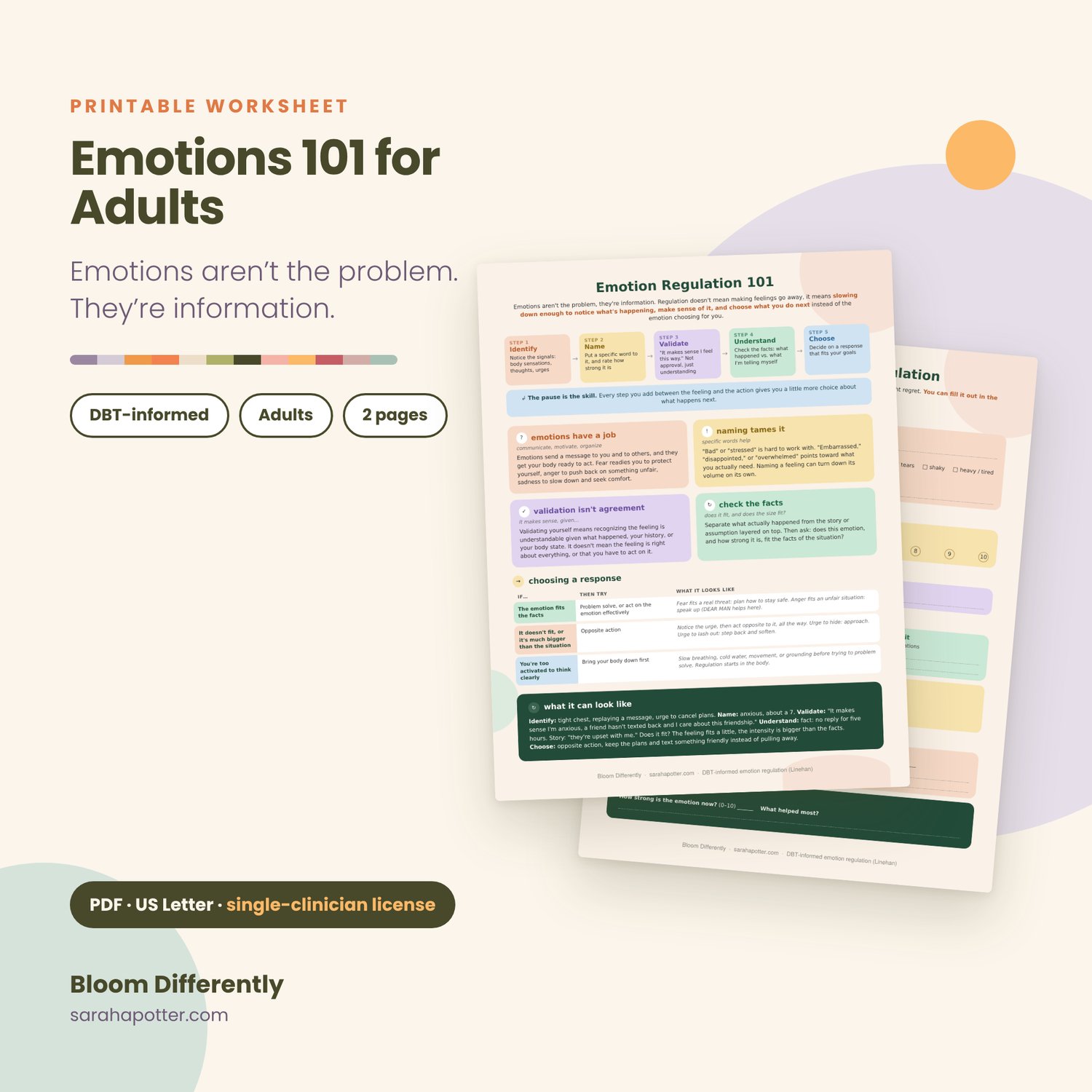
Emotions aren’t the problem. They’re information.
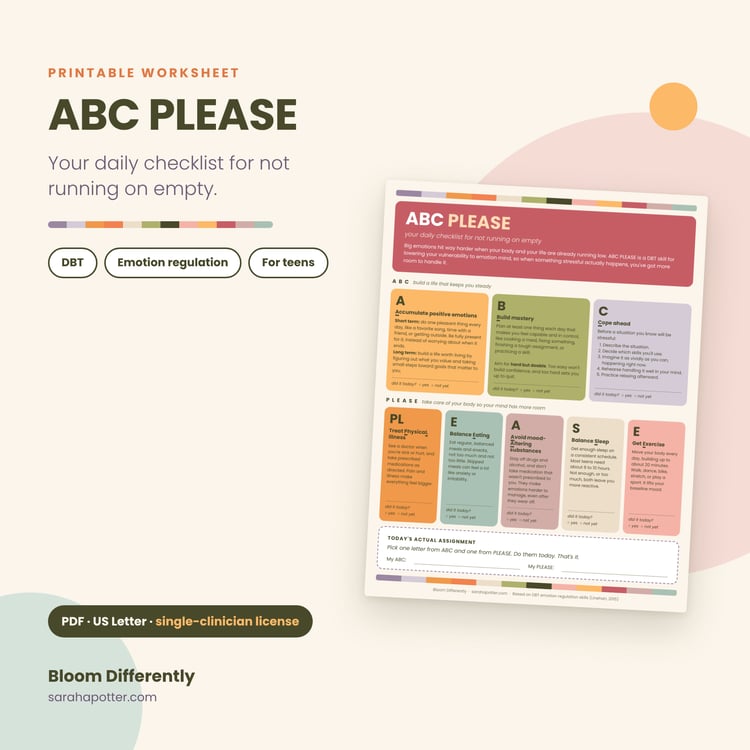
Regulation doesn’t mean making feelings go away. It means slowing down enough to notice what’s happening, make sense of it, and choose what you do next instead of the emotion choosing for you. This two-page, DBT-informed guide teaches that pause step by step.
What’s inside
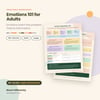
- Five steps: Identify, Name, Validate, Understand and Choose, plus why “the pause is the skill.”
- Four core ideas:Emotions have a job: communicate, motivate and organize.
- Naming tames it.
- Validation isn’t agreement.
- Check the facts: does the emotion, and its size, fit what happened?
- Choosing a response: problem solve when the emotion fits, use opposite action when it doesn’t, or bring your body down first when you’re too activated to think.
- A worked example that walks a real anxious moment through all five steps.
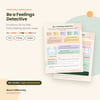
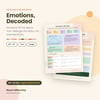
- Practice sheet: body-signal checklist, a 0 to 10 intensity scale, validation sentence, facts-vs-story columns, response plan and an after check-in.
Who it’s for: adults learning emotion regulation in therapy, DBT groups or on their own.