

CAT-PD: Hostile Aggression — Complete 6-Worksheet Self-Assessment Bundle
Do You Know Where Your Anger Really Comes From?
Most people who struggle with revenge-seeking thoughts, aggressive impulses, or a persistent desire to "get even" have never had a structured way to examine these patterns — only shame, confusion, or repeated conflict. The CAT-PD: Hostile Aggression Worksheet Bundle changes that. Built on a validated academic instrument (CAT-PD-HGA by Simms et al., 2011), this six-part self-reflection system gives you a clear, evidence-based framework to understand the trait-level roots of hostile aggression — and what to do about them.
What Is Hostile Aggression — and Why Does It Matter?
Hostile aggression is not just about physical violence. It is a stable personality orientation toward retaliation, proactive harm, and pleasure in others' setbacks. It often develops as a protective response to early experiences of powerlessness, injustice, or emotional neglect. Left unexamined, these patterns silently erode relationships, professional functioning, and emotional well-being. This bundle is designed to bring those patterns into the light — with structure, science, and self-compassion.
What You Get — All 6 Worksheets Explained
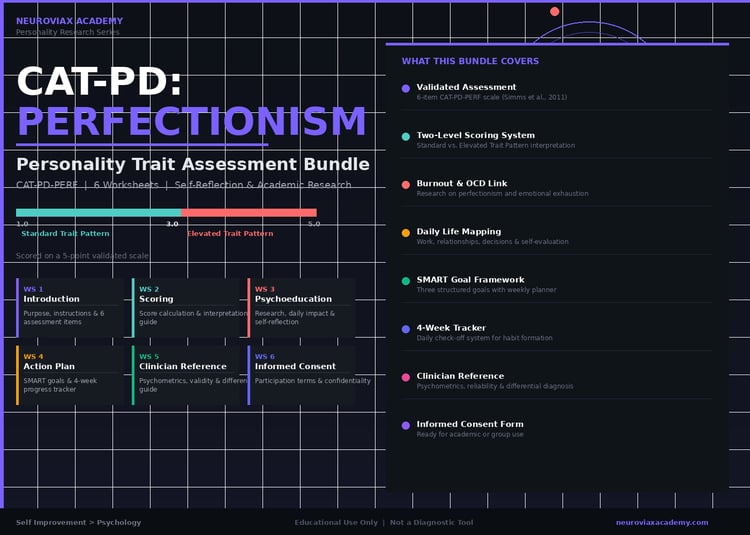
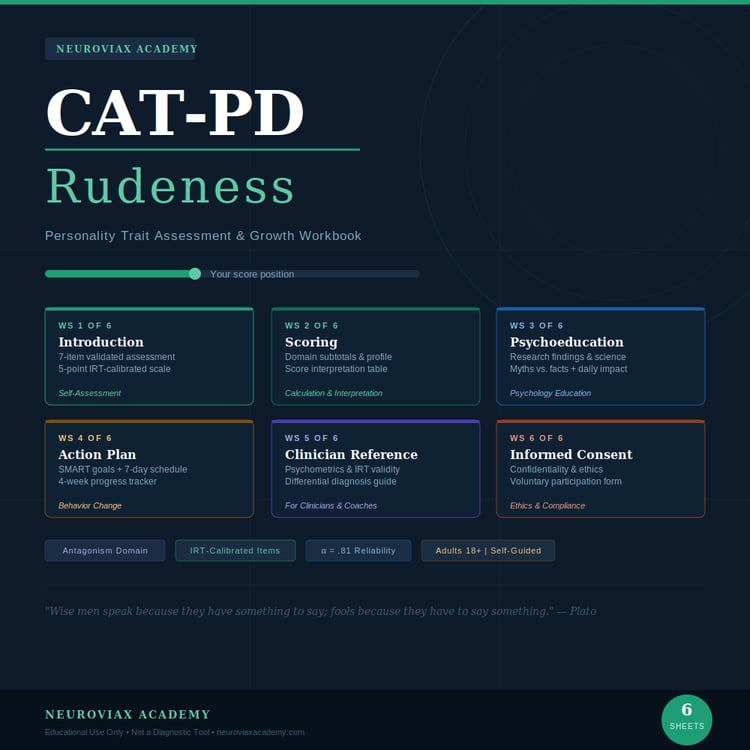
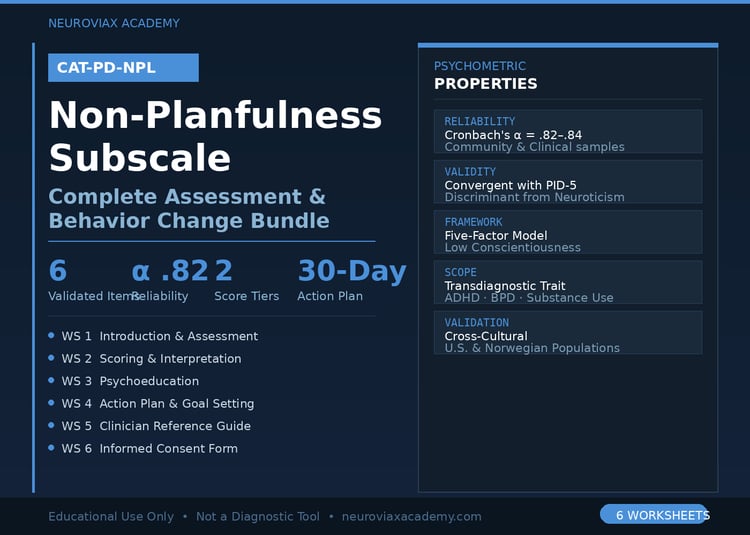
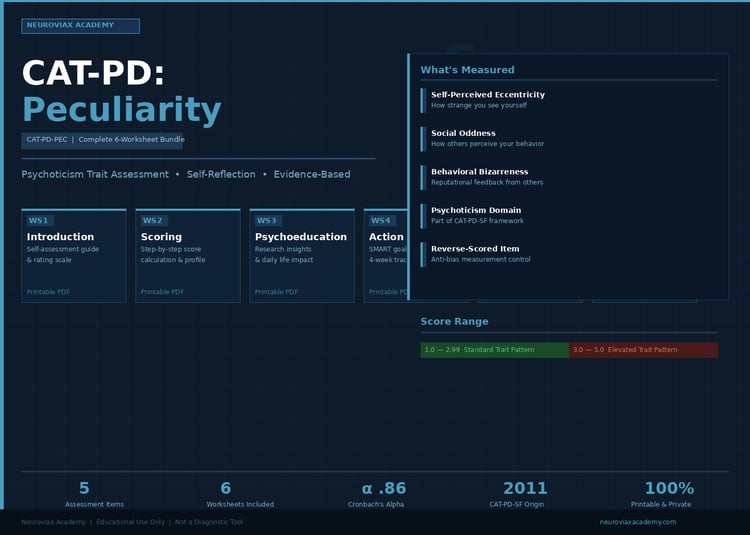
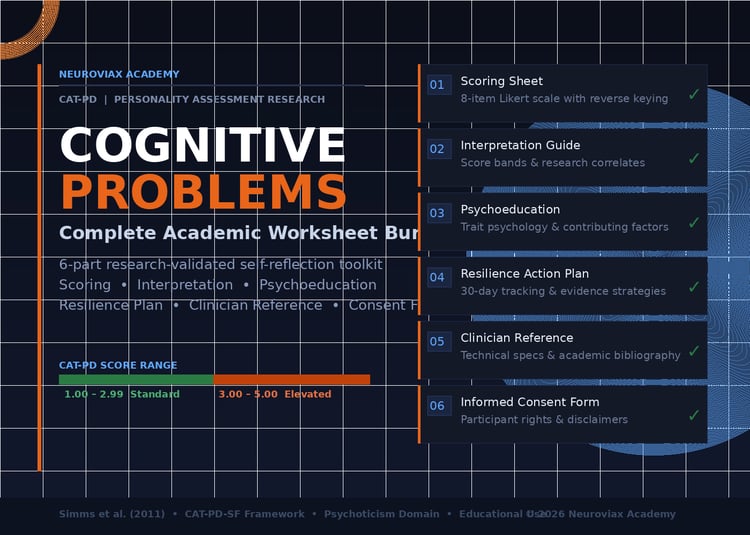
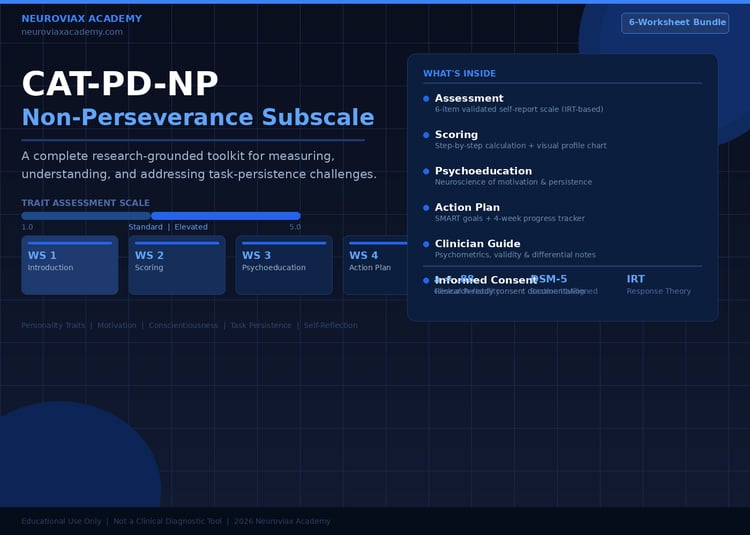
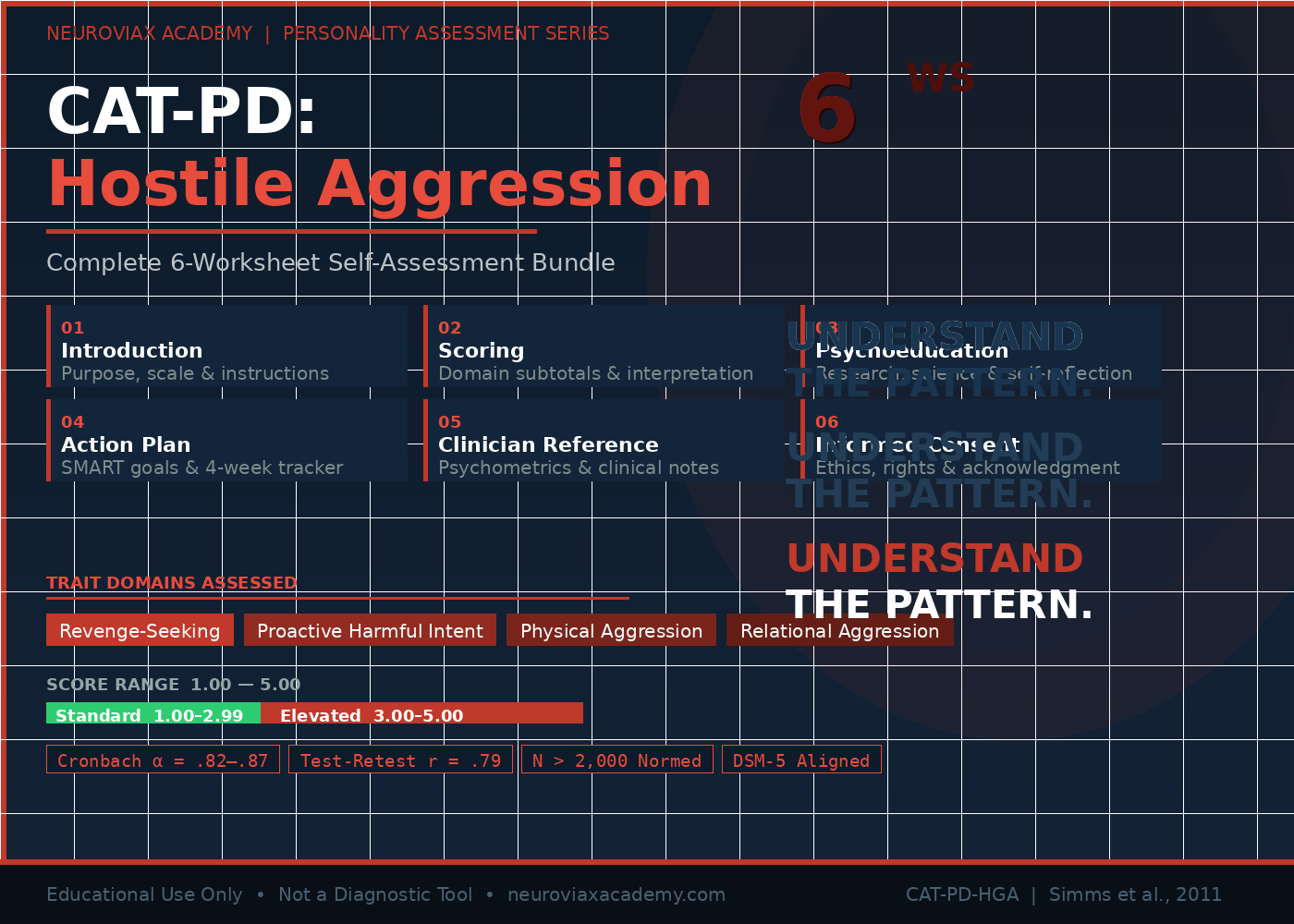
Worksheet 1 — Introduction: Orients you to the tool and its purpose. Learn how the CAT-PD-HGA works, what it measures, and how to use it honestly and effectively. Includes a 5-point rating scale guide and instructions for completing the 8-item self-assessment.
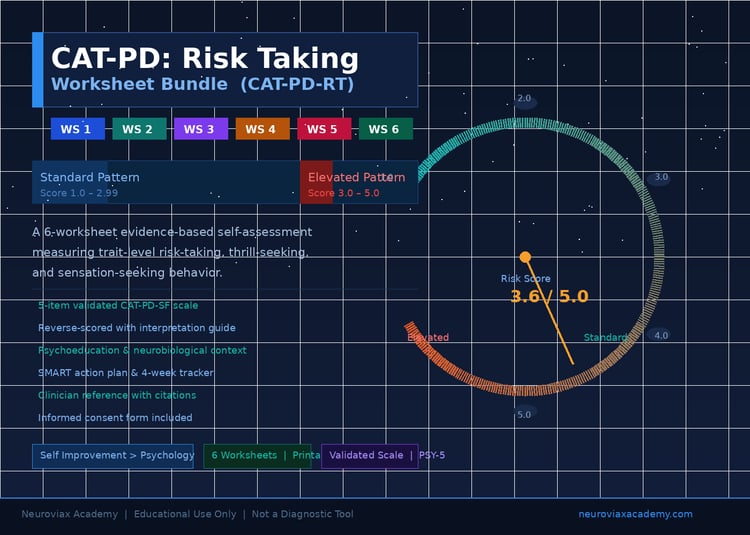
Worksheet 2 — Scoring: A step-by-step scoring guide that walks you through transferring responses, calculating domain subtotals across revenge-seeking, proactive harmful intent, and physical aggression, and computing your final average score. Includes a visual score profile chart and a two-tier interpretation table (Standard vs. Elevated Trait Pattern).
Worksheet 3 — Psychoeducation: The research explained in plain language. Understand what neuroscience and personality psychology say about hostile aggression — why it forms, how it functions as a defense mechanism, how it differs from reactive anger, and what protective factors can buffer its impact. Includes myth-busting, a daily-life impact table, and deep self-reflection prompts.
Worksheet 4 — Personal Action Plan: Translate insight into change. Use a structured SMART goal framework, a full weekly implementation schedule, an obstacle-and-solution mapping section, a support system planner, and a 4-week daily progress tracker — plus a 30-day review to consolidate growth.
Worksheet 5 — Clinician Reference Guide: A psychometrically detailed reference covering theoretical grounding in the Five-Factor Model and DSM-5 Section III, reliability data (Cronbach's alpha = .82–.87, test-retest r = .79), convergent and discriminant validity, norming information, differential diagnostic considerations, and the original evidence base citation. Ideal for therapists, researchers, and academic professionals integrating this tool into clinical or research contexts.
Worksheet 6 — Informed Consent Form: A professional consent document covering the purpose, voluntary nature, confidentiality, benefits, and risks of completing the assessment. Includes acknowledgment checkboxes and a signature section with parent/guardian provision for applicable settings.
Who This Bundle Is For
This bundle is designed for adults engaged in structured self-reflection who want to understand aggressive or revenge-oriented thought patterns at the personality-trait level. It is equally suited for academic and research participants using standardized personality instruments, mental health professionals seeking a psychometrically grounded client resource, therapists and counselors integrating personality trait assessment into treatment planning, and individuals in personal development work who want more than generic anger management advice.
It is not a clinical diagnostic tool and does not replace professional mental health evaluation. It is a self-awareness instrument — precise, evidence-based, and built for people ready to look inward with honesty.
The Science Behind This Tool
The CAT-PD-HGA was developed as part of the Computerized Adaptive Assessment of Personality Disorder project by Simms and colleagues (2011). It assesses the extreme pole of antagonistic personality functioning — a domain consistently linked to interpersonal conflict, emotional dysregulation, early adversity, and difficulties in trust and intimacy. This bundle translates that validated instrument into a complete self-guided experience, from assessment through psychoeducation to structured action planning.
Start Understanding Yourself at the Trait Level
Self-awareness is not weakness — it is the mechanism of change. If aggressive impulses, revenge fantasies, or the urge to retaliate have cost you relationships, opportunities, or peace of mind, this bundle gives you a systematic, research-grounded starting point. Download the complete six-worksheet bundle and take the first step from pattern recognition to personal mastery.