
Bi-Phase Formulations – How to Create Water-Oil Hybrids
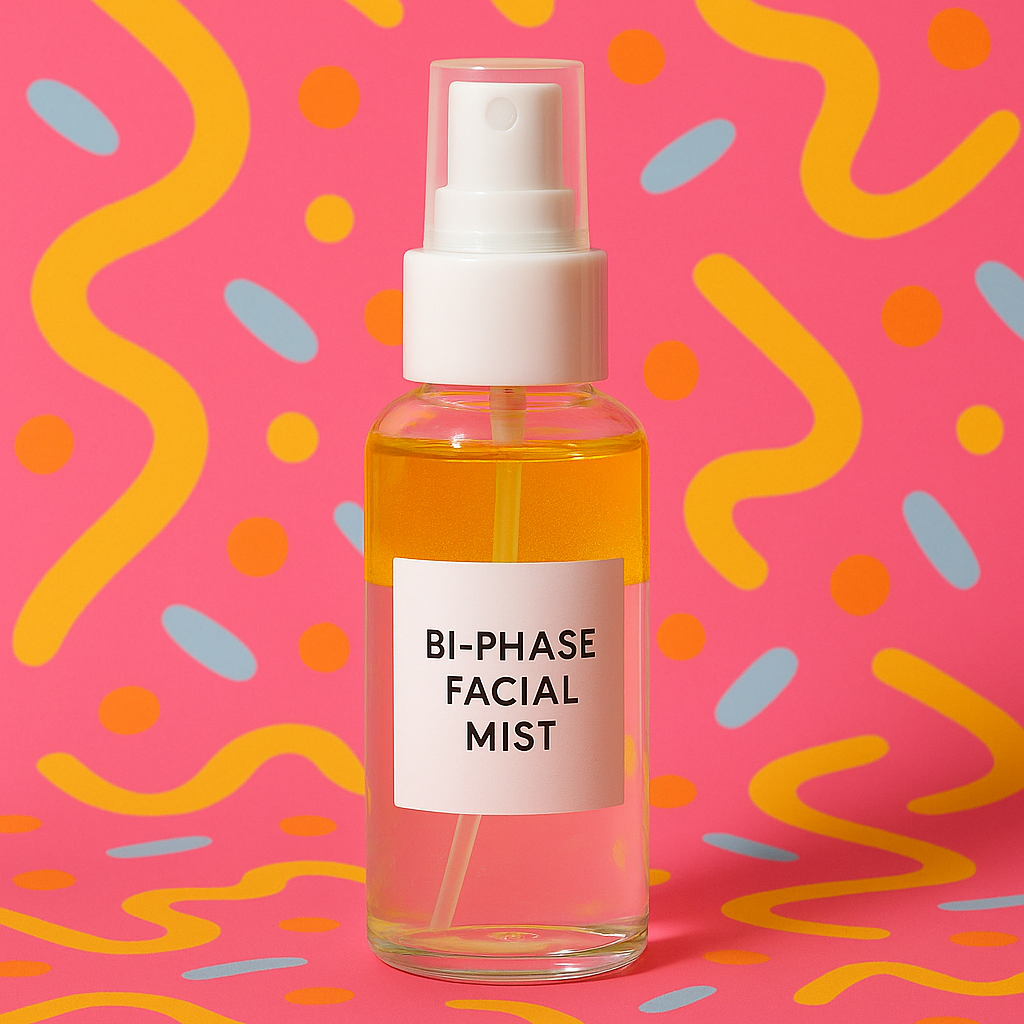
Bi-phase formulations, also known as dual-phase or two-phase systems, combine the hydrating power of water-based ingredients with the nourishing benefits of oils. These water-oil hybrids offer a unique alternative to traditional emulsions, creating a product that must be shaken before use to temporarily mix both phases.
They’re visually intriguing, sensorially luxurious, and scientifically fascinating, when formulated correctly.
What Is a Bi-Phase Formulation?
A bi-phase product is a non-emulsified system made up of two immiscible phases:
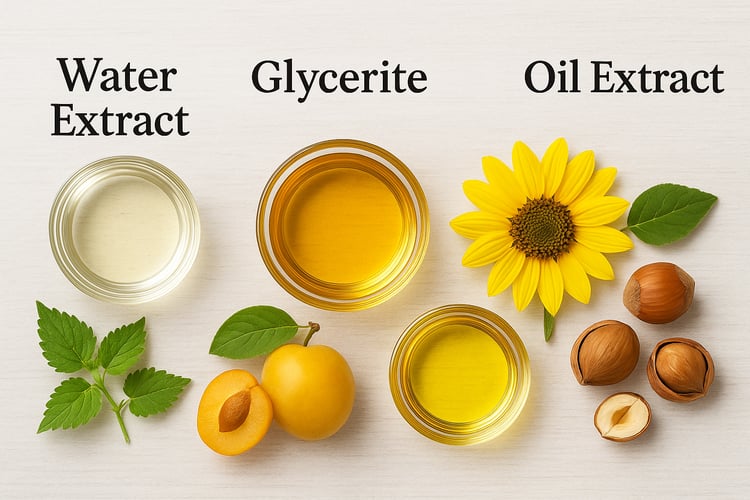
- Aqueous Phase: water, botanical extracts, hydrosols, humectants, and water-soluble actives.
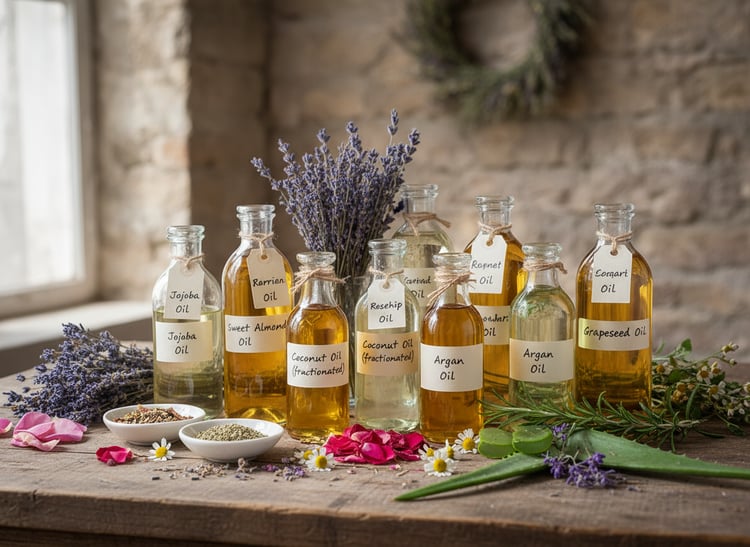
- Oil Phase: plant oils, esters, oil-soluble actives, and antioxidants.
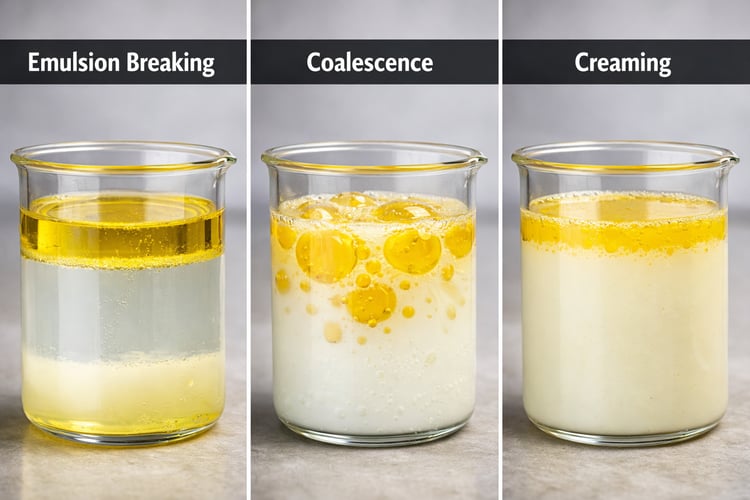
Because water and oil don’t naturally mix, the product separates when left to stand. Shaking before each use creates a temporary emulsion, allowing the actives from both phases to be applied together.
Why Use a Bi-Phase System?
Bi-phase formulations are ideal for:
- Combining water- and oil-soluble actives without the need for emulsifiers.
- Achieving a lightweight feel without heavy creams.
- Offering a unique sensory experience and visual appeal.
- Formulating for sensitive skin, as they can reduce emulsifier load.
They're commonly seen in makeup removers, toning mists, facial sprays, essence serums, and body oils.
Key Considerations When Formulating
- Phase Compatibility
- Choose water-based and oil-based ingredients that are low in viscosity and compatible with one another in terms of skin feel.
- Avoid ingredients that cause cloudiness or instability, clarity and separation are visual assets.
- Density Differences
- The oil should sit clearly above the water layer or vice versa, depending on the oil’s density.
- Too large a density gap can cause rapid separation and an unpleasant user experience.
- Preservation
- The aqueous phase must be preserved effectively with a broad-spectrum preservative.
- The oil phase should include antioxidants like tocopherol to delay oxidation and extend shelf life.
- Always treat bi-phase products as water-based systems when it comes to microbial safety.
- Sensory Balance
- Select oils and esters that provide a light, non-greasy skin feel.
- Ensure that when the phases are combined and applied, the product absorbs well and leaves no residue.
- Fragrance & Colour
- Use water-soluble and oil-soluble colorants to enhance visual separation.
- Add fragrance oils or essential oils only if they’re safe at low dermal levels and compatible with the oil phase.
- Packaging
- Clear bottles help showcase the dual-layer design.
- Always include “Shake Before Use” on the label.
- Use packaging that suits the application, fine mist sprayers, droppers, or pump bottles work well.
Additional Tips
- A very small amount of low HLB emulsifier (e.g., polysorbates under 1%) may be used to improve dispersion temporarily after shaking, though this is optional and must be tested thoroughly.
- Always check for oxidative stability of oils and microbial stability of the water phase.
- Avoid surfactants unless the product is intended to foam (e.g., bi-phase cleansers).
Download my educational document today, and learn how to create beautiful bi-phase products.