
Antiperspirants vs Deodorants: Understanding the Science, Benefits and Regulatory Differences
Have you ever wondered what actually makes a deodorant different from an antiperspirant?
This comprehensive educational guide explores the science behind sweat, body odour, deodorants and antiperspirants, providing a clear understanding of how each product works, the benefits they offer and the regulatory considerations that cosmetic formulators and brand owners need to understand.
Designed for cosmetic formulators, skincare entrepreneurs, students and industry professionals, this document explains the biology of sweat production, the role of skin bacteria in body odour, how antiperspirant active ingredients reduce perspiration and why deodorants and antiperspirants are regulated differently around the world.
Inside this guide you will learn:
✓ The difference between eccrine and apocrine sweat glands
✓ How body odour develops
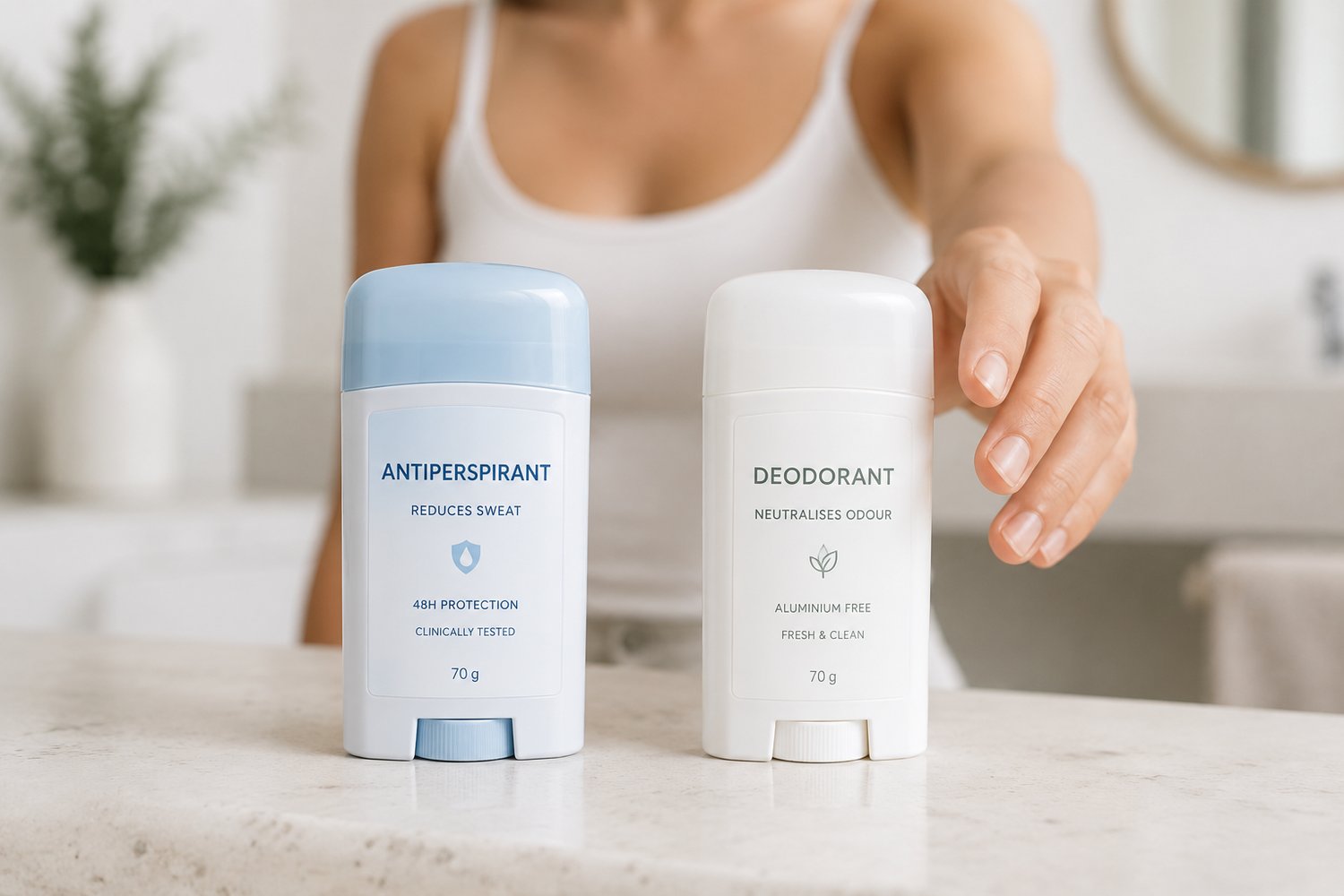
✓ How deodorants control odour without reducing sweat
✓ How antiperspirants reduce perspiration
✓ The benefits and limitations of both product types
✓ The science behind aluminium-based antiperspirants
✓ The difference between normal sweating and hyperhidrosis
✓ Common misconceptions surrounding aluminium-free products
✓ Regulatory requirements and classifications in Australia, New Zealand, the United States and the United Kingdom
✓ How marketing claims can affect product classification and compliance
This professionally written educational resource has been developed to provide scientifically accurate and regulatory-conscious information, making it a valuable addition to any cosmetic science, formulation or compliance library.
Perfect for formulators developing underarm care products, cosmetic business owners creating compliant marketing materials, and students wanting a deeper understanding of personal care product science.