
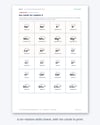
Year 10 Chemical Bonding Assessment Pack (2027 science curriculum)
Everything you need to gather and judge evidence for Year 10 Matter (chemical bonding: ions, covalent bonds, formulas, names, conservation of mass and equations) against the five progress descriptors: practicals, conversations, student work and tests.
DESCRIPTION
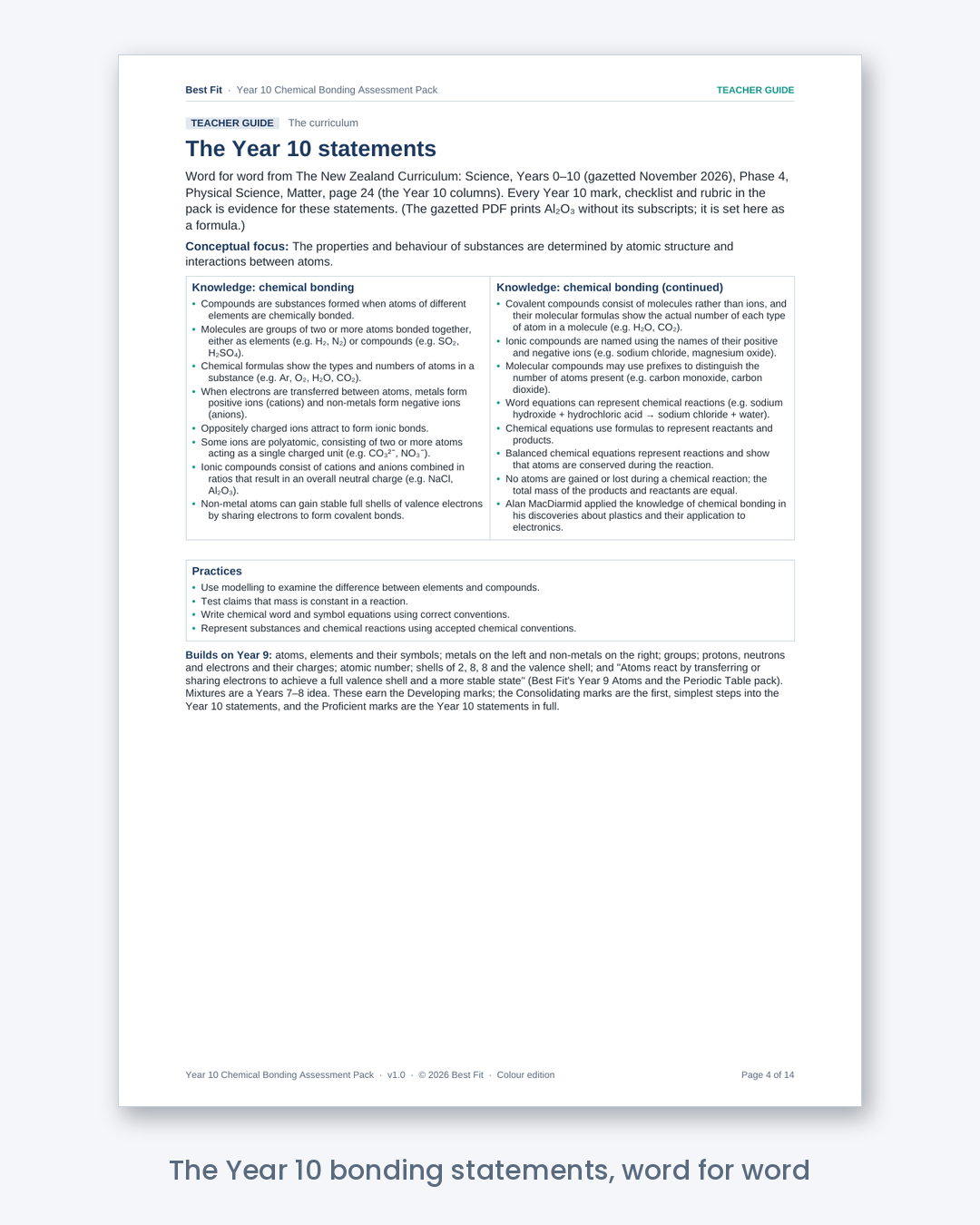
Built for Science Years 0–10 (gazetted November 2026), Phase 4, Physical Science: Matter. Every Year 10 knowledge and practice statement is quoted word for word in the teacher guide and mapped to the evidence that shows it.
Eight sections, in the order of the Ministry's Matter and Chemistry kit: elements, compounds and molecules · chemical formulas · ions · ionic bonds and ionic compounds · covalent bonds and molecules · naming compounds · conservation of mass · word and symbol equations, and balancing them.
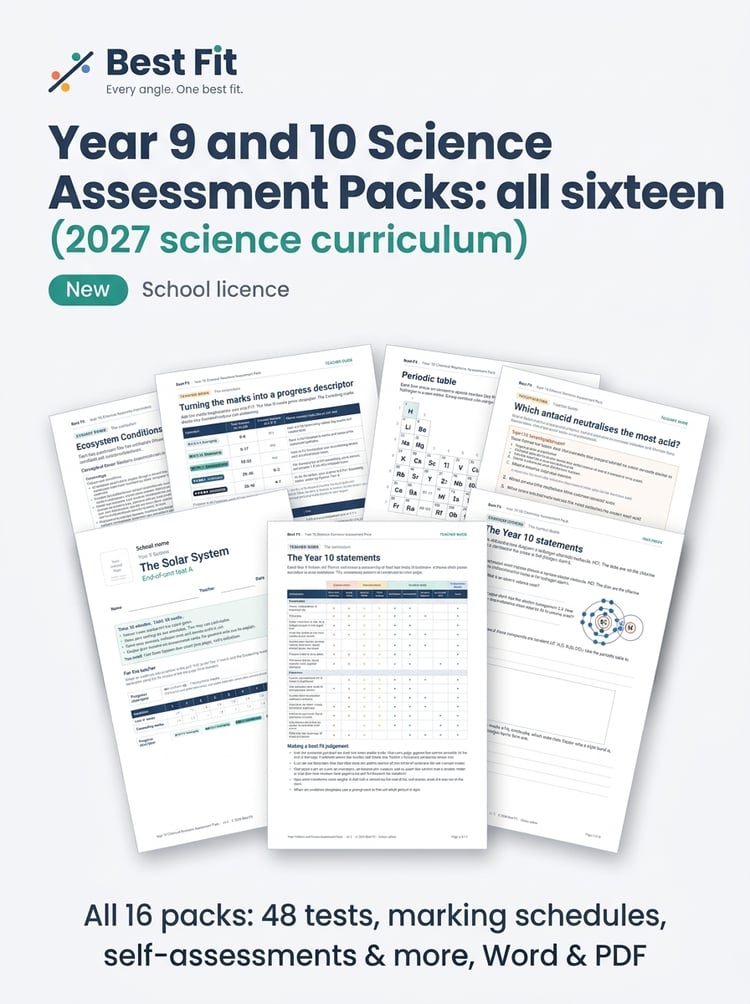
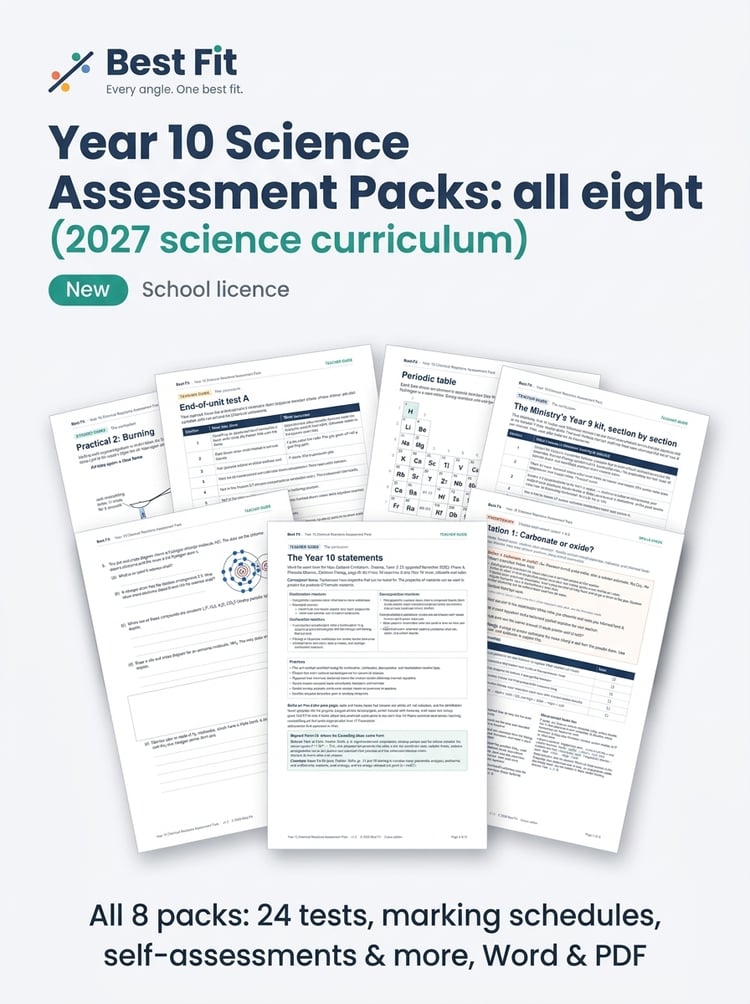
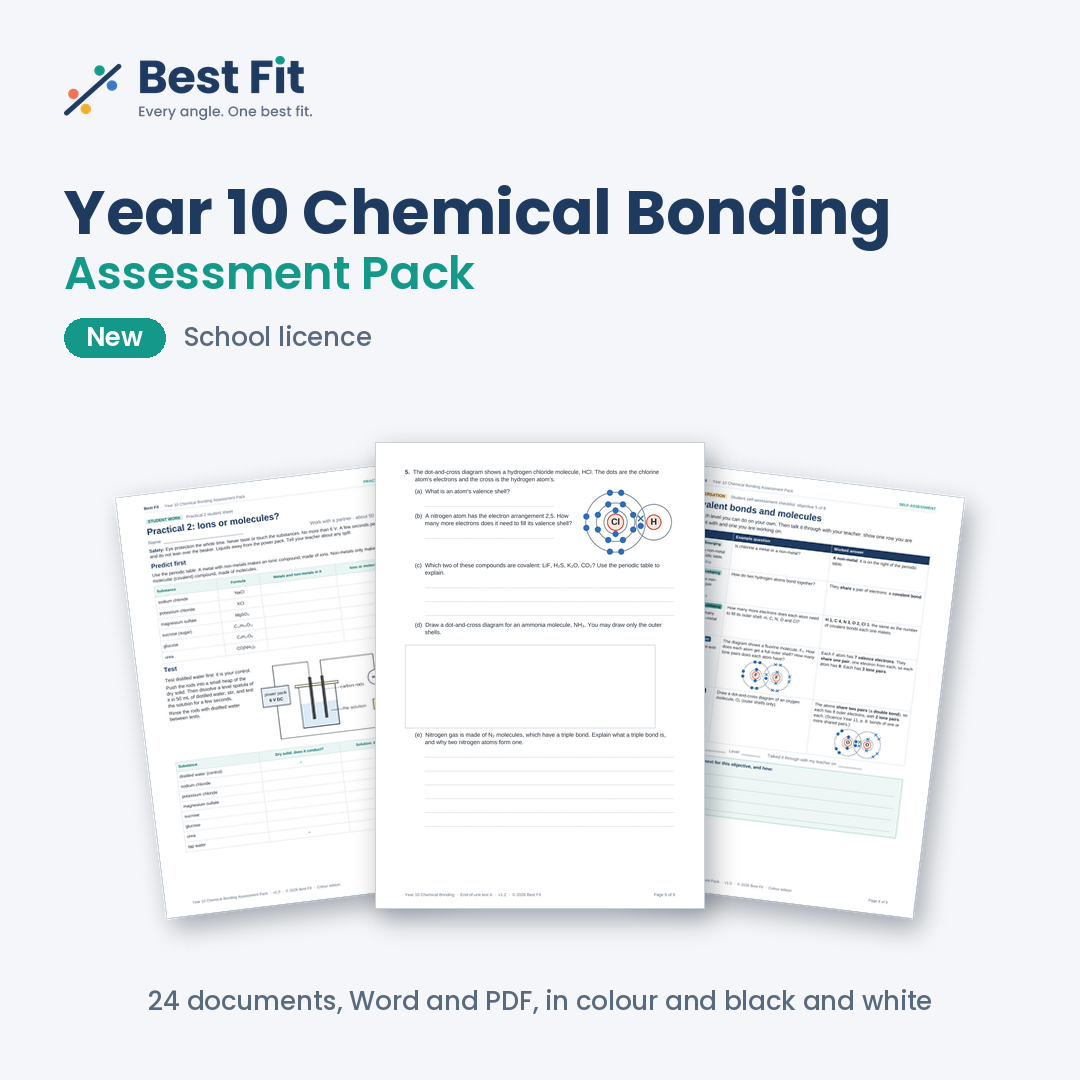
What's inside: 24 documents, each as a Word file and a PDF, in a colour edition and a black-and-white edition.
- Start here: a teacher guide with descriptor indicators for every section, an evidence map, a teaching plan matched to the Ministry's kit, and judgement guides.
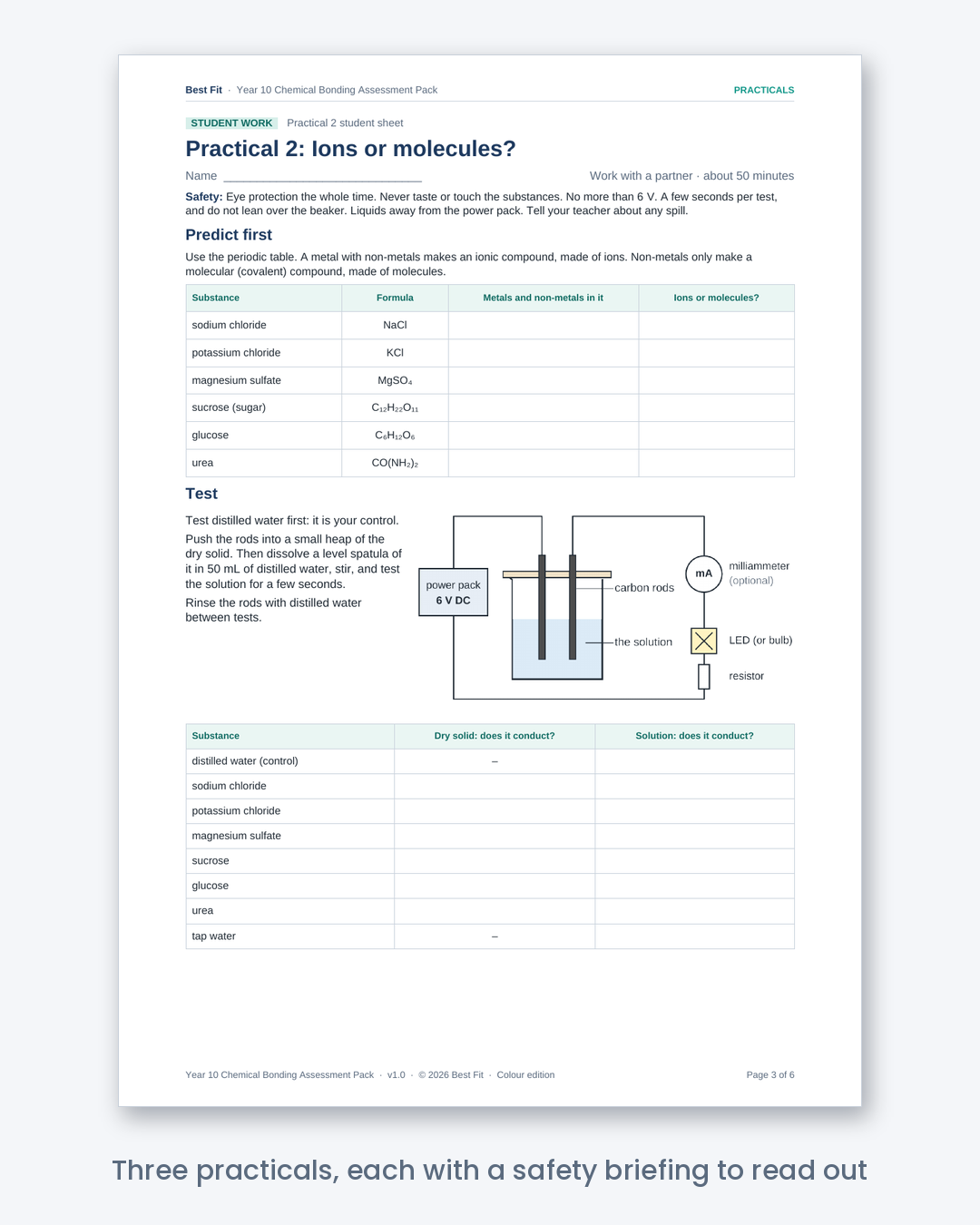
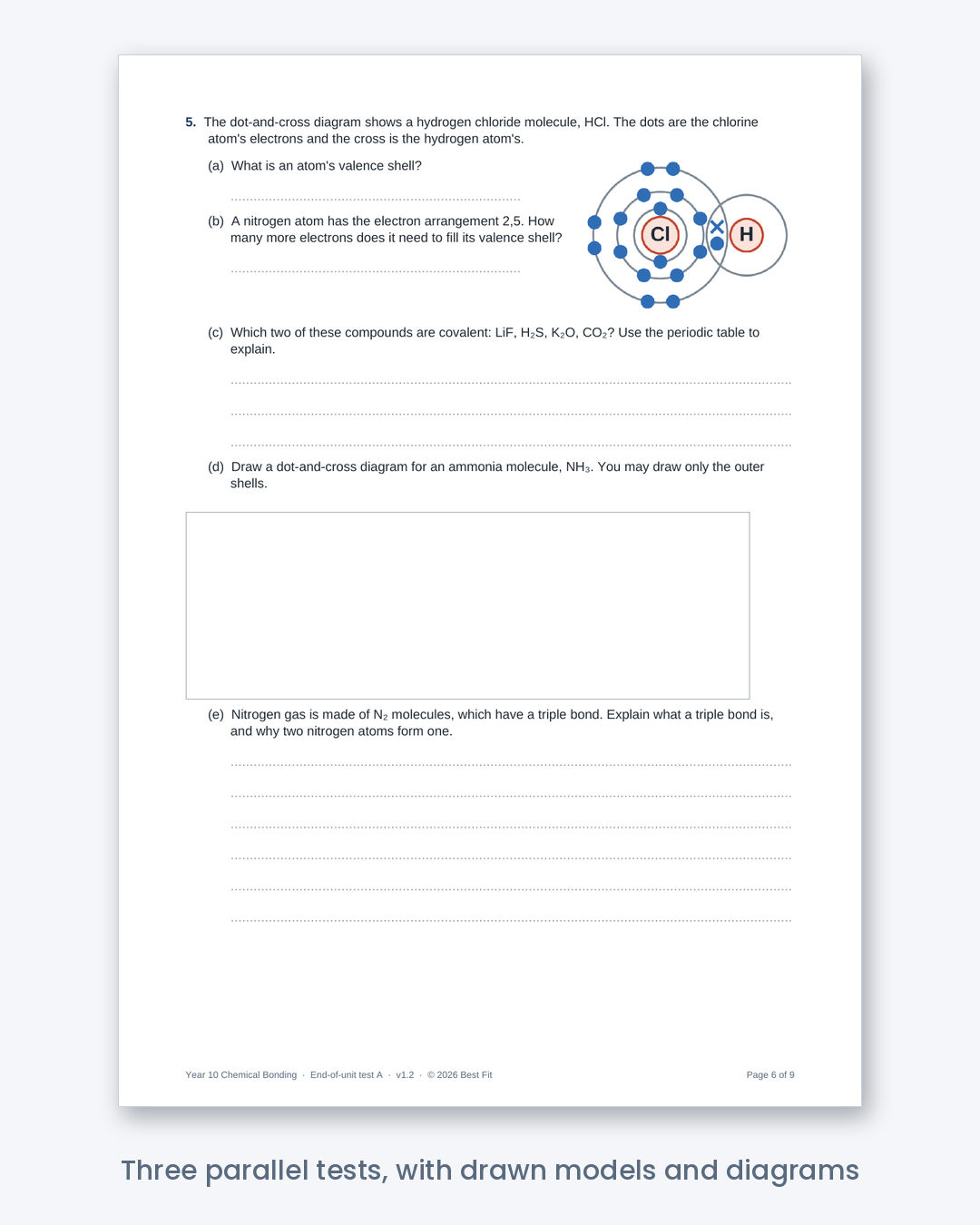
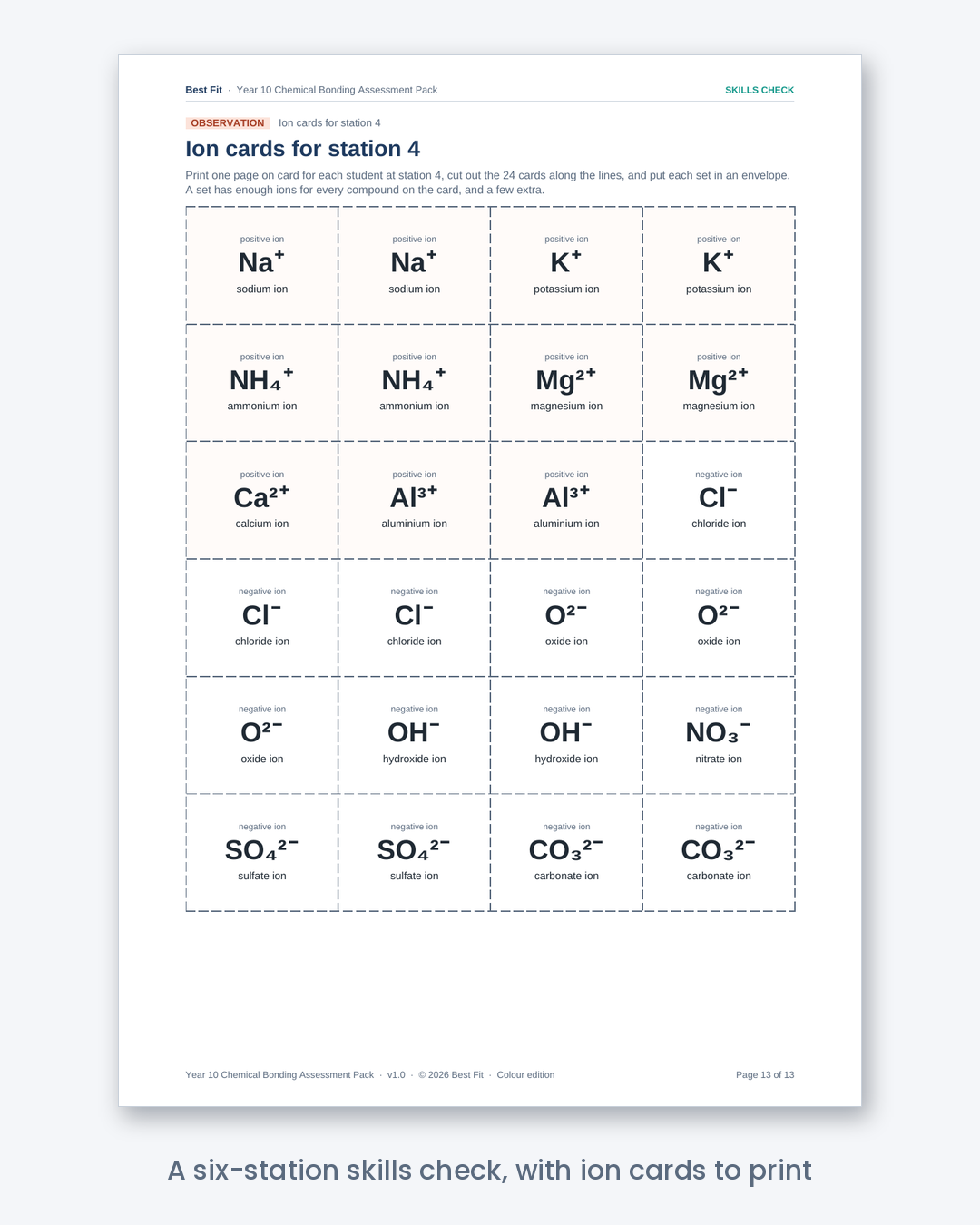
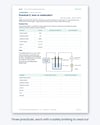
- Observation: three practicals (Elements or compounds? Modelling molecules · Ions or molecules? What conducts · Atoms rearranged: a reaction on a balance) with teacher notes, safety briefings to read out, student sheets and observation checklists. Practical 3 runs as a student practical or a teacher demonstration. Plus a six-station practical skills check that uses no chemicals: models, ion cards and paper.
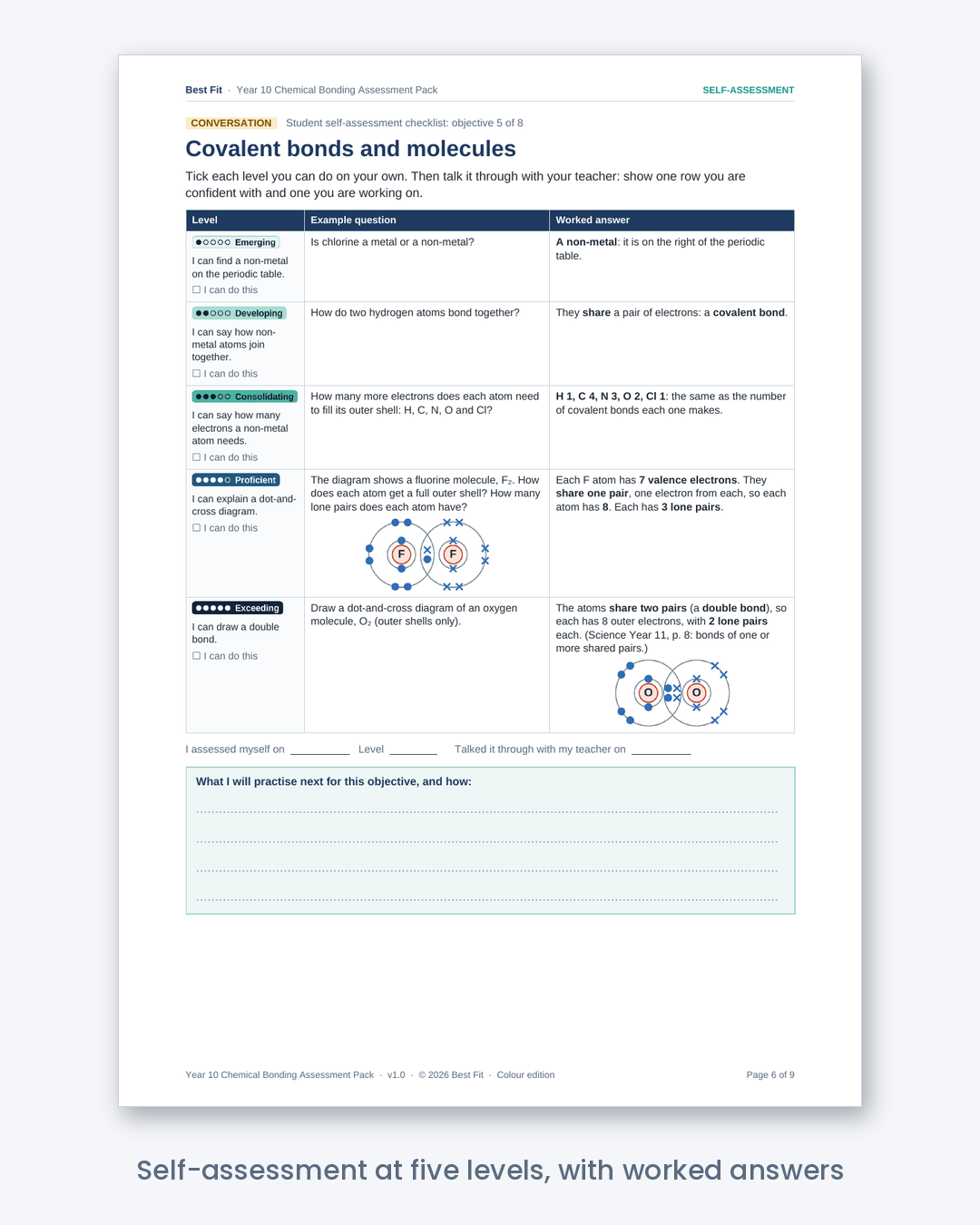
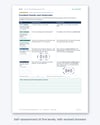
- Conversation: four prompt cards, a self-assessment (eight objectives at five levels, each with an example question and a worked answer) and an I can checklist.
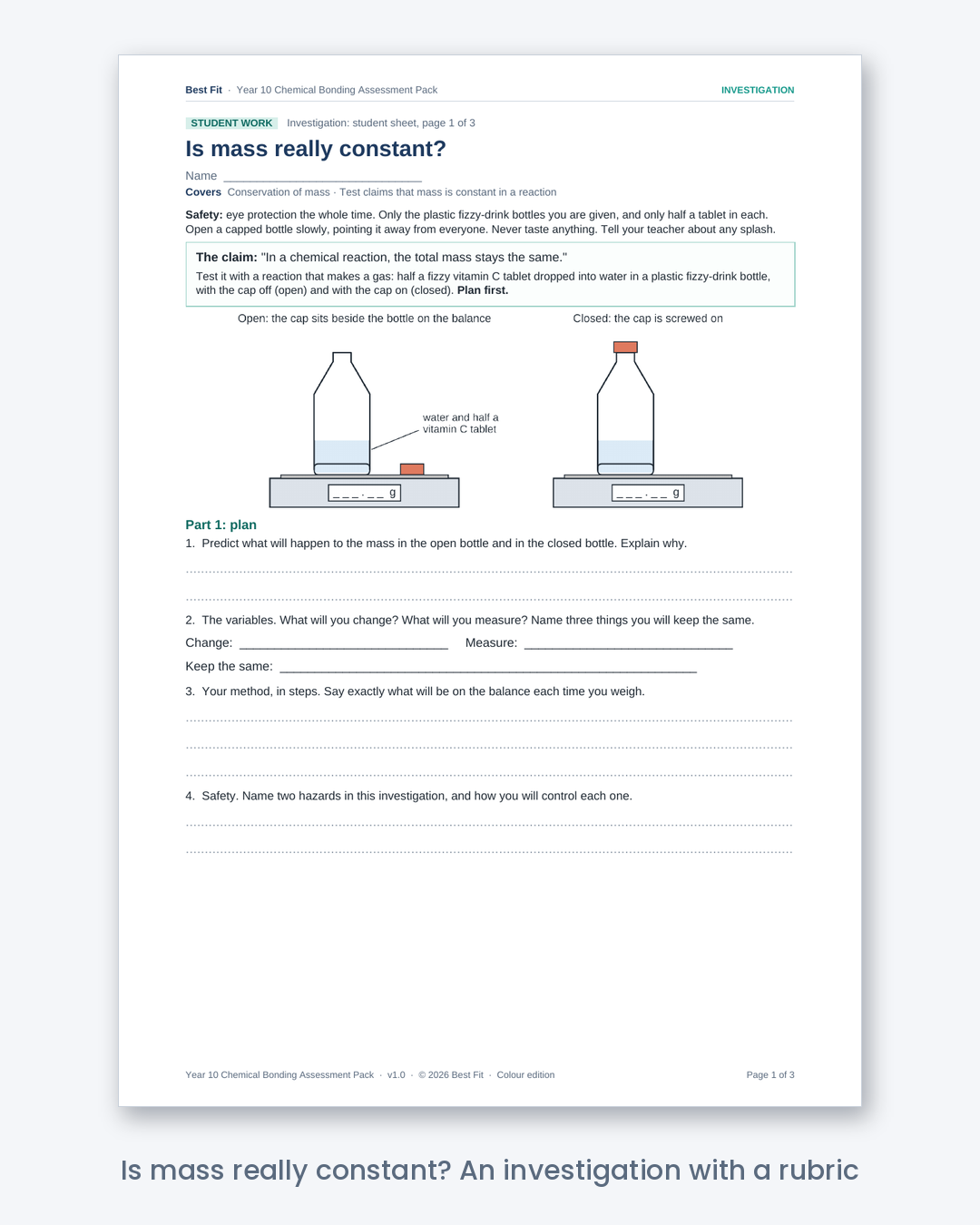
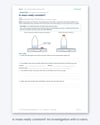
- Student work: eight exit tickets, printed two to a sheet, with teacher keys; four homework tasks with answers; an investigation, "Is mass really constant?", with a rubric; a research task, "Plastics that conduct: Alan MacDiarmid", with a rubric and checked sources.
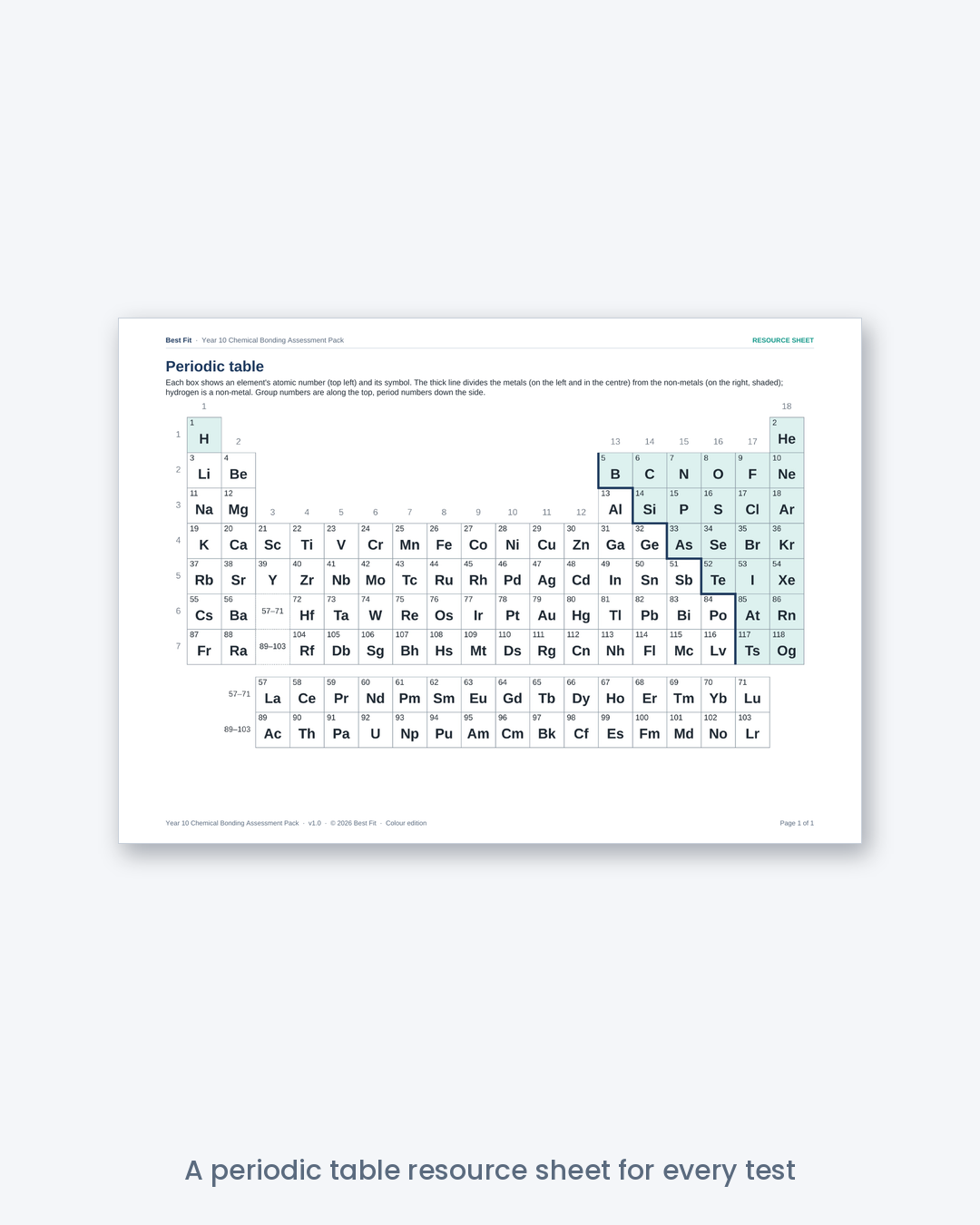
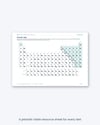
- Assessment results: a periodic table resource sheet, a practice test and parallel end-of-unit tests A and B, each with 36 Year 10 marks and 7 Exceeding marks, marking schedules with drawn answers, and cut scores. Editable Word copies let you add your school's logo and name.
- Tracker: an evidence tracker that brings everything together into one best-fit judgement.
Good to know
- The periodic table does the work: students find ion charges from the group, decide ionic or covalent from metals and non-metals, and count bonds from valence electrons, with the same resource sheet in every test.
- Conventions done properly: subscripts, charges written Mg²⁺ and CO₃²⁻, brackets as in Ca(NO₃)₂, arrows, and balancing with numbers in front of the formulas only.
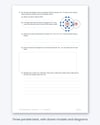
- Models and their limits: ball-and-stick models, a lattice, Bohr diagrams of ions and dot-and-cross diagrams, each with what it shows and what it leaves out.
- Testing the mass claim properly: open and closed bottles, repeats, and the errors that repeats cannot fix. No balloons: a filling balloon is held up by the air and seems to lose mass.
- Safety habits in every lesson: each practical starts with a briefing to read out, every student sheet repeats it, and every observation checklist starts with "Works safely". The conductivity tester runs at no more than 6 V.
- Every Exceeding mark names its idea from Year 11 or Years 12–13 (relative formula mass, limiting reactants, double and triple bonds, iron(II) and iron(III)), and no answer earns both a Proficient and an Exceeding mark.
- Pictures are drawn, and nothing depends on colour, so the black-and-white edition works and students with colour vision deficiency can take part.
- No marks beside the questions on student papers: the marks are in the answers, and every mark names the descriptor it is evidence for.
- Free sample pages available for the Year 9 Electricity Assessment Pack so you can check them out before you buy: https://payhip.com/b/7NAoc
- Pairs with the other Y10 Science Assessment Packs or will all Junior Science Assessment Packs through the bundles.
- Add the report builder upgrade once it is released and it writes copy-ready report comments that fit your reporting system's character limits. [Free sample: https://payhip.com/b/DYCBE]
School licence: every teacher and student at one school may use and copy these files, including on your school's learning platform. Please don't share them outside your school.
Best Fit is not registered for GST.