
FREE Complete Companion Printable Pack
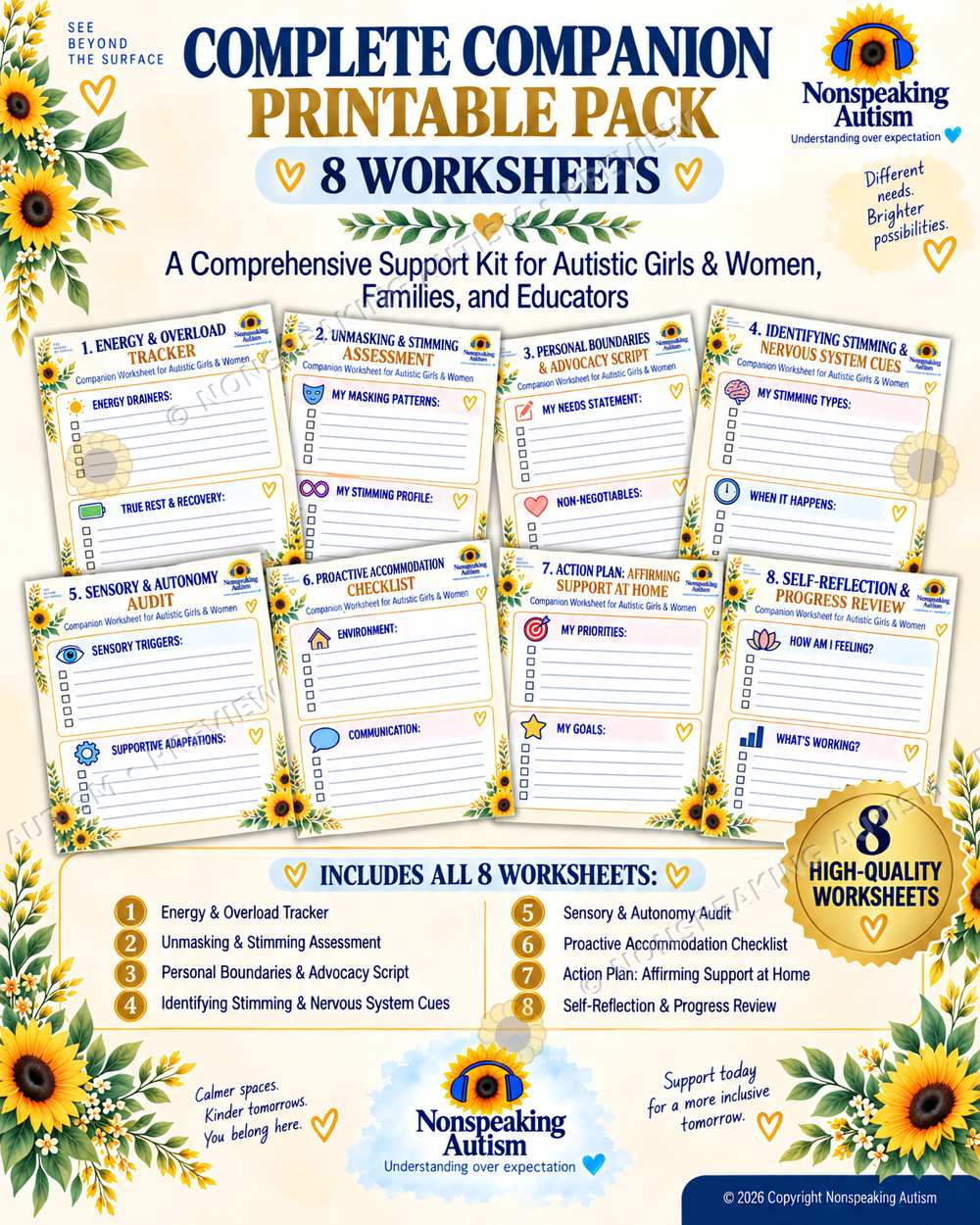
FREE Complete Companion Printable Pack — 8 Worksheets
A practical, neurodiversity-affirming support toolkit for autistic girls & women, families, caregivers and educators
FREE DIGITAL DOWNLOAD 💛
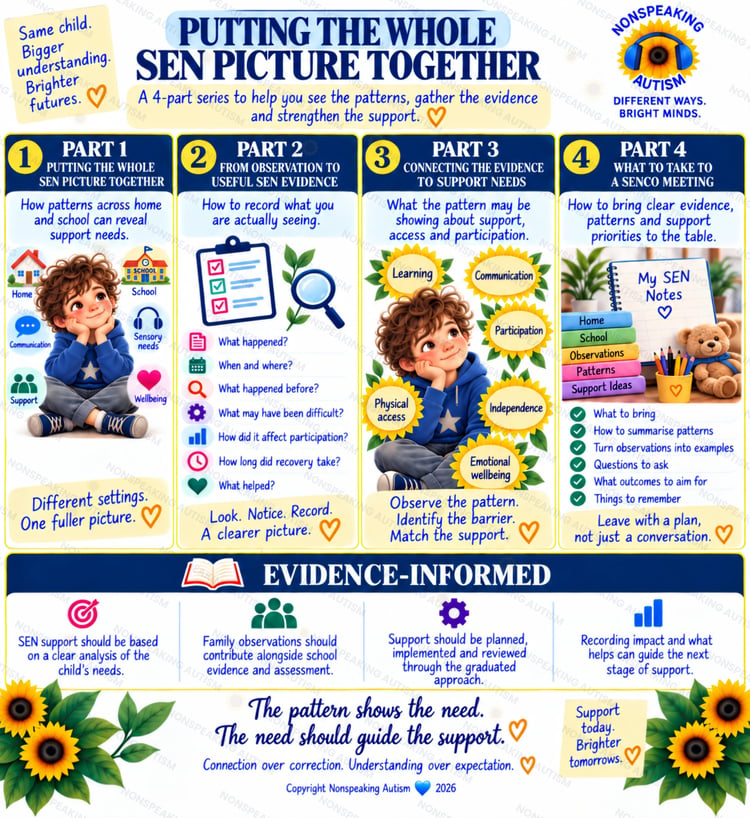
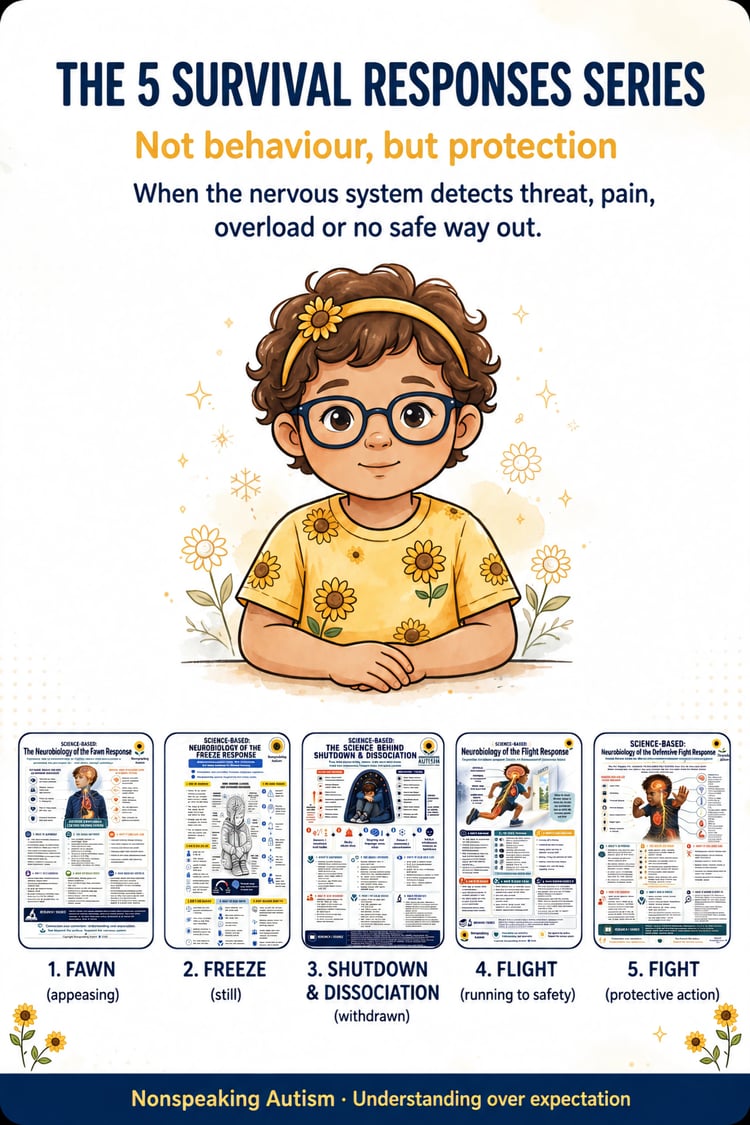
Understanding autism is important. But understanding what actually helps an individual person in everyday life is just as important.
What drains their energy?
What helps them genuinely recover?
When might they be masking?
What role does stimming play in regulation?
Which sensory experiences create barriers?
What boundaries matter?
Which accommodations actually help?
And how can all of that understanding be turned into practical support?
The FREE Complete Companion Printable Pack brings these questions together in a collection of 8 structured worksheets designed to encourage reflection, communication, self-understanding and individualized support.
Created by Nonspeaking Autism, the pack focuses on the person underneath the outward presentation — their energy, sensory experiences, nervous-system cues, communication, boundaries, accommodations and priorities.
There are no scores, grades or “right” answers.
These worksheets are not about teaching autistic people to appear less autistic.
They are about helping people understand:
What is happening?
What is needed?
What is helping?
What could we change?
Different needs. Brighter possibilities.
🎁 Completely FREE to Download
This complete 8-worksheet printable pack is available FREE through Payhip.
It has been created as an accessible educational resource for autistic people, families, caregivers, educators and professionals who would benefit from practical tools for exploring support needs.
You do not need to purchase another Nonspeaking Autism product to access these worksheets.
They can be used as companion resources alongside other educational materials or as standalone worksheets in their own right.
Support today for a more inclusive tomorrow.
🌻 What's Included?
Your FREE download contains all 8 printable worksheets:
1️⃣ Energy & Overload Tracker
2️⃣ Unmasking & Stimming Assessment
3️⃣ Personal Boundaries & Advocacy Script
4️⃣ Identifying Stimming & Nervous System Cues
5️⃣ Sensory & Autonomy Audit
6️⃣ Proactive Accommodation Checklist
7️⃣ Action Plan: Affirming Support at Home
8️⃣ Self-Reflection & Progress Review
Together, the worksheets provide a structured way to move from observation → understanding → practical support.
1️⃣ Energy & Overload Tracker
Energy is not only about physical activity.
For an autistic person, a seemingly ordinary day may include substantial demands from:
sensory processing
social interaction
communication
masking or camouflaging
transitions
uncertainty
executive-function demands
unexpected changes
emotional regulation
The Energy & Overload Tracker provides dedicated space to identify:
☀️ Energy Drainers
What situations, environments, activities or expectations seem to use the most energy?
and:
🔋 True Rest & Recovery
What actually helps the person recover?
This distinction matters.
Stopping an activity does not necessarily mean the nervous system has recovered from it.
One person may recover through solitude and quiet.
Another may need movement, stimming, music, a familiar interest, reduced communication demands or time in a preferred sensory environment.
The goal is to discover what recovery looks like for the individual.
2️⃣ Unmasking & Stimming Assessment
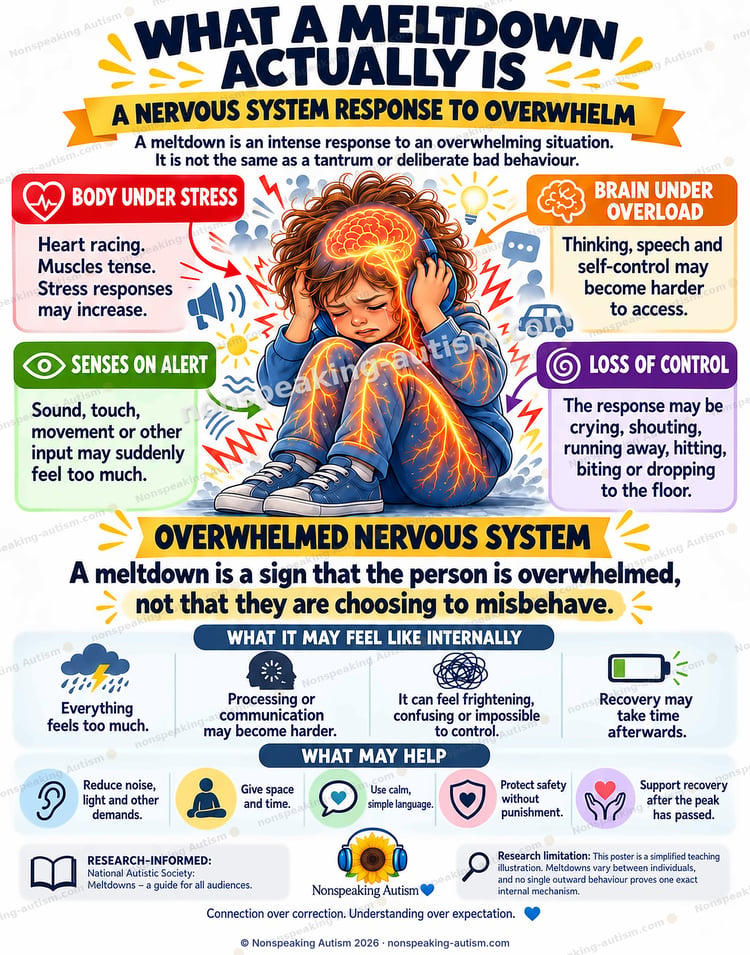
Autistic masking or camouflaging can involve consciously or unconsciously changing aspects of behaviour in response to social expectations.
This may include things such as suppressing natural movements, rehearsing conversations, copying other people's social behaviour, forcing expected social responses or trying to hide confusion or distress.
The worksheet provides space to explore:
🎭 My Masking Patterns
and:
♾️ My Stimming Profile
The aim is awareness — not judgement.
Masking is complex.
It should not be assumed that every autistic girl or woman masks, that masking always looks the same, or that someone can simply stop masking whenever they choose.
Understanding where, when and why masking occurs can help identify environments in which a person may need greater safety, acceptance or accommodation.
3️⃣ Personal Boundaries & Advocacy Script
Knowing that something feels wrong is not always the same as being able to explain what needs to change.
The Personal Boundaries & Advocacy Script provides structured space for:
📝 My Needs Statement
and:
❤️ My Non-Negotiables
These may involve areas such as:
personal space
touch
communication
sensory needs
privacy
social expectations
recovery time
transitions
noise
unexpected changes
support during overwhelm
The worksheet can help turn an internal need into something that is easier to communicate.
Self-advocacy does not have to be complicated.
Sometimes it starts with:
“This is what I need.”
4️⃣ Identifying Stimming & Nervous System Cues
Stimming can serve different purposes for different people.
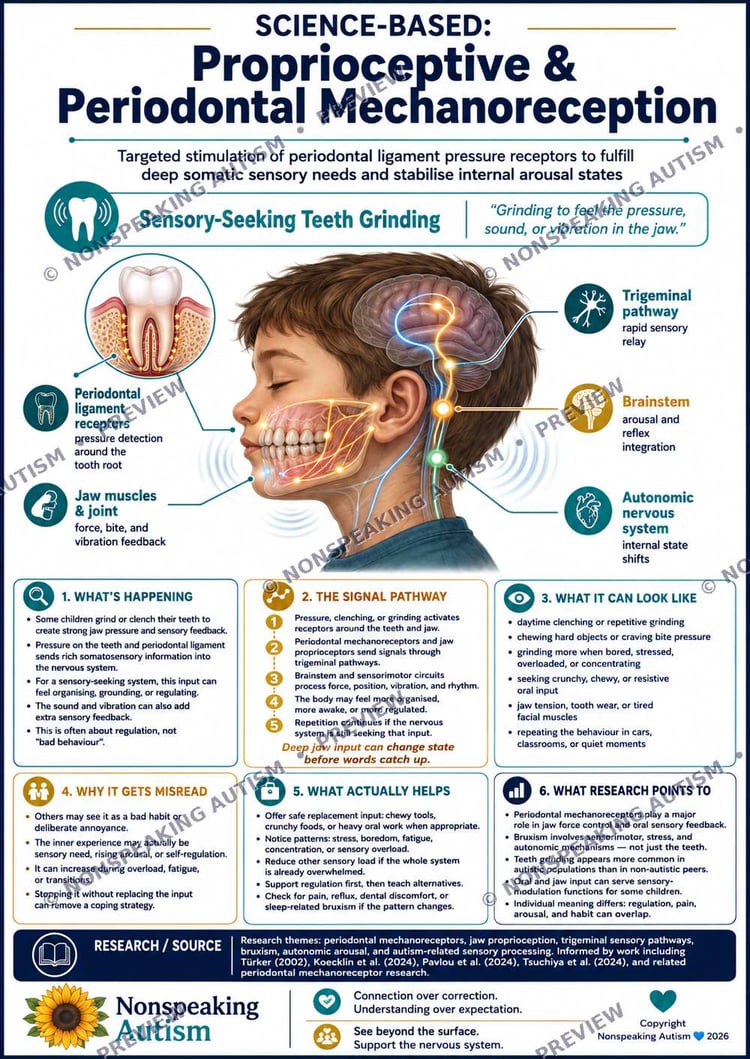
It may be associated with regulation, sensory processing, concentration, emotional expression, excitement, enjoyment or coping with stress.
This worksheet provides space to explore:
🧠 My Stimming Types
and:
🕐 When It Happens
Looking at context can help reveal patterns.
Does a particular stim appear more frequently when the person is excited?
Overloaded?
Concentrating?
Anxious?
Comfortable?
Trying to regulate?
Rather than immediately asking:
“How do we stop this?”
the worksheet encourages another question:
“What might this be doing for the person?”
Harmless autistic stimming should not automatically become a target for elimination simply because it looks different from non-autistic behaviour.
5️⃣ Sensory & Autonomy Audit
Sensory experiences can influence comfort, regulation and participation across everyday life.
The Sensory & Autonomy Audit helps explore:
👁️ Sensory Triggers
and:
⚙️ Supportive Adaptations
Possible areas to consider might include:
sound
lighting
clothing
touch
smell
crowds
temperature
movement
seating
personal space
communication demands
transitions
The purpose is not to remove every sensory experience from life.
It is to identify avoidable barriers and consider whether a reasonable change could make an environment more accessible.
Most importantly, sensory support should reflect the individual person's actual experience and preferences.
6️⃣ Proactive Accommodation Checklist
Support should not have to begin only after someone reaches crisis point.
The Proactive Accommodation Checklist encourages families and supporters to think ahead.
The worksheet considers two important areas:
🏠 Environment
and:
💬 Communication
Depending on the individual, accommodations might include:
quieter spaces
clearer instructions
visual information
additional processing time
advance warning of changes
predictable routines
sensory supports
movement opportunities
alternative communication
reduced unnecessary demands
planned recovery time
The question becomes less:
“Can they cope without help?”
and more:
“What would make this situation genuinely accessible?”
7️⃣ Action Plan: Affirming Support at Home
Understanding needs is valuable.
Turning that understanding into realistic action is the next step.
The Action Plan: Affirming Support at Home provides space to identify:
🎯 My Priorities
and:
⭐ My Goals
Priorities might involve:
communication
sensory accessibility
regulation
daily routines
rest and recovery
independence
family connection
self-advocacy
reducing unnecessary distress
participation in meaningful activities
Families do not have to change everything at once.
Sometimes identifying one meaningful priority can make more difference than trying to implement ten strategies simultaneously.
And goals do not need to focus on making someone appear less autistic.
A meaningful goal should make life safer, more accessible, more communicative, more comfortable or more fulfilling for the individual.
8️⃣ Self-Reflection & Progress Review
Needs change.
Environments change.
People change.
A strategy that helped six months ago may not be what someone needs today.
The Self-Reflection & Progress Review provides space to ask:
🌷 How Am I Feeling?
and:
📊 What's Working?
This encourages support to remain flexible rather than becoming a fixed programme.
Progress can mean many things.
It might mean:
recognising overload earlier
communicating a boundary
finding a sensory accommodation
asking for help
recovering more effectively
feeling safer
having communication respected
participating in something meaningful
or simply:
understanding yourself better.
Progress does not have to mean doing more, needing less support or appearing more neurotypical.
🧠 From “Behaviour” to Understanding
A major theme running throughout this FREE pack is looking beneath what can be seen from the outside.
Instead of stopping at:
“They won't do it.”
we might explore:
“What is making this difficult?”
Instead of:
“She's coping fine.”
we might ask:
“How much energy is she using to appear fine?”
Instead of:
“That behaviour needs stopping.”
we might consider:
“Is this helping her regulate?”
And instead of:
“They need to become more independent.”
we can ask:
“What kind of support creates meaningful autonomy?”
Understanding the function, context and individual experience can change the support that follows.
See beyond the surface.
♾️ Created With Autistic Girls & Women in Mind
Autistic girls and women are diverse.
There is no single female autism profile.
Not every autistic girl masks.
Not every autistic woman has subtle stims.
Not everyone experiences sensory overload.
Not everyone needs the same accommodations.
Some people have substantial daily support needs.
Others may appear highly independent while expending significant energy navigating environments designed around different expectations.
Communication styles, sensory profiles, strengths, challenges and support needs can also change throughout life.
These worksheets therefore provide prompts rather than prescriptions.
The person using the resource provides the individual answers.
💬 Communication Can Look Different
These worksheets do not have to be completed through handwriting or spoken conversation.
Where appropriate, responses can be communicated using:
writing
typing
AAC
symbols
drawing
pointing
gestures
choice-making
supported conversation
or another reliable communication method.
A worksheet about an autistic person should ideally include that person's perspective wherever accessible and appropriate.
The goal is not to fill every box perfectly.
The goal is useful understanding.
🌿 Ways to Use Your FREE Worksheets
You can use the pack flexibly.
The worksheets may be printed and completed by hand, revisited over time, used during family discussions, used to prepare for conversations about accommodations, incorporated into home-support planning or used as reflection prompts.
You do not need to complete all eight worksheets together.
You might start with the area that is most relevant now.
For example:
Experiencing frequent overload? Start with the Energy & Overload Tracker.
Trying to understand sensory barriers? Try the Sensory & Autonomy Audit.
Need clearer boundaries? Use the Personal Boundaries & Advocacy Script.
Planning practical changes? Move to the Proactive Accommodation Checklist and Action Plan.
Then return to the Self-Reflection & Progress Review to consider whether those changes are genuinely helping.
🔬 Research-Informed & Neurodiversity-Affirming
The themes within this resource are informed by contemporary research and understanding relating to areas such as:
autistic camouflaging
sensory processing
stimming and self-regulation
communication
autonomy
environmental accommodations
energy and recovery
autistic wellbeing
Research identifies group-level patterns, but those findings should never be treated as rules for an individual autistic person.
The worksheets are therefore designed as educational, reflection and support-planning resources.
They are not diagnostic or clinical assessment tools.
The guiding principle is:
Understand the person before trying to change the behaviour.
👩👧 Who Is This FREE Resource For?
This pack may be useful for:
- autistic girls and women
- autistic teenagers and young adults
- parents and caregivers
- families
- teachers and educators
- special-education and SEND professionals
- school inclusion and pastoral teams
- occupational therapists
- speech-language professionals
- psychologists and allied professionals
- support workers
- family-support services
- autism and disability organizations
- neurodiversity education and training settings
The worksheets can be adapted according to age, communication style, individual circumstances and level of support.
🎁 What You Receive — Completely FREE
Your FREE digital download includes the complete:
Complete Companion Printable Pack — 8 Worksheets
1 × Energy & Overload Tracker
1 × Unmasking & Stimming Assessment
1 × Personal Boundaries & Advocacy Script
1 × Identifying Stimming & Nervous System Cues
1 × Sensory & Autonomy Audit
1 × Proactive Accommodation Checklist
1 × Action Plan: Affirming Support at Home
1 × Self-Reflection & Progress Review
8 × high-quality printable digital worksheets — FREE
The downloadable worksheets are supplied clear and without the promotional preview watermarks shown on the Payhip listing images.
Watermarks visible in promotional images are used for preview and copyright protection only.
FREE digital download.
No physical product will be shipped.
⚠️ Important Educational Disclaimer
This FREE printable pack is provided for educational, informational and reflection purposes only.
It is not a diagnostic assessment, autism screening tool, psychological assessment, medical advice, therapy, treatment plan or substitute for individualized professional assessment or support.
The worksheets should not be used to diagnose autism, determine clinical needs, assess the “severity” of autism or make medical or mental-health decisions.
Autistic people vary considerably in their experiences, communication, sensory profiles, strengths, preferences and support needs.
A person's responses to these worksheets should therefore be understood within their individual circumstances and context.
Where there are concerns about significant, sudden, unusual, severe or prolonged changes in behaviour, communication, emotional wellbeing, responsiveness, pain or functioning, appropriate professional or medical assessment should be sought where relevant.
💛 Why This Pack Is FREE
Useful support tools should be accessible.
Families, autistic people and educators should be able to explore questions about sensory needs, energy, masking, stimming, boundaries, accommodations and support without every resource becoming another financial barrier.
That is why Nonspeaking Autism has made this complete 8-worksheet companion pack available as a FREE download.
Use the worksheets that help.
Leave the ones that do not.
Return to them when circumstances change.
Adapt conversations around the individual.
And remember that a completed worksheet is never more important than the person completing it.
Calmer spaces.
Kinder tomorrows.
You belong.
Different needs. Brighter possibilities.
Support today for a more inclusive tomorrow.
Understanding over expectation.
©️ Copyright & Permitted Use
Copyright © 2026 Nonspeaking Autism. All rights reserved.
This resource is free to download, but it remains copyrighted material belonging to Nonspeaking Autism.
You may download, print and use the worksheets for:
personal use
home use
classroom or school use
clinic use
individual professional educational use
The worksheets may not be resold, redistributed as digital files, uploaded to other websites or marketplaces, commercially reproduced, altered for resale or incorporated into another paid product without permission.
If another family, educator or professional would like a copy, please direct them to the original Nonspeaking Autism Payhip listing so they can download their own FREE copy.
💙 The Message Behind the Resource
Sometimes the most useful question isn't:
“How can we help this person cope better?”
It is:
“What are they having to cope with?”
What drains their energy?
What restores it?
Where do they feel safe enough to be themselves?
What does their stimming provide?
What sensory experiences create barriers?
Which boundaries matter?
What accommodations make participation easier?
What support protects autonomy?
And what does progress actually mean to them?
Those questions can reveal things that outward behaviour alone cannot.
Because good support is not about producing the most convenient version of an autistic person.
It is about creating environments where they have greater opportunity to communicate, regulate, participate, rest,
advocate and belong.
See beyond the surface.
Different needs. Brighter possibilities.
Calmer spaces. Kinder tomorrows. You belong.
Support today for a more inclusive tomorrow.
Connection over correction. Understanding over expectation.
© Nonspeaking Autism 2026