
What Helps With Morning Overwhelm
What Helps With Morning Overwhelm
Why mornings can feel so hard for autistic and AuDHD brains — and strategies to support a calmer start to the day
For some autistic and AuDHD children, mornings can involve much more than simply waking up, getting dressed and leaving the house.
The transition from sleep to wakefulness can bring a rapid combination of neurological, sensory, physical and executive-function demands. Light returns, sounds begin, body sensations become noticeable, decisions need to be made and expectations can arrive before the nervous system has fully adjusted to being awake.
What Helps With Morning Overwhelm is an educational poster designed to help families, carers, educators and professionals look beneath morning behaviour and consider what the brain and body may be experiencing.
Rather than assuming a child is being lazy, difficult or deliberately uncooperative, the poster encourages a more supportive question:
What might be making this morning hard — and what could make it easier?
🧠 What This Poster Explores
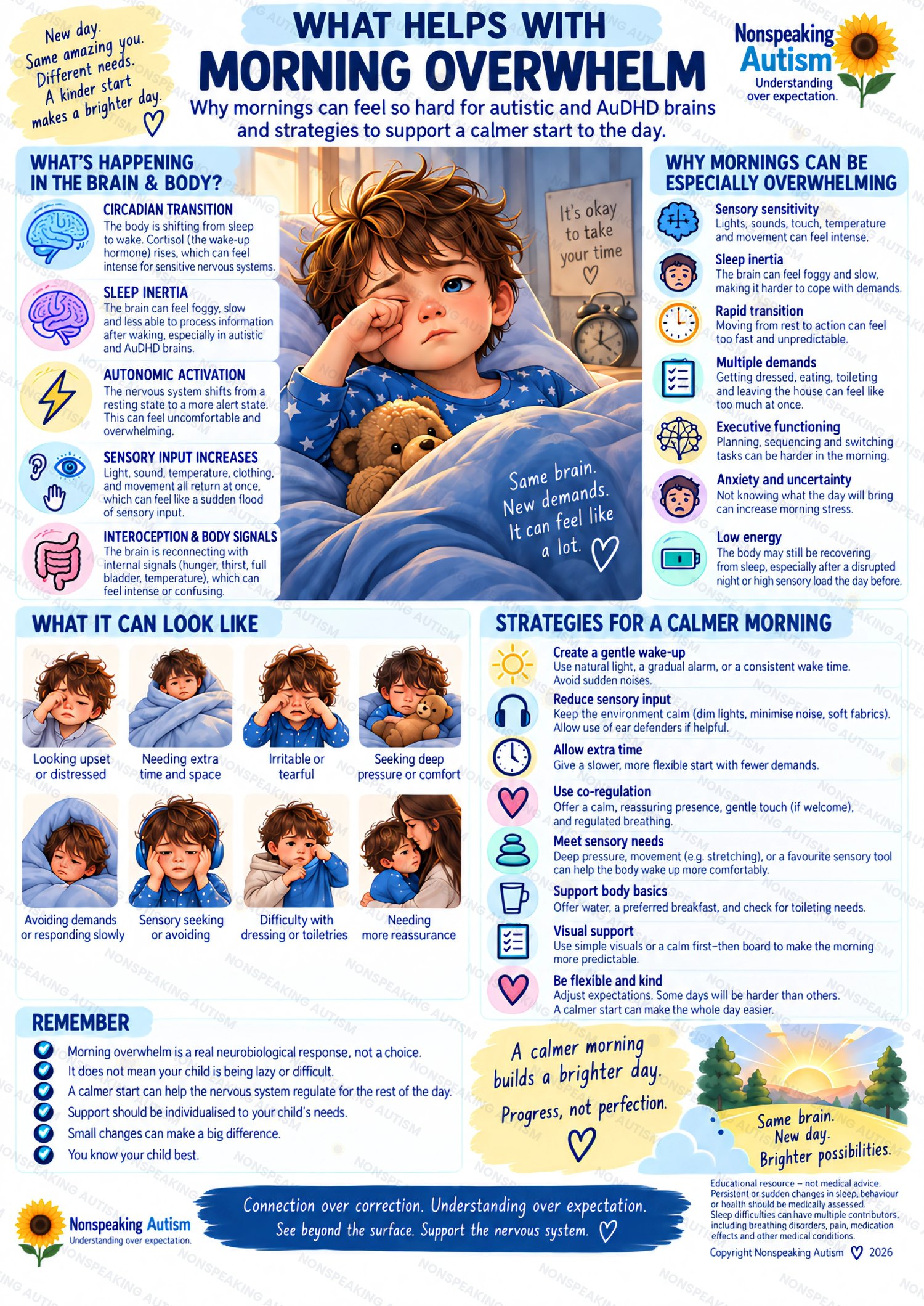
The poster explores several factors that may contribute to morning overwhelm, including:
- Circadian transition — the body's shift from sleep to wakefulness
- Sleep inertia — why the brain may initially feel foggy, slow or less able to process information
- Autonomic activation — the nervous system moving from a resting state towards greater alertness
- Increasing sensory input — including light, sound, temperature, clothing and movement
- Interoception and body signals — reconnecting with sensations such as hunger, thirst, temperature and bladder needs
- Sensory sensitivity
- Rapid transitions from rest to activity
- Multiple simultaneous demands
- Executive-function demands, including planning, sequencing and task switching
- Anxiety and uncertainty about the day ahead
- Low energy, particularly following disrupted sleep or a demanding previous day
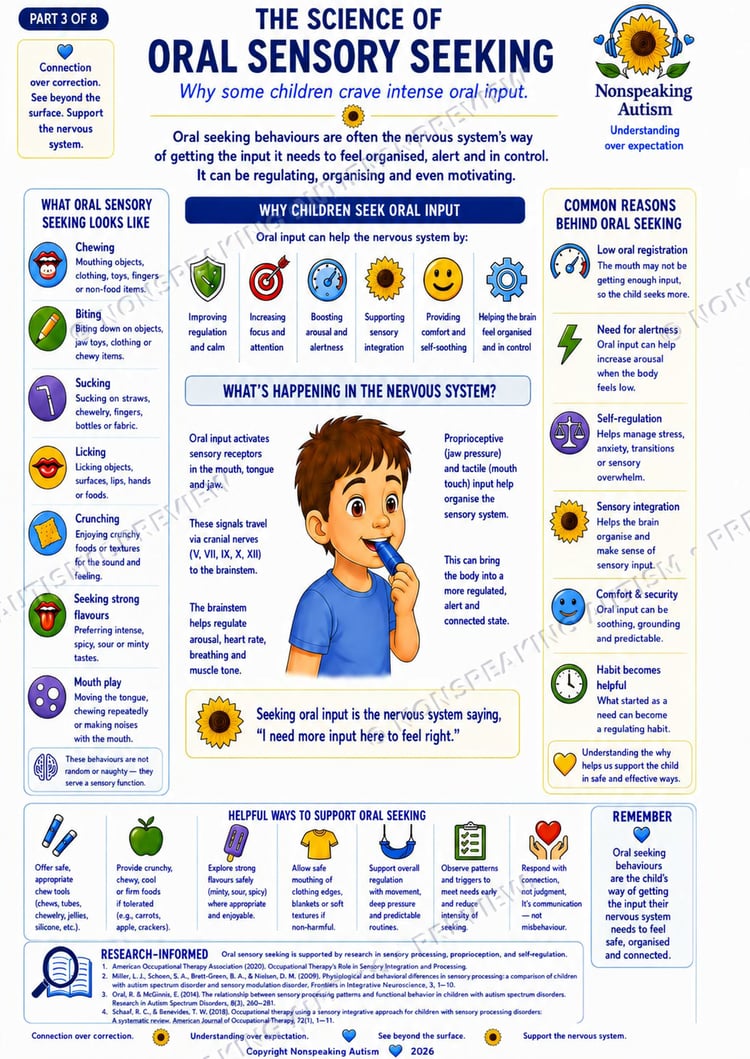
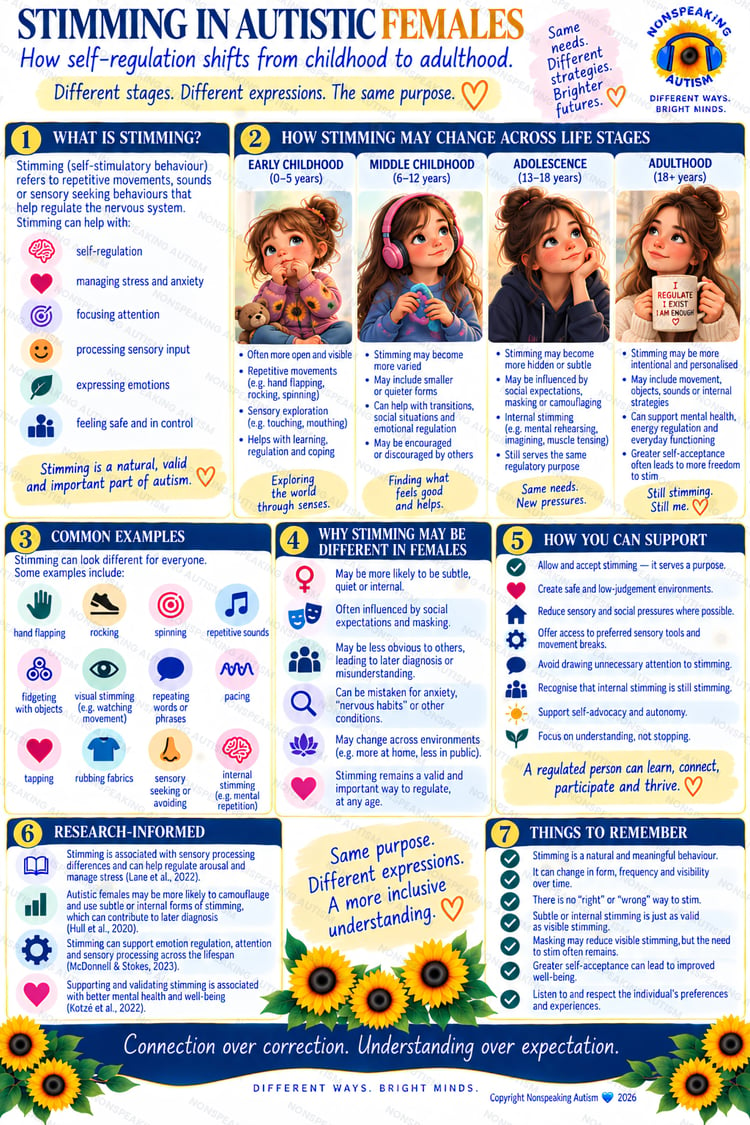
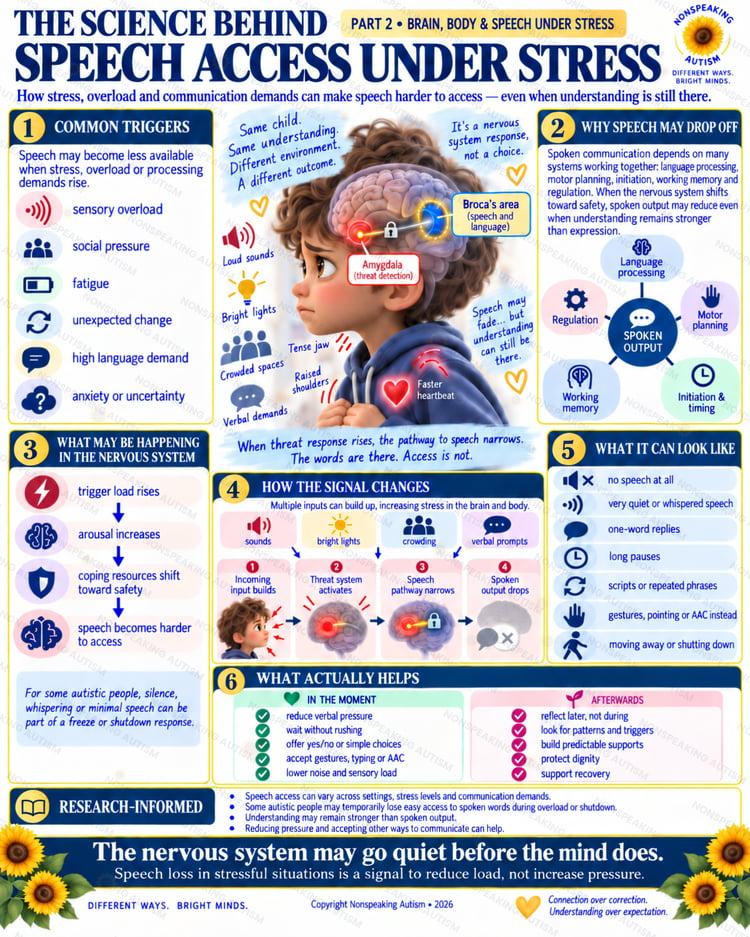
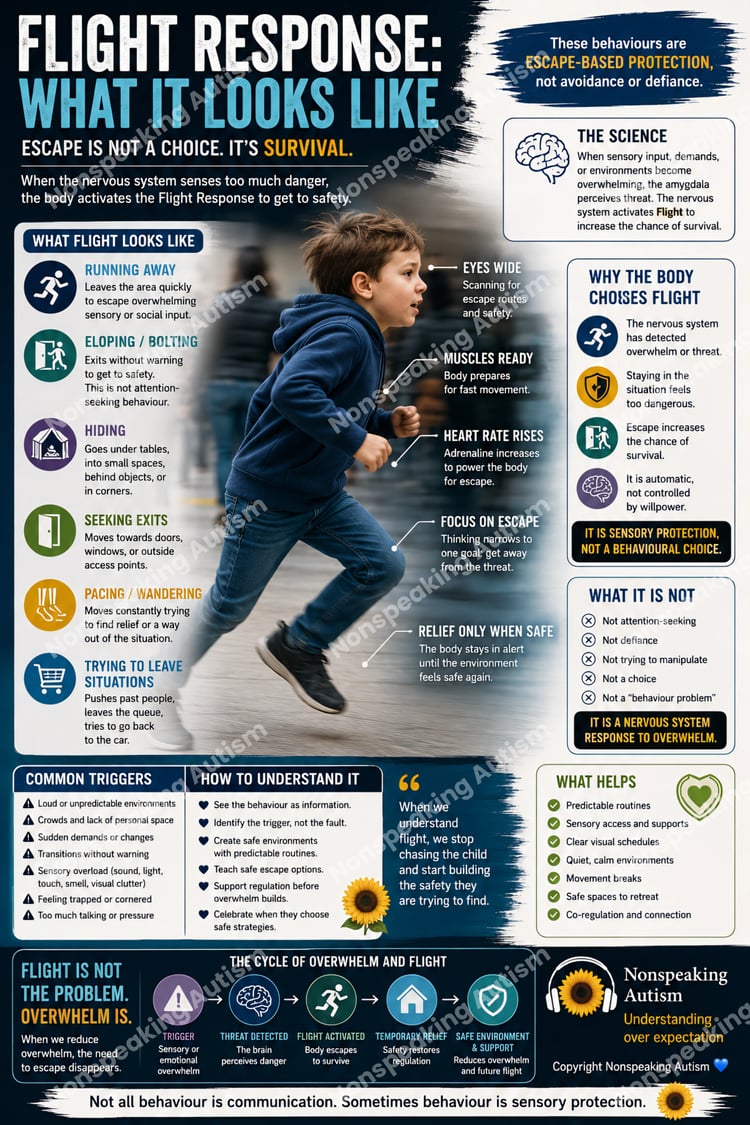
The resource brings these factors together to show why an apparently ordinary morning routine can represent a significant amount of neurological and sensory work.
💙 What Morning Overwhelm Can Look Like
Morning overwhelm will not look the same for every child.
The poster illustrates examples including:
- Looking upset or distressed
- Needing additional time and personal space
- Appearing irritable or tearful
- Seeking deep pressure or comfort
- Avoiding demands or responding slowly
- Sensory seeking or sensory avoidance
- Difficulty with dressing or toileting
- Needing additional reassurance
These responses can provide useful information about what the child may need rather than simply being behaviours that need to be stopped.
🌅 Strategies for a Calmer Morning
The poster includes practical, supportive ideas that can be adapted to the individual child.
These include:
Create a gentler wake-up
Consider natural light, gradual alarms and predictable waking routines where appropriate.
Reduce sensory input
Dim lighting, less noise, comfortable clothing and access to helpful sensory supports may make the transition easier.
Allow extra time
A slower and more flexible start can reduce the pressure to move immediately from sleep into multiple demands.
Use co-regulation
A calm, reassuring adult presence can provide support while the nervous system adjusts.
Meet sensory needs
Movement, deep pressure or preferred sensory tools may help some children wake more comfortably.
Support body basics
Water, preferred foods and attention to toileting or other physical needs can all matter.
Use visual support
Simple visual routines or first–then supports can increase predictability and reduce the amount of verbal information a child needs to process.
Be flexible and kind
Capacity can vary from day to day. A difficult morning does not necessarily mean something has gone wrong.
🌻 The Key Message
Morning overwhelm can be a genuine nervous-system response.
A child who is moving slowly, struggling to dress, avoiding conversation, becoming tearful or needing additional reassurance may be communicating that their system is not yet ready for the demands being placed upon it.
Supporting the transition rather than immediately increasing pressure can help create a more manageable beginning to the day.
A calmer morning builds a brighter day.
Progress, not perfection.
👨👩👧 Who Is This Resource For?
This poster may be useful for:
- Parents and carers
- Autistic and AuDHD families
- Teachers and teaching assistants
- SENCOs and SEND teams
- Autism and inclusion teams
- Occupational therapists
- Speech and language professionals
- Support workers
- Early-years and childcare settings
- Family-support professionals
- Schools and specialist educational settings
It can be used at home, displayed in educational or professional settings, shared with people supporting a child, or used as a starting point for conversations about morning routines and reasonable support.
📦 What You Receive
Your purchase includes:
1 × What Helps With Morning Overwhelm
This is a digital educational poster from Nonspeaking Autism, supplied as a PDF file.
The purchased version is supplied clear and without the promotional preview watermark. Watermarks visible on Payhip listing images are used for preview and copyright-protection purposes.
Digital download only — no physical product will be shipped.
⚠️ Important Disclaimer
This resource is provided for educational and informational purposes only. It is not medical advice, diagnosis or a substitute for individual assessment or advice from an appropriately qualified professional.
Persistent or sudden changes in sleep, behaviour or health should be medically assessed where appropriate.
Sleep difficulties can have multiple contributors, including breathing disorders, pain, medication effects and other medical conditions. Strategies should always be individualised to the person's needs, preferences and circumstances.
💛 The Message Behind the Resource
Morning support does not have to be about making a child move faster.
Sometimes the most helpful response is to recognise that the nervous system is making a significant transition and give it the time, predictability, sensory support and connection it needs.
Different mornings may require different levels of support.
New day. Same amazing you. Different needs.
Connection over correction.
Understanding over expectation.
See beyond the surface. Support the nervous system.
© Nonspeaking Autism 2026. All rights reserved.