
Bureaucracy
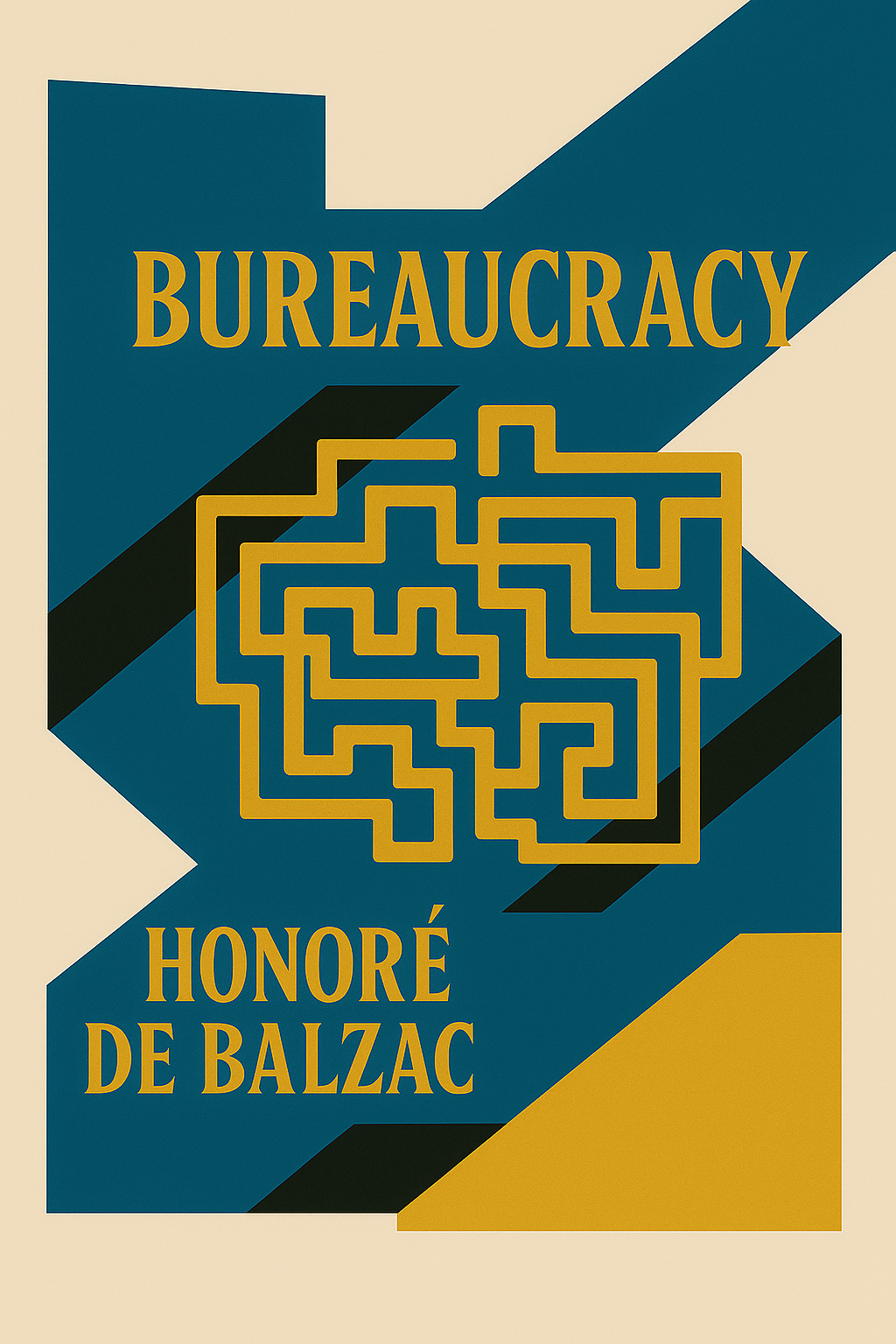
Bureaucracy by Honoré de Balzac is a brilliant and biting examination of the absurdities and injustices woven into the fabric of institutional power. Set against the backdrop of 19th-century France, this lesser-known gem from The Human Comedy exposes the labyrinthine world of government offices, where ambition, greed, and petty rivalries dictate the fates of individuals. At its center is Rabourdin, a conscientious civil servant who devises a plan to reform the corrupt system—only to find himself ensnared in the very machinations he seeks to dismantle.
Balzac masterfully contrasts Rabourdin’s idealism with the venality of his colleagues, including the scheming Baudoyer and the incompetent Saillard, whose mediocrity thrives in a system that rewards conformity over competence. Through razor-sharp wit and unflinching realism, Bureaucracy dissects the soul-crushing inertia of administrative life, where paperwork trumps progress and self-interest overrides public good.
More than a satire of red tape, Bureaucracy is a profound exploration of human folly, ambition, and the systemic decay that arises when institutions prioritize procedure over purpose. Balzac’s keen eye for detail and his gift for psychological depth bring to life a world that is at once farcical and tragic—a world that feels unnervingly familiar even today.
Perfect for readers of classic literature, political satire, and social critique, Bureaucracy is a must-read for anyone who has ever questioned the structures that govern our lives. Whether you’re drawn to its dark humor, its incisive commentary, or its timeless relevance, Balzac’s novel will leave you both laughing and lamenting the follies of human nature. A piercing reminder that the more systems change, the more they stay the same.
About the author
Honoré de Balzac (1799–1850) was a pioneering French novelist and playwright, renowned for his ambitious La Comédie Humaine, a vast collection of interconnected stories depicting French society. A master of realism, Balzac’s keen observations of human nature, social hierarchies, and moral dilemmas earned him lasting acclaim as one of literature’s greatest novelists. His works, including Père Goriot and Eugénie Grandet, remain timeless classics.