
The Core Science: Proprioception Is The Hidden Sense
The Core Science: Proprioception Is The Hidden Sense
You will receive the printable unwatermarked version of this infographic
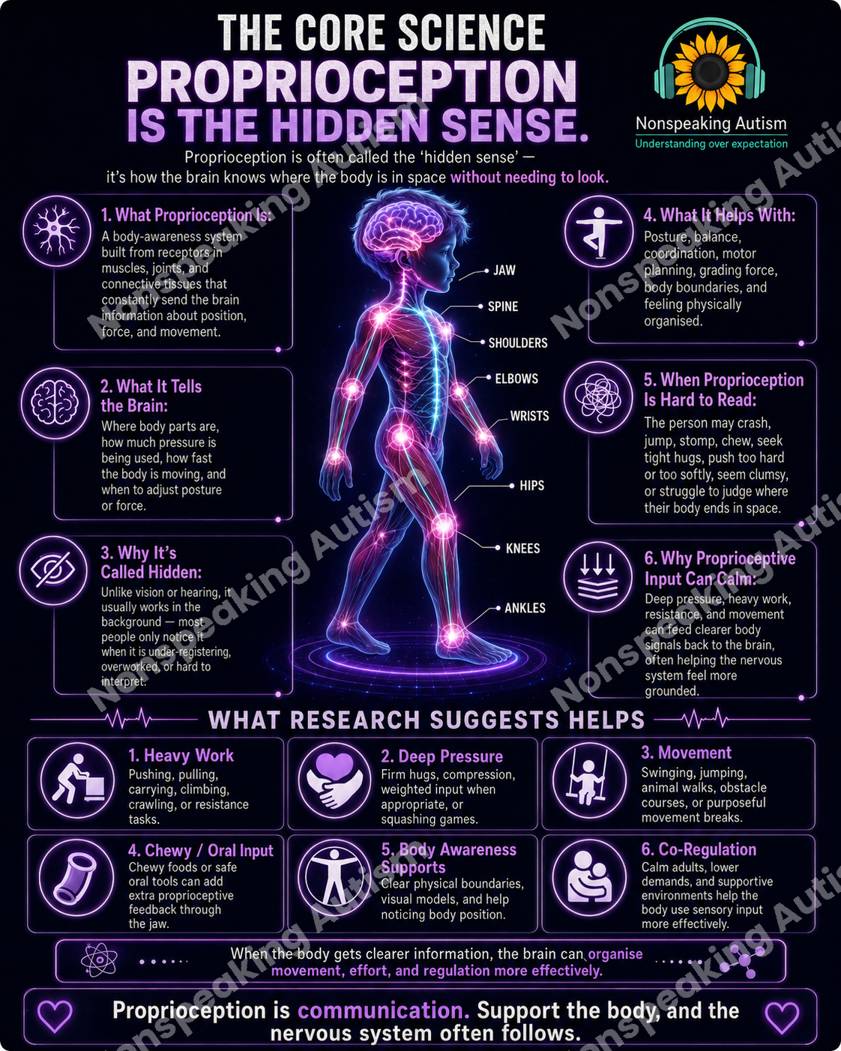
Proprioception is often called the hidden sense. It is how the brain knows where the body is in space without needing to look, and when it is hard to read, it can shape movement, coordination and regulation in ways that are often misunderstood.
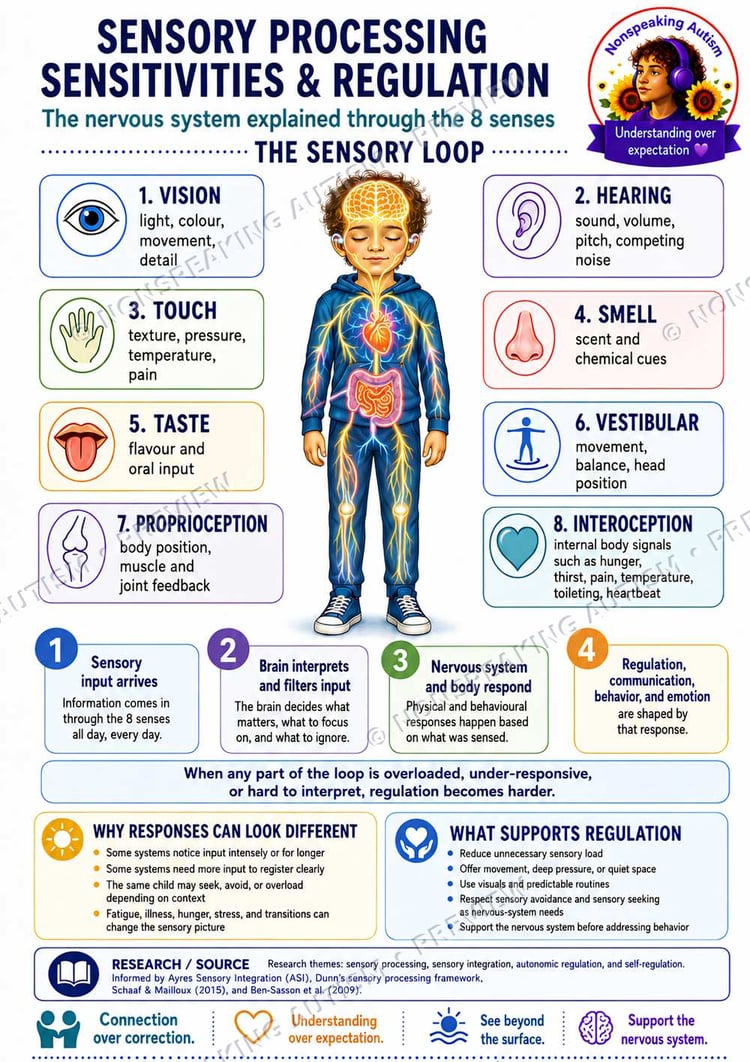
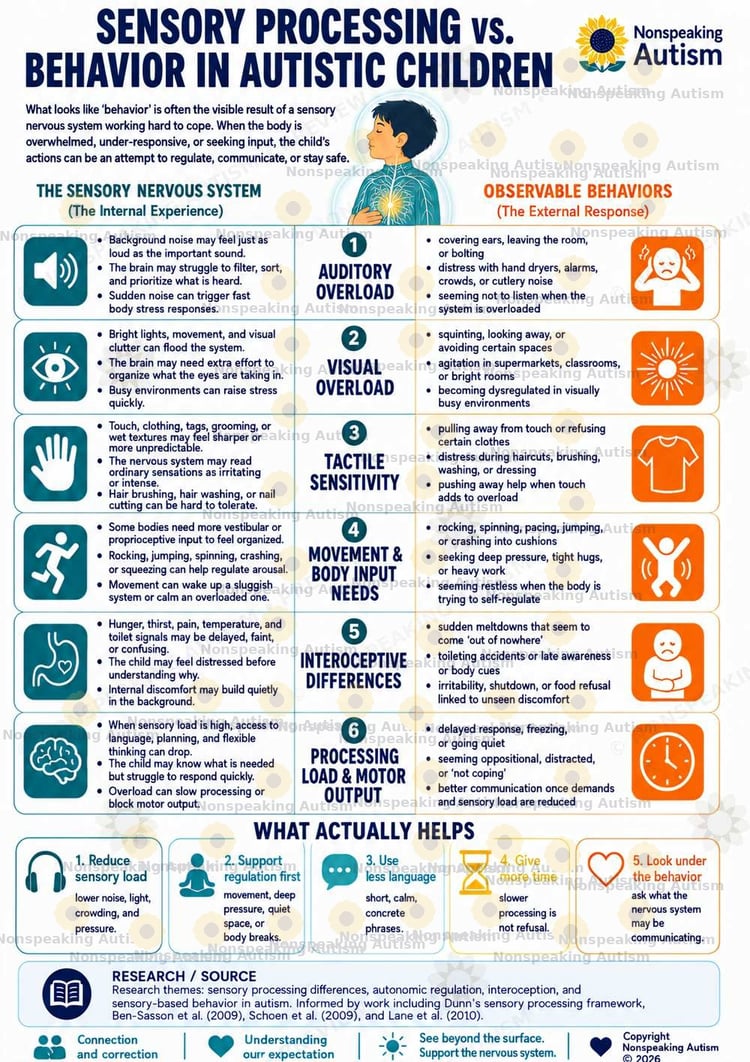
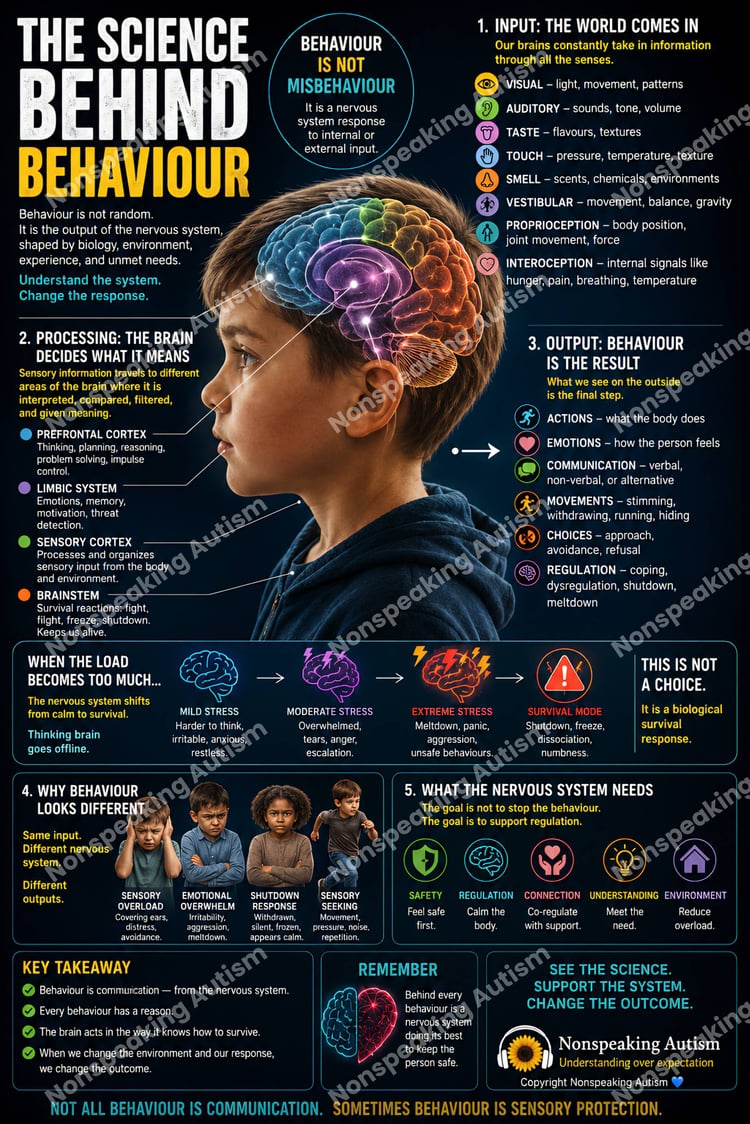
This infographic breaks down what proprioception is, what it tells the brain, why it works so quietly in the background, and what it helps with day to day. It also explains what happens when proprioception is hard to read, from crashing and jumping to seeking tight hugs or struggling to judge where the body ends in space, and why proprioceptive input can be so calming when it is offered.
Perfect for parent carers wanting to understand crashing, jumping, chewing or heavy pushing behaviours differently, and for professionals and educators looking to build proprioceptive support into everyday environments.
What is included:
Clear explanation of what proprioception is and how it works
What it helps with, from posture and balance to body boundaries
Signs that proprioception may be hard to read
Six practical, research backed ways to support it, including heavy work, deep pressure, movement and co-regulation
A high resolution digital download, ideal for printing, sharing with schools and professionals, or keeping as a quick reference for building proprioceptive support into daily routines.
Proprioception is communication. Support the body, and the nervous system often follows.
© Nonspeaking Autism 💙
Disclaimer:
This resource is intended for educational and informational purposes only. It is designed to support understanding of autism, sensory processing, nervous system regulation, and behaviour from a neurodevelopmental perspective.
The information provided is not medical, psychological, therapeutic, or legal advice and should not be used as a substitute for assessment, diagnosis, or treatment by a qualified healthcare professional.
Every autistic person is unique. Strategies and supports should always be tailored to the individual's needs, strengths, and circumstances.
If a child displays a sudden change in behaviour, severe distress, signs of illness, injury, or behaviours that place themselves or others at risk, seek appropriate medical advice or emergency assistance where necessary.
While every effort has been made to ensure the information is accurate and reflects current understanding, knowledge in autism and neuroscience continues to evolve.
This resource is for the purchaser's personal, educational, or professional use only. It may not be copied, redistributed, resold, edited, shared publicly, or reproduced in whole or in part without prior written permission.
© Nonspeaking Autism 💙