
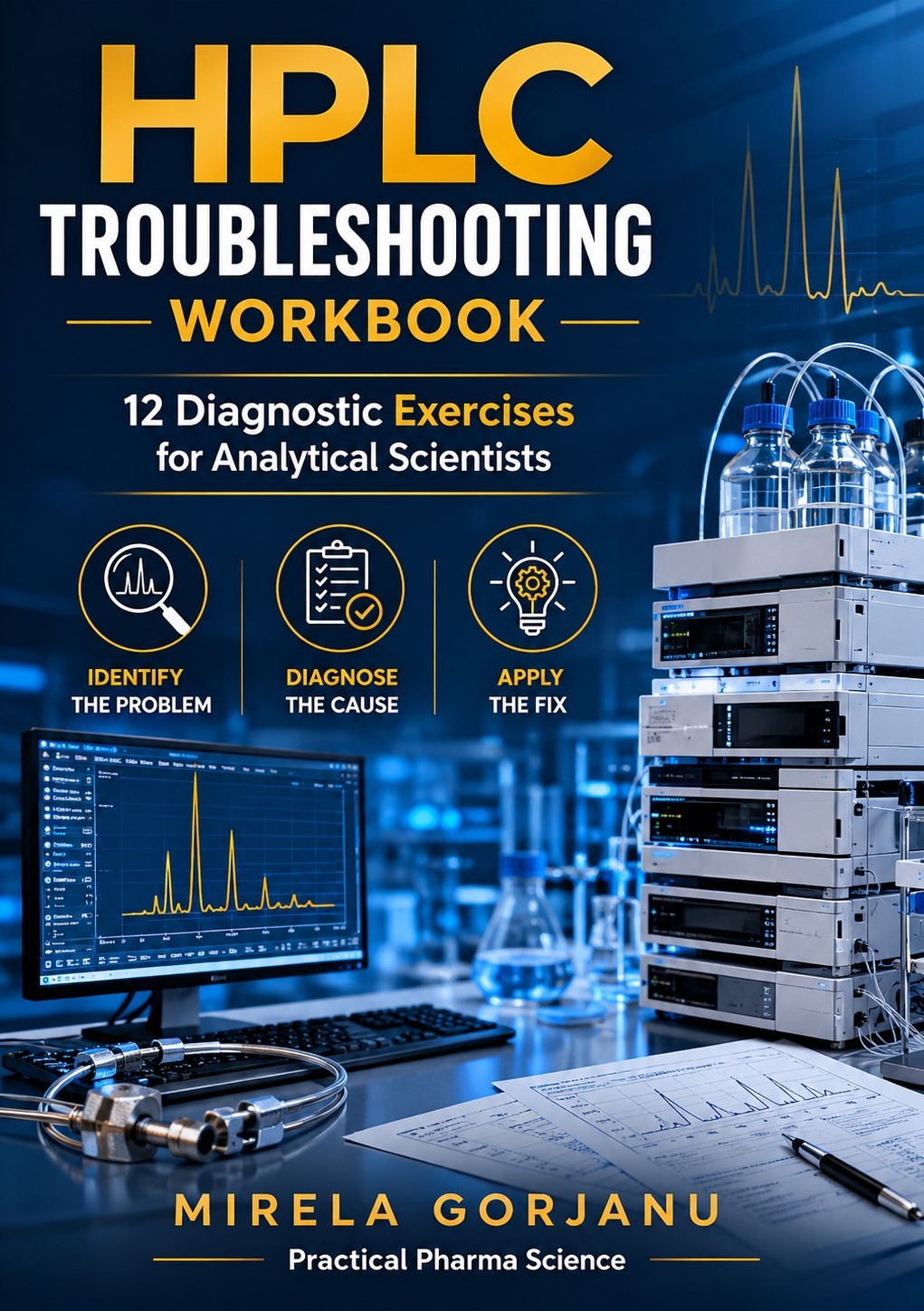
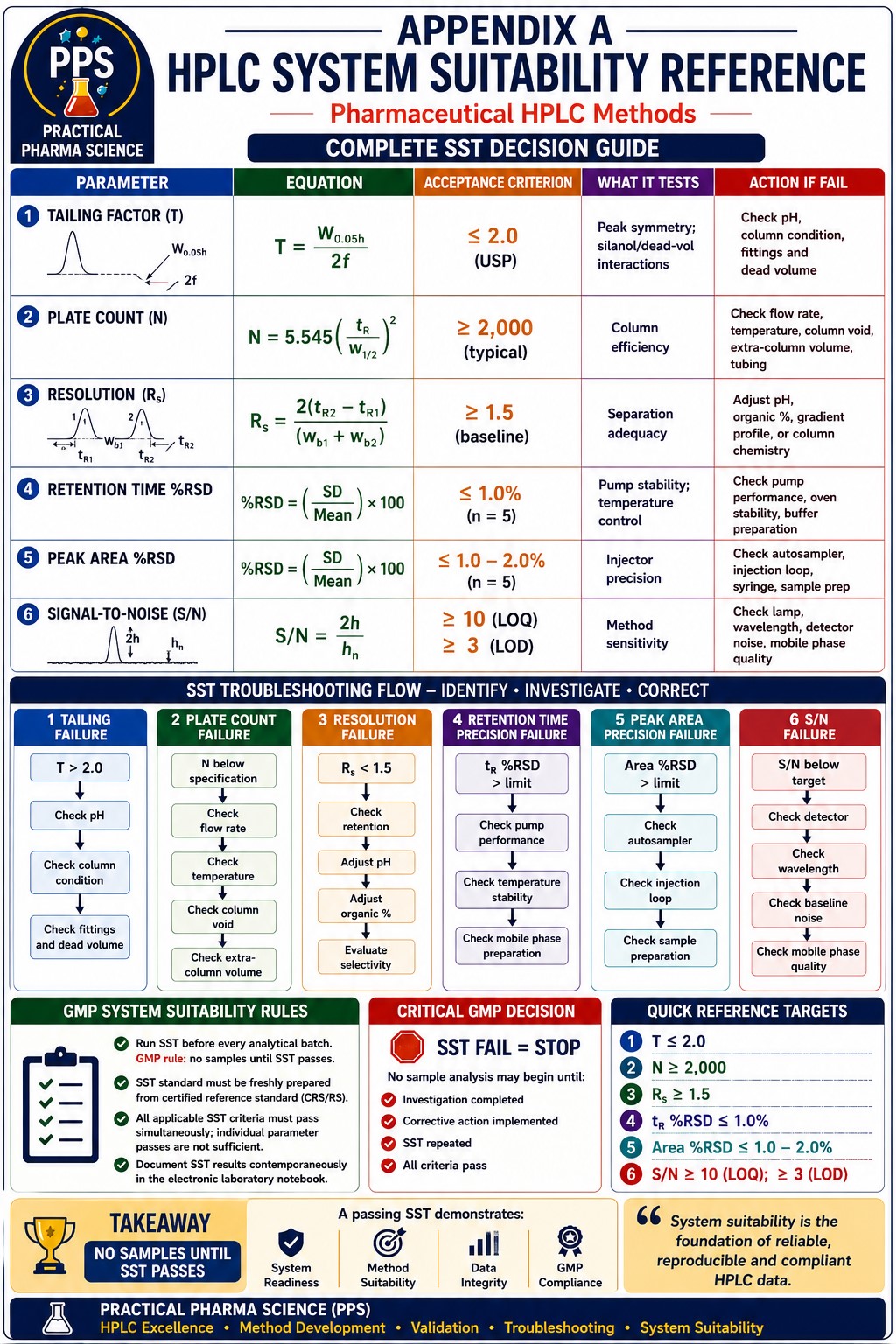
The HPLC Troubleshooting Workbook – 12 Diagnostic Exercises for Real Lab Problems
The HPLC Troubleshooting Workbook
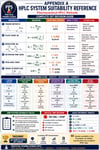
35 print-ready PDF charts plus 12 worked diagnostic exercises from real lab failures.
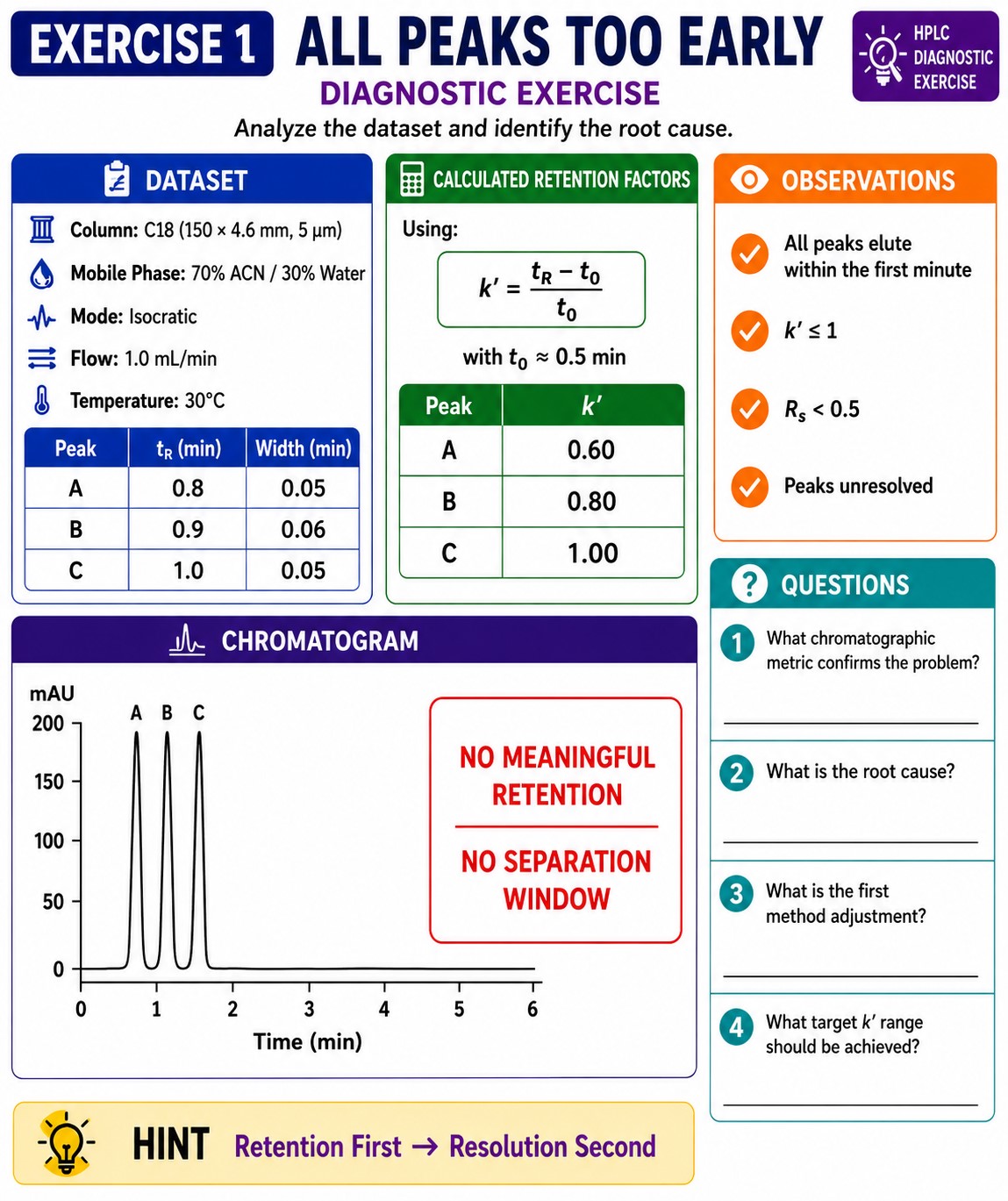
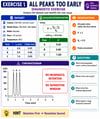
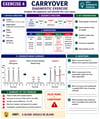
Learn HPLC troubleshooting by solving 12 realistic diagnostic cases, with full worked reasoning.
Description
Reading about troubleshooting doesn't build the instinct. Working through real failures does.
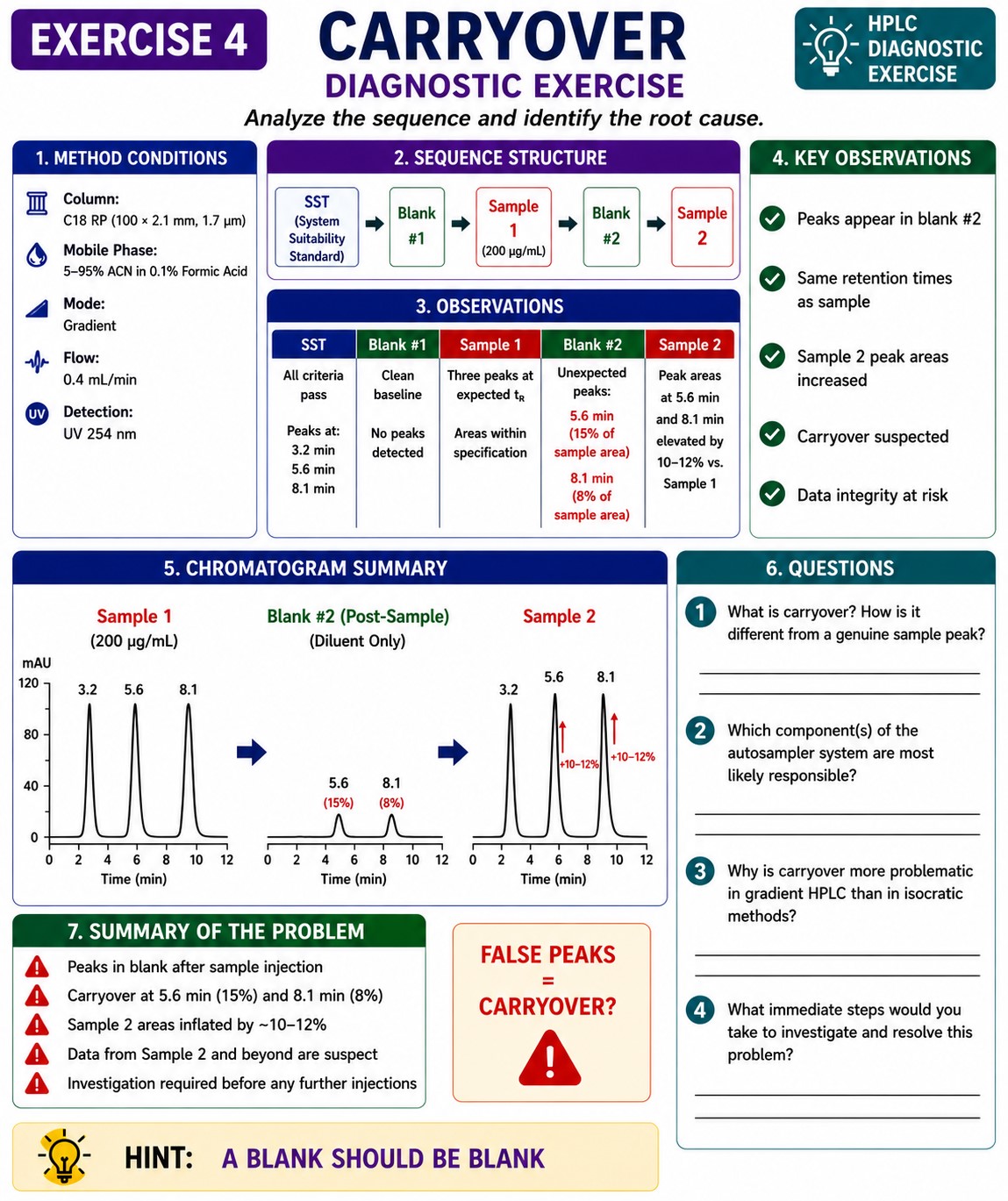
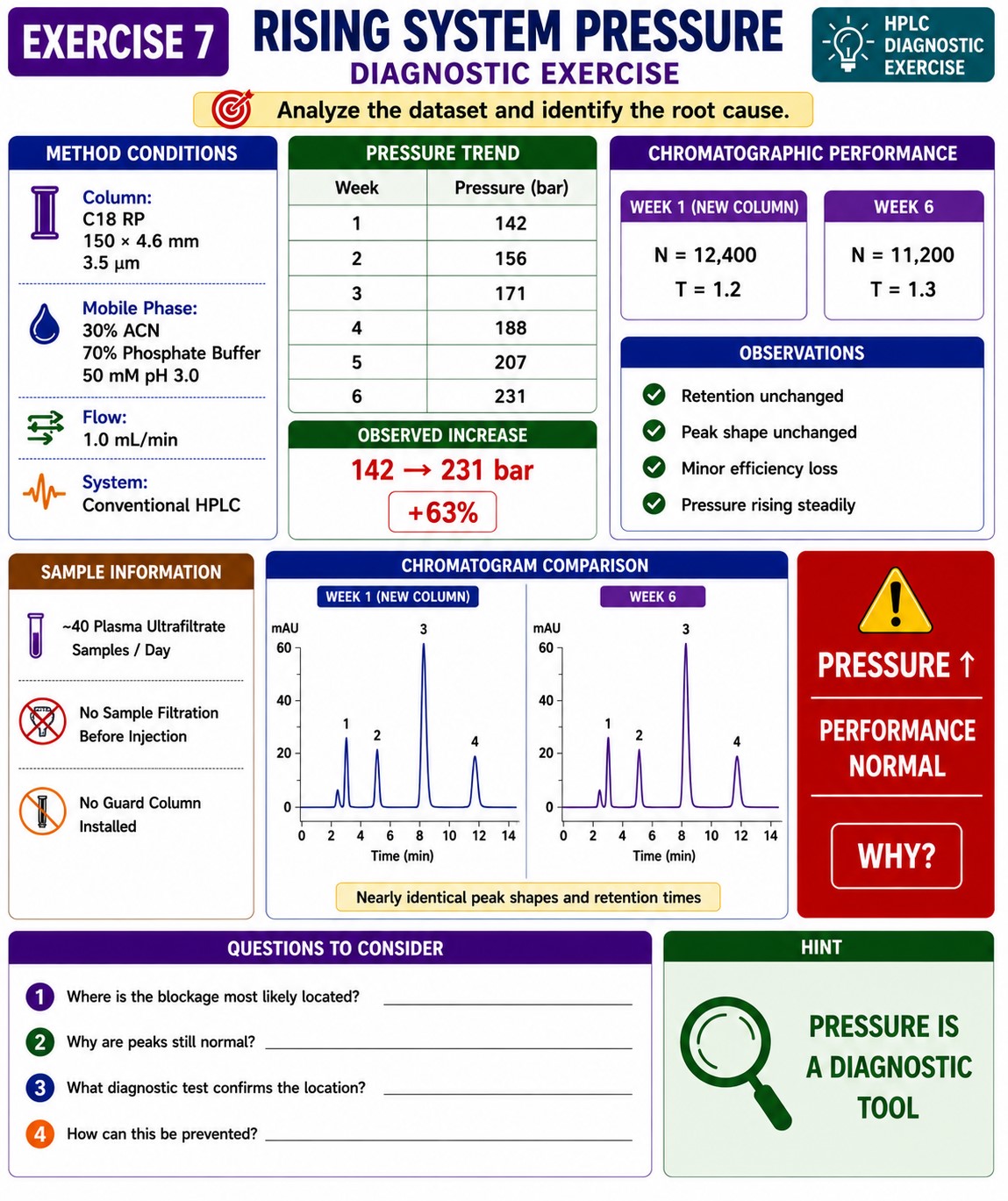
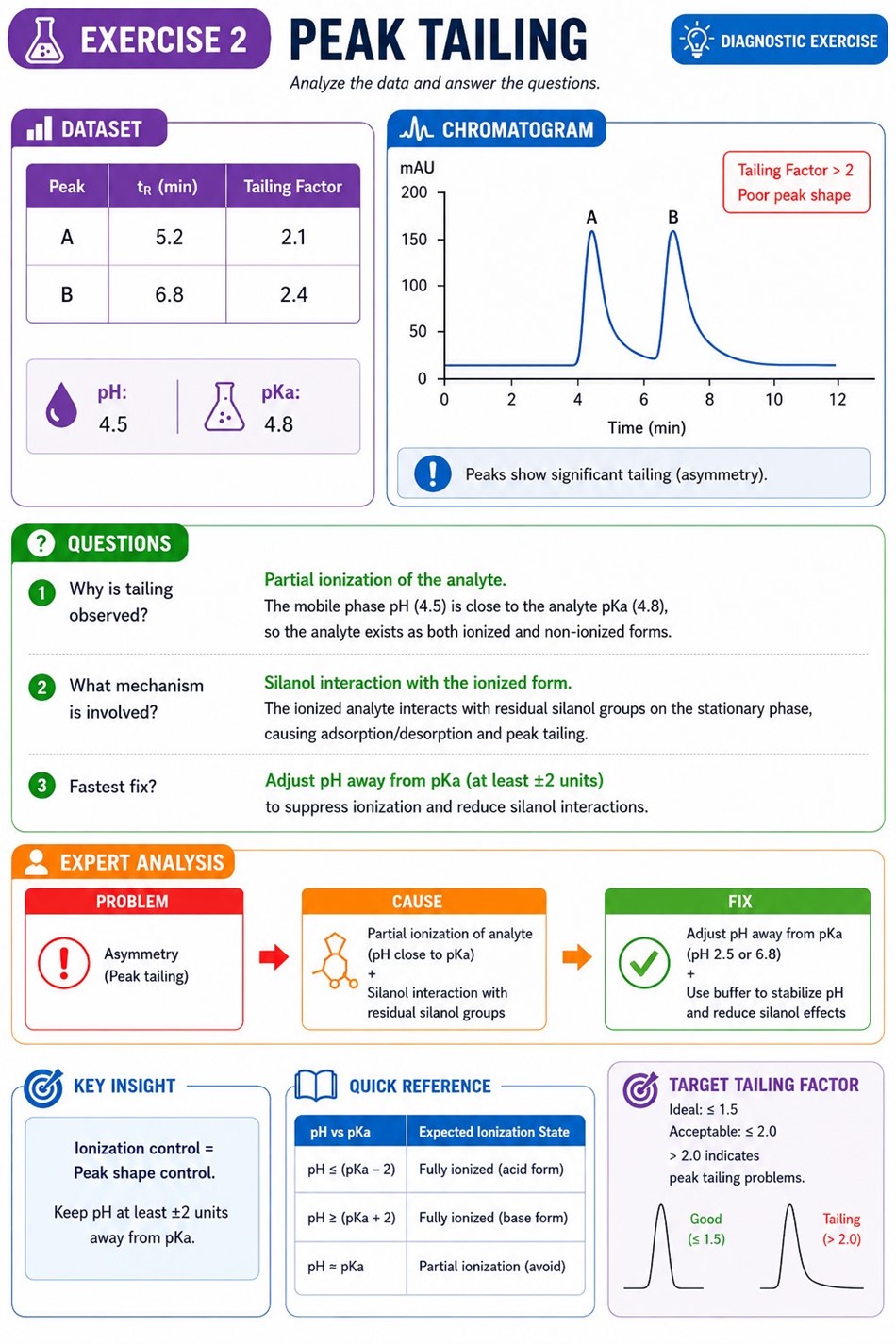
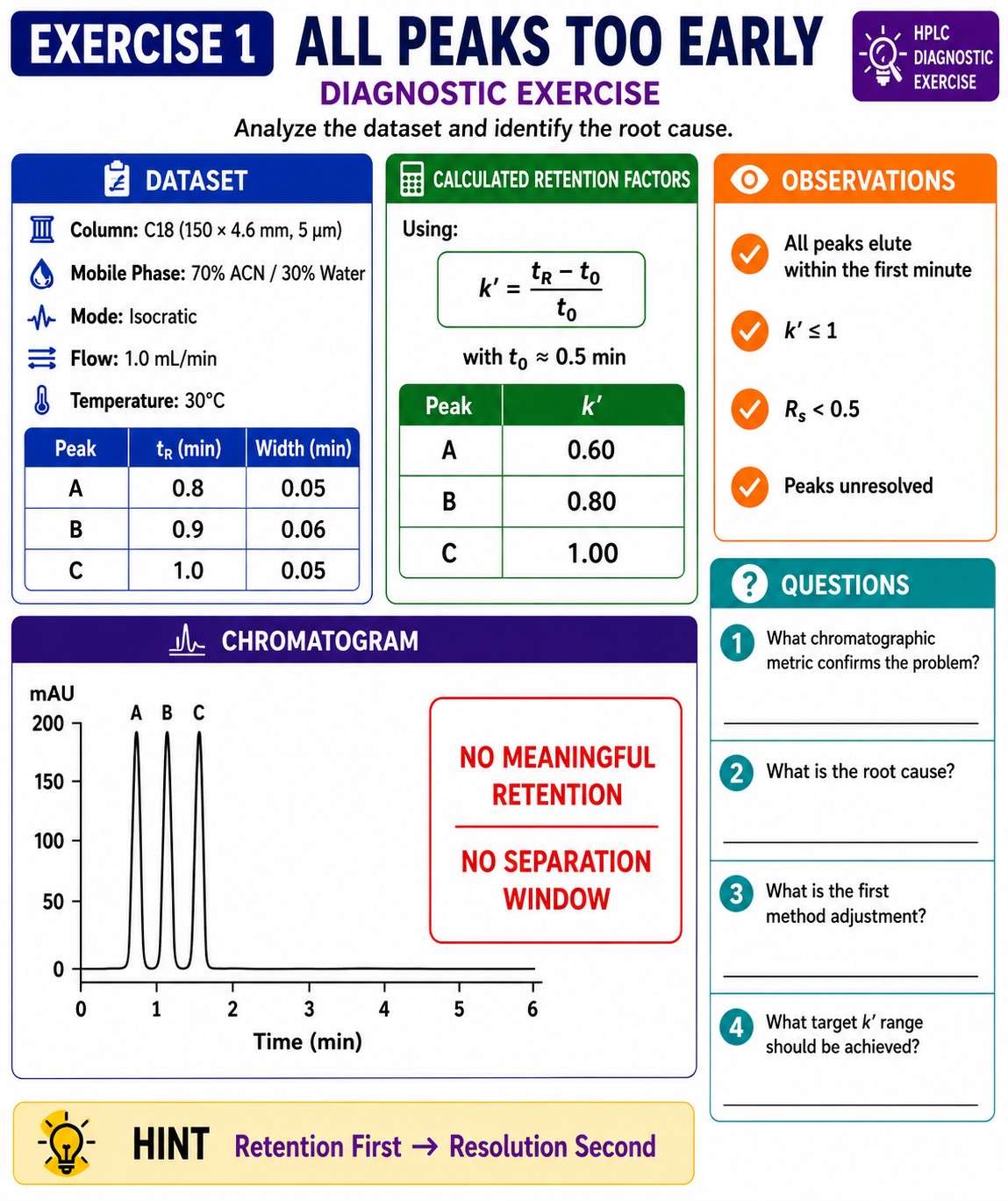
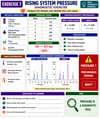
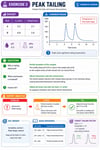
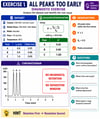
This workbook drops you into twelve realistic scenarios, a drifting baseline, a ghost peak, a pressure spike, an assay that suddenly reads low and asks you to diagnose each one. Then it walks the full reasoning, so you learn to think like an analyst who's seen it before.
What's inside
• 12 diagnostic exercises drawn from real laboratory failures
• Symptom → cause → correction reasoning for each
• The systematic checks that isolate a fault fast
• A reusable troubleshooting approach you keep applying long after the workbook
Who it's for
Analysts who want to build genuine diagnostic instinct, not just memorise a fault table.
Practical and hands-on - the perfect complement to the reference guides.
HPLC, LCMS & GCMS Apps Suite Presentation
👉 https://pps-app-suite.vercel.app/
You tube
👉 https://www.youtube.com/@PracticalPharmaScience
FREE App - HPLC Method Optimizer
👉 https://hplc-method-optimizer.vercel.app/