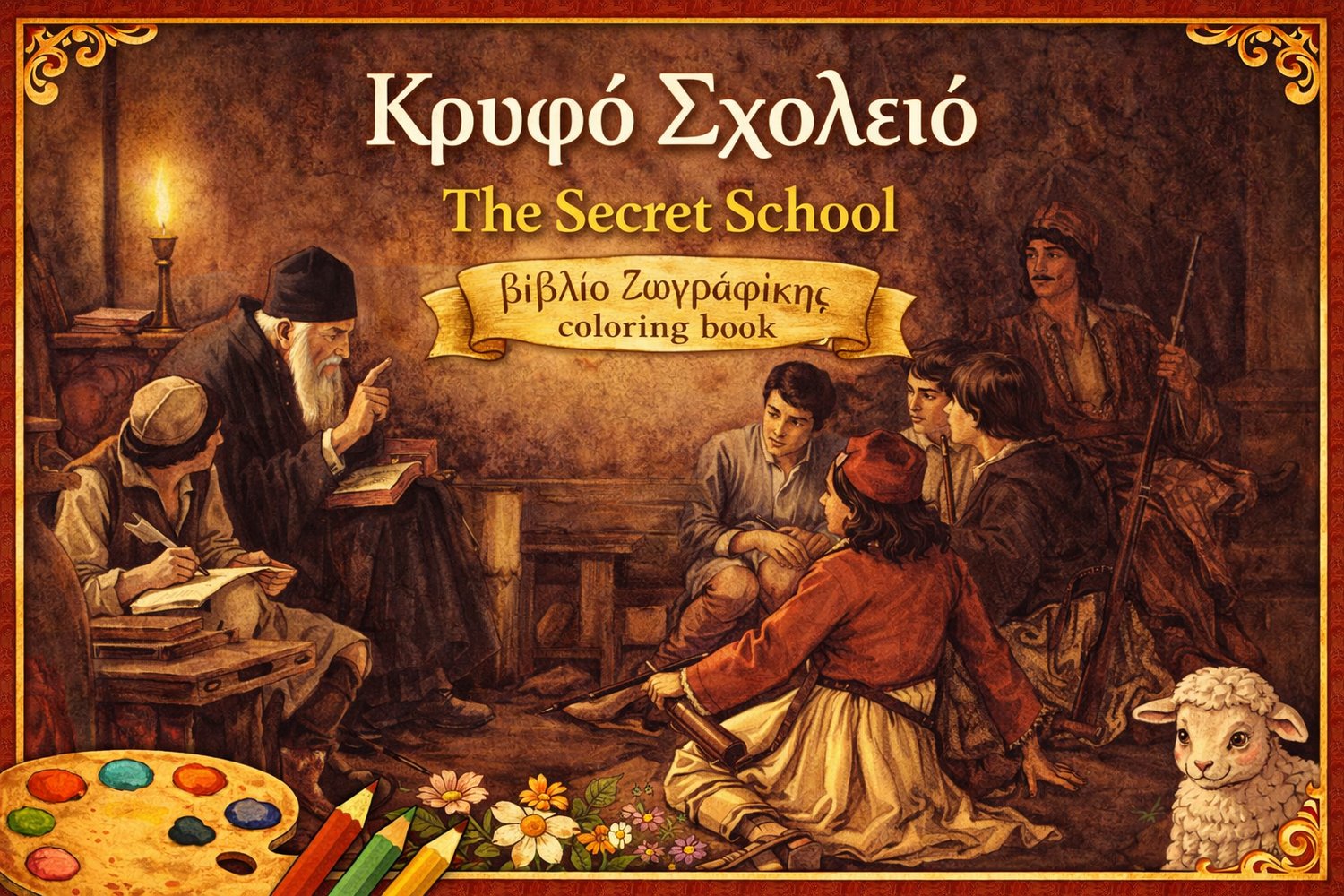
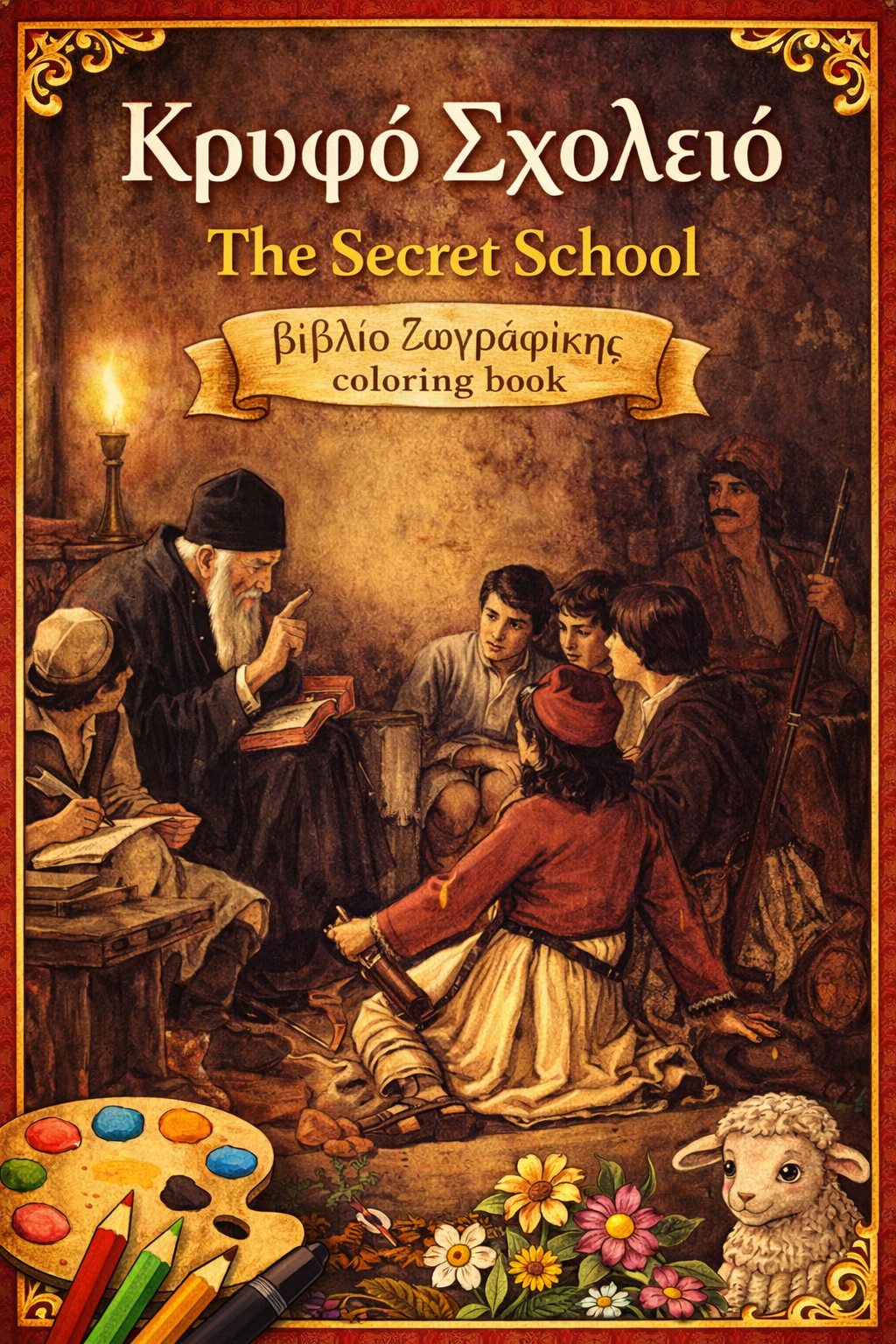
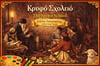
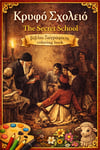
Κρυφό Σχολειό, βιβλίο ζωγραφικής, The secret school, coloring ebook, 51 pages, digital product, instantly download
Κρυφό Σχολειό, βιβλίο ζωγραφικής, The secret school, coloring ebook, 51 pages, digital product, instantly download.
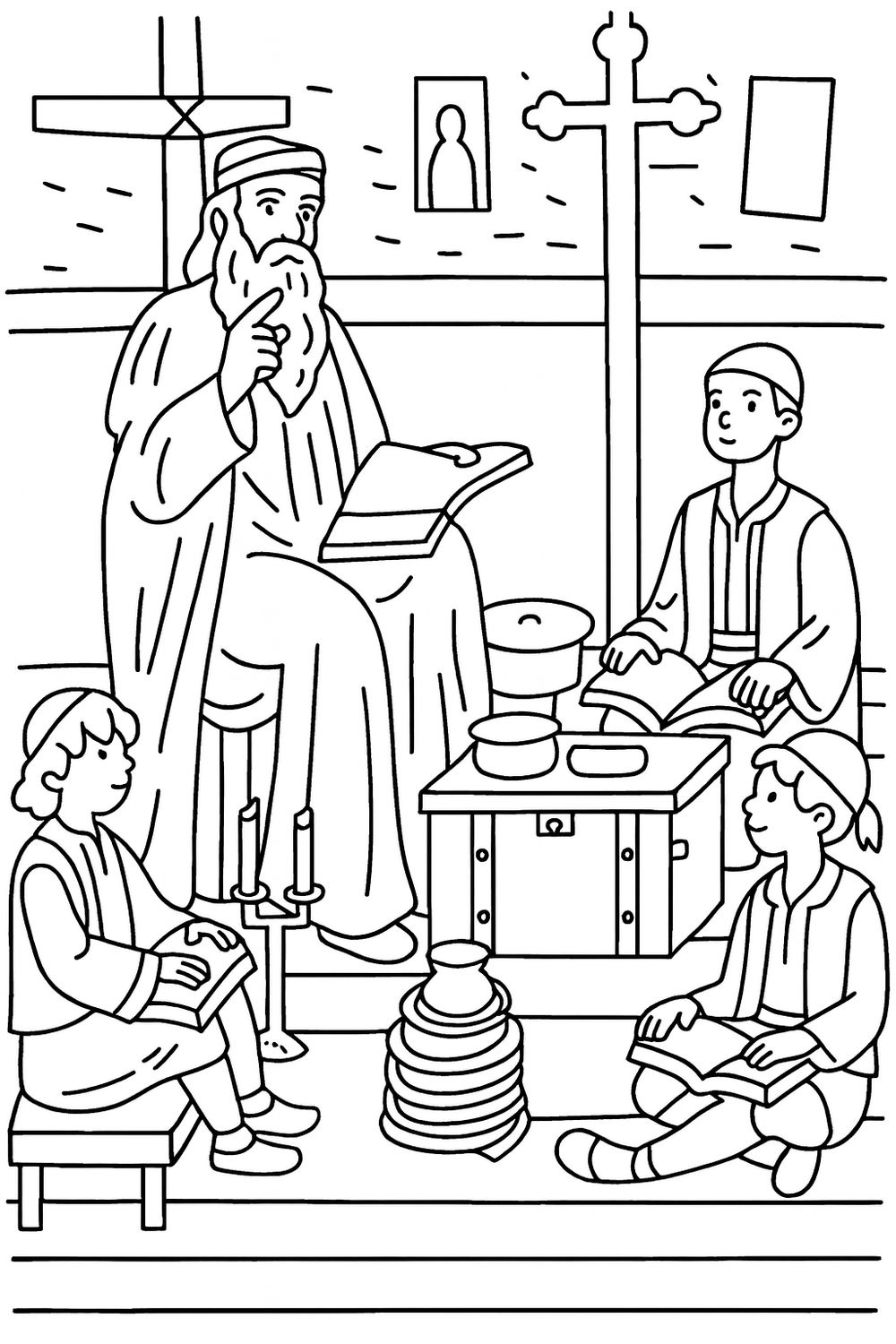
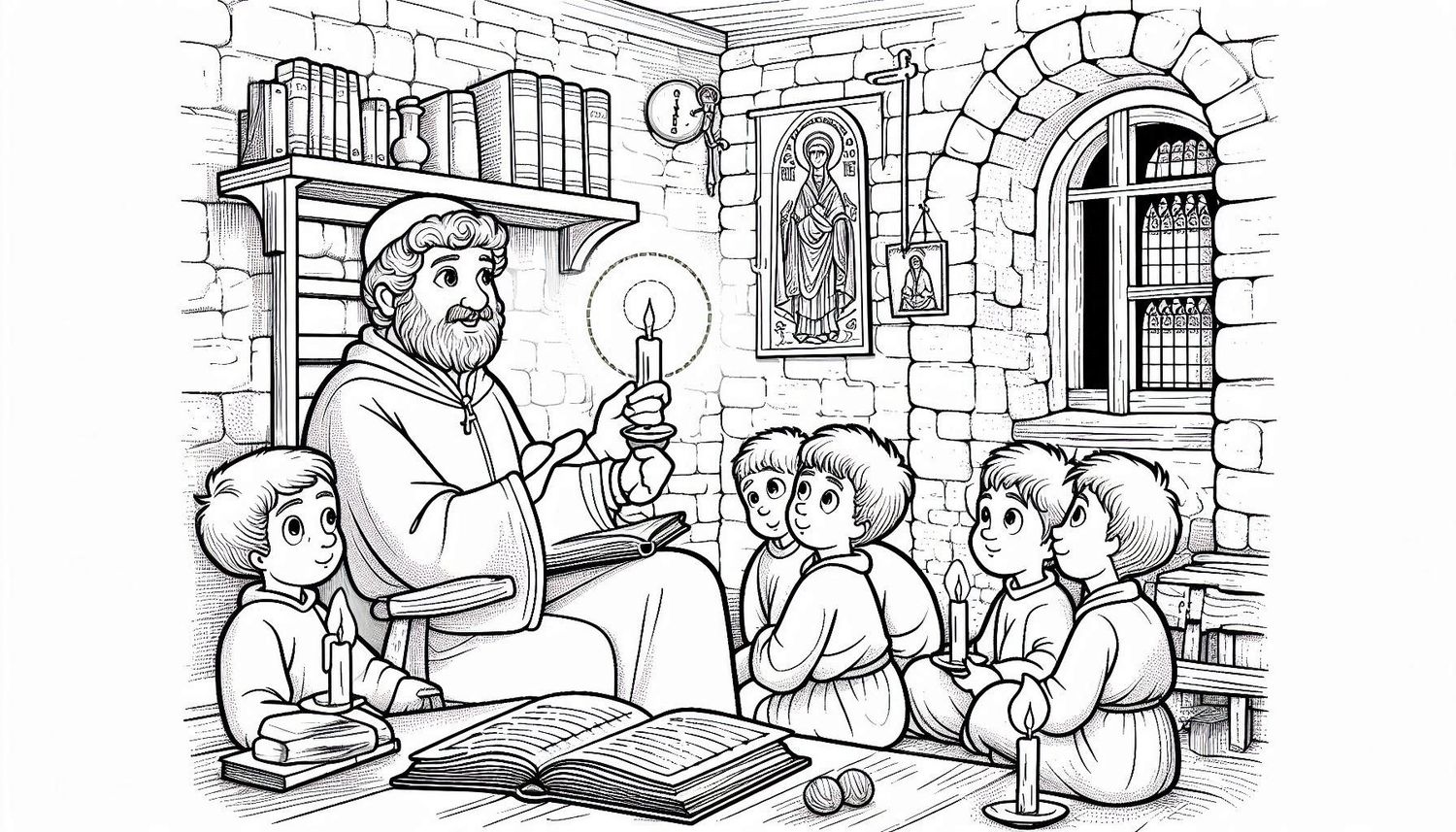
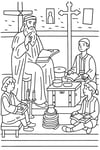
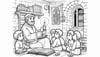
Ο θρύλος του Κρυφού Σχολειού αναφέρεται στην ιδέα ότι κατά την Τουρκοκρατία οι Οθωμανοί απαγόρευαν την εκπαίδευση των Ελλήνων, για να τους κρατούν σε αμάθεια και υποταγή. Σύμφωνα με την παράδοση, ιερείς οργάνωναν μυστικά νυχτερινά μαθήματα σε εκκλησίες και μοναστήρια, διδάσκοντας γραφή και ανάγνωση. Η αφήγηση αυτή διαδόθηκε κυρίως στα επαναστατικά και μετεπαναστατικά χρόνια, επηρεάζοντας έντονα την Τέχνη και την εθνική συνείδηση.
Σύγχρονοι ιστορικοί υποστηρίζουν ότι το Κρυφό Σχολειό, όπως παρουσιάζεται στη λαϊκή παράδοση και στα παλιά σχολικά βιβλία, δεν έχει επαρκή ιστορική τεκμηρίωση και θεωρείται περισσότερο θρύλος παρά πραγματικό γεγονός. Οι μαρτυρίες που υπάρχουν αφορούν κυρίως μεμονωμένες περιπτώσεις περιορισμών ή αυθαιρεσιών τοπικών οθωμανικών αρχών, όχι όμως μια συστηματική απαγόρευση της ελληνικής εκπαίδευσης. Παράλληλα, είναι γνωστό ότι λειτούργησαν και επίσημα ελληνικά σχολεία, κυρίως με την υποστήριξη της Εκκλησίας και ιδιωτικών πρωτοβουλιών.
Ωστόσο, η εικόνα του Κρυφού Σχολειού – ενισχυμένη από έργα όπως ο πίνακας του Νικολάου Γύζη και το ποίημα του Ιωάννη Πολέμη – καθιερώθηκε ως σύμβολο της μυστικής διατήρησης της γλώσσας, της θρησκείας και της ελπίδας για ελευθερία. Η παράδοση αυτή λειτούργησε ως στοιχείο εθνικής ταυτότητας, ανεξάρτητα από την ιστορική της ακρίβεια.
Ο όρος «κρυφό σχολειό» χρησιμοποιήθηκε και μεταφορικά για να περιγράψει περιπτώσεις μυστικής εκπαίδευσης σε άλλες ιστορικές περιόδους, όπως στη γερμανική Κατοχή, στη βρετανοκρατούμενη Κύπρο και στα ιταλοκρατούμενα Δωδεκάνησα, όπου οι αντίστοιχες αρχές επέβαλαν περιορισμούς στη διδασκαλία της ελληνικής γλώσσας και ιστορίας.
The legend of the Secret School refers to the idea that during the Ottoman Empire, the Ottomans banned the education of Greeks, in order to keep them ignorant and submissive. According to tradition, priests organized secret night classes in churches and monasteries, teaching reading and writing. This narrative was spread mainly in the revolutionary and post-revolutionary years, strongly influencing Art and national consciousness.
Modern historians argue that the Secret School, as presented in popular tradition and in old schoolbooks, does not have sufficient historical documentation and is considered more of a legend than a real event. The testimonies that exist mainly concern isolated cases of restrictions or arbitrariness by local Ottoman authorities, but not a systematic ban on Greek education. At the same time, it is known that official Greek schools also operated, mainly with the support of the Church and private initiatives.
However, the image of the Secret School – reinforced by works such as the painting by Nikolaos Gyzis and the poem by Ioannis Polemis – became established as a symbol of the secret preservation of the language, religion and hope for freedom. This tradition functioned as an element of national identity, regardless of its historical accuracy.
The term “secret school” was also used metaphorically to describe cases of secret education in other historical periods, such as in the German Occupation, in British-occupied Cyprus and in the Italian-occupied Dodecanese, where the respective authorities imposed restrictions on the teaching of the Greek language and history.