Tales of a Time Before: Volume II
Welcome fair adventurers! Welcome fair lore lurkers!
Recently, I had released my very first album, A Tales of a Time Before as a little perfect bundle of songs for you all to enjoy. I am unbelievably proud to announce the second edition to this albums series, Volume II! As I am sure you are all well aware, the first album consisted of 16 full songs to listen to, detailing ancients stories, lore, characters, or references in my fantasy novel Hugo the BloodLess of a more historical olden time in the world of Tearmint. Fleeting memories and fainter stories. I’ve stated this before, the characters that appear in these ballads, I have no intention of expanding on them into pieces of tales or fledged out books of their own. To me it doesn’t warrant enough blood and bone to support that type of telling, and so I settled for crafting them into songs instead. Which honestly, is a better road. A Tales of a Time Before is of the same caliber.
Tales of a Time Before Volume II is a diverse, unique innovation of songs, detailing ancient stories of an even more ancient world of Tearmint. Taking place in my fantasy world, voyage on an enchanting journey that will both bedazzle you and leave you quite struck with flare, romance, sadness, fear, death, and adventure! Where the first one had only 16 songs, part two has one extra, tallying up to 17. It contains a vast array of many a different tunes from the first one, that I am certain sure will have you on the edge of your seat, gripping the flaps of your book in anticipation. I experimented with multiple instruments and creative ways for a song to develop or be simply sung, as to not only give it a fiery tongue, but also create an atmosphere that is both mysterious and enchanting. Whilst Tales of a Time Before was more actual stories of certain people, Volume II focuses on the physical lore of Tearmint itself, mythology, with dream-like qualities, with some characters, stories, legends, and myths peppered in for good measure. From sweet piano solos about the season of spring, to ballads of an ancient Golden Knight resting in a shimmering grove about to perish, to the spells of the Tahlenwood witches, love-bent squires, epic chants of snowy, hard pressed Cealdish fur-traders, amusing goofy cambornies of dancing bears, drunk bards, questionable feasts, romantic sweeping swills, war melodies, and tragic lives, that would otherwise have been forgotten long ago. I surely hope this brings you as much pleasure listening to it as it did me writing the songs.
The purpose of this album was to bring back that feeling of an old world. That is the point of this series of songs, the theme here. To bring out that elder witch, ancient feel of a lost world, that once was, that once existed, now unremembered. Truthfully, I do not know how many albums I will make with this running theme, but I shall admit there will be more coming in the future. As you know, the world of Tearmint’s lore and history is deep, rich, and bygone. Just because one story follows one hero, does not mean other heroes, warriors, queens, kings, and tumbling travelers never walked the same paths before. There are many nooks, crannies, and bursting stories aching to be told. The songs themselves are not connected really in anyway, like the first one, it doesn’t come together in a tidy tied silk ribbon. They are pieces, scraps, slips of time of a person’s life, an important task they accomplished, unsung characters only vaguely mentioned in tapestries or tales, or great songs of eon age wars, ladies locked in towers, and witty hunters, squires, and couples falling in love. Seekers and stories, that no longer breathe or exist in Tearmint, gone, sweet of remembering, forgotten. It is more of the interesting and the mysterious, the unknown and the absurd, the magical and otherworldly.
Each song is different, with creatively attuned instruments at play, some sad, some slow and melodious, some scary, some ethereal, some rambunctious, loud, making you want to tap your toes to a jive, some flaring and fiery, full fast of love, and others, odd, quirky, or holds a granule of truth behind the notes. Embark with characters that have been referenced in the main story of Hugo the Bloodless. Follow strange and magical rhymes, duets, couplets, and strains of varying instrument artistry that only can be recalled as distant thunder, children schemes, and swirling song, creatures that lurk in the unseen. Stories spoken around campfires late in the night, or whispered faintly in inns, taverns, and brushing with the autumn wind down the road. Learn of elder people that once existed in this world, people you may have heard of or may have not, their stories and struggles, how certain sure things came to be, and immerse yourself in their little lives. So come rest by the cracking hearth, take up a cup of cider, hear the music, fill your belly, and listen to stories done in song by grumbling farmers and innkeepers, swindlers and tinkers, at any inn you please.
You can listen to this anywhere you please, at home, in the car, on a walk through a wooded dell, whilst sleeping soundly too a pleasurable dream, or simply resting by a fire with a good book or a cup of warm tea, snuggled in a blanket on a chilly rainy eve.
Tales of a Time Before Volume II is absolutely free! Yep that is right. All of it. Every slice, every slab, every slather of butter on bread! I figured it was best. Well, truth be told it was my girlfriend, Ashley’s idea to make this bundle free. Mostly for two reasons. One, a lot of these songs I had previously uploaded and released on my Youtube Channel, Mr. JackOLantern. After making my first ever bundle on my website, as buying the bundle compared to singly is way more cheaper in price, I wanted to do another album, to bind it tight into a soft sweet packaged bundle for you all! I know it’s untraditional, in a way. But I also realized something quite quickly, I’m afraid. If I made this bundle with songs I had already written and put up on my channel, then doubled back, removed them, and put them up on the site for money….well. You know how that may go. It would point swords in otherwise fragile places, all explosive and angry and a tad bit unsavory.
Indeed, twelve of these songs can be freely accessed on my channel at any time it pleases you if you’re craving a dandy listen. But why not own them for yourself? Download them for free on here and slap them on your phone instead of having to use the good ole’ Tube. Besides, it’s easier that way. So I decided to make it for free. Second. The good news is, is that there are five entirely newly written Tearmint songs in Volume II! Guess what, they’re free also. I know. It’s madness. I figured it’s a good gift. I know the Order bundle is quite shiny and silvery in purchasing, but then again, it’s seven full novels you’re getting. But to me, 17 free songs is well…Tehlu’s tits and teeth, a damn good deal!
Below you can read about the songs included in the bundle and a short, but concise paragraph of what each one is roughly about, if you’re interested of course. Anyways, I’ve rambled on long enough, my fellows. Please, I beg of you, enjoy at your leisure!
Visit the Store!
If you just want each song singly, I suggest pressing your finger into this button. Really press hard. Lol. I kid. Regardless, clicking this button will take you straight to my shop where you can view all of my other works, including books and songs.
What this Album Includes:
A Cealdish Winter
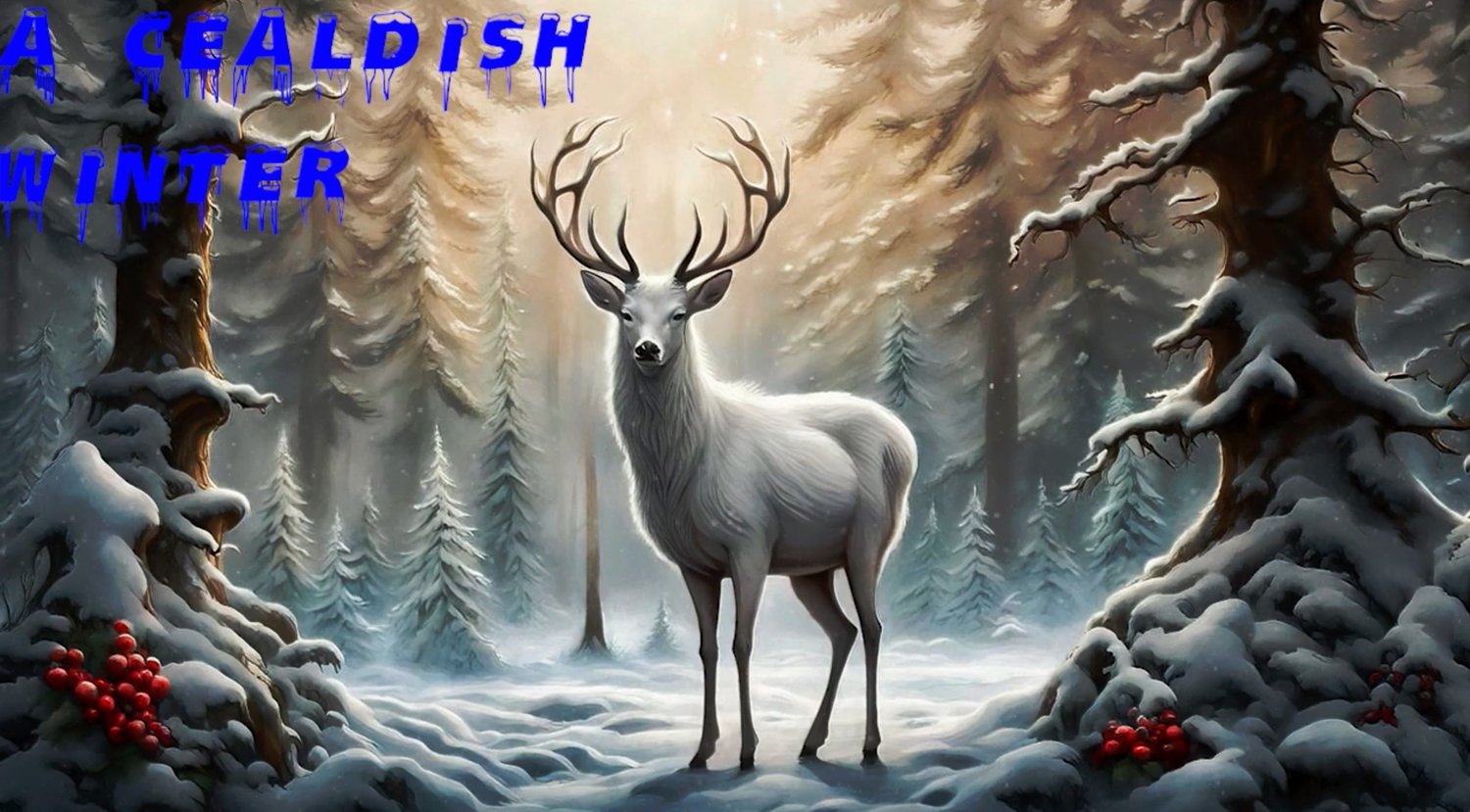
Far away in the snowy North of the Ceald, immerse yourself in the rumbling echoes and chants of metal melters, blacksmiths, moneylenders, and winter hunters whilst they heartily sing about what it means to survive in the icy cold of their homeland. A song that has been smelted and sung for hundreds of years by the Elders of their villages and settlements, and known among their people of this rather frigid tundra, this is a deep ancient tune that is often taught to children when they are of age. Whether it’s forging salt free of impurity, debasing greed, traveling well through glacier fjords or pine forests, hunting wolf and bear, or sleeping warm by fire and wife, or building a house mended well with good wood and earth. Though simple in its story, it hammers hard the lesson of survival and their way of life, a beat that every Cealdish man desires and strives to be. Readily tapped with a leather skin hand drum, only the vast chortles of fur traders chanting in mead halls and in the night, can be heard, with the strange billowing of a winter wind continually blowing behind.
There Lives are for The Crows
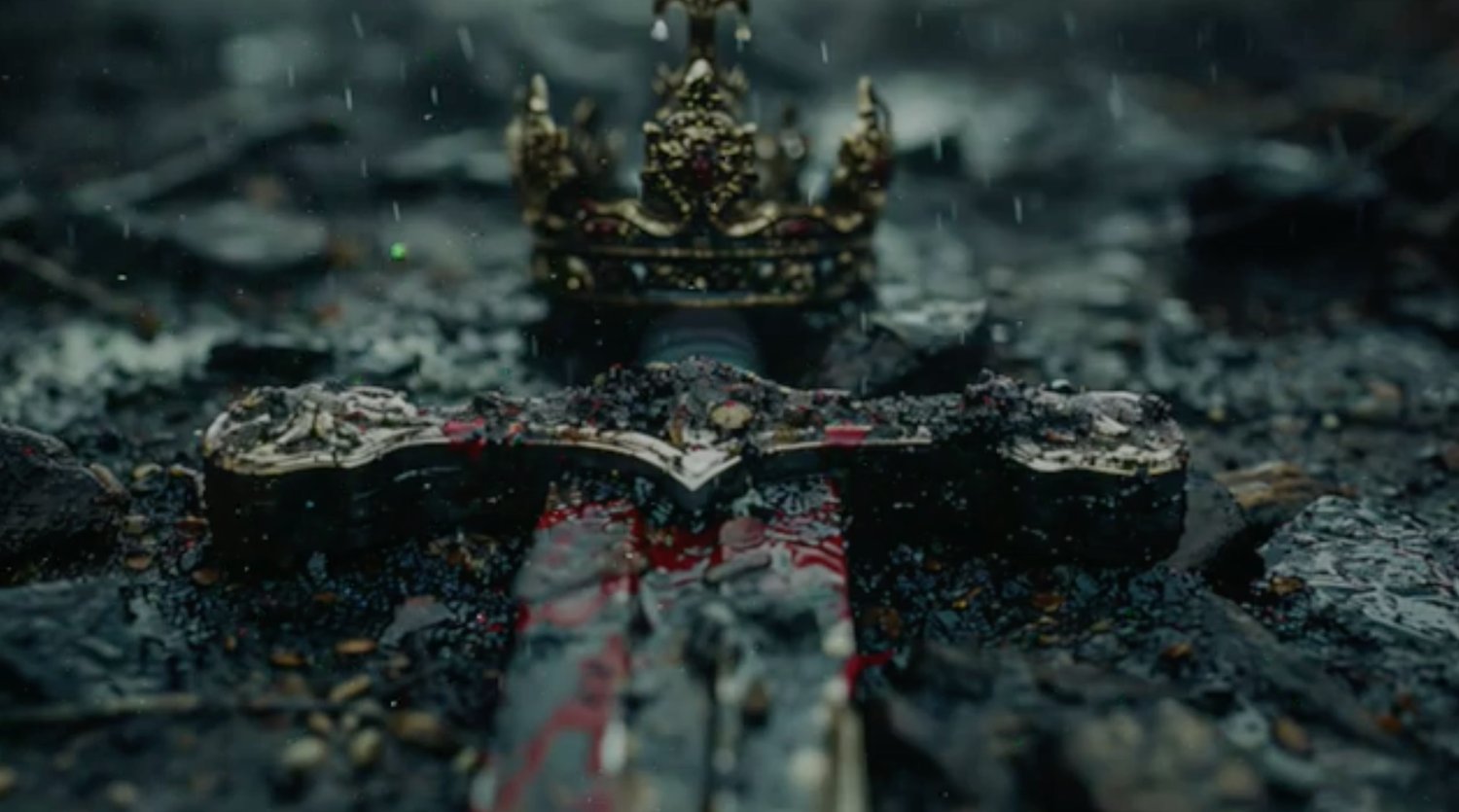
Listen to the last remnants of a once powerful desert kingdom, Modeg, ruled by the High King, fall to ruin and lose everything he holds dear in the blink of an eye. In the hot yellow barren lands, it is governed by a King that knows all the secrets of old magic, a good husband to his lovely wife, and treats his subjects well. On this day, a beautiful market festival was being held in the city citadel. All is merry, and the nobility desire to be gay, drinking, gambling, bouting, dancing, eating, and otherwise enjoying a good time in the muddling music during a bright pink sunset. But what the High King does not notice, so caught up in the laugh of his wife and the glamor of his people, a war to the West is brewing against the fiefdom that defies him for his ancient ways. And among the great ruckus, a rancid black beast of an army, storm the city. In a slow soothing voice, and a sad strain of piano, witness the final moments of a honest lord, losing everything he loves close.
The Bear and The Bard
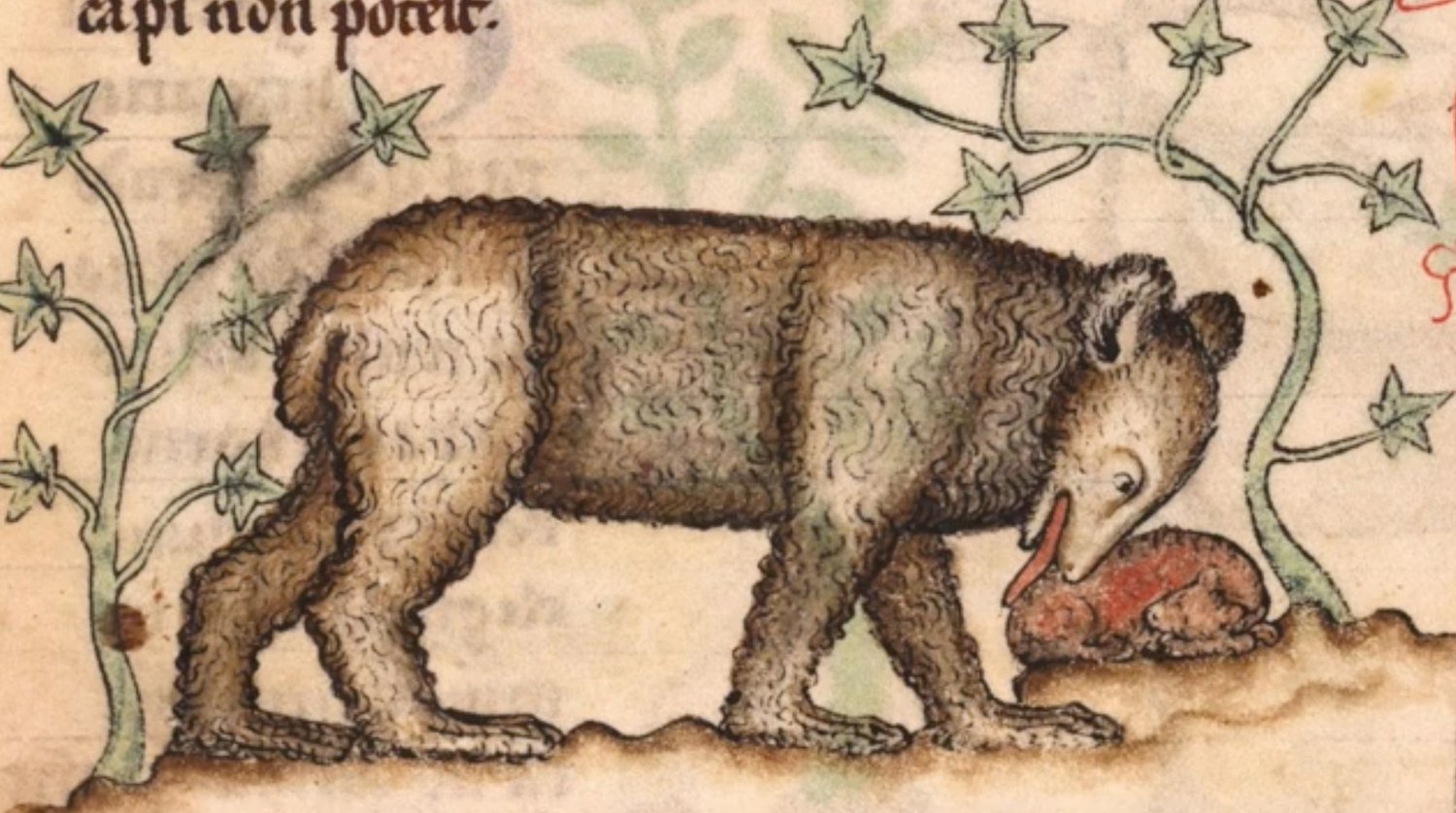
A whimsical lute plucking and strumming song about a grizzly bear with a coat of white, black, and brown, attends a town fair with his handsome bard. Full of oddities and frivolous jigging, in the season of summer, the rapscallion pair stumble upon an exciting celebration in the mining town of Trebon. Once they enter, they hastily realize that a gaggle of gathering of the townfolk were selling honey jars, coffee, silver chairs, and bags of blazing blue fire. This attracts the bard in hopes of making a few coins, and therefore, he begins to entertain the people with card tricks, juggling, and singing songs. Yet during the bears performance, unbeknownst to the fair bard, the honey in the sweet air, over takes the bear in hunger, and he begins to ransack the town for every jelly morsel. This causes the folk of the town to panic, trying to stop the bear, but the bard does nothing, instead laughing at the scene, because he is too drunk. I am sure you can guess who the bard might be. Think of the bear.
In the Village Smithy
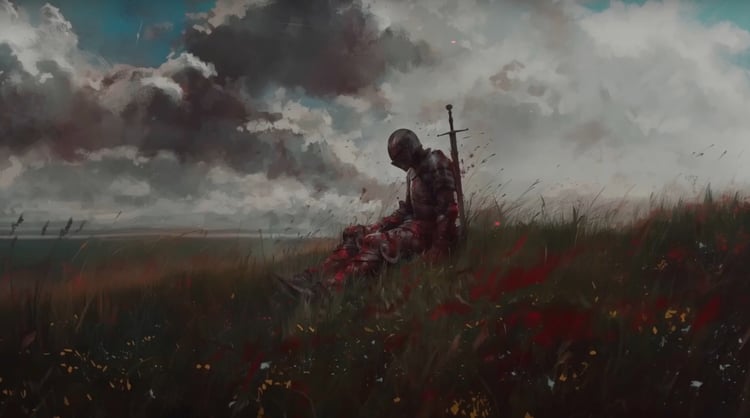
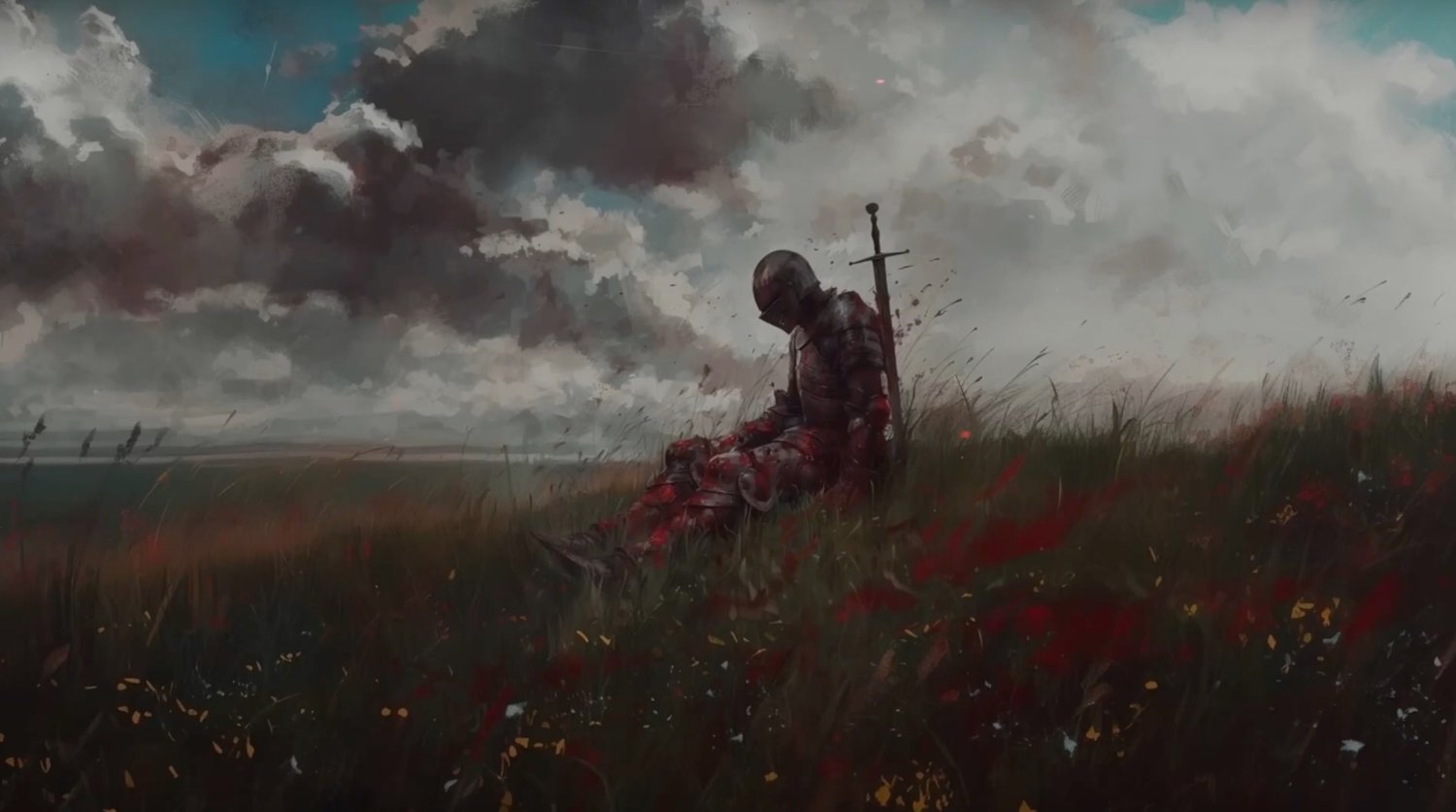
One of the more melancholic ballads. In gentle mandolin and piano, this song tells the tragic tale of two brothers that have gone off to war. Originally blacksmiths that had left their land in order to protect their families, both brothers are forced into service due to their ages, reputation, and ultimately, being renowned as well fought warriors. At some point peace is brought while fighting their enemies, but the older brother is killed in battle and the younger brother survives. In a dying meadow in autumn, the younger brother leans over his dead brother’s body, and ravaged by war itself, and the loss of someone who he looked up too, refuses to accept the death of his closest companion. While he continually asks his dead brother to get up, put on his silver armor again, and return home with him, the younger man can not come to terms of going home himself without him, afraid his own Mother would not recognize him due to that he has changed after the war. He begins to question the purpose of war itself and see’s it as useless and vain.
Below the Stone Wall, With Ivy
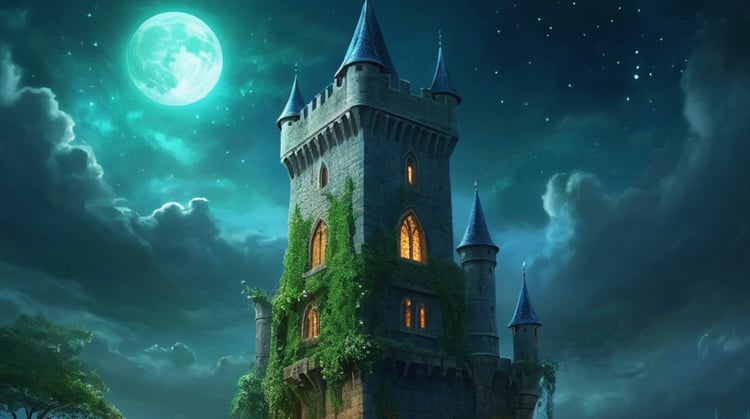
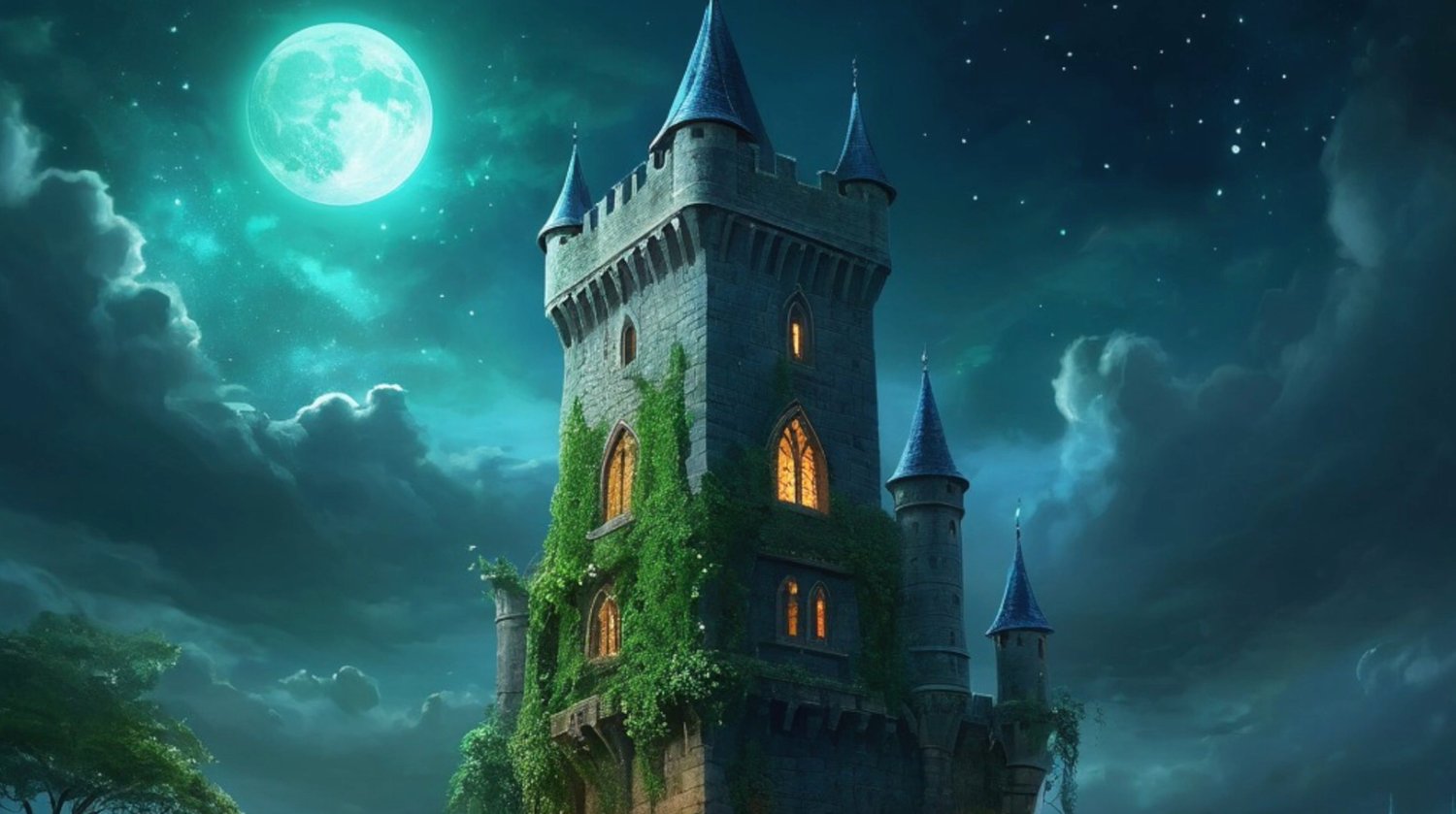
Sweet and soft, feel your heart swoon to this whispery romantic flair. In precious and pretty piano, listen to the story of a poor singer become enamored with a beautiful noble princess, locked away in a stone tower, wrapped in bristling green ivy and candle light. The woman being barred by her Baron Father to interact with the world around her or lesser, poor folk in the region, this young bard spots her one night by her tower window, looking rather sorrowful and lonely. Not only does he find her truly divine in appearance and kind in her word, secretly he hides under the ivy bower under her tall window, singing her tunes and telling her sweeter words. After doing this for many months, he questions if she judges him that he is dirty and poor, and the princess claims she does not, finding him caring and handsome, and is entranced by his songs. Begging her to run away with him, as he can see she is unhappy and trapped, aids her in escape, and they run off into the moonlit night, both their hearts thumping together in harmony.
Muerilla, High in the Halls
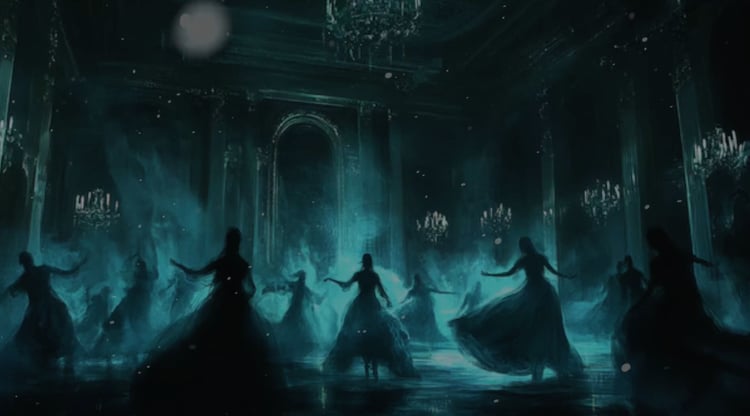
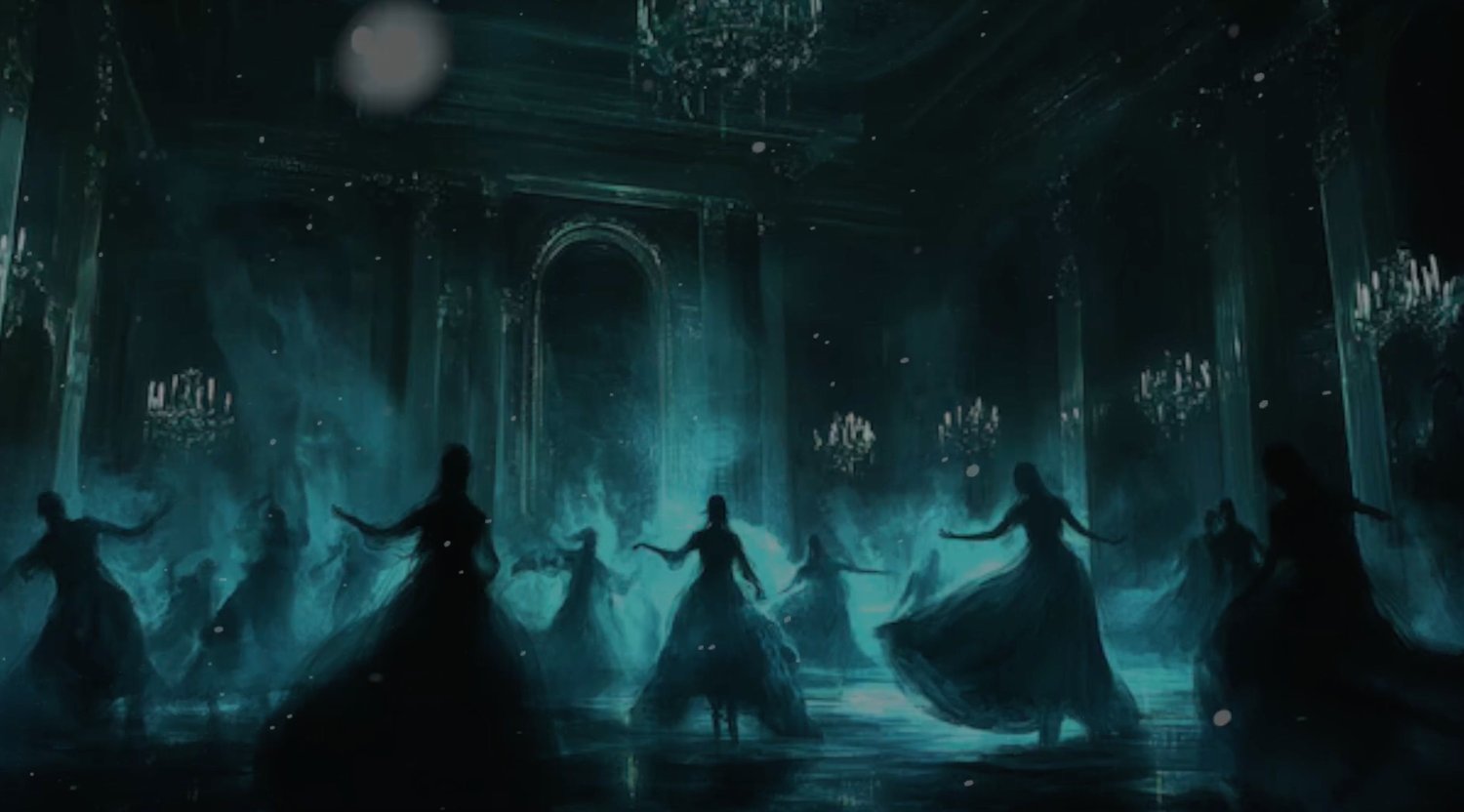
Lute finger-style plucking along the wan strings, a princess dances forlorn and alone in an ancient abandoned castle, that once held three powerful old Kings. From shattered stone and broken walls, cream-white snow rains down in the high ballroom hall, a woman gives her final dance, remembering the lords ghosts that once were. Though it is unknown how long the princess has been in the ruined castle, with each twirl, step, and leap, her glossy blue dress flapping out before her with a bent crown, recalls the fleeting and faint memories of each king, each with a different set of eyes: gold, silver, and emerald. A Poet King who was hung for preaching true word against the terrible law, a midnight king who commanded blood spells and fell to his own demise and disease, and a honest family man, who failed to win a war, and resorted to ending his own life. But to her, they are not just flickering dreams. There ghosts live on in the high halls, all treasured by her heart, as they had each cared for her in her youth in varying loving ways.
The Sorrows of a Yllish Man
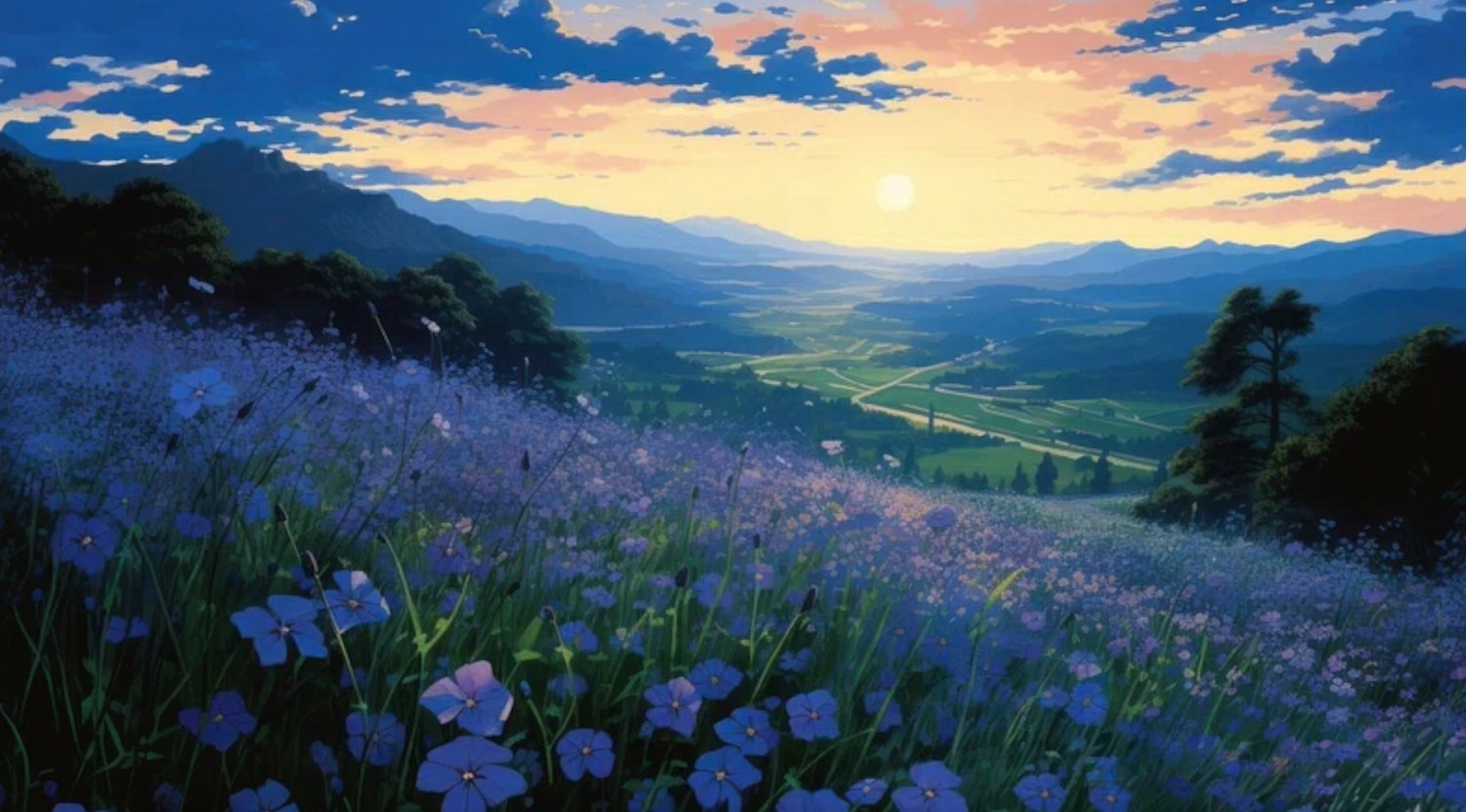
Devastating and heart-wrenching, in gentle keys and piano tells the swindle of a seven foot tall Yllish man who was disgraced and disowned by his family for being addled and slow minded. Taking place in the flower fields of Yll, in the village the rest of the giants mistreat the big man because he cannot read story knots, dress properly, or craft stones. As he has no friends, the only thing that accepts his faults are animals, birds, dogs, and horses. After becoming a stablehand, one of the only professions he could acquire, he thought no one could love him. But he eventually meets a young Yllish woman who adores him and cares for him, nor does not judge him for his dullard tendencies. They marry, and spend many sweet years together, while his wife weaves knots and stones and sings by the river, and the Yllish man tends to the grazing animals. When someone harms the man, much like a wounded fearing child, he sprints to his wife to stitch him back up. But tragically, after some time, one of the other Yllish of the village who hates the man for his slow mind, stabs him with a sword. While he lays dying, his wife crying over him, he explains this is the first time since he met his wife, he has felt happy, in all his life.
The Day They Hung That Vintish Fellow
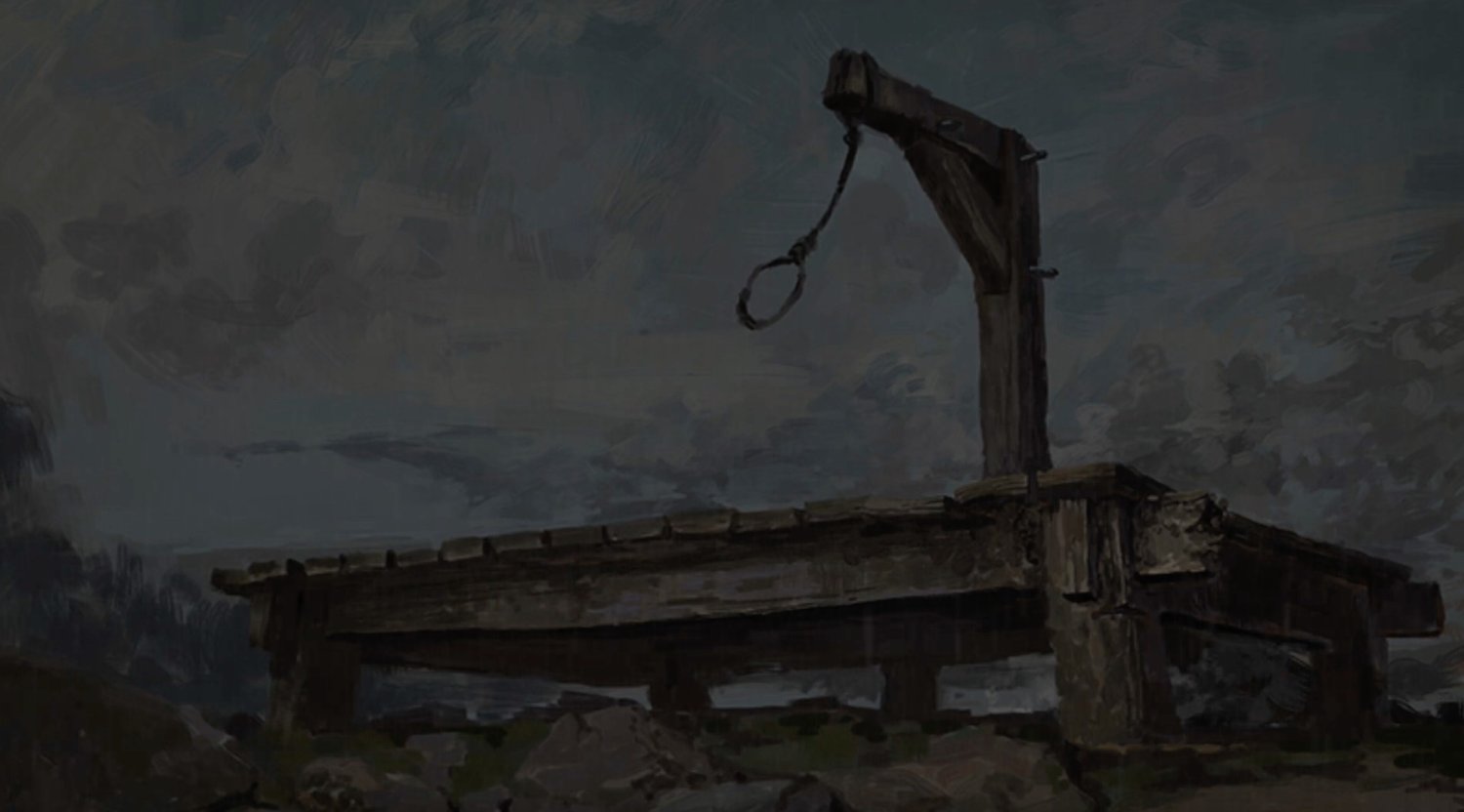
Uncomfortable and creepy, in slow mumbles of lute, this is a very short children’s rhyme often recited by magistrates in Vintas, warning people what is to become of them if they resort to stealing and murder. They get the hangman’s noose. The story tells of a random Vintish fellow who had caused peril in the southern lands of Atur, stole jewelry from a queen, and killed a little four year old girl, the daughter of a high ranking noble. A silent, unmoving, heartless crowd of the townfolk gather round the gallows to watch him hang. They do not applaud or cheer, but watch in utter quiet in the rain, as the trap door is about to drop him to his death.
The CommonWealth Feast Song
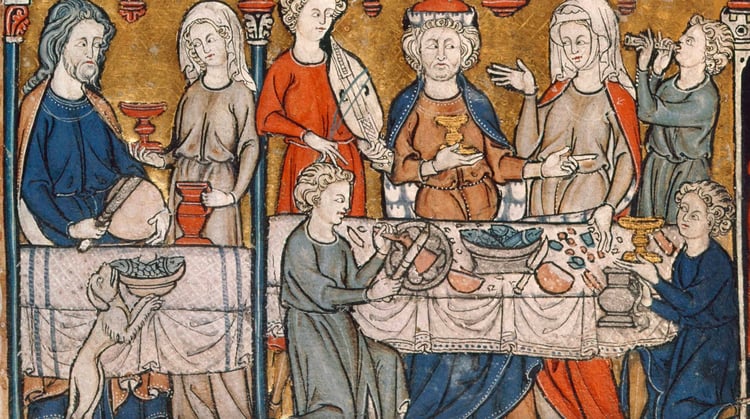
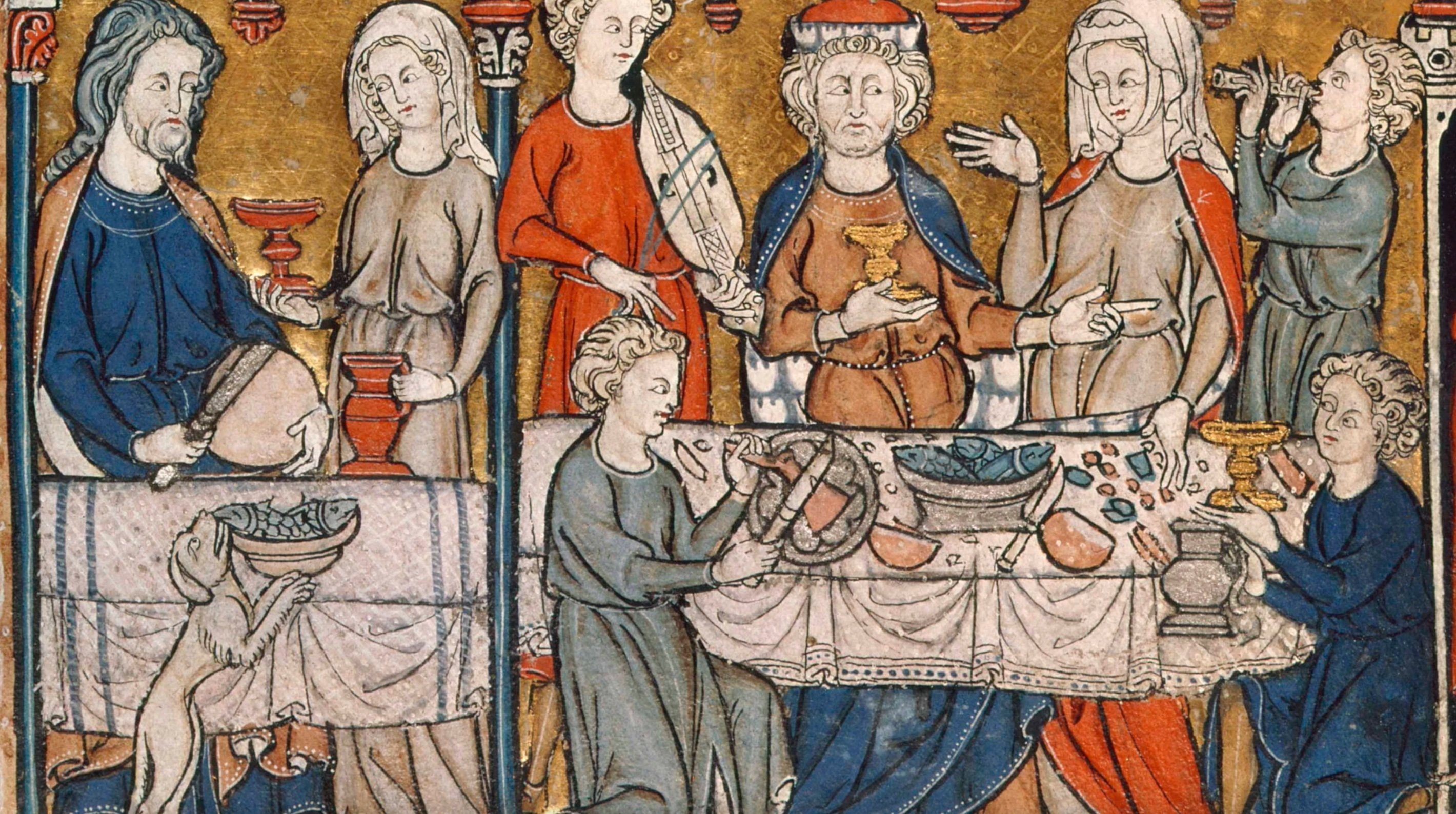
On a lighter note, this one was one of my favorites to write and compose. This song is bizarre and wild, amusing and slightly more than disgusting. In jarring lute, a peasant from a small dell in the CommWealth green, is luckily invited to a noble feast by one of the countries Earls. Typically and naturally, a poor pauper barely would get fancy fine foods such as sweet stews and pies, mostly only able to afford pieces of bread and vegetables. You can imagine his excitement at this, the table decked with steaming, wafting fare from roasted boar, cheese, wine, and honey bread, that he’ll probably never get a chance to taste again. But soon his excitement turns into plain abhorrent disgust, as he realizes that the nobility consume rather strange slices of food, cooked in odd ways and overly seasoned. Soon, the peasant hurriedly tries to not try a cherry pie stuffed with nasty beet, or a horses leg that was rightly removed from the Prince’s stables. Sticking to the only normal thing at the feast, which is the honey bread, he quickly notices that nobles eat terrible things, and preferring his bread, vows to never return to the CommonWealth.
The Humble Priest
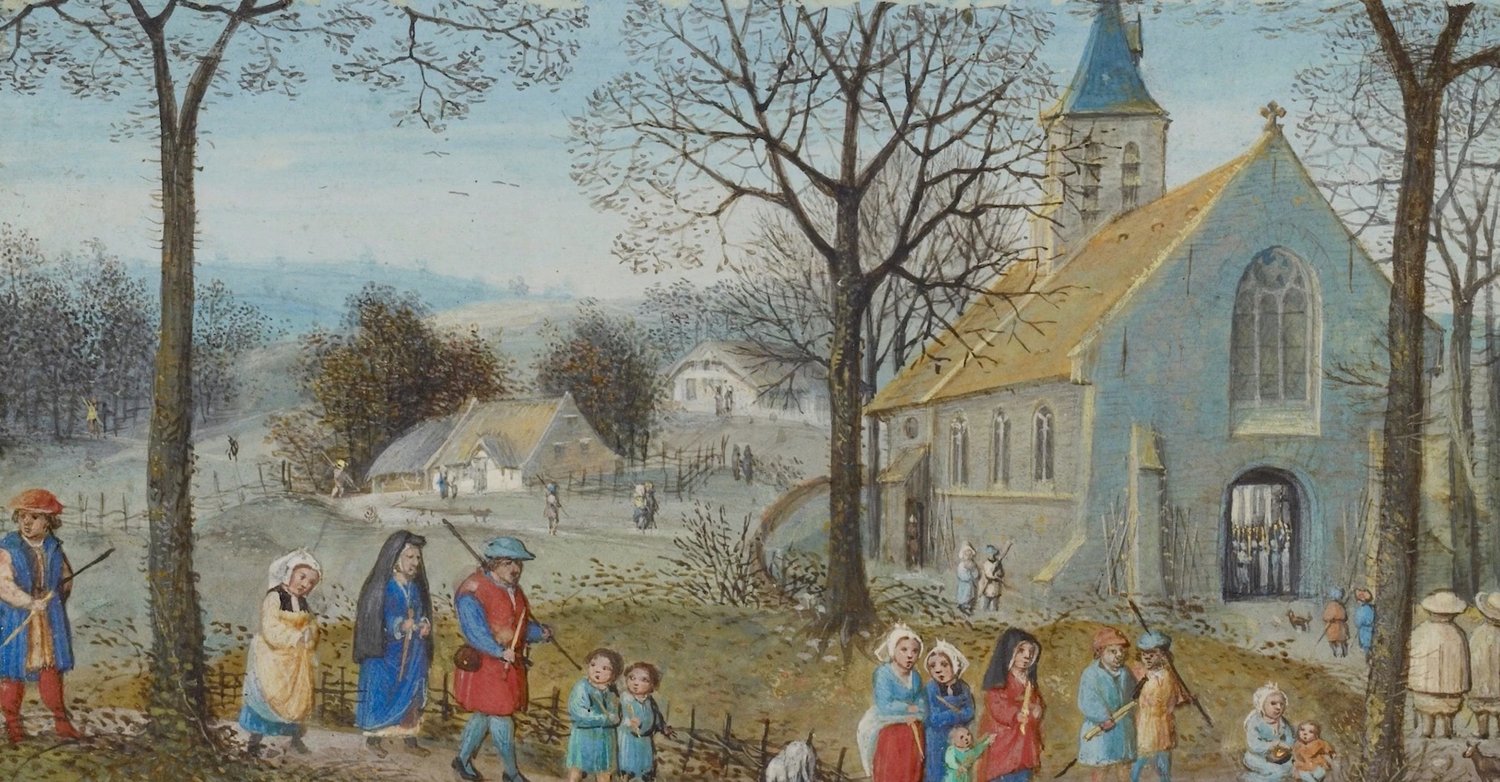
Done in teary slow piano, this song tells the sad and terrible events of what happens to a Priest in Tarbean who goes against the teachings and laws of the Tehulin Church. Since the Iron Law are backed by the Tehulins, priests and men with wicked tongues, would rather rob poor starving people, who can hardly buy a blanket, than help or provide shelter, medicine, food, or water for otherwise, struggling folk. In the song, a honest, goodnatured, a priest who is a good man, can see through the treacherous veil of the church and begins to bring aid to people in secret. He opens his doors to hurt, injured, and damaged individuals and lets them stay at his holy house, under his kindness, love, and care. A little girl beaten by her Father given a place to sleep, a hungry sick young boy left by his parents who is gifted herbs, toys, and food. A woman who was kicked out of town due to rucking with a foppish gentlemen, the stress causes her to miscarriage, therefore, the priest does not judge her harlot nature, but accepts her as a beautiful woman. A soldier who blames himself for his friends death in battle, and mangy dog who was whipped by their owner, before being left on the streets. All the while the old priest, shines sanctuary of these people, and disregards caring for himself, knowing full well, his time is coming to an end.
I was Once a Humble Priest
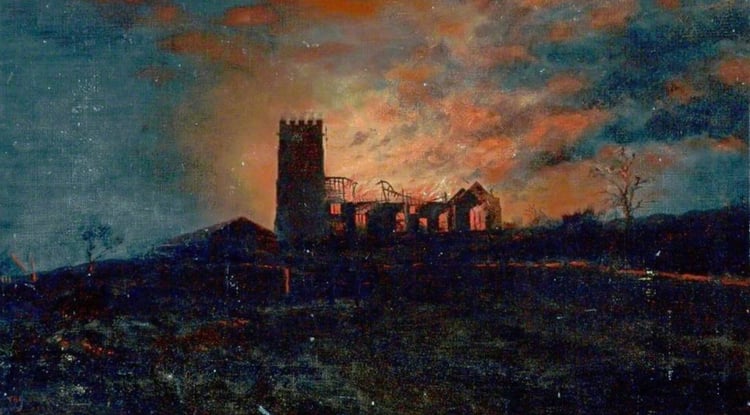
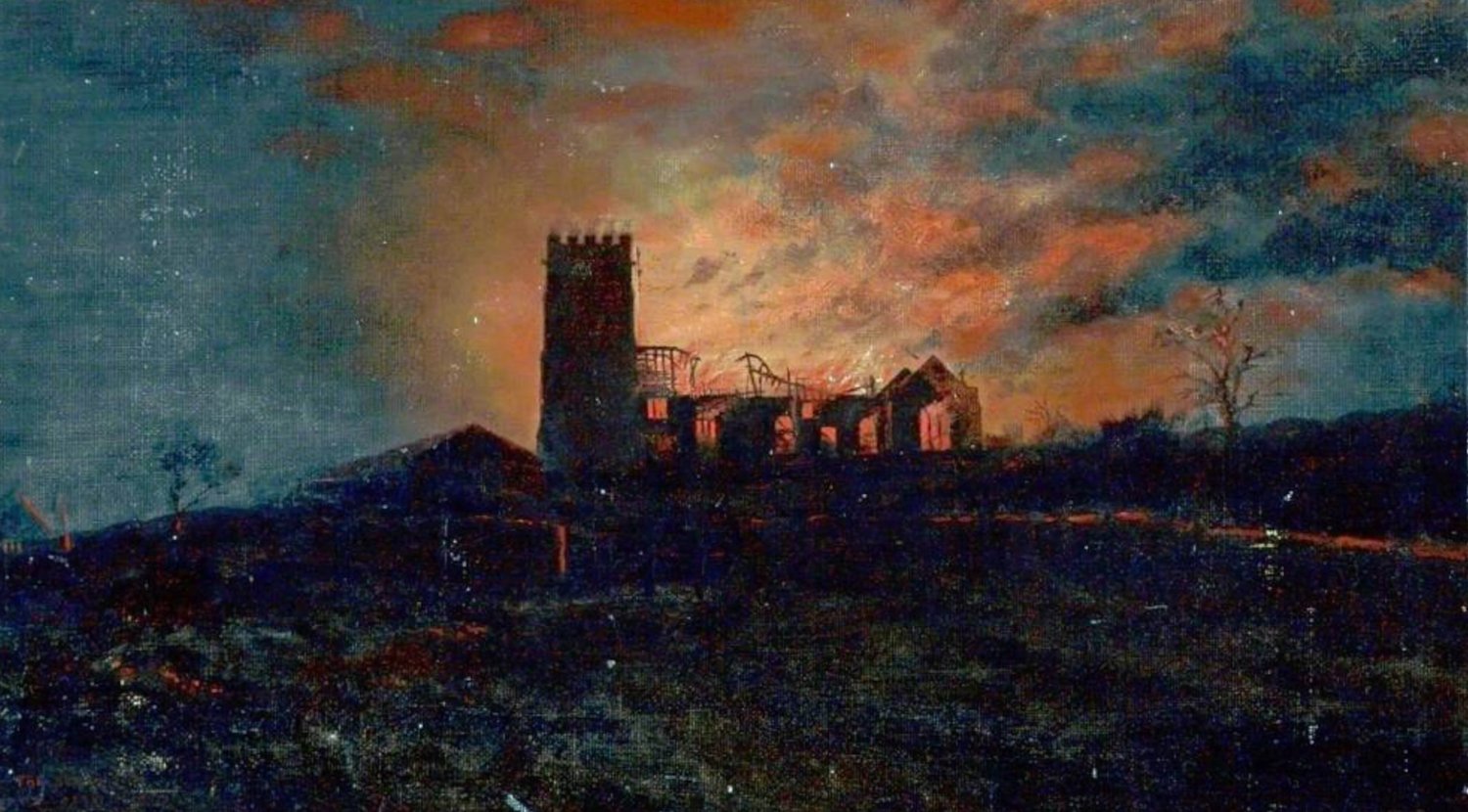
In the same instrument of piano, this song is the continuation of the tale, I am a Humble Priest. These are the only two songs in the entire album that are connected. The Iron Law catches wind of the old priests illegal deeds of helping people rather than stealing their pennies, and burn down his chapel. The echoing sadness and loneliness felt in this song is prevalent and dire. This causes the holy man with only the gray robe on his back to be beaten nearly to death by Justices before being thrown out onto the street to die. In the winter snow, he stumbles and struggles along tar-ridden alleys, surviving only on moldy bread, getting robbed, and slumbering in crates. Eventually to escape the cruel world, he slinks into the dark of a charred house, and lives alone in a basement waiting for death to free them. Lonely and afraid, Unknown time passes, but the man soon starts to go mad and forgets his name, desiring the world to not remember him anymore. At some point, straggling starving children, both abandoned and disabled, wander into the basement for safety. For many years he loves, tends, telling stories, and cares for these helpless boys and girls, barely able to survive. Then someone, with red flame hair and bright green eyes appears one chilly autumn day, and saves the man’s aching heart.
The Boy and The Harp
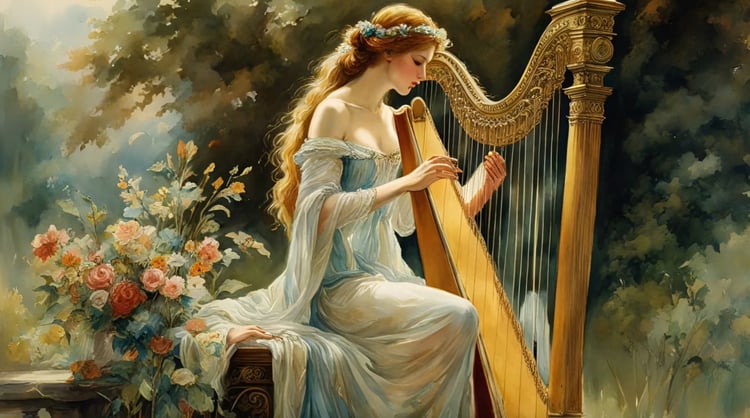
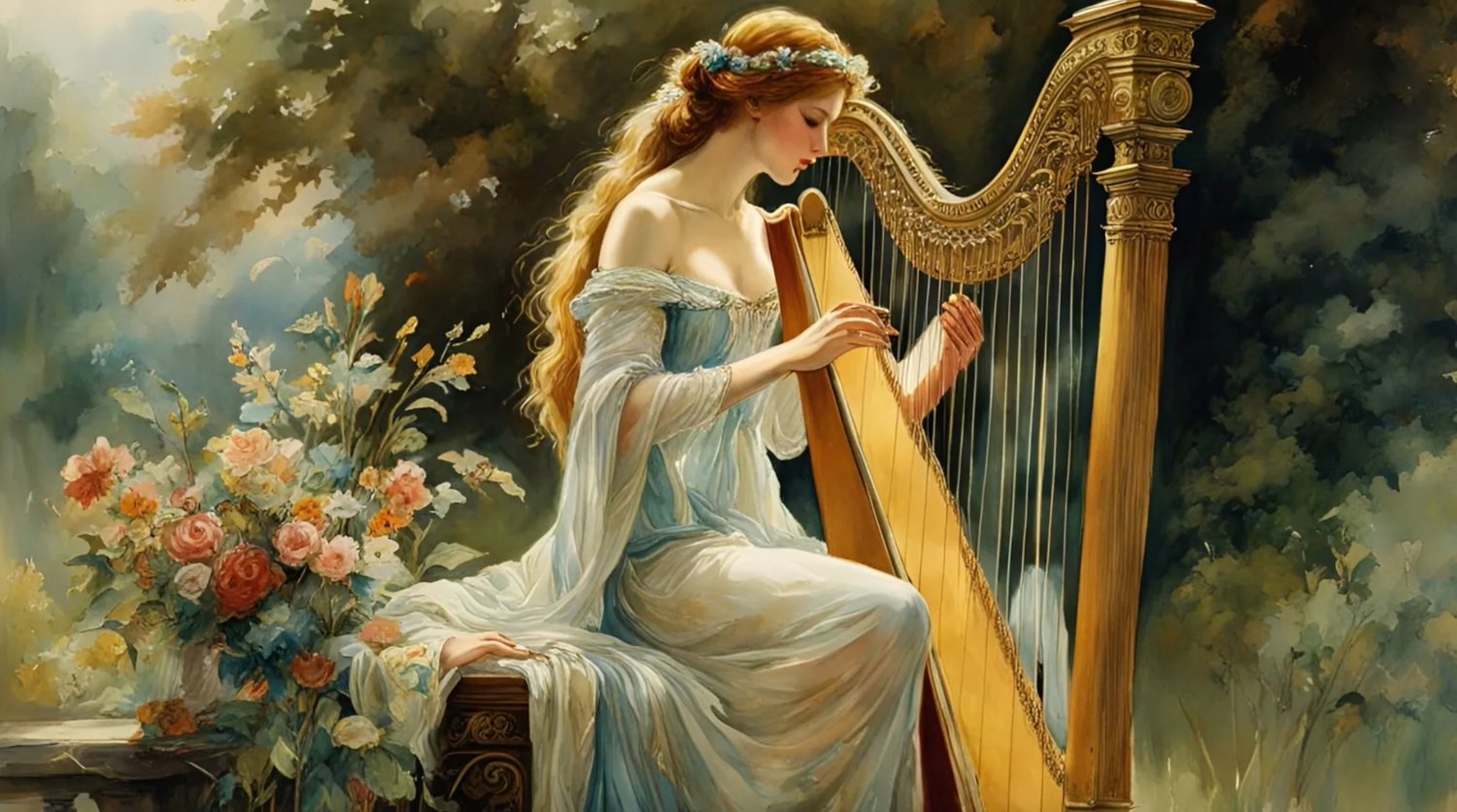
Tickling harp strings, portrays the tale of a poor Mother and little boy, her son, shivering and cold during the winter month. They have no proper needle nor thread to stitch clothes so the boy would not freeze, nor enough coin to afford anything useful. Soon many days pass, while the Mother can not find work to support themselves, and the Father of the boy had died, laying in the ground from some unknown sickness. During this, the Mother and the Son are only able to find solace and joy from little things, such as games and naps and fairytales. At some point the cold gets so terrible and no flint they can acquire to light a fire for warmth, the two are forced to break and burn the chairs from their dinner table. This song is riling and slow, depicting the extreme lengths a Mother will go to protect and ensure a good life for her own child. It is not confirmed where she gets the golden harp, but it assumed she inquired it from a tinker or Fae through trade. Though the young boy does not understand their situation is troubling, the Mother unable to pawn the instrument for money, sits in their single chair left, and begins to play and sing a song. As this is a magical harp, the medley travels around the room and the boy, and with this magic, she weaves her son multiple pairs of winter clothes, rich of velvet as fine as a King’s son would wear. But due to the strain on her heart, that once the song was done, the harp claims his Mothers life, sacrificing herself so he can live a good long life.
Good Spring
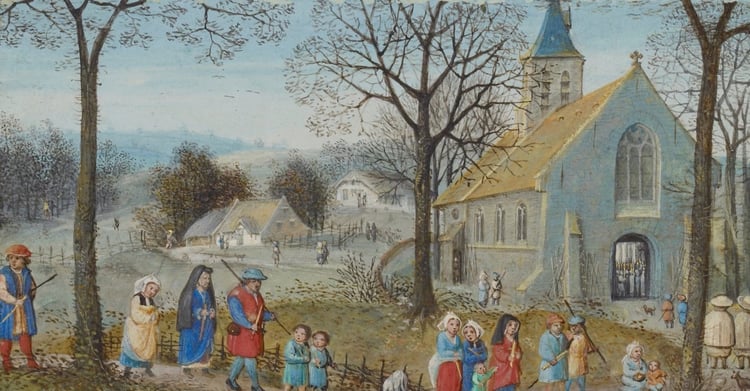
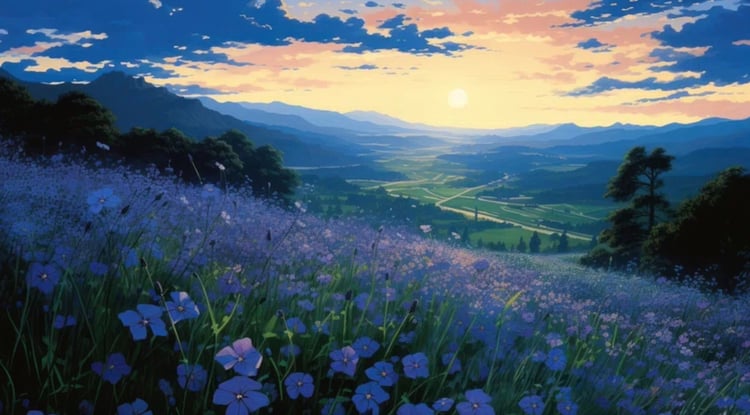
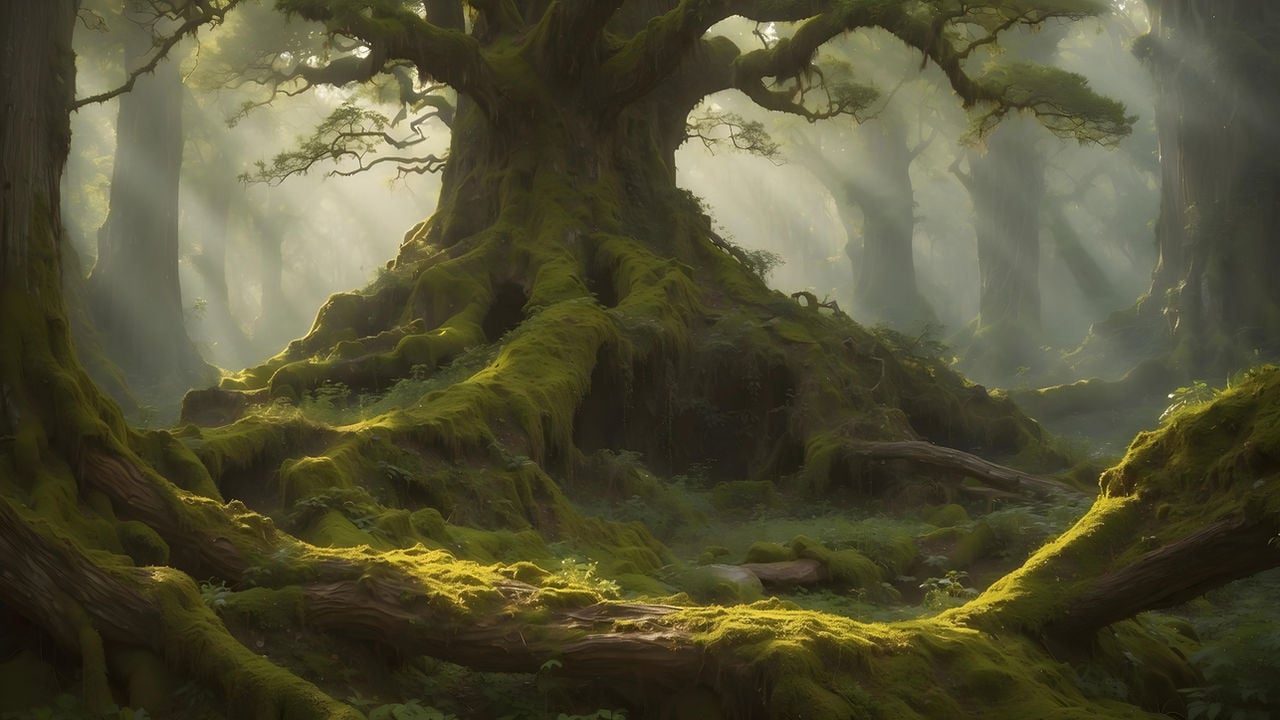
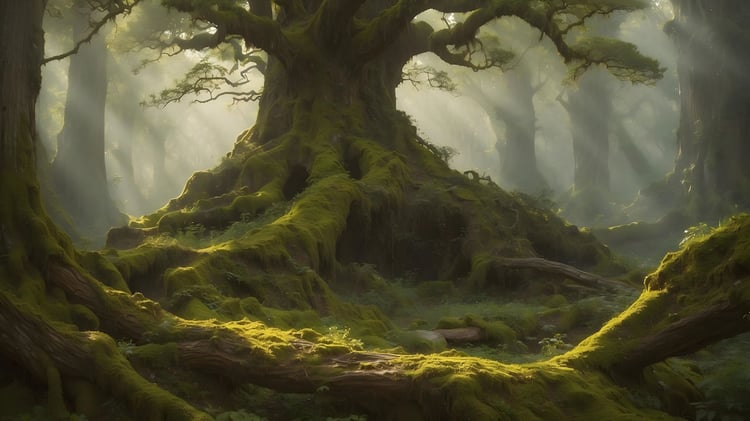
Flounced and filled with bountiful lute, is a tidy well kept song about the season of spring, and a young man’s appreciation of what spring may bring. Follow this happy tune, as you explore a jade green forest, understand the wood, smell the wildflowers, hear the birds chirping, the rustle of warm wind, fat mushrooms, and the sweet swell of chamomile tea, apples, and soft beds of grass and moss, and villages sparkling with plentiful milling and joy, become apart of the stones and tree’s, be grateful for such a season of merriment.
Eudulikn Laka Nilt\I Dreamt a Dream, Silver Maiden
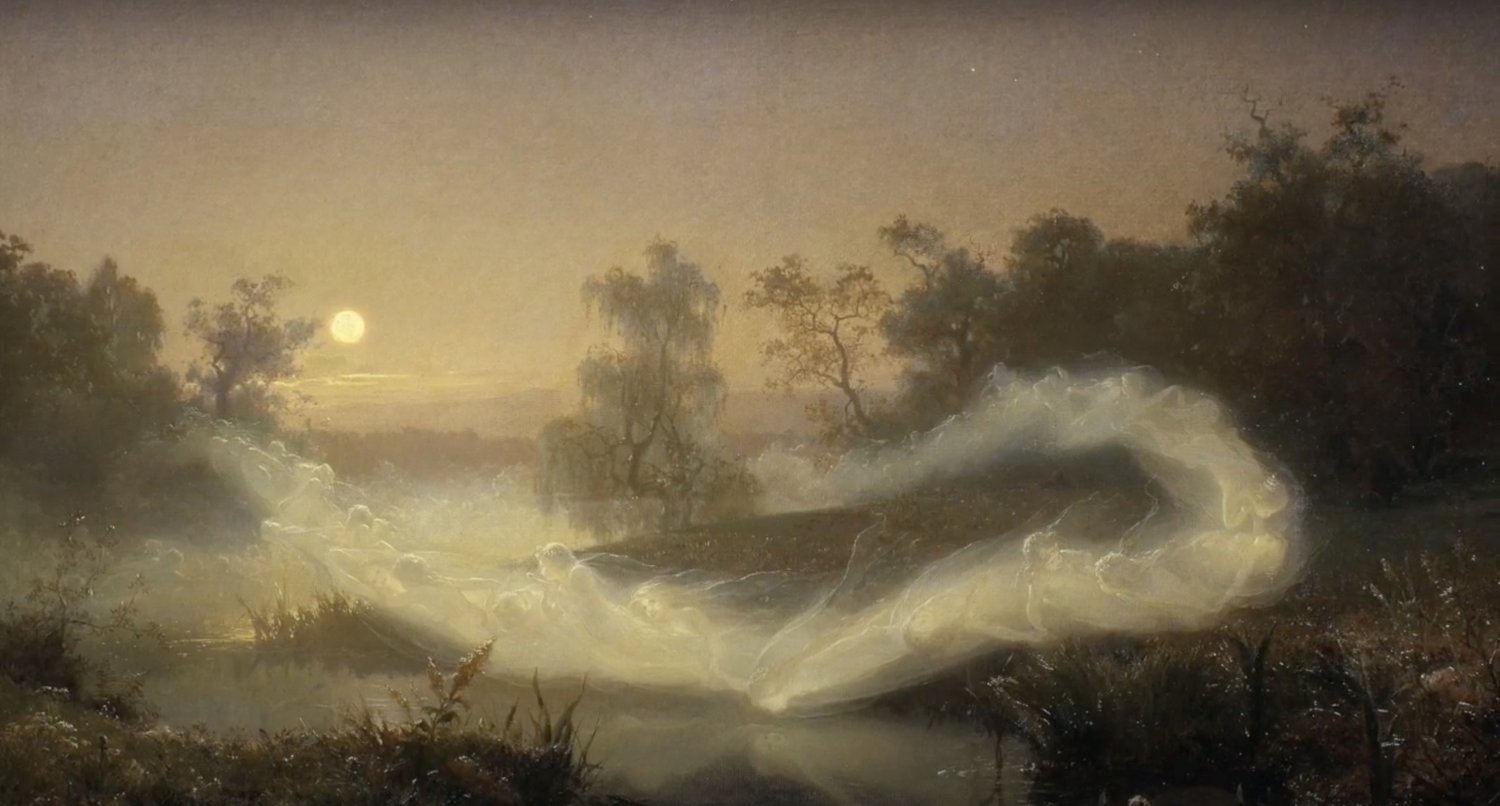
Intense and emotional piano, this long swooping song, was written in two language’s. At the beginning of the notes and vocals, it is sung in Eld Vintic, an extinct ancient dialect that was once spoken by a race that no longer exists in Tearmint, that once had populated the Eld woodlands. Though the language itself is no more, this song has survived many centuries through history, keeping its true shape. Normally it is sung in good buttered Aturan, but the druidic speak has still decided to stay between the tree’s and the dreamless sleep. It is unknown who originally wrote the song, but it is one of the oldest songs that still make the rounds around taverns and inns, given that very few people can speak Eld Vintic poetry or read their elder songs and sayings. The second half of the song is what it means in Aturna. Regardless there is very little variation in meaning or difference in both languages for this specific song, other than the difference in medley and voice. This means the song can played differently in many ways but still holds its main theme. Fiery and powerful, it tells the simple story of a young woman who had fallen asleep by a summery lake. While in deep slumber, the lady dreams of meeting a comely man and they begin to romantically dance in a ballroom. During this, she imagines fine furs and red silk, sweet drinks and warm pillows. The dream brings the woman so much love and joy she refuses to not be disturbed or awoken. Vivid and sweet, the man tells her, he loves her and wants to be with her, as the ballroom shifts to a moonlit mossy garden. This makes the woman’s heart swell and finally feels she has found true love. But once she awakes at the lake and finds the man is not there, she weeps.
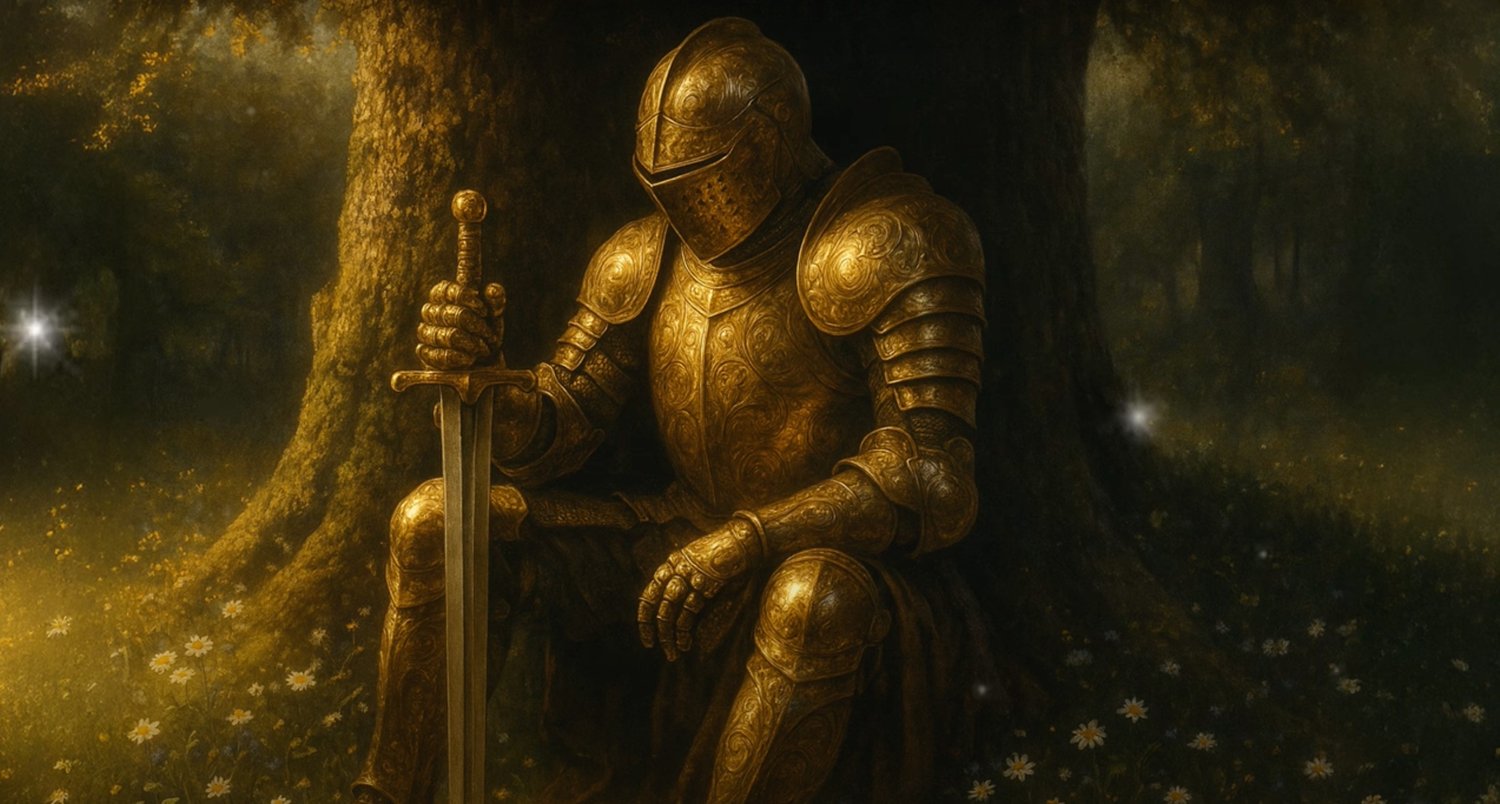
Rest Now, O' Golden Knight
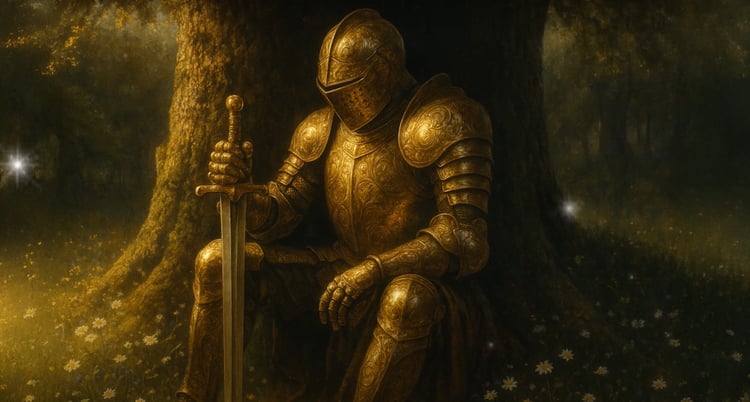
In this serene and shaded golden grove, with delicate harp, a knight bejeweled in runic armor, rests under a golden tree, fretfully wounded, in his last moments alive. For those who don’t know, the Golden Knight is a myth and legend in the world of Tearmint. He is often referenced in war ballads or songs for bringing the first piece of peace to Tearmint for an age. Wearing shimmering golden armor, with a sharp golden sword, golden tassels upon his gallant steed, golden gloves, golden helmet, and even golden eyes and long hair, was a man who had fought in the battle of the Penitent Skrill Wars 4,1200 years ago against the Aturans. He was known as the Golden Knight. He rarely spoke, smiled, laughed, and took his honor and duty to the bone. Respected and renown for his exceptional skills in swordsmanship and horse riding, a blessed knight under Rannish flags, he solely splayed 2,568 men alone throughout the period of a nine year war, and always came out unscathed. It was said by Elden tales and ancient stories that his blade could never break, nor mar, nor scar, nor can the basket hilt shatter, and it was forged by the very rocks of the Stormwahl. They say it was so sharp, it could cut a man with simply looking at the blades gleam alone. His armor mended and crafted by the Shaldish, it can withstand denting from the strongest hammer. Toward the end of the war, a married man retiring and desiring peace within the land, he goes to halt the Aturans from storming the capital of TarVintas. Though he succeeds, he is mortally wounded before he can make it back home, and hobbling to a golden grassy grove, slumps under a shining tree in the evening, recalling how much of his life he wasted due to war. Appreciating the beauty of nature, good drink, a good trusting horse, and a good wife, he slowly dies thinking what would have happened if he never became a knight.
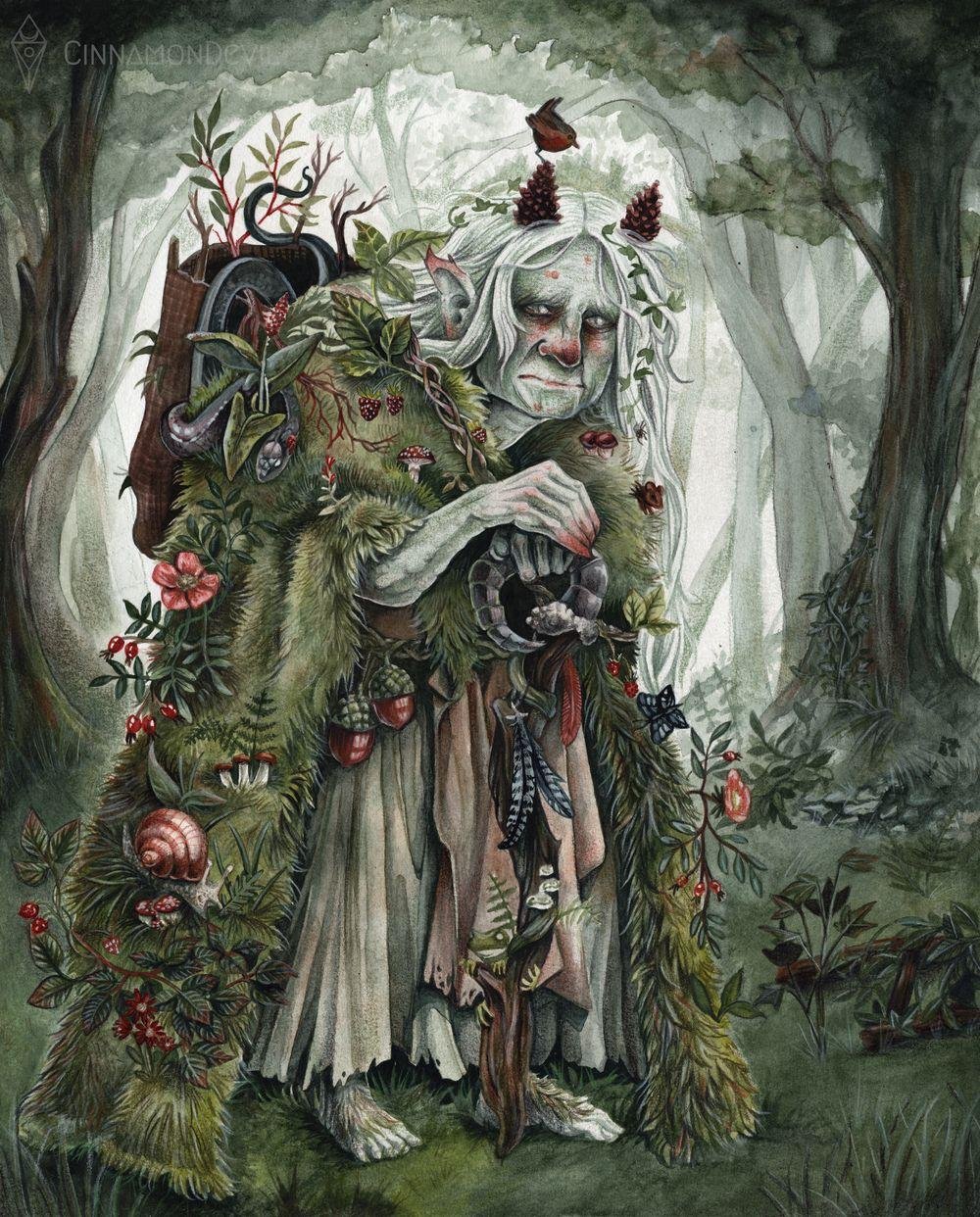
The Squire and The Wood Witch
In sweet stringed lyre, this song tells the story of a young fair squire traveling into the Tahlenwood in the season of winter. Although it is not stated why the squire has done this, it is presumed he is either journeying through to somewhere else or in search of a beautiful witch that resides in the wood. Eventually after walking down a snowy path into a dell with a frozen pond, a glamorous and wise witches approaches the squire. At this time in the world, witches were relatively regarded as negative beings, who conjured black magic and dangerous craft to gain what they want. Yes, a stereotype of the people in this period. The beautiful witch begins to offer the young man unseen gifts and wishes in order to glean his love for her. As the witch starts to offer more grandly and more magical, the squire refuses all gifts given, as he believes this is false and wicked trickery. After fourteen gifts from midnight horses, gilded swords, rare gems, and sweet wine is mentioned with enchanting effects, the squire banishes the witch and leaves the forest. This causes the witch to flee, wail, and cry, failing at her task at gaining true love from a man, and if she had gained this love, she would have been able to freely leave the Tahlenwood forever.
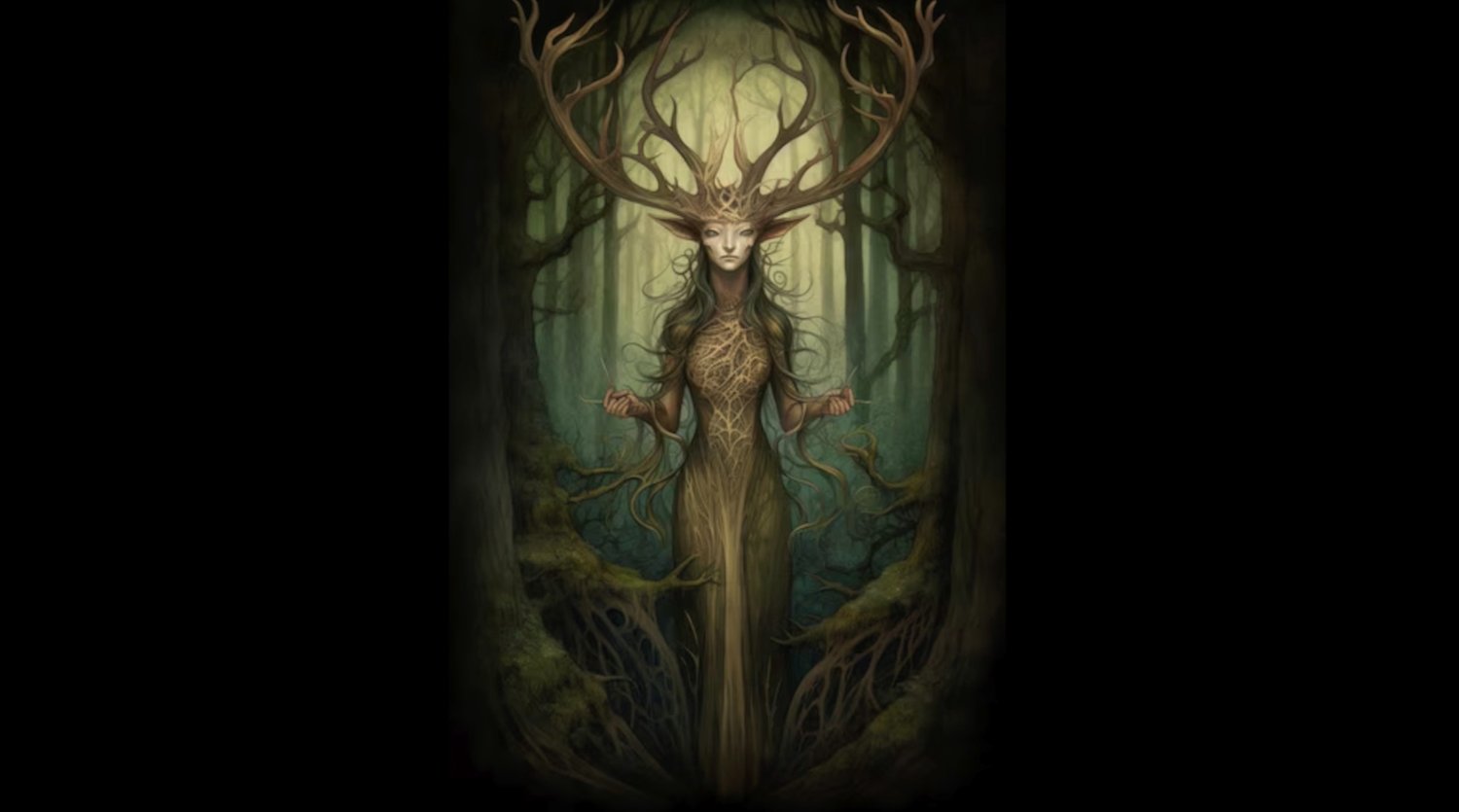
Lay of the Moor Child
One of the more ancient, elder witch songs and the final song in the Volume II album, haunting, eerie, and dreamy, this tune contains no instruments whatsoever. Only the soothing, calm vocals of a Faen\Druid\Moor child singing softly about the forest she lives in, the energy, Waystones, and tree’s that admit herself as a breathing living thing, the man who protects her, a horned Queen of the wood, and the girl they have conceived. Strange and echoey, this song will not only possibly send shivers down your spine, but also yank you deeper into the dashing devious dapples of the forest.
Below is the Bundle for Free:
Here are all the products that are included in your bundle
Good Spring
Free