
The Science Behind Oily Skin – Why Some People Produce More Sebum
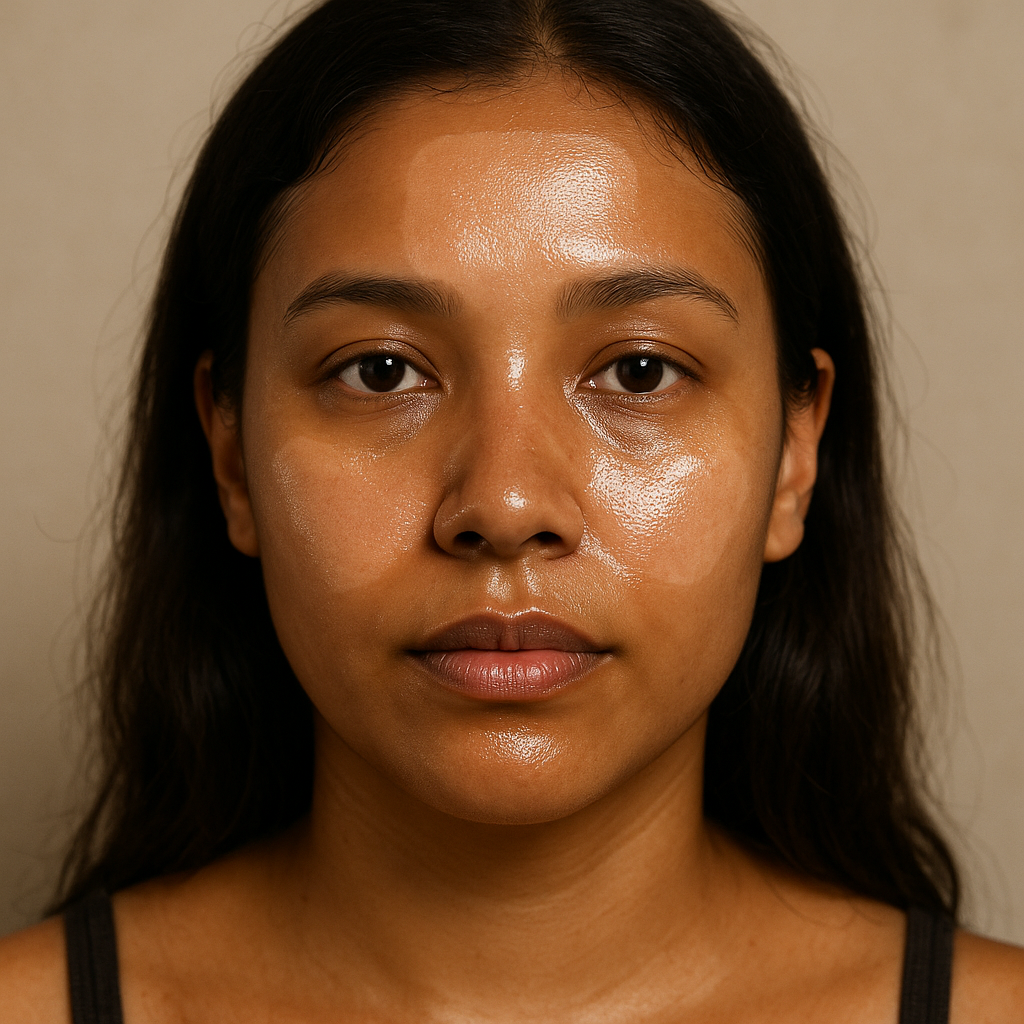
Oily skin is one of the most misunderstood skin types, often associated with acne, enlarged pores, and a persistent shine. But beneath the surface, there’s a fascinating biological system at play that governs why some people produce more sebum than others. Let’s take a deep dive into the science of oily skin and uncover the key factors that influence sebum production.
What Is Sebum and Why Do We Need It?
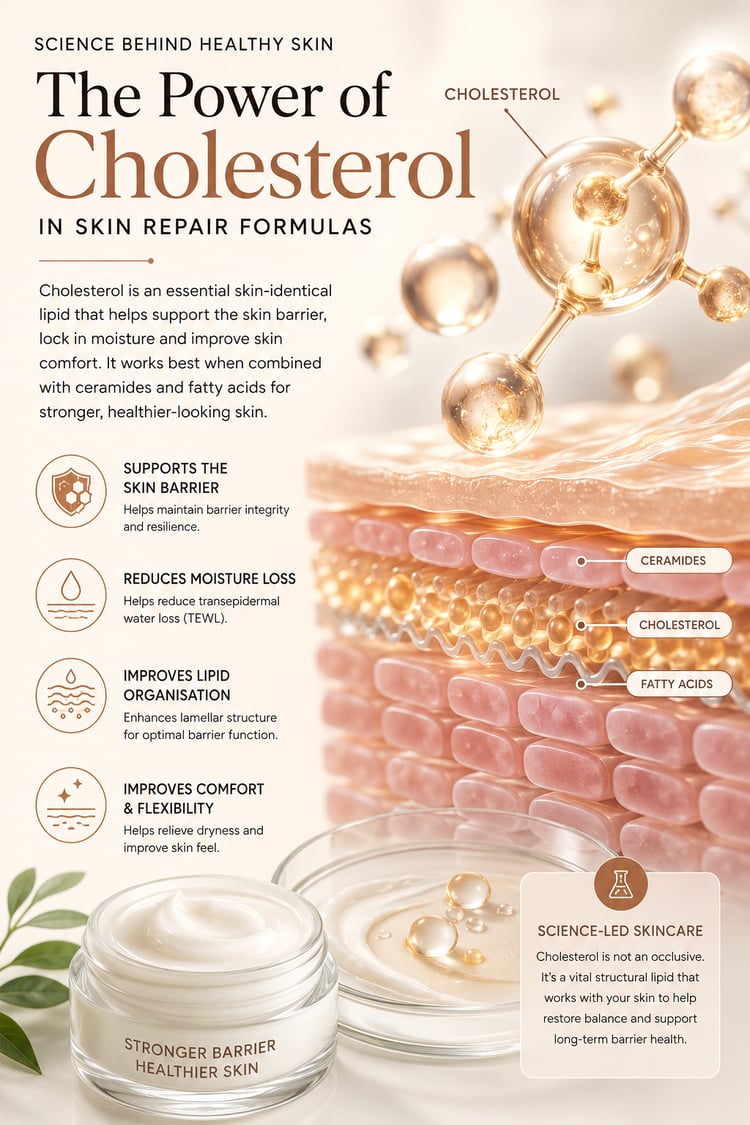
Sebum is an oily, waxy substance secreted by the sebaceous glands, which are located in the dermis and attached to hair follicles. Composed of triglycerides, free fatty acids, wax esters, squalene, and cholesterol, sebum forms part of the skin’s natural lipid barrier.
Its primary functions include:
- Lubricating the skin and hair to prevent dryness and breakage
- Maintaining skin flexibility and softness
- Forming a protective layer that slows down water loss (TEWL)
- Delivering antioxidants like vitamin E to the skin surface
- Maintaining the skin microbiome, especially against pathogenic bacteria
While sebum is essential for healthy skin, excessive production can disrupt the skin’s equilibrium.
Why Do Some People Produce More Sebum?
The amount of sebum your skin produces is influenced by several biological and environmental factors:
1. Hormonal Activity
Androgens (male hormones present in all genders, including testosterone and DHT) are the most powerful regulatorsof sebum production.
- During puberty, there’s a spike in androgen levels, leading to increased sebaceous gland activity.
- High androgen sensitivity can cause the sebaceous glands to enlarge and secrete more oil, contributing to oily skin and acne.
- Hormonal fluctuations (e.g. menstrual cycles, pregnancy, PCOS, or use of certain contraceptives) can also trigger excessive sebum production.
2. Genetic Predisposition
Oily skin often runs in families. Genes determine:
- Sebaceous gland size and density
- Hormone receptor sensitivity
- Skin barrier function, which influences how much oil your skin needs to compensate for moisture loss
This means if your parents or siblings have oily skin, there's a good chance you will too.
3. Climate and Environment
Environmental factors such as heat and humidity can cause sebaceous glands to work overtime.
- In hot weather, the skin increases oil production to maintain barrier function and reduce water loss.
- People in tropical climates often report oilier skin compared to those in drier regions.
4. Diet and Nutrition
While the relationship between diet and sebum is complex, some research suggests:
- High glycaemic index foods (like white bread, sugar, and processed snacks) may increase insulin and IGF-1, both of which stimulate androgen production and increase sebum output.
- Dairy products have also been implicated in boosting IGF-1 and influencing oil production.
- Deficiencies in zinc, vitamin A, and essential fatty acids may contribute to an impaired barrier and compensatory oil production.
5. Skincare Habits
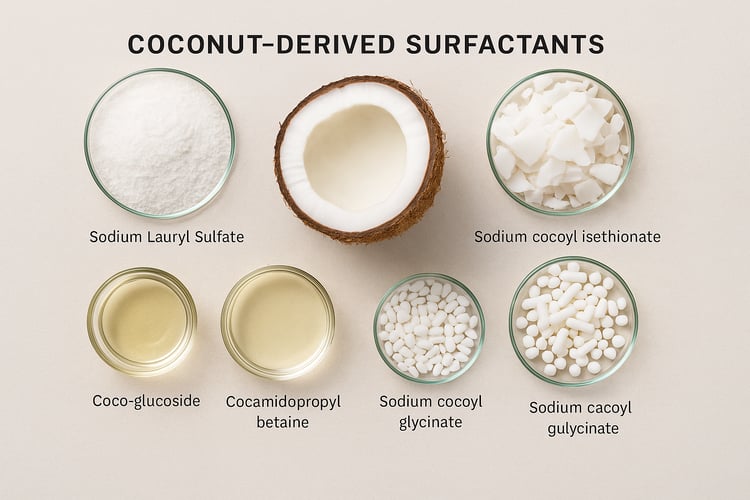
Over-washing or using harsh, stripping products can backfire. When the skin’s natural oils are aggressively removed, it can signal the body to produce more sebum to compensate.
- Using alcohol-heavy toners, sulfate-based cleansers, or excessive exfoliation may make oily skin worse over time.
- Maintaining a balanced routine with gentle cleansers, humectants, and non-comedogenic moisturizers is key.
6. Stress and Cortisol
Chronic stress elevates cortisol levels, which can indirectly influence sebum production and inflammation.
- Stress also disrupts the skin barrier and immune responses, making oily skin more prone to breakouts and congestion.
Sebum Isn’t the Enemy
It’s important to remember that sebum is not inherently bad. In fact, it plays a critical role in keeping our skin healthy and youthful. Issues arise when it becomes excessive, oxidizes, or traps dead skin cells and bacteria, leading to acne and inflammation.
Formulating for Oily Skin
When developing skincare for oily skin types, focus on:
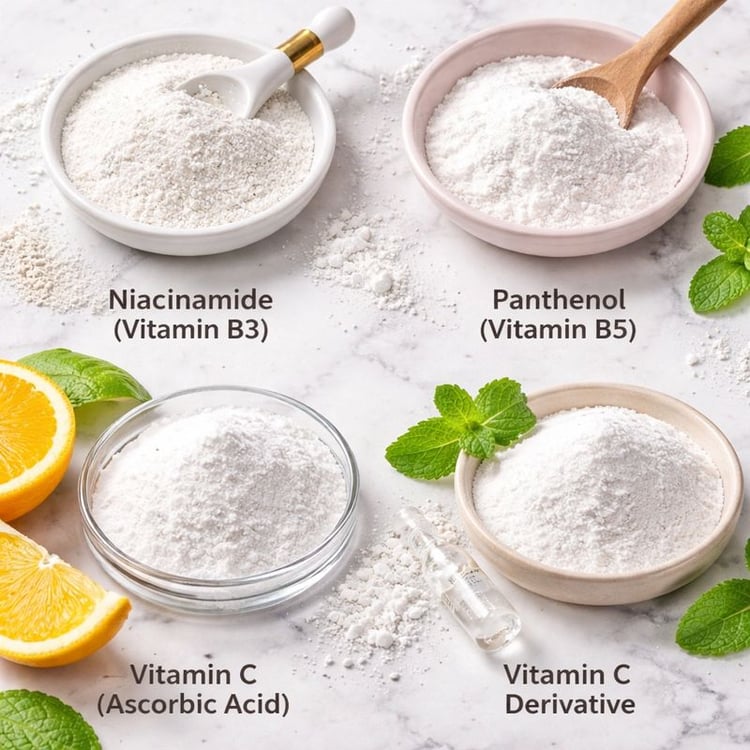
- Oil-balancing ingredients: niacinamide, green tea extract, zinc PCA
- Lightweight humectants: glycerin, sodium PCA, hyaluronic acid
- Non-comedogenic emollients: squalane, caprylic/capric triglyceride
- Mild exfoliants: salicylic acid (BHA), gluconolactone (PHA)
Avoid ingredients that are:
- Occlusive and comedogenic (e.g. mineral oil in high amounts)
- Highly fragrant or sensitizing
- Overly drying (which causes rebound oiliness)
Sebum production is a complex, multifactorial process driven by hormones, genetics, lifestyle, and external conditions. Understanding the science behind oily skin allows for more thoughtful skincare choices and targeted formulation strategies. Rather than fighting your skin’s oil, work with it—balance, don’t strip.
Go deeper with my detailed PDF blow.