
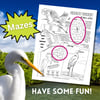
Great Egret - Facts + Coloring + Words Scramble + More!
On Sale
$0.99
$0.99
Great Egret - Facts + Coloring + Words Scramble + More!
Single-sided, black and white
No prep, 15-20 minute activity page
Life science, birds, or wetland ecosystems (K–3)
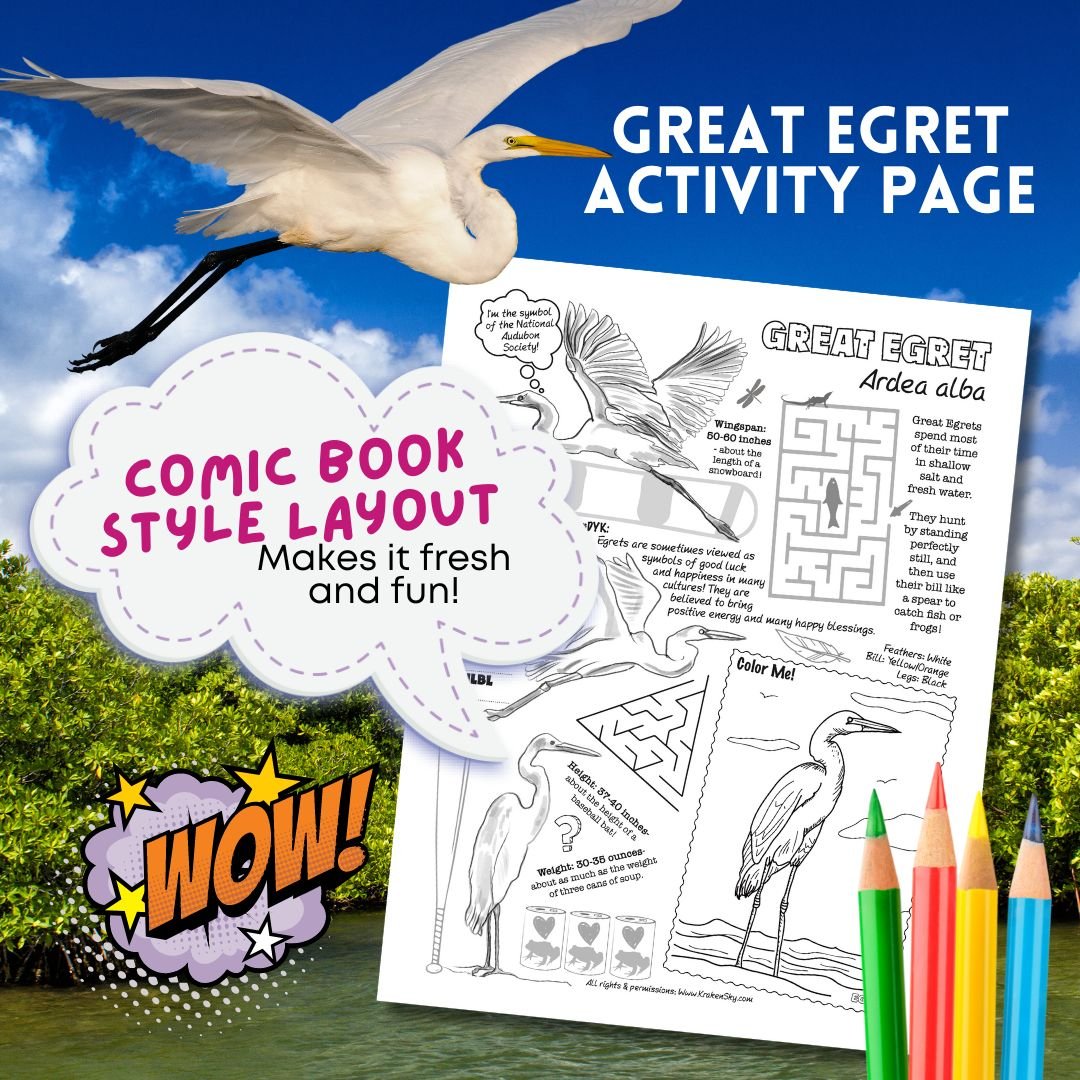
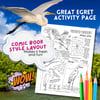
Introduce students to the majestic Great Egret (Ardea alba) with this engaging, no-prep activity sheet!
Students learn fun facts about this wetland bird, color its distinctive features, and unscramble related vocabulary.
Your students will:
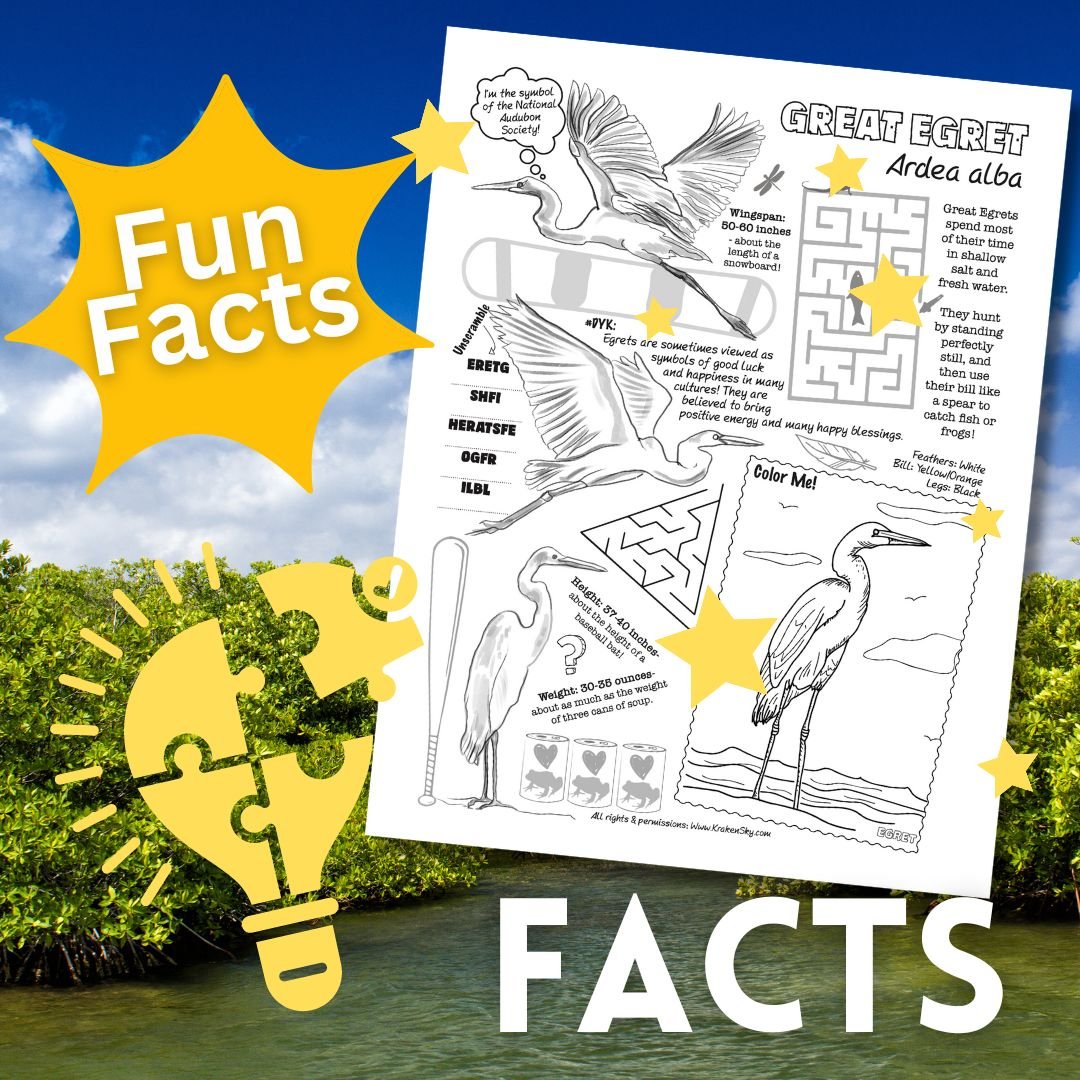
- Read about the Great Egret’s size, habitat, diet, and unique hunting style
- Learn why the Great Egret is the symbol of the National Audubon Society
- Explore cultural connections, including how egrets are seen as symbols of good luck
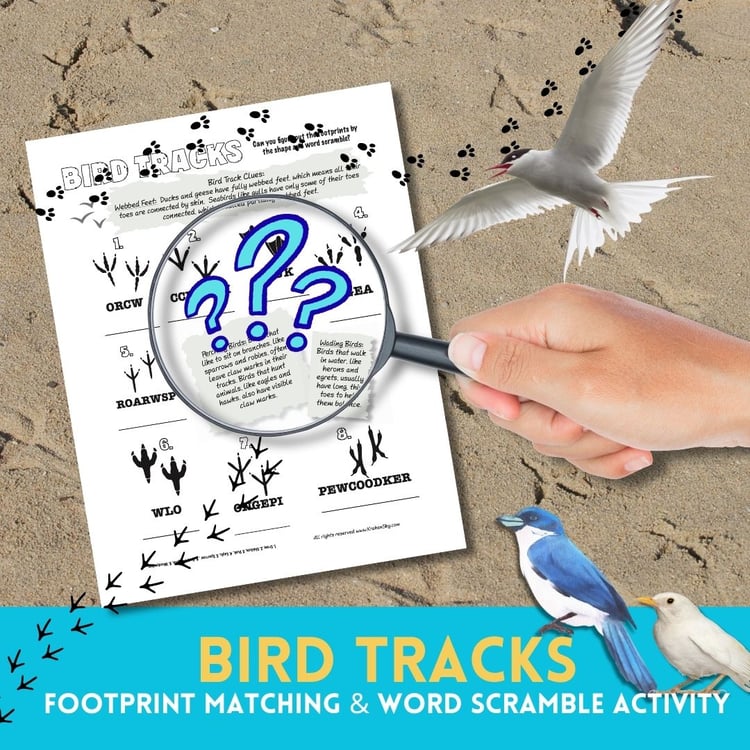
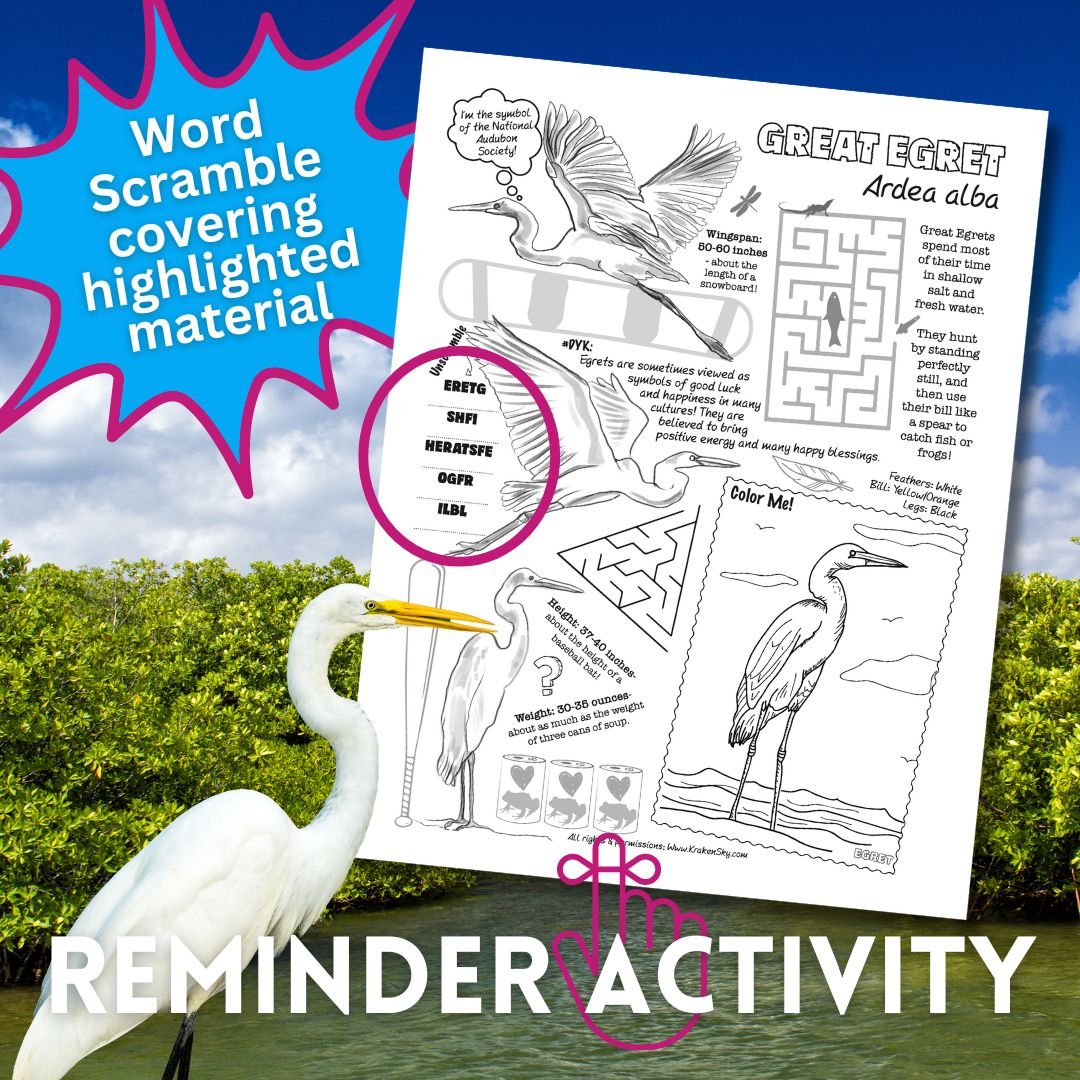
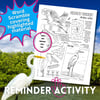
- Practice vocabulary skills with a themed unscramble puzzle
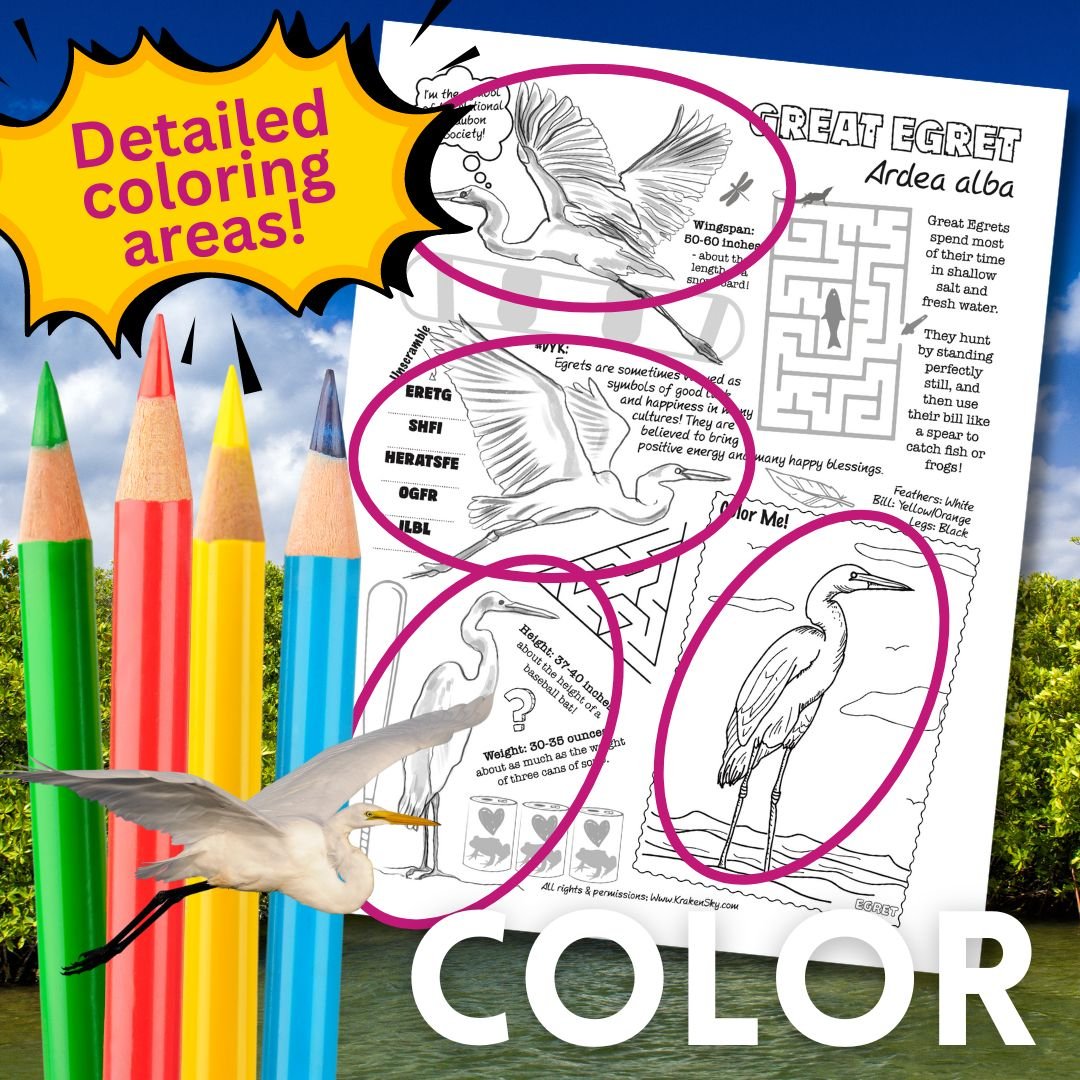
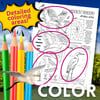
- Color the bird to reinforce key identification features
Perfect for science centers, sub plans, or enrichment during bird, wetlands, or ecosystem units!
Includes:
- Illustrated Great Egret for coloring
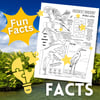
- Informational text about size, habitat, and behavior
- Fun fact about symbolism and Audubon Society
- Vocabulary unscramble activity
- Facts include size, wingspan, weight, diet, habitat
- Scientific name
- Detailed coloring areas
- Word scramble
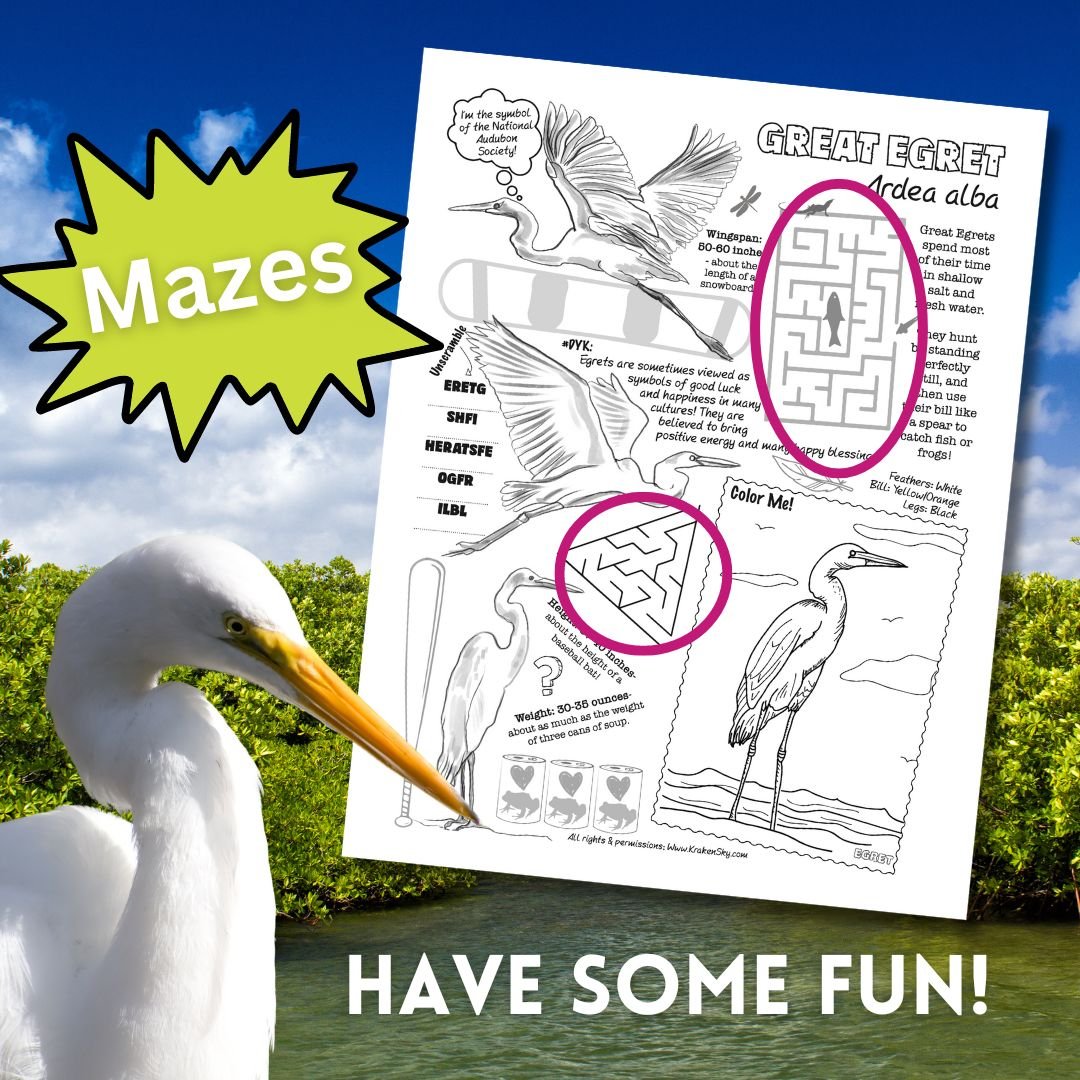
- Mazes
Learning Objectives
Students will be able to:
- Identify the physical features and habitat of the Great Egret
- Describe the Great Egret’s hunting behavior and role in wetland ecosystems
- Understand the cultural symbolism of the Great Egret
- Strengthen spelling and vocabulary skills through an unscramble activity
Standards Alignment
NGSS – Next Generation Science Standards
- K-LS1-1: Use observations to describe patterns of what plants and animals (including humans) need to survive.
- 2-LS4-1: Make observations of plants and animals to compare the diversity of life in different habitats.
- 3-LS4-3: Construct an argument with evidence that in a particular habitat some organisms can survive well, some survive less well, and some cannot survive at all.
CCSS – Common Core State Standards (ELA-Literacy)
- RI.1.1 / RI.2.1 / RI.3.1: Ask and answer questions about key details in a text.
- RI.1.4 / RI.2.4 / RI.3.4: Determine the meaning of general academic and domain-specific words and phrases.
- RI.1.7 / RI.2.7 / RI.3.7: Use illustrations and details in a text to describe its key ideas.
- L.1.6 / L.2.6 / L.3.6: Use words and phrases acquired through reading and being read to.