
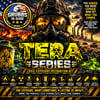
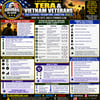
Tera Master Series
🇺🇸 GRUBBS VA GUIDE: THE COMPLETE TERA CLAIM STRATEGY SERIES
Toxic Exposure Recognition Act (TERA) — Understand Your Exposure. Build Your Evidence. Strengthen Your VA Disability Claim.
You served. You were exposed. Now learn how to navigate the VA disability claims process.
Did you serve in an environment where you may have been exposed to burn pits, airborne hazards, industrial chemicals, contaminated water, radiation, fuels, solvents, pesticides, or other potentially hazardous substances?
Are you trying to understand how toxic exposure could relate to your current medical conditions? Have you filed a VA disability claim that was denied because of insufficient evidence, a missing medical nexus, or a lack of documented exposure? Are you unsure how a Toxic Exposure Risk Activity (TERA) fits into the VA disability claims process?
The Grubbs VA Guide TERA Series was created to help veterans better understand the complex relationship between military toxic exposures, medical evidence, VA disability claims, presumptive service connection, secondary conditions, and Special Monthly Compensation (SMC).
This educational series breaks down complicated VA claims concepts into structured, easy-to-follow visual guides designed to help veterans understand the process, recognize potential evidence gaps, and become better prepared to work with their healthcare providers, accredited representatives, and the Department of Veterans Affairs.
Whether you are preparing your first claim, gathering evidence for a supplemental claim, researching a previously denied condition, or trying to understand the potential long-term effects of a service-connected disability, this series provides a practical educational starting point.
Your service matters. Your health matters. Understanding the claims process matters.
---
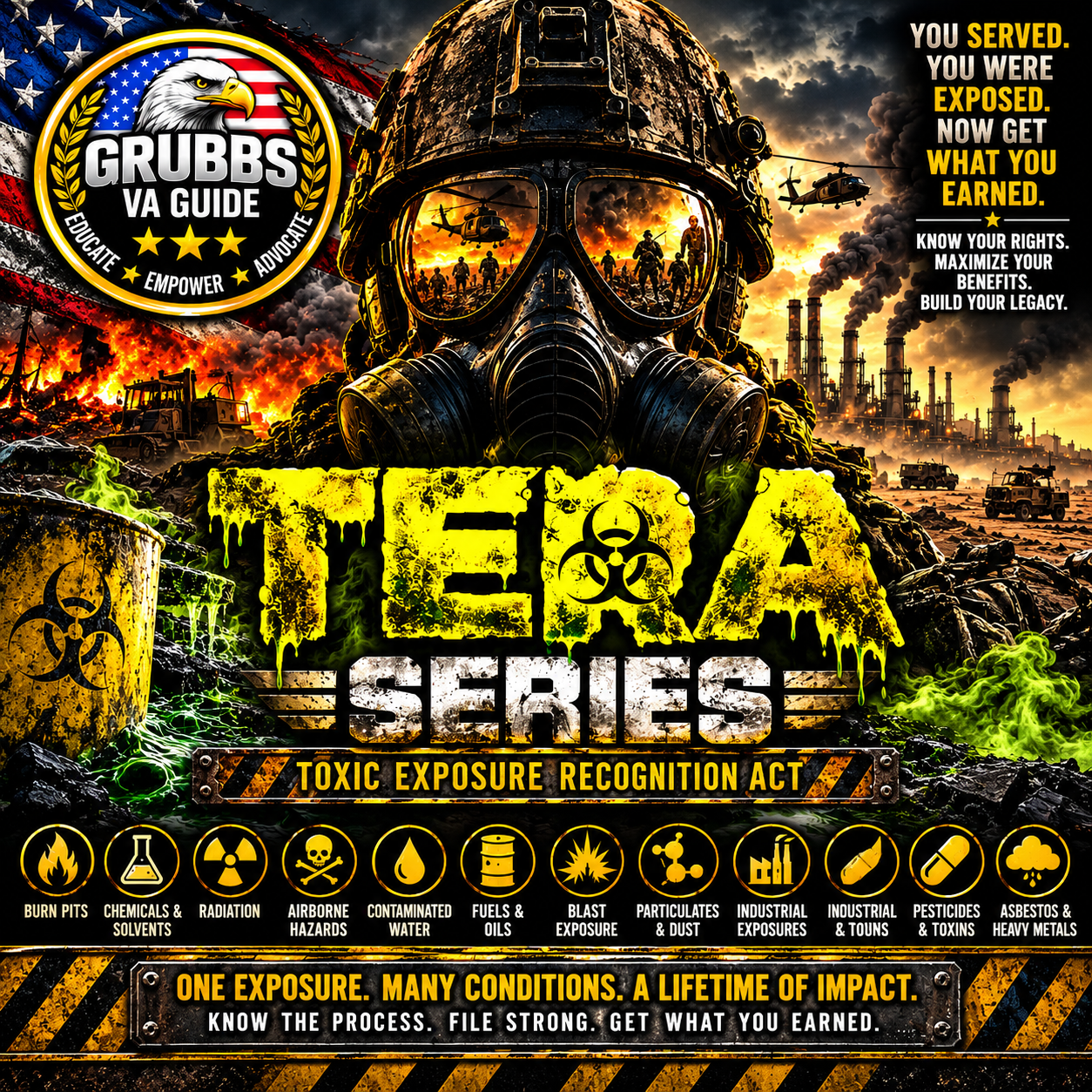
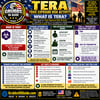
WHAT IS THE TERA SERIES?
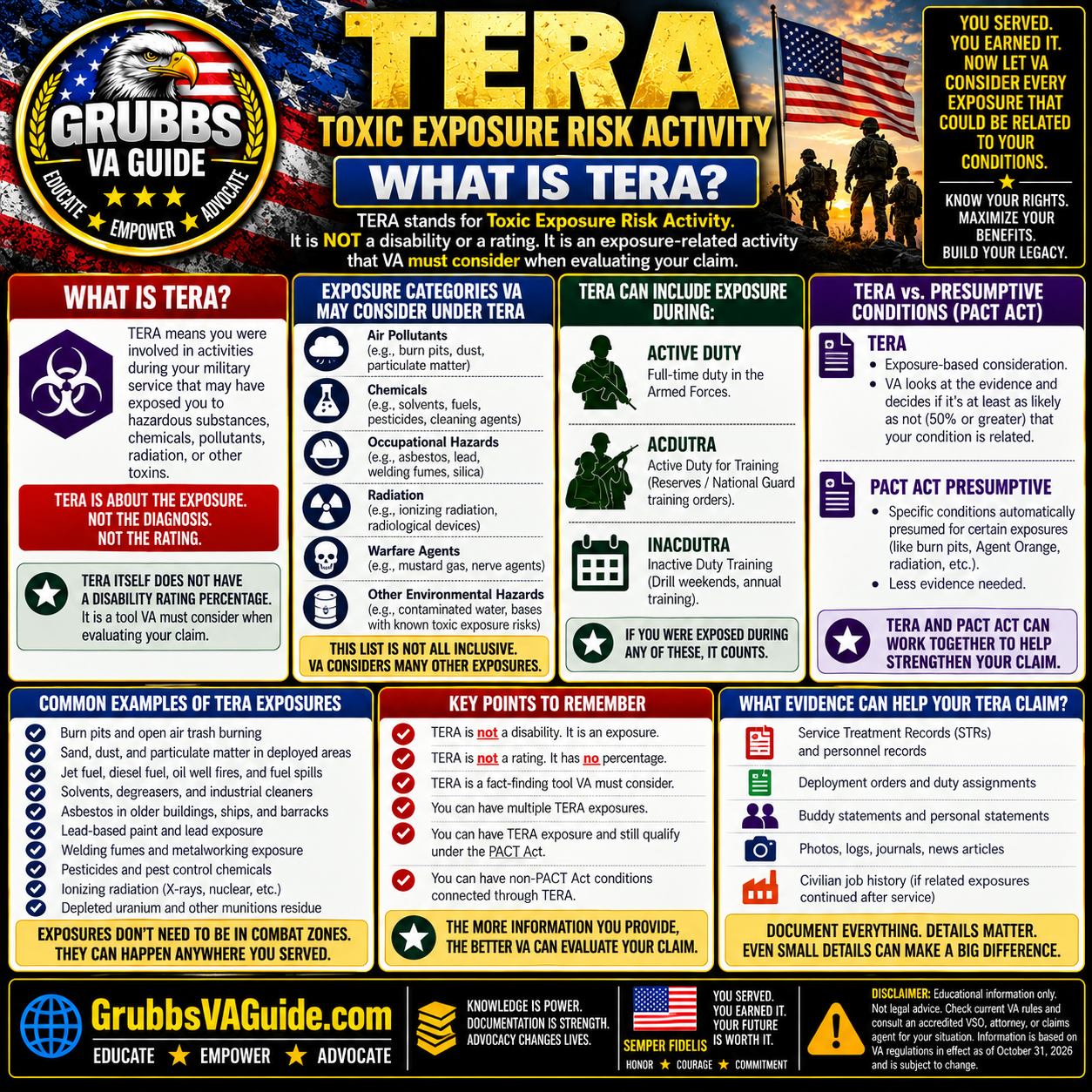
TERA stands for Toxic Exposure Risk Activity. The VA uses TERA-related information when evaluating certain disability claims involving potential toxic exposures during military service.
The TERA framework operates alongside other VA disability compensation pathways. Depending on the facts of a particular claim, relevant evidence may include military service records, exposure information, medical diagnoses, treatment records, medical opinions, and evidence connecting a current disability to military service.
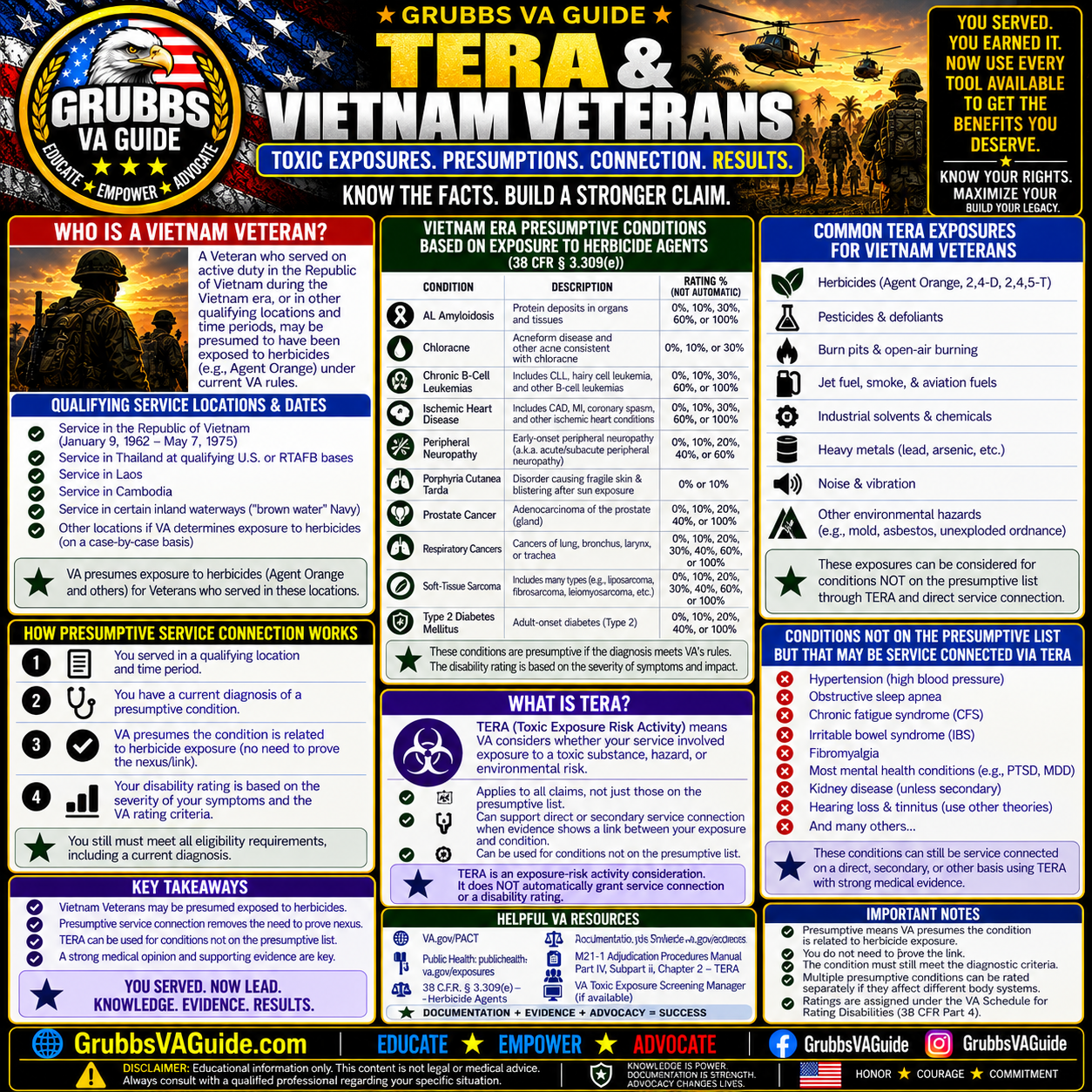
Some conditions may qualify for presumptive service connection when the applicable legal requirements are satisfied. Other conditions may require individualized evidence establishing a relationship between the disability and military service. A veteran's exposure history, diagnosis, service circumstances, and applicable VA rules all matter.
The Grubbs VA Guide TERA Series helps explain these distinctions in plain language so veterans can better understand the questions to ask, the records to review, and the evidence that may be relevant to their individual circumstances.
This is not about assuming every condition is automatically service-connected. It is about understanding the rules, identifying the appropriate claim pathway, and learning why complete and relevant evidence is important.
---
WHAT YOU WILL LEARN
1. Understanding Toxic Exposure Screening and TERA Evidence
Learn the important distinction between receiving a VA toxic exposure screening and establishing the evidence needed for a disability compensation claim.
The series explains why identifying a possible exposure is not necessarily the same as proving that a current disability is related to military service. It also explores how screening information, exposure histories, medical records, and other evidence may contribute to a broader understanding of a veteran's circumstances.
Topics include:
- The purpose of toxic exposure screening.
- The difference between a screening, a medical examination, and a disability claim.
- How exposure information may be relevant to claim development.
- Why a current medical diagnosis and evidence of the relationship to service can matter.
- How to organize exposure-related documentation.
2. How the VA Develops a TERA Claim
Understand the general stages involved in the development and evaluation of a toxic exposure-related disability claim.
Learn about the roles of service records, exposure research, medical evidence, Compensation and Pension (C&P) examinations, and VA rating decisions.
The educational materials address topics such as:
- Claim submission and identification of potentially relevant exposures.
- Requests for additional exposure information.
- Review of military occupational specialty, duty locations, deployment history, and other available records.
- Medical examinations and opinions when required.
- The importance of responding to VA development requests.
- The role of the final rating decision and its stated reasons.
The objective is to help you understand the process and prepare more effectively—not to suggest that every claim follows an identical path.
3. How to File a TERA-Based Disability Claim
Explore the practical considerations involved in identifying a claimed condition, organizing supporting evidence, and selecting an appropriate filing pathway.
The series discusses the general distinction between an initial claim and a supplemental claim, including situations in which a previously decided claim may be eligible for review through the applicable process.
You will learn about:
- Identifying the specific disability being claimed.
- Reviewing relevant service and medical records.
- Documenting potentially relevant military exposures.
- Understanding the importance of a current diagnosis when required.
- Recognizing when medical evidence or a nexus opinion may be relevant.
- Keeping copies of submitted documents and tracking claim correspondence.
- Reviewing VA decisions to understand the findings and reasons provided.
Filing requirements depend on the type of claim, its procedural history, and the evidence available. Always verify current forms, deadlines, and submission requirements through official VA resources.
4. Presumptive Service Connection Versus Direct Service Connection
One of the most important concepts in toxic exposure claims is understanding that not every exposure-related claim follows the same legal pathway.
The series introduces the difference between presumptive service connection and claims requiring an individualized showing that a disability is related to military service.
Topics include:
- What presumptive service connection generally means.
- Why qualifying service, locations, dates, diagnoses, and other applicable criteria matter.
- Why an exposure alone does not automatically establish entitlement to compensation.
- How direct service connection differs from a presumption.
- Why a condition not covered by a particular presumption may still warrant further evaluation under another applicable service-connection theory.
- Why the evidence and legal requirements must be considered for each claimed condition.
Presumptive lists and eligibility rules can change. The guides are intended to help you understand the concepts, not replace a review of current VA requirements.
5. Military Exposure Documentation and Evidence Development
Learn about categories of information that may help establish your service circumstances and exposure history.
Depending on what exists in your records and the nature of your claim, potentially relevant materials may include:
- Service treatment records.
- Military personnel records.
- Deployment orders and duty-location information.
- Unit histories and operational records.
- Military occupational specialty and duty descriptions.
- Available exposure documentation.
- Relevant medical treatment records.
- Statements describing firsthand experiences and observable symptoms.
- Scientific or medical literature when appropriate to the individual case.
The series emphasizes organization, consistency, and relevance. More documents do not automatically make a claim stronger; the value of evidence depends on what it establishes and how it relates to the issue being decided.
6. Medical Diagnoses, Nexus Opinions, and C&P Examinations
Understanding the medical side of a VA claim can be challenging. The series introduces several important concepts veterans may encounter while pursuing disability compensation.
These include:
- The difference between an exposure history and a diagnosed medical condition.
- The purpose of a medical nexus opinion.
- How medical evidence may address a relationship between a condition and military service.
- The role of C&P examinations in the claims process.
- Why an examiner's findings and the complete evidentiary record matter.
- How symptoms, treatment history, and functional limitations may be documented.
A medical opinion must be evaluated in context. No particular phrase or single document guarantees that the VA will accept an opinion or grant a claim.
7. TERA and Secondary Service Connection
A service-connected disability can sometimes cause or aggravate another disability. This is commonly discussed as secondary service connection.
The series explores how a veteran might investigate a potential relationship between an established service-connected condition and another diagnosed condition.
Educational examples discuss possible relationships involving respiratory conditions, sleep apnea, gastrointestinal disorders, mental health conditions, cardiovascular conditions, and other medical issues.
These examples are intended to illustrate the concept—not to establish that a particular medical relationship exists in every veteran's case.
The guides explain why veterans should consider:
- Whether the claimed secondary condition has been diagnosed.
- Whether the primary condition is service-connected.
- Whether medical evidence supports causation or aggravation, as applicable.
- Whether a qualified medical professional can address the specific relationship.
- Whether the relevant VA legal requirements are satisfied.
A condition does not become service-connected merely because it occurs after another condition or appears in an educational example.
8. Aggravation and Worsening Medical Conditions
Learn the general concept of aggravation in VA disability claims and why the distinction between causation and aggravation can matter.
The series discusses how a service-connected condition may potentially worsen another disability, even when it did not originally cause that disability.
The evidence required depends on the particular legal theory and circumstances. Medical history, clinical findings, medical opinions, and applicable regulations may all be relevant.
9. Previously Denied TERA-Related Claims
A previous denial does not necessarily mean that every available avenue has been exhausted.
The series explains why veterans should read prior rating decisions carefully and understand the specific reasons the VA gave for denying a claim.
Topics include:
- Identifying missing evidence.
- Understanding the difference between a missing diagnosis, insufficient evidence of exposure, and an unresolved service-connection question.
- Reviewing the reasons and bases in a rating decision.
- Considering whether new and relevant evidence may support a supplemental claim.
- Understanding the potential role of medical opinions and additional records.
- Recognizing that different review options have different rules and requirements.
The appropriate next step depends on the decision, applicable deadlines, available evidence, and procedural posture. No review option guarantees a different outcome.
10. TERA and Special Monthly Compensation (SMC)
For veterans with severe service-connected disabilities, Special Monthly Compensation may be an important subject to understand.
The series introduces SMC as a separate area of VA compensation that may apply when the veteran satisfies specific statutory and regulatory criteria.
Educational topics include:
- The general purpose of SMC.
- Why a diagnosis or high disability rating alone does not automatically establish eligibility.
- The distinction between ordinary disability compensation and SMC.
- The general role of severe functional limitations and qualifying circumstances in certain SMC categories.
- Aid and Attendance and the types of assistance that may be relevant to certain eligibility determinations.
- Why the complete disability picture and applicable SMC criteria must be reviewed.
SMC eligibility is highly fact-specific. Toxic exposure does not independently establish entitlement to SMC, and a veteran must satisfy the requirements for the particular benefit being considered.
11. Building an Organized Claim File
A well-organized claim file can make it easier for you and your representative to identify the evidence available and recognize what may still need attention.
The series encourages veterans to maintain organized copies of relevant records, correspondence, statements, and medical evidence.
Practical organization topics include:
- Creating a timeline of military service and relevant exposures.
- Maintaining copies of important medical records.
- Separating evidence by claimed condition.
- Keeping track of VA letters and requested information.
- Reviewing the evidence submitted before filing.
- Keeping notes about unresolved questions for a qualified representative or healthcare provider.
The goal is better preparation, not unnecessary paperwork.
---
WHO IS THIS SERIES FOR?
The Grubbs VA Guide TERA Series may be useful for:
Veterans who served in potentially hazardous environments
If you served in an environment involving burn pits, airborne hazards, chemicals, contaminated water, fuels, radiation, or other potential exposures, the series can help you understand the general VA claims concepts that may be relevant to your situation.
Veterans preparing an initial disability claim
Use the educational materials to become familiar with exposure documentation, medical evidence, service connection, and the general claims process before submitting a claim.
Veterans with existing or previously denied claims
If the VA has already decided your claim, the series can help you understand why reviewing the decision and identifying the specific evidentiary issues is important.
Veterans researching secondary conditions
If you have a service-connected condition and another diagnosed disability, the series introduces the general concept of secondary service connection and the importance of evidence supporting the claimed relationship.
Veterans with severe service-connected disabilities
If your circumstances involve significant functional limitations or a need for assistance, the SMC materials provide an educational introduction to a separate and complex area of VA compensation.
Family members and caregivers
Family members may use the materials to become more familiar with VA terminology and help veterans organize questions, records, and relevant information.
Veteran advocates and representatives
The guides may also serve as a general educational reference when discussing TERA concepts with veterans. They are not a substitute for accredited representation, professional judgment, or an independent review of the applicable rules.
---
WHY GRUBBS VA GUIDE?
The VA disability claims process can be complicated, particularly when toxic exposures, presumptive conditions, medical nexus questions, secondary service connection, and SMC are involved.
Grubbs VA Guide is built around a straightforward mission:
EDUCATE ★ EMPOWER ★ ADVOCATE
The series uses structured visual guides, clear headings, practical examples, and veteran-focused explanations to make complicated subjects easier to navigate.
Rather than encouraging veterans to assume that exposure automatically establishes a claim, the series emphasizes understanding the applicable requirements, identifying relevant evidence, and learning what questions to ask next.
The focus is on helping veterans become better informed participants in their own claims process.
You deserve clear educational information. You deserve to understand the terminology being used in your case. And you deserve the opportunity to make informed decisions about your next steps.
---
WHAT THIS PRODUCT DOES — AND DOES NOT — PROVIDE
This educational series is designed to help you:
- Understand TERA-related terminology and general VA claims concepts.
- Learn about common categories of exposure and evidence.
- Recognize the difference between presumptive and nonpresumptive claims.
- Understand the general roles of diagnoses, medical opinions, and C&P examinations.
- Become familiar with secondary service connection and SMC.
- Organize questions and documents for further review.
- Identify official resources for verifying current requirements.
This educational series does not:
- Guarantee a disability rating, claim approval, effective date, or monetary award.
- Determine whether you personally qualify for a VA benefit.
- Provide an individualized medical diagnosis or treatment plan.
- Replace advice from a VA-accredited attorney, claims agent, or Veterans Service Organization representative.
- Replace the applicable statutes, regulations, VA decisions, or official VA guidance.
- Establish that a specific exposure caused a specific medical condition.
Every veteran's service history, medical circumstances, evidence, and claim history are different. Individual results depend on the facts and applicable requirements.
---
IMPORTANT DISCLAIMER
The Grubbs VA Guide TERA Series is provided for general educational and informational purposes only. It is not legal advice, medical advice, or individualized claims representation.
VA laws, regulations, presumptive-condition lists, forms, procedures, and compensation rates may change. Examples are illustrative and may not apply to every veteran. Always verify current requirements through official Department of Veterans Affairs resources and consult an appropriately qualified professional about your individual circumstances.
For assistance with a claim, consider contacting an accredited VA attorney, claims agent, or Veterans Service Organization representative. For medical questions, consult a qualified healthcare professional.
Official starting points include:
- VA disability compensation: https://www.va.gov/disability/
- The PACT Act and VA benefits: https://www.va.gov/resources/the-pact-act-and-your-va-benefits/
- VA toxic exposure information: https://www.publichealth.va.gov/exposures/
- VA accredited representatives: https://www.va.gov/get-help-from-accredited-representative/
---
YOUR NEXT STEP STARTS WITH KNOWLEDGE
You served your country. You may have encountered exposures whose potential health effects deserve careful medical attention and, where applicable, a thorough review under VA disability rules.
You do not have to approach the claims process without understanding the terminology, the general evidence requirements, or the questions worth asking.
Use the Grubbs VA Guide TERA Series as an educational starting point. Review the material, verify current VA requirements, organize your records, and seek qualified help when needed.
ONE EXPOSURE. MANY POSSIBLE CONSEQUENCES. UNDERSTAND THE PROCESS.
GRUBBS VA GUIDE
Educate ★ Empower ★ Advocate
GrubbsVAGuide.com
You served. You earned it. Now get informed about the benefits you may qualify for.