
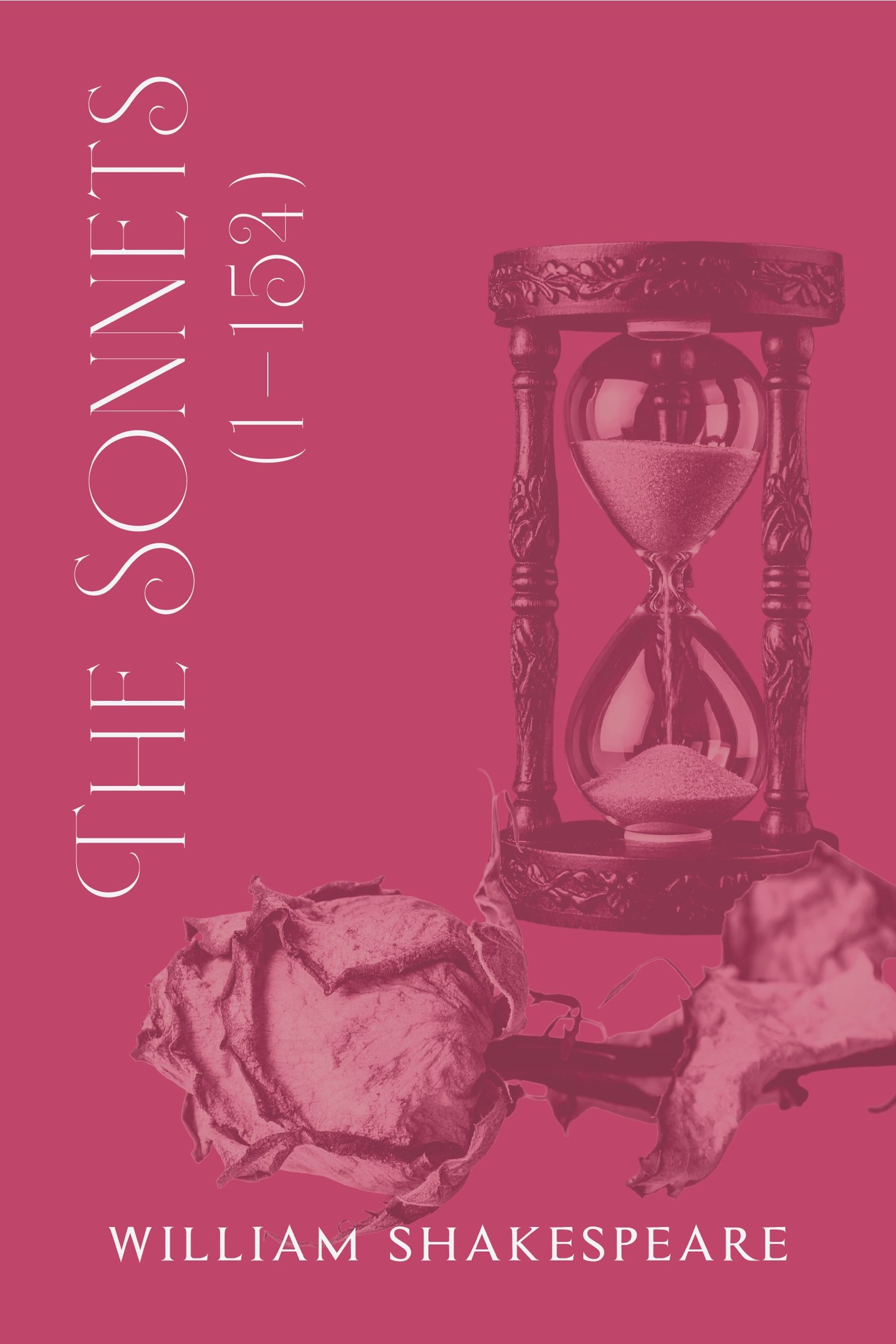
The Sonnets
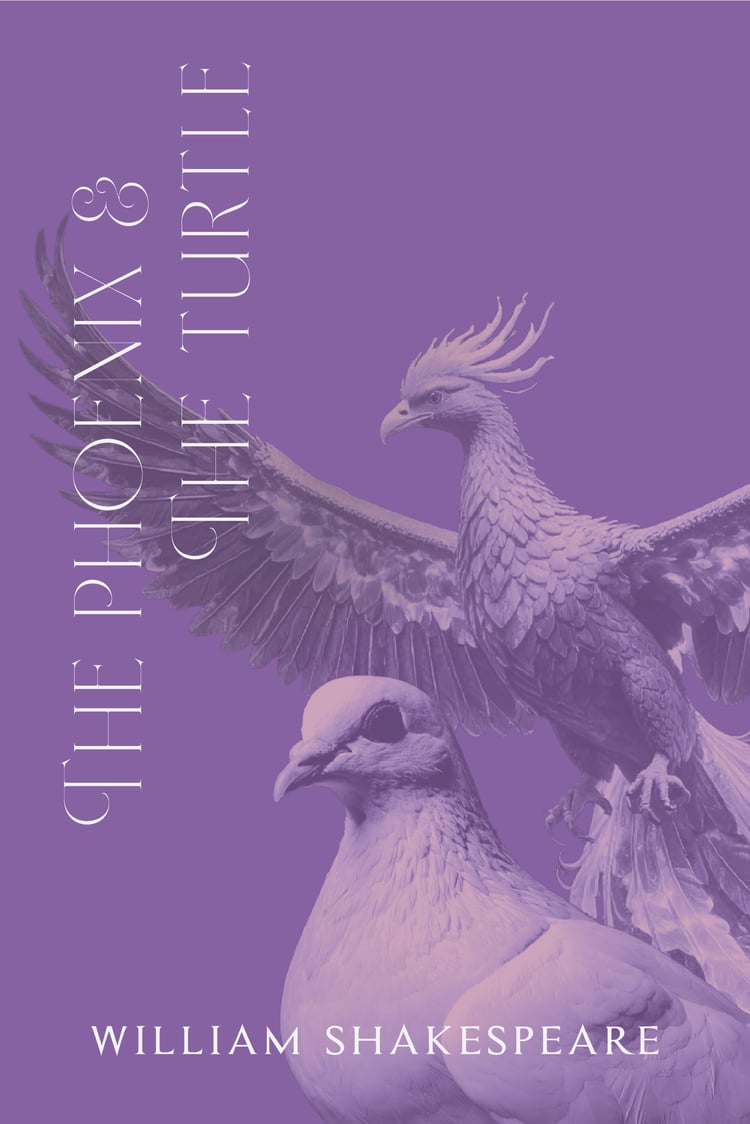
William Shakespeare's Sonnets, published in 1609, are literature's most influential and enigmatic love poems. The collection of 154 sonnets doesn't tell a straightforward story but rather explores love's many facets through recurring figures and themes. The first 126 sonnets primarily address a young man of extraordinary beauty and higher social station—the "Fair Youth." Early poems urge him to marry and have children to preserve his beauty against time's destruction, but the relationship deepens into something more intimate and emotionally complex, possibly romantic, certainly devoted. Shakespeare grapples with jealousy when rival poets compete for the youth's attention, with his own aging and inferior social status, and with the gap between idealizing someone and knowing them as flawed human beings.
Sonnets 127-154 shift focus to the "Dark Lady"—a woman who violates Elizabethan beauty standards by having dark hair and eyes, yet who exerts powerful sexual magnetism over the poet. These poems are rawer, more bitter, more explicitly physical than the youth sonnets. Shakespeare describes a relationship built on lust rather than idealization, acknowledges her infidelity and his own inability to leave despite knowing better. The emotional crisis intensifies when it's revealed the Dark Lady and the Fair Youth have betrayed the poet with each other, creating a love triangle of devastating complexity. Shakespeare explores desire that survives contempt, the gap between loving someone and liking them, and the humiliation of wanting what demeans you.
Throughout the sequence, Shakespeare wrestles with time as the ultimate enemy—beauty fades, youth dies, even memory fails. His answer is poetry itself: "So long as men can breathe or eyes can see, / So long lives this, and this gives life to thee." The sonnets invented metaphors we still use (Shall I compare thee to a summer's day?), explored psychological complexity that wouldn't appear in novels for centuries, and spoke with startling honesty about desire, aging, betrayal, and mortality. But the biographical mystery remains unsolved: Who were the Fair Youth and Dark Lady? What actually happened? Scholars have debated for centuries without consensus. What's certain is that The Sonnets gave us a new vocabulary for articulating love's complications—the way desire mingles with resentment, how we idealize what we can't have, and how creating beauty is the only revenge against time's destruction. Essential, timeless, and endlessly rewarding.
About the author
William Shakespeare (1564-1616) is widely regarded as the greatest writer in the English language and the world’s preeminent dramatist. Born in Stratford-upon-Avon, he wrote approximately 39 plays and 154 sonnets that have shaped literature, theater, and the English language itself for over four centuries. His works, from tragedies like Hamlet and King Lear to comedies like A Midsummer Night’s Dream and histories like Henry V, explore the full range of human experience with unmatched psychological insight, poetic brilliance, and emotional power. Shakespeare’s influence extends far beyond the stage; his phrases and characters have become woven into the fabric of modern culture, and his exploration of timeless themes—love, power, ambition, jealousy, mortality—continues to resonate with audiences worldwide. Despite the passage of centuries, his work remains startlingly contemporary, speaking to each new generation with fresh relevance and inexhaustible depth.