
Reaction Mechanisms: Mapping Molecular Transformations and Chemical Storytelling
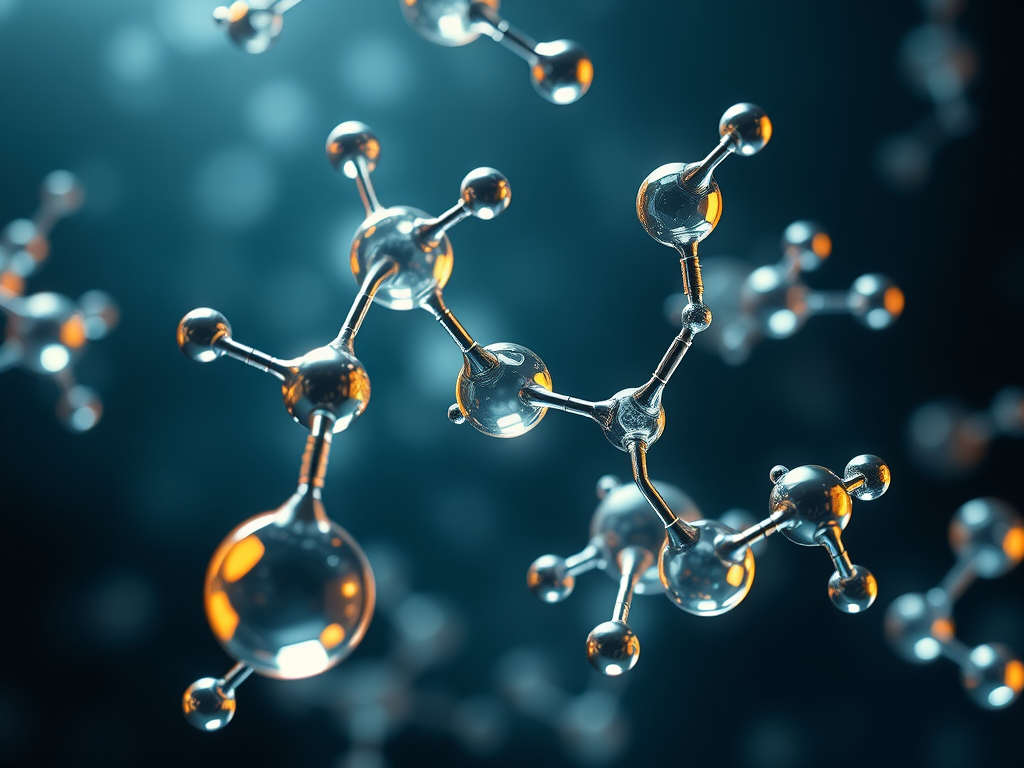
Reaction mechanisms are the narrative architecture of chemistry, revealing how molecules transform, interact, and reorganise through a sequence of elementary steps. Far beyond the balanced equation, mechanisms illuminate the hidden choreography of bond breaking and formation, the emergence of intermediates, and the fleeting presence of transition states. They provide the scaffolding for understanding reaction rates, selectivity, and stereochemical outcomes across organic, inorganic, and physical domains.
This framework invites academic chemists, educators, and interdisciplinary practitioners to explore reaction mechanisms as both a technical foundation and a reflective inquiry. It traces fundamental concepts, common mechanistic types, and energy profiles, while examining how rate-determining steps shape kinetics and control. From pharmaceutical synthesis to green chemistry, the guide highlights how mechanistic insight informs ethical experimentation, sustainable design, and industrial innovation.
Structured across six iterative steps, the guide scaffolds conceptual clarity, predictive reasoning, and values-driven reflection. It encourages learners to consider how understanding mechanisms enhances control, precision, and creativity in chemical synthesis, and how these principles might guide inclusive pedagogy, safety culture, and legacy-building in scientific practice.
For those committed to responsible innovation and adaptive design, this resource affirms that reaction mechanisms are not just technical maps; they are relational blueprints for transformation, care, and chemical storytelling.
Each Spiralmore download comes with a personal-use license. Please honour its creative integrity by not redistributing, republishing, or sharing content without explicit permission.