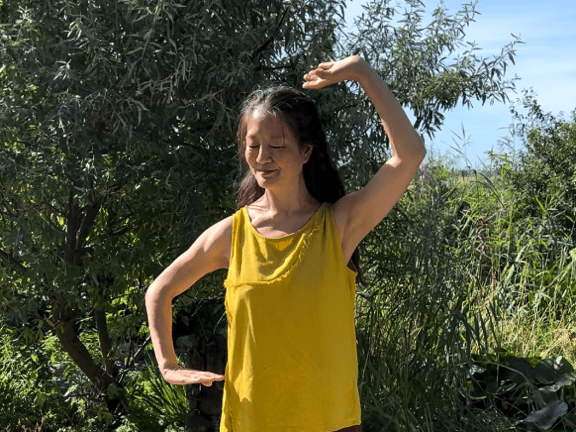

An introduction to Qigong: Practice and Principles - A 6-Week Course
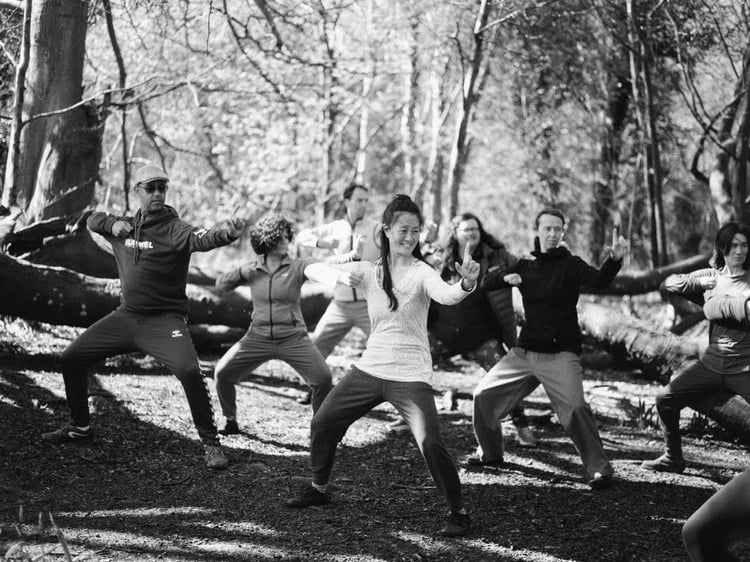
This six-week course was originally recorded as a live classes on Zoom. It is aimed at students who are new to qigong as well as those who would like to establish stronger foundations in the principles and practices of this ancient Chinese movement art form. Each week, you will build on the previous week’s practices and ideas.
By the end of six weeks, you will learn:
• Basic theories behind qigong’s medical, martial and spiritual practices;
• Foundational breathing techniques;
• Key movement principles;
• A set warmup for the joints and meridians; and
• A full qigong active practice of the 8 Silk Brocades.
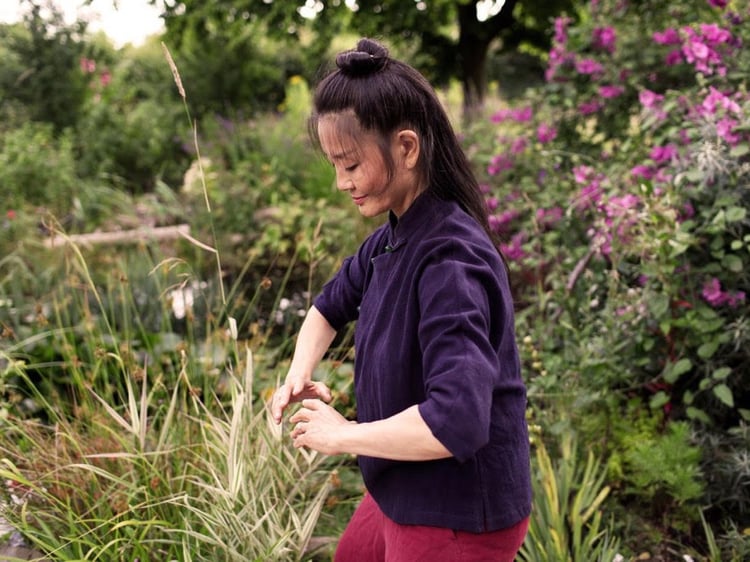
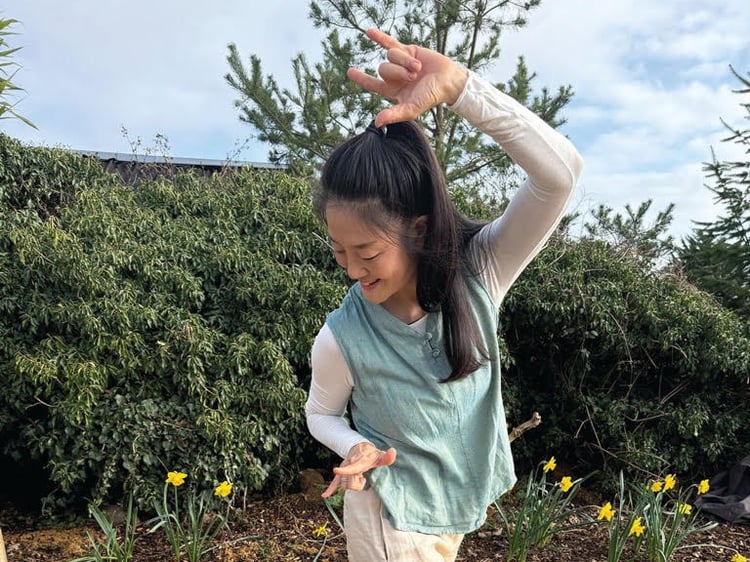
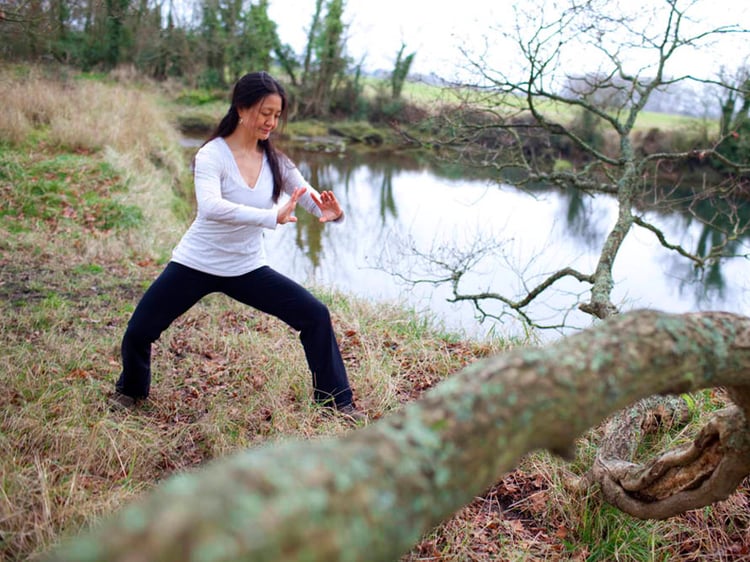
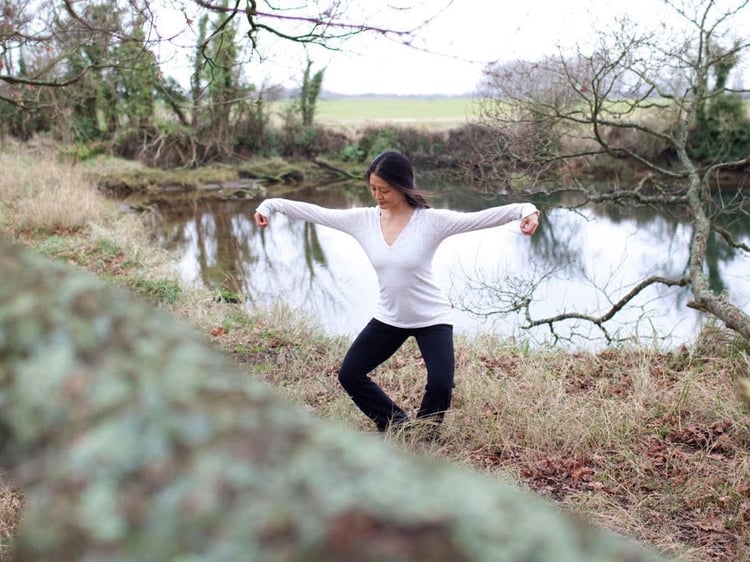
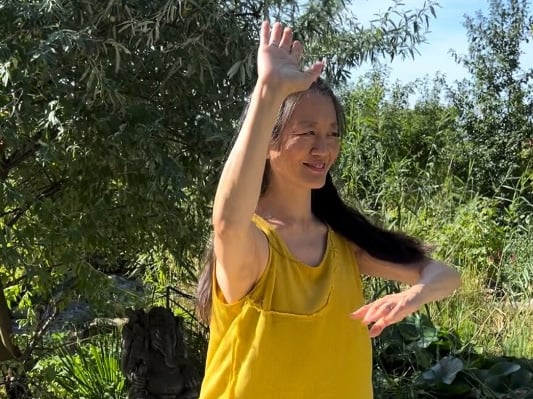
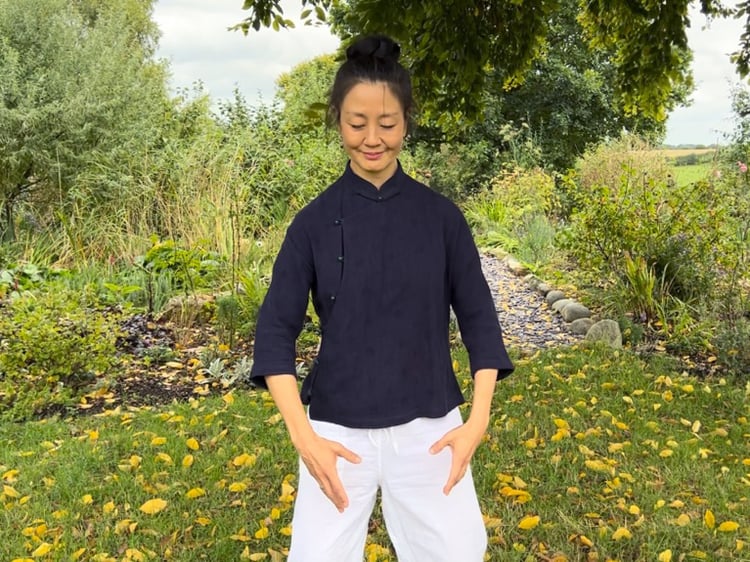
About qigong: Qigong (pronounced chee-gong) is a Chinese energy cultivation practice with roots in Daoist and Buddhist traditions. Qigong works with the principle of xing ming shuang xiu – which means ‘the spirit and body are equally refined and cultivated’. Integrating dynamic and static movements, deep breathing and visualization techniques, qigong is designed to bring the qi, or life force, into the body and encourage it to flow without blockage. The practices are highly beneficial to the organs and meridians, which in Chinese medicine are believed to reflect our physical, mental and emotional states. Active movements in qigong, sometimes known as ‘Daoist yoga’, tend to be slow, circular, repetitive, graceful and flowing – like wind and water. They loosen the joints, strengthen the tendons and muscles, improve circulation, and relax the nervous system. Meditative and breathing practices work strongly with intention and visualization, and are perceived as ways to ‘enter tranquility,’ or rujin. Complementing Daoist ideas such as naturalism, humility, and effortless action (wuwei), qigong practices ultimately work toward creating greater balance and harmony, and an overall sense of health, vitality and wellbeing.
Trailer Music: “I Will Hug you Forever", composed by Music Of Wisdom - Licensed from meditationmusiclibrary.com.”