
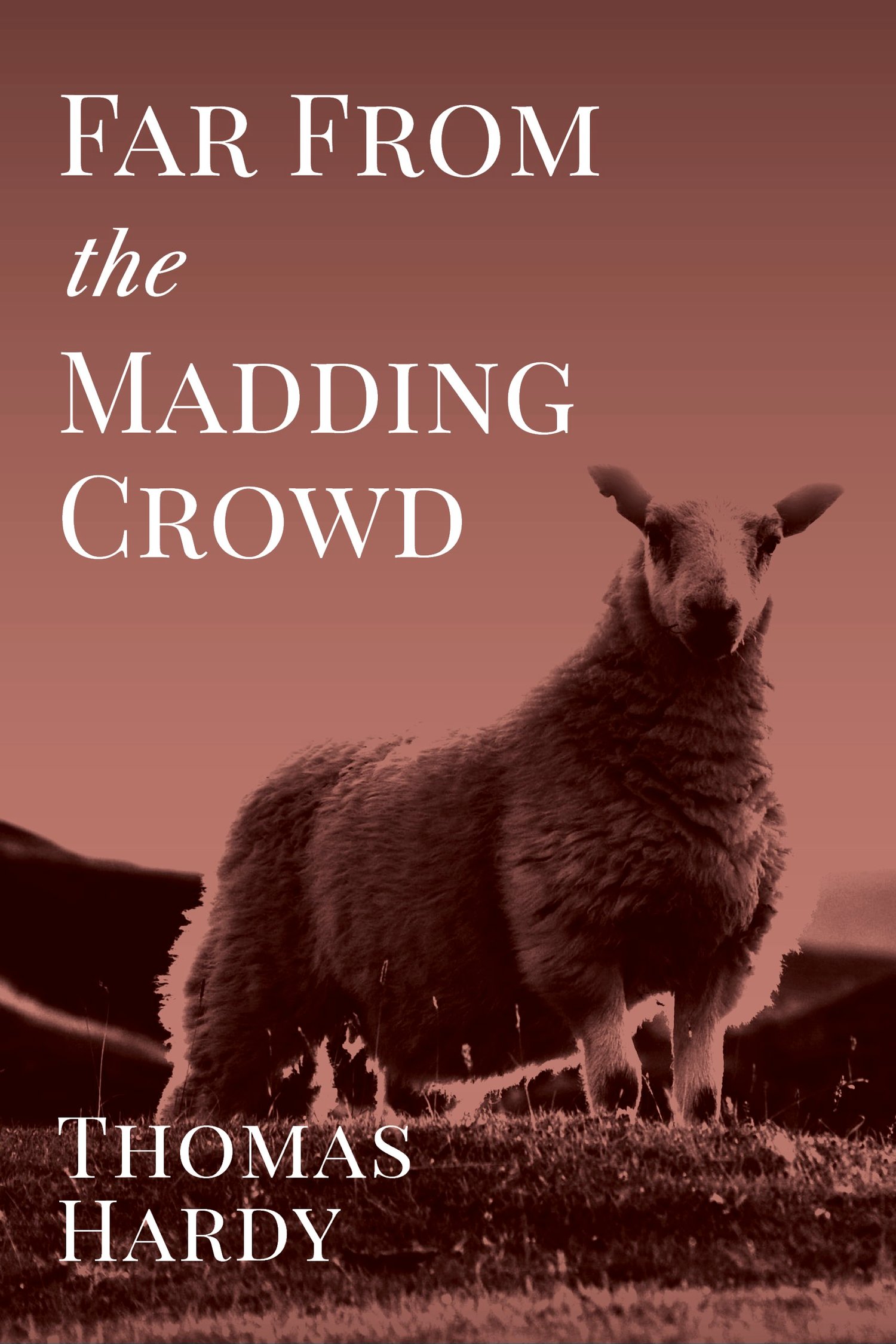
Far from the Madding Crowd
Far from the Madding Crowd is Thomas Hardy’s luminous portrait of love, pride, and endurance set against the rhythms of rural England. At its heart is Bathsheba Everdene—independent, headstrong, and determined to shape her own future—whose inheritance of a farm places her at the center of a quiet but intense emotional storm. Three very different men are drawn to her: the steady and devoted Gabriel Oak, the reckless and charming Sergeant Troy, and the reserved, affluent William Boldwood, each offering a distinct vision of love and security.
Hardy’s Wessex is more than a backdrop; it is a living force that mirrors human longing and loss. Seasons turn, storms rage, and chance encounters alter lives, revealing how passion can blind as easily as it can inspire. Through moments of pastoral beauty and devastating consequence, the novel explores the cost of impulsive desire and the quiet heroism of patience, loyalty, and moral strength.
At once romantic and unsentimental, Far from the Madding Crowd examines what it means to choose wisely, not just in love, but in life. Hardy offers a story where independence is tested, mistakes leave lasting marks, and fulfillment arrives not through grand gestures but through hard-earned understanding. For readers who loved Jane Austen’s quieter heroines and the emotional depth of George Eliot, this is a timeless novel of love shaped by character, consequence, and the unforgiving passage of time.
For readers who loved Jane Austen’s Persuasion and George Eliot’s Middlemarch, Thomas Hardy offers a richly textured portrait of love, chance, and resilience, set against the quiet dramas and hard moral weather of rural England.
About the author
Thomas Hardy (1840–1928) was an English novelist and poet whose work explored the harsh pressures of class, convention, and fate on individual lives. Best known for novels such as Tess of the D’Urbervilles and Jude the Obscure, he challenged Victorian moral certainty with an unflinching realism that often provoked controversy. In later life, he turned primarily to poetry, leaving behind a body of work marked by compassion, pessimism, and enduring psychological depth.