

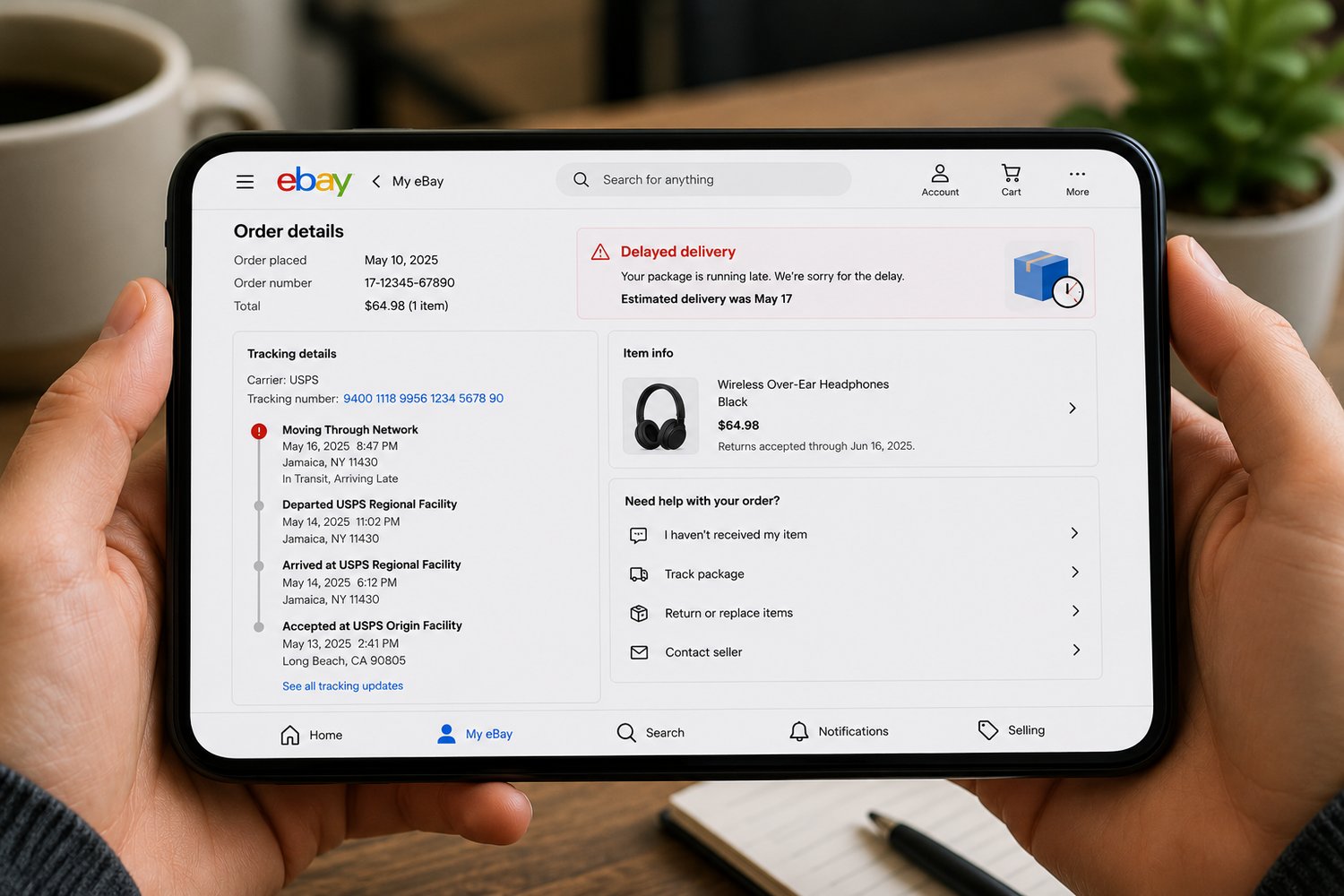
Fast shipping alone doesn't guarantee customer satisfaction. Learn how communication gaps, tracking confusion, expectation mismatches, and partial shipments create ecommerce shipping complaints.
Fast Shipping Isn't Enough
Many ecommerce sellers believe faster shipping automatically creates happier customers.
It seems logical.
Ship orders quickly.
Deliver them fast.
Receive positive reviews.
But customer satisfaction is often more complicated.
Many stores processing just 10 to 30 orders per day discover this firsthand.
Orders leave the warehouse quickly.
Tracking is uploaded on time.
Packages arrive within expected delivery windows.
Yet customer complaints still appear.
Why?
Because customers judge more than shipping speed.
They judge the entire fulfillment experience.
And that's where many growing ecommerce businesses encounter the fulfillment expectations gap.
The Difference Between Speed and Satisfaction
Fast delivery and customer satisfaction are not the same thing.
A package can arrive quickly while still creating frustration.
Customers evaluate:
- communication quality
- order visibility
- delivery expectations
- tracking accuracy
- product completeness
- issue resolution speed
When any of these areas fail, shipping speed alone cannot compensate.
Many businesses focus heavily on fulfillment performance while overlooking customer perception.
The result is confusion when complaints continue despite fast delivery times.
Customer Expectations Often Matter More Than Delivery Speed
Customers usually become frustrated when reality differs from what they expected.
This is known as an expectation mismatch.
For example:
A customer expects delivery within three days.
The store actually ships within four days.
Even if the delivery timeframe is reasonable, the mismatch creates disappointment.
Similarly:
- unclear processing times
- vague delivery estimates
- inconsistent messaging
- missing updates
can all create dissatisfaction.
Customers rarely compare your shipping speed to your internal standards.
They compare it to what they believed would happen.
Communication Gaps Create Unnecessary Complaints
Many shipping complaints are actually communication complaints.
Customers often become anxious when they don't know:
- whether an order shipped
- when it will arrive
- why tracking hasn't updated
- whether delays are normal
This anxiety leads directly to:
- support tickets
- order status inquiries
- refund requests
- negative reviews
For stores processing 10–30 orders per day, communication often becomes more difficult as volume increases.
What worked at 10 orders may become inconsistent at 30 orders.
Without structured communication systems, customer uncertainty grows.
And uncertainty creates complaints.
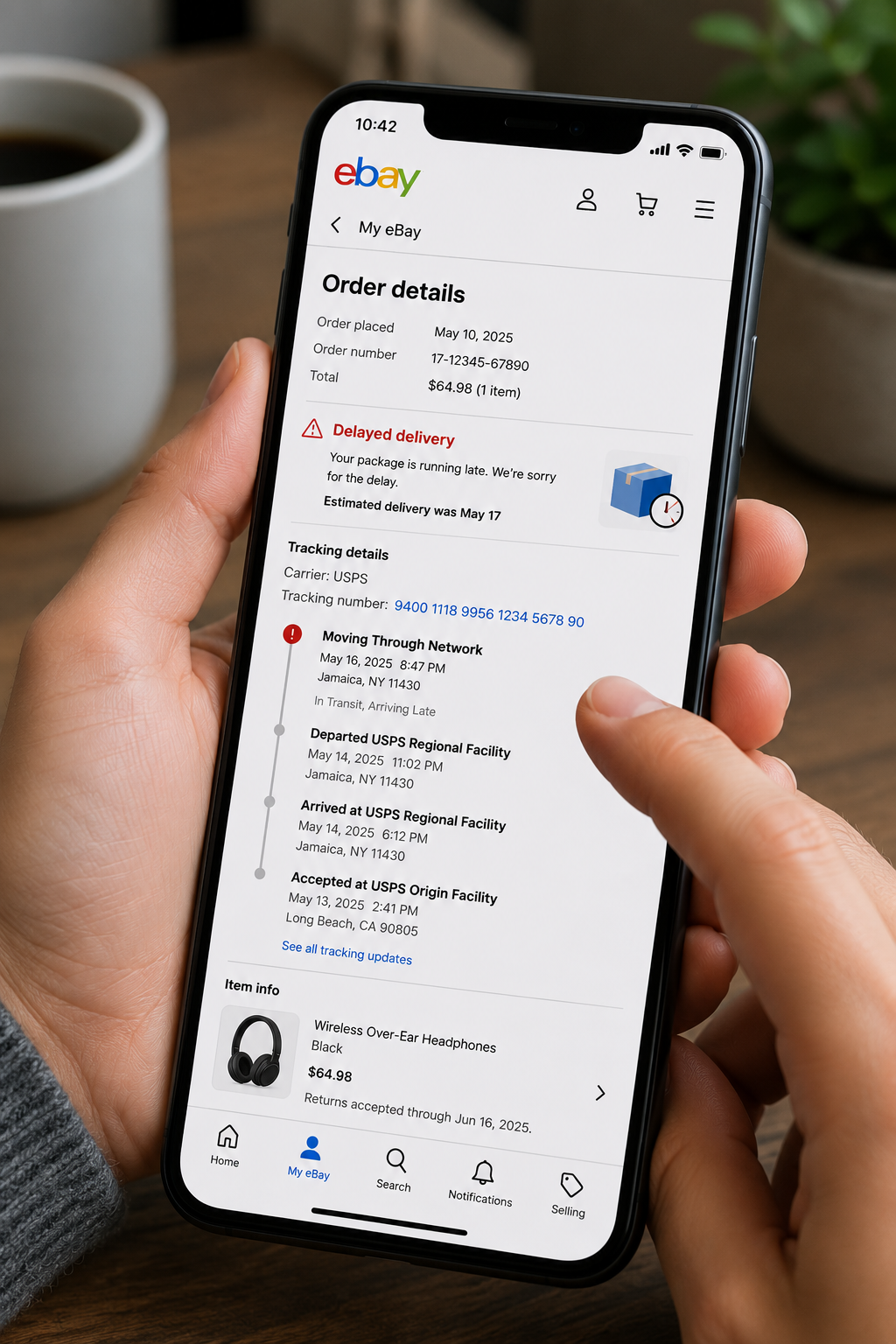
Tracking Confusion Damages Buyer Confidence
Tracking information should reduce customer anxiety.
Instead, it sometimes creates more confusion.
Common issues include:
- delayed carrier scans
- tracking numbers uploaded before movement occurs
- incomplete tracking events
- inconsistent delivery estimates
Customers frequently interpret these situations as fulfillment problems.
Even when the package is moving normally.
The challenge is not always shipping performance.
The challenge is customer understanding.
When buyers cannot clearly see what's happening, trust begins to decline.
Partial Shipments Often Feel Like Missing Orders
Many ecommerce businesses split orders for legitimate reasons.
For example:
- products ship from different locations
- inventory becomes temporarily unavailable
- suppliers fulfill items separately
Operationally, this may make perfect sense.
To customers, it often feels like an error.
If expectations are not communicated clearly, buyers may assume:
- items were forgotten
- orders were shipped incorrectly
- packages were lost
This generates additional support tickets and frustration.
The shipment may be technically correct.
The experience still feels incomplete.
Why Growing Stores Experience More Delivery Complaints
As businesses scale, complexity increases.
A store shipping 10 orders per day can often manage customer expectations manually.
At 30 orders per day and beyond, that becomes much harder.
Growth introduces:
- more customer inquiries
- more fulfillment exceptions
- more tracking events
- more communication requirements
- more opportunities for misunderstanding
Without operational systems, communication quality often declines as order volume increases.
This is why some stores experience more complaints even while improving fulfillment speed.
The Real Goal Is Predictability
Customers value predictability more than many businesses realize.
Most buyers are willing to wait slightly longer if:
- expectations are clear
- updates are consistent
- communication is proactive
- tracking is understandable
Problems occur when customers feel uncertain.
Predictable experiences build confidence.
Uncertain experiences create complaints.
This is true regardless of delivery speed.
How to Reduce Ecommerce Shipping Complaints
Businesses seeking to reduce delivery complaints should focus on more than logistics.
Effective strategies include:
Set Clear Processing Expectations
Tell customers exactly when orders will be processed and shipped.
Improve Shipping Communication
Provide updates before customers feel the need to ask.
Explain Partial Shipments
Clarify when multiple packages are expected.
Monitor Tracking Delays
Identify carrier issues before customers report them.
Standardize Fulfillment Messaging
Create consistency across every customer touchpoint.
These improvements often reduce complaints more effectively than simply shipping faster.
Final Thoughts
Fast shipping certainly helps.
But speed alone does not guarantee customer satisfaction.
Many ecommerce shipping complaints originate from:
- communication gaps
- expectation mismatches
- tracking confusion
- partial shipment misunderstandings
- uncertainty during fulfillment
For growing stores processing 10–30 orders per day, these issues become increasingly important as volume rises.
The businesses that create loyal customers are not always the fastest.
They are often the most predictable.
Because customer satisfaction depends less on how fast an order arrives and more on whether the experience matches customer expectations.
Related Reading
Why Customer Complaints Usually Start Before Customers Complain
Why Inventory Errors Multiply as Stores Scale
Why Some eCommerce Stores Constantly Operate in Crisis Mode
Download the eBay Compliance Self-Assessment Checklist
Want fewer shipping complaints without working longer hours?
Learn how structured ecommerce operations help growing stores improve customer communication, reduce fulfillment confusion, and create more predictable buyer experiences.
👉 eBay Seller Compliance Risk Audit
 About the Author
I work with Shopify and eBay sellers to identify and stabilize operational systems before fulfillment pressure turns into customer complaints, refunds, and margin loss.
My focus is helping stores handling 10–30 orders per day build resilient workflows that scale without creating hidden operational stress.
👉 Download the free fulfillment audit: eBay Seller Compliance Risk Audit
📢 Share This
Found this useful? Share it with other operators: