


Let's start here : "low-light" plants is a scam. All plants want light, and anything in that north-facing super dark corner is going to be a leggy pot of misery.
Some plants are low-light tolerant, but they'll still need to be swapped into brighter light every view months. Still, if you're like me and plants are your happy place, you don't mind carrying around a few pot plants.
-

Snake Plant (Sansevieria) - Hardy, upright leaves, tolerates neglect and low light.
The obvious first choice that we all know and love. I've got a Sansevieria in my hallway named Gert, who greets everyone coming in by the hand. They're amazing plants and very low-maintenance, patient boys. Nicknamed "Mother-in-Law’s Tongue" for its sharp, upright leaves, this plant is virtually indestructible, thriving in low light, with minimal water, and in a wide range of temperatures. And there are over 70 different varieties with unique stripes, cylindrical leaves and even dwarf varieties.
- Light Tolerance: Tolerates low light, but grows best in indirect light. Avoid direct afternoon sun to prevent the leaves scorching. Morning sun is good.
- Water: Water sparingly, every 2-4 weeks, allowing soil to dry out completely between waterings. Overwatering can cause root rot. (So it's okay if you forget every now and then)
- Soil: Use well-draining, sandy soil or a cactus mix, but standard potting mix with perlite mixed works well.
- Temperature/Humidity: Prefers 18-27°C, typical for South African homes, and is happy with low humidity.
- Extra Tips: They get dusty indoors, so wipe leaves occasionally to remove dust. They wander - so you'll need to repot every 2-3 years. In humid conditions they may develop mealybugs. (How to clean your plant leaves here)
- Fun facts: Snake Plants are NASA-approved for their air-purifying qualities. They remove toxins like formaldehyde and benzene from the air, making them perfect for indoor spaces. And, unlike most plants, Snake Plants perform CAM (Crassulacean Acid Metabolism) photosynthesis, releasing oxygen at night. This can improve sleep quality if you keep one in your bedroom.
- Cultural Symbolism: In some African cultures, Snake Plants are believed to bring good luck and protection, often placed near entrances to ward off negative energy. I'm personally not superstitious, I just think Gert looks great by the front door.
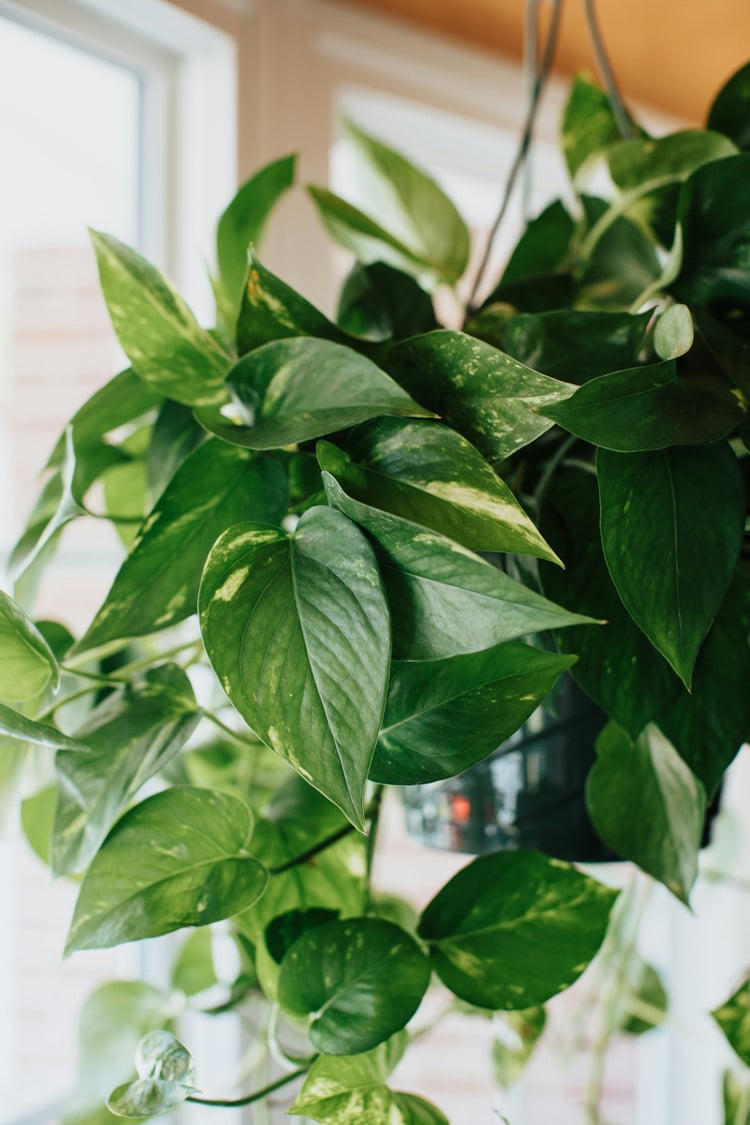
Pothos (Epipremnum aureum) - Trailing vines, variegated leaves, grows well in dim spaces.
Another well-known and well-beloved choice. They are often called "Devil’s Ivy" because they are hard to kill (but not impossible) and thrives in low light. They are versatile growers, and can grow in soil, water, or even as a climbing vine. They're perfect for hanging baskets, shelves, or as a trailing desk plant. Pothos has heart-shaped green leaves with yellow variegation, and cultivars like Marble Queen, Neon, and Silver Satin offer gorgeous white, cream, or neon-green patterns.
- Light: Low to medium indirect light. They can handle fluorescent lighting but avoid direct sun at all costs, their leaves scorch very easily.
- Water: Water when the top inch of soil feels dry, roughly every 1-2 weeks. Drooping leaves signal it’s time to water. (Remember letting a plant reach droopy leaf stage stresses the plant)
- Soil: Use well-draining potting mix, ideally with peat moss or coco coir for moisture retention.
- Temperature/Humidity: Likes 18-29°C and moderate humidity. Mist occasionally in dry South African winters.
- Extra Tips: Trim long vines to encourage bushiness or train over a moss pole. Cuttings propagate easily in water, and you can even let them grow in water. In low humidity, keep an eye out for spider mites.
- Fun Facts: Like the Snake Plant, Pothos is great at purifying indoor air, and filters out toxins such as formaldehyde, benzene, and carbon monoxide, as was noted in NASA’s clean air study. If you're into Feng Shui, you'll like this: Pothos is believed to bring positive energy, wealth, and good luck, especially when placed in the wealth corner of a home or office.
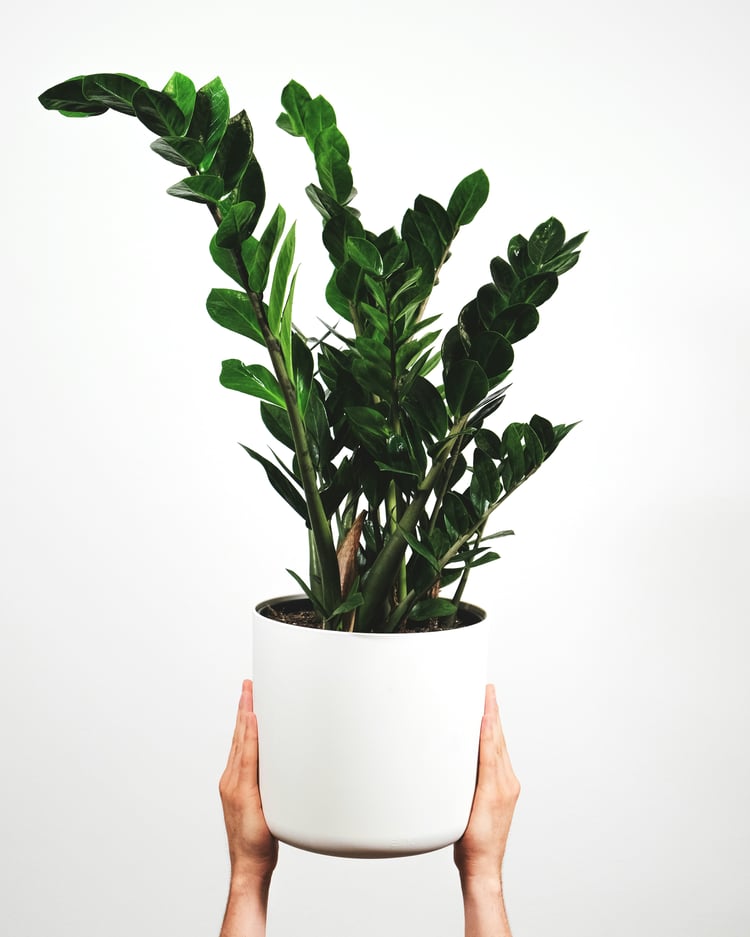
ZZ Plant (Zamioculcas zamiifolia) - Glossy, dark green leaves, very low maintenance.
ZZ plants are not only really pretty, but really hardy too. They're known as the "eternity plant," and does actually thrive in low light. Watering is only every 2-3 weeks, so if you forget it won't be too mad. The shiny, waxy leaves help the plant conserve water, allowing it to survive drought-like conditions with ease, and it's gorgeous. While standard ZZ plants thrive in low light, the Raven variety prefers medium to bright indirect sunlight to maintain its signature dark foliage, too little light can make it fade to green, so I keep my Raven in a relatively shady spot where it can still see the sun outside.
- Light: Truly excels in low light, even far from windows. Direct sun can lead to leaf yellowing.
- Water: Water every 2-4 weeks, letting soil dry out fully. Water from the bottom (in the tray), NEVER from the top. They're very drought tolerant, storing water in thick underground rhizomes, allowing it to go weeks without watering and shrug off neglect.
- Soil: Use well-draining mix, like cactus or succulent soil, to prevent waterlogging. Waterlogging = rot.
- Temperature/Humidity: They are comfortable at 18-26°C, tolerates low humidity typical of indoor spaces.
- Extra Tips: Their leaves are glossy and can be cleaned with a damp cloth or neem oil for shine. They are slow growers, so you'll only have to repot only every 3-5 years, and they rarely need fertilizer.
- Fun facts: Like Snake Plants and Pothos, ZZ Plants can remove toxins such as xylene, toluene, and benzene from indoor air. The ZZ Plant is related to peace lilies and philodendrons, belonging to the Araceae family, and grows from rhizomes underground. The Raven ZZ was discovered in Asia in 2015, and patented soon after. This trendy cultivar stands out with its almost jet-black leaves, making it a dramatic focal point for modern interiors (or Goth gardens).
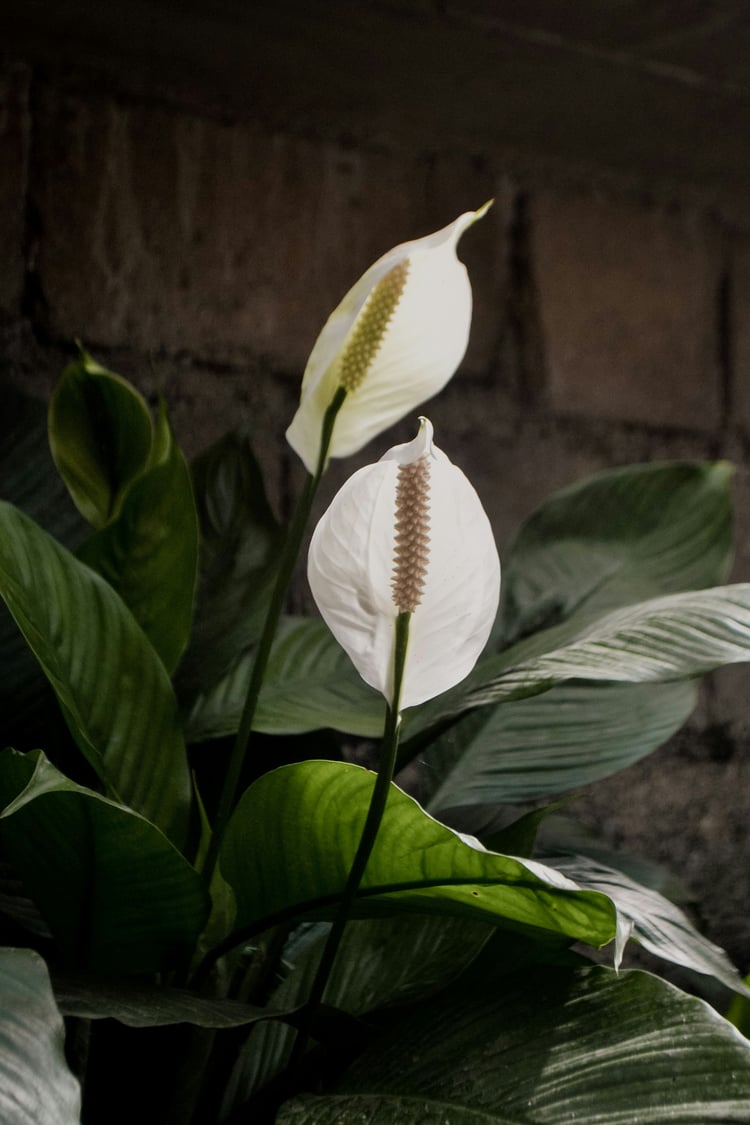
Peace Lily (Spathiphyllum) - Elegant white blooms, prefers shade and moist soil.
I love my peace lilies. They have names - Drama Queen 1 &2, Rainier and Valentino. They can be very dramatic, drooping like it's the end of the world when thirsty, but they perk up quickly after watering, so they're great plants for learning to read watering cues. They also do enjoy shade and lower light spaces.
- Light: They prefer low to medium, indirect light. Direct sun can burn their leaves, but they bloom best with some filtered light.
- Water: Keep soil consistently moist, but not soggy. Water weekly or when leaves start to droop slightly. Use filtered water if possible, as they are sensitive to chemicals (drama queens).
- Soil: Use rich, well-draining potting mix with organic matter like peat or compost. They're also known to enjoy their filter coffee - a scoop of used coffee grounds mixed in or sprinkled on top of their soil. Be careful of using too much though as it can clump the soil and can get mouldy.
- Temperature/Humidity: They thrive at 18-27°C and loves higher humidity. I mist the leaves regularly, and use a humidifier.
- Extra Tips: Remove spent flowers (deadhead) to encourage blooming. Watch for brown leaf tips, indicating low humidity or overwatering. They are susceptible to aphids, so keep an eye out
- Despite their name, the Peace Lily isn’t a lily at all! It’s part of the Araceae family, related to plants like pothos and ZZ plants, and its “flowers” are actually specialized leaf bracts called spathes. According to that NASA’s clean air study, Peace Lilies are top performers for removing indoor air pollutants like ammonia, formaldehyde, and benzene, making them great for homes and offices. Peace lilies are often seen as a symbol of tranquility, sympathy, or hope, and associated with calm and serenity in many cultures.
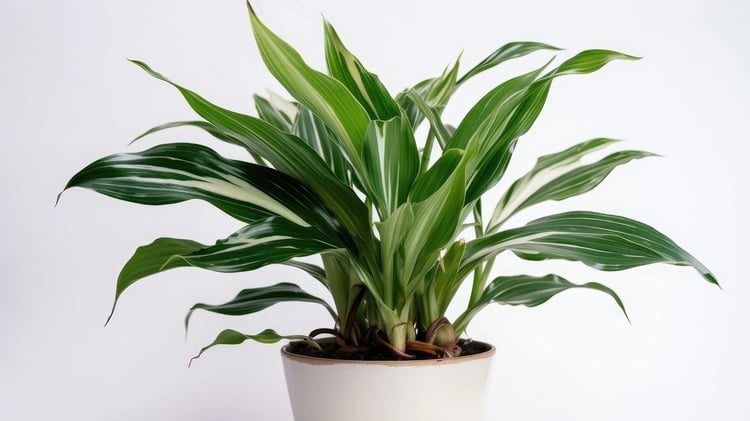
Cast Iron Plant (Aspidistra elatior) - Tough, dark green foliage, thrives in deep shade.
This one is nicknamed the "Cast Iron Plant" for its toughness. It can survive neglect, low light, irregular watering, and temperature fluctuations. It's ideal for beginner plant owners, or challenging indoor spaces. They were even popular in Victorian-era homes, because it thrived in dim, gas-lit parlors where other plants struggled, earning it the nickname "parlor plant."
Unlike many houseplants, Cast Iron Plants produce small, purplish-brown flowers at soil level, often hidden by their broad, dark green leaves. So look closely, or you might miss them!
- Light: Ideal for very low light and even deep shade. As with the others on this list, avoid direct sun to prevent leaf fading.
- Water: Water every 1-2 weeks, allowing soil to dry slightly between waterings. They are highly tolerant of neglect.
- Soil: Any well-draining potting mix works. Such patient boys.
- Temperature/Humidity: Handles 15-25°C well and tolerates low humidity, making it perfect for South African indoors.
- Extra Tips: Dust their leaves periodically to maintain their beautiful appearance. Slow grower, only needs repotting every 3-4 years. They are rarely affected by pests (another plus) but check for scale insects occasionally.
- Fun facts: They are native to Japan and China, where it grows in shaded forest floors, and their leaves can grow up to two feet tall. They're not as famous as some NASA-studied plants, Aspidistra elatior can help improve indoor air quality by filtering out minor pollutants, adding a functional benefit to its rugged charm. Their durability made it a symbol of resilience in literature, notably mentioned in George Orwell’s novel Keep the Aspidistra Flying, where it represents the struggle of the protagonist’s modest life.
These are five of the most commonly cited low-light tolerant houseplants, and I have all of them. But, if you're looking for something a little different - here's five alternative low-light house plants, specifically for South Africa!
African Violet (Saintpaulia ionantha)
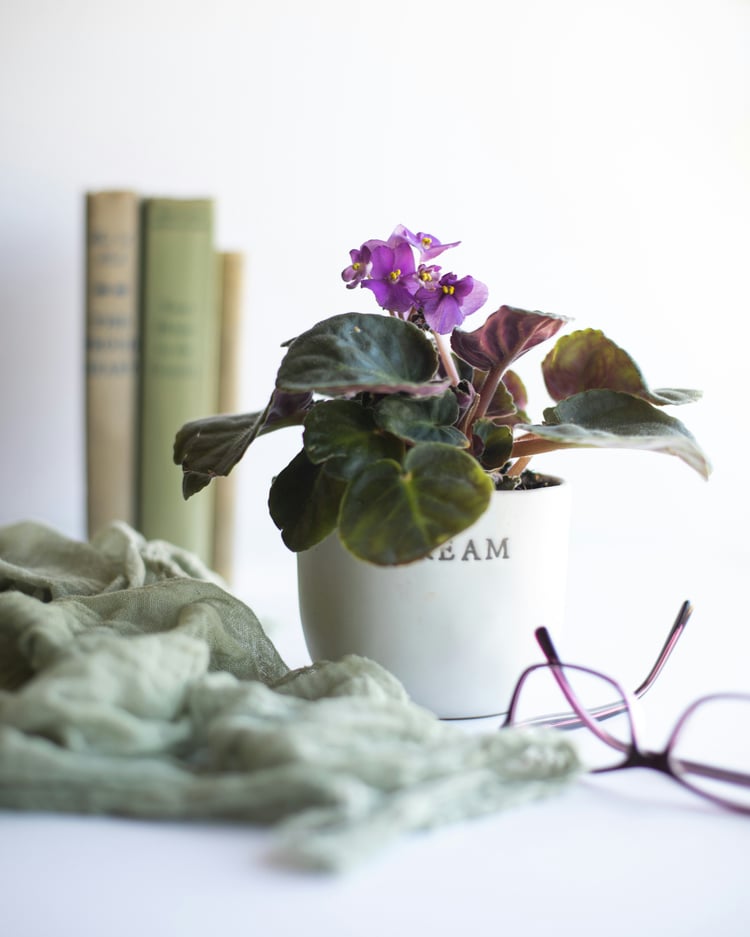
- Light: Thrives in low to medium indirect light, such as near a north-facing window. Avoid direct sun to prevent leaf burn.
- Water: Keep soil consistently moist but not soggy, watering every 5-7 days with lukewarm water. Always water from the bottom (saucer method) to avoid wetting leaves, otherwise the leaves will rot.
- Soil: Use a well-draining, peat-based African violet mix or a blend with perlite and vermiculite for aeration.
- Temperature/Humidity: Prefers 18-24°C and high humidity (50-60%). Place on a pebble tray with water or mist lightly in dry South African winters.
- Extra Tips: Remove dead flowers to promote blooming. Use a balanced fertilizer (e.g., 20-20-20) monthly during growth and watch for powdery mildew if air circulation is poor.
- Interesting: African Violets (Saintpaulia) are known for their soft, fuzzy leaves, but did you know they can produce hundreds of tiny seeds in a single pod? These seeds are so fine they’re often compared to dust, making propagation a very delicate but rewarding challenge for plant enthusiasts!
Asparagus Fern (Asparagus setaceus)
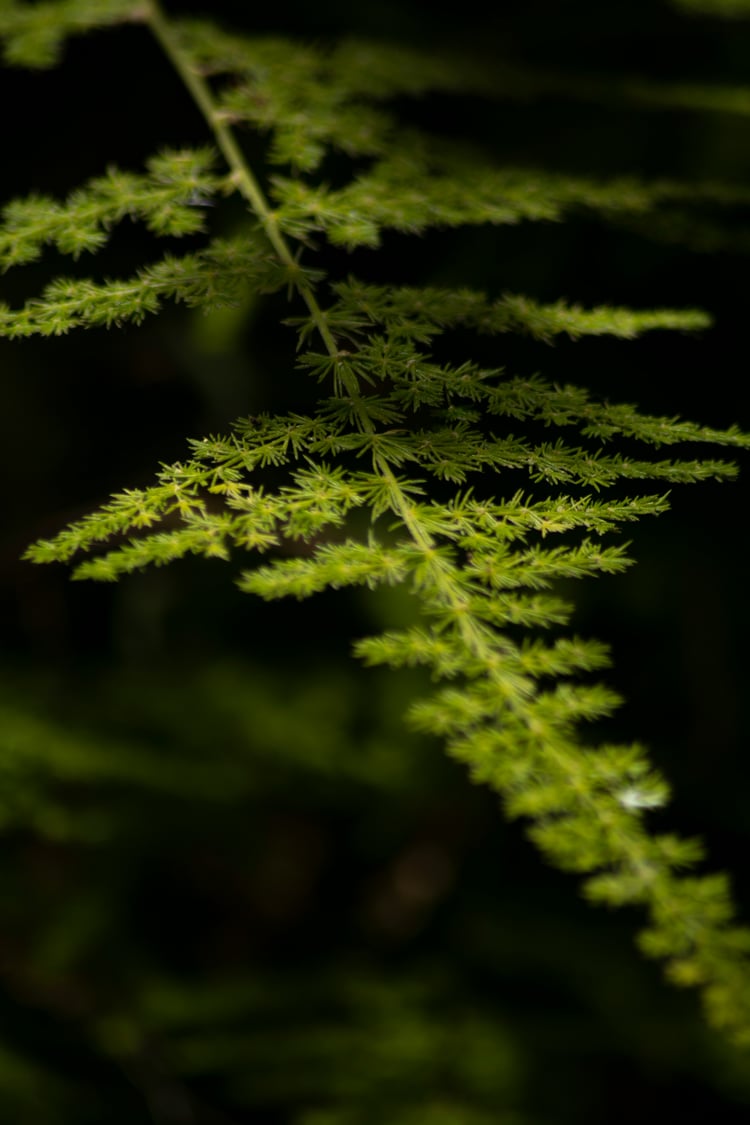
- Light: Adapts to low light but prefers bright, indirect light. Avoid prolonged direct afternoon sun indoors to prevent their fronds yellowing.
- Water: Water when the top inch of soil feels dry, about every 1-2 weeks. Ensure good drainage to avoid root rot.
- Soil: Well-draining potting mix with peat or compost. A standard houseplant mix works well.
- Temperature/Humidity: Likes 18-24°C and moderate humidity. I mist them in our drier indoor conditions, but especially important in arid regions like Gauteng.
- Extra Tips: Trim yellowing fronds to maintain their looks. They can be propagated by division. In low-humidity environments, keep an eye out for spider mites.
- Interesting: Despite its name, the Asparagus Fern (Asparagus setaceus or related species) isn’t a fern at all, but a member of the asparagus family and is related to the vegetable. Their feathery "fronds" are actually flattened stems, called cladodes! They also produce small, bright red or green berries that contain seeds, but watch out — these berries are toxic to humans and pets.
Hen-and-Chicks (Echeveria spp.)
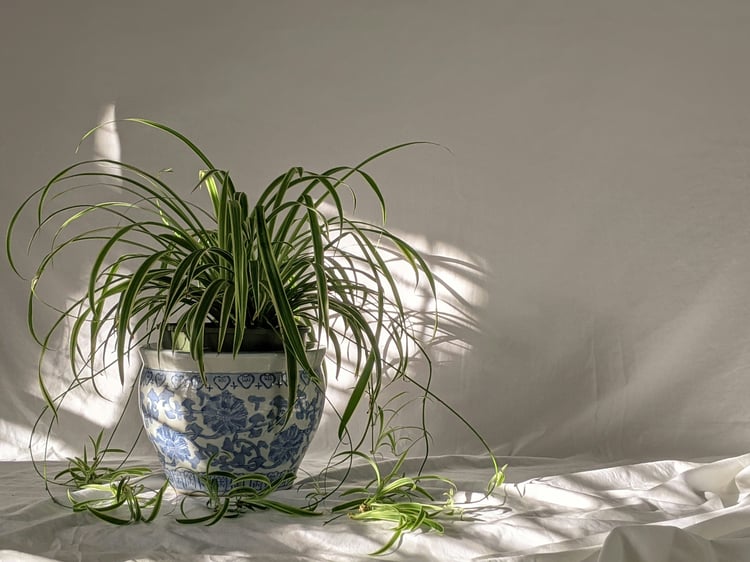
- Light: Tolerates low light but prefers bright, indirect light. A north-facing windowsill is sufficient indoors; avoid harsh direct sun. I know they grow outside and look fine, but they do a lot better in shaded spots.
- Water: Water sparingly, every 2-3 weeks, allowing soil to dry completely. They are rhizomatous and store water, overwatering will lead to rot.
- Soil: Use a cactus or succulent mix with good drainage, or add sand/perlite to potting soil.
- Temperature/Humidity: Comfortable at 18-26°C, tolerates low humidity typical of South African homes.
- Extra Tips: Remove dead lower leaves to prevent pests. The chicks propagate easily. Watch for mealybugs in leaf crevices, and also for scale insects.
- Interesting: These babies were studied by NASA for their ability to filter out air pollutants like formaldehyde and carbon monoxide, making them not only easy-care houseplants but also stellar air purifiers for homes and potentially even space stations!
Cape Primrose (Streptocarpus spp.)
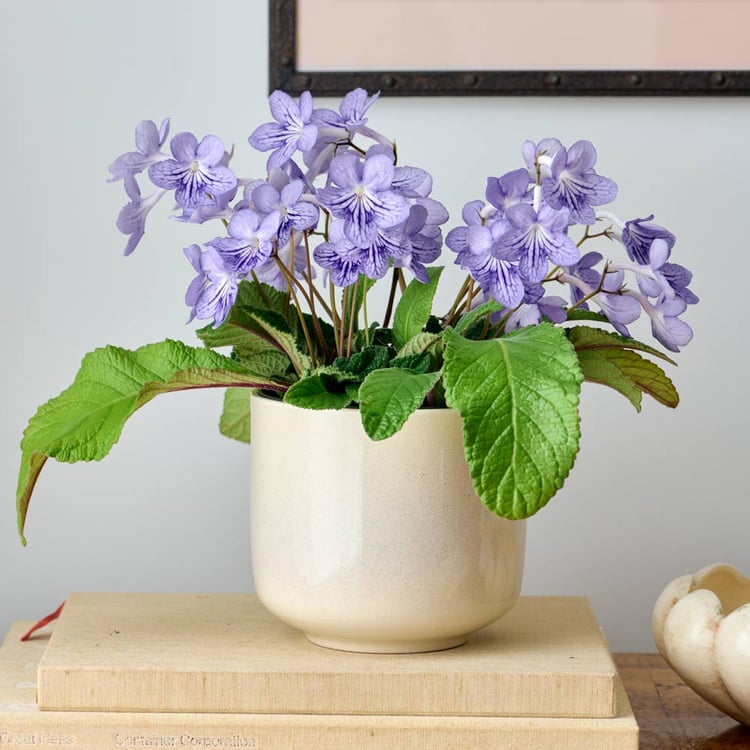
- Light: Excels in low to medium indirect light, ideal for shaded indoor spots. Direct sun can scorch leaves.
- Water: Keep soil evenly moist, watering every 5-7 days. Reduce watering slightly in winter, but don’t let it dry out completely.
- Soil: Well-draining, peat-based mix with perlite for aeration, similar to African violet soil.
- Temperature/Humidity: Prefers 18-24°C and moderate to high humidity. Use a humidity tray or group with other plants in drier areas.
- Extra Tips: Deadhead spent blooms to encourage flowering. Fertilize monthly with a balanced liquid fertilizer during spring and summer. In humid conditions, check for aphids or fungal issues.
- Interesting: The plant is native to the Cape region of South Africa, particularly areas like the Eastern Cape, where it thrives in shaded, rocky, or forested environment and their vibrant, colourful flowers, often in shades of pink, purple, or white, resemble those of true primroses (Primula spp.) in shape and arrangement, though the two plants are unrelated.
Aloe Vera (Aloe barbadensis miller)
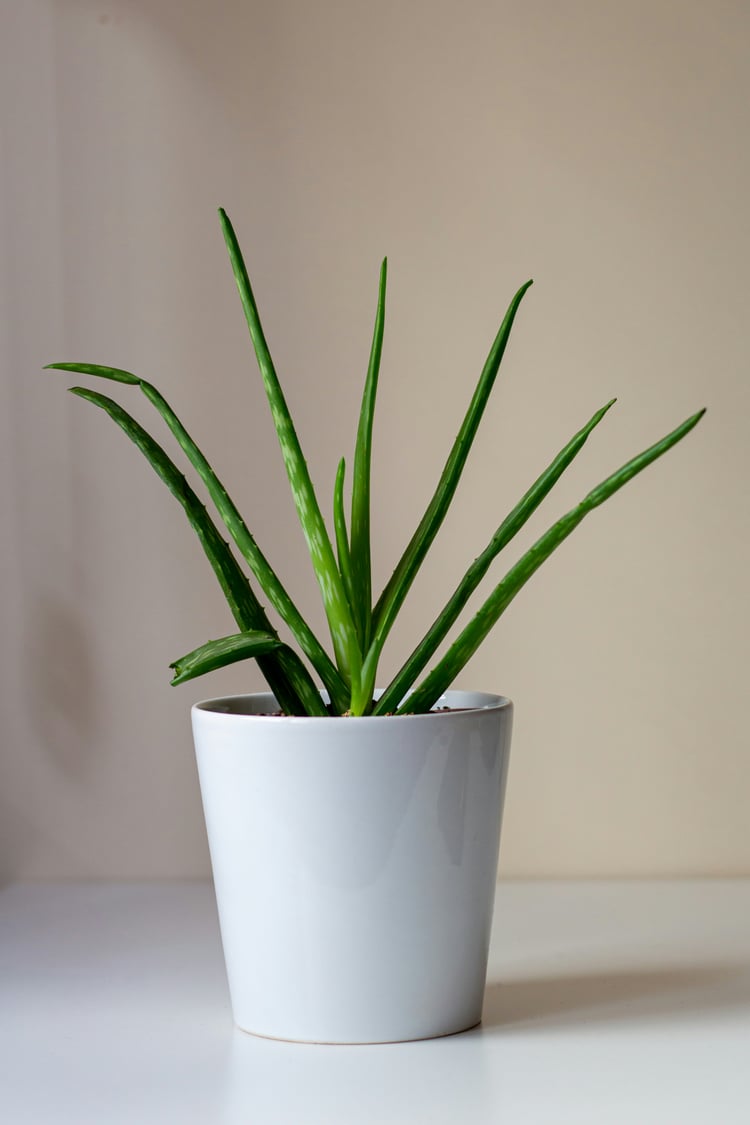
- Light: Tolerates low light but grows best in bright, indirect light. They can handle a dim corner but may grow slowly.
- Water: Water deeply but infrequently, every 2-3 weeks, ensuring soil dries out fully. Avoid water pooling in the rosette.
- Soil: Use a well-draining cactus or succulent mix, or add sand/perlite to regular potting soil.
- Temperature/Humidity: Thrives at 18-27°C, handles low humidity well, making it ideal for South African indoors.
- Extra Tips: Rotate the pot occasionally for even growth. You can cut away damaged leaves for gel use. Watch out for root rot if overwatered, and also scale insects.
- Interesting: Aloe Vera has been used for over 5,000 years, with records from ancient Egypt calling it the "plant of immortality" due to its soothing gel, which was applied for skin ailments and even used in embalming processes!
The South African Indoors:
- Our homes often have fluctuating indoor humidity, especially in winter. For humidity-loving plants like African Violet and Cape Primrose, consider using a pebble tray, humidifier or occasional misting.
- Always use pots with drainage holes to prevent water buildup. That's especially critical for succulents like Hen-and-Chicks and Aloe Vera.
- Indoor temperatures (typically 18-25°C) suit these plants well. No plant likes a draught so watch out for the draughty spots and heaters.
- Fertilize monthly in spring and summer (less in winter when growth slows) with diluted liquid fertilizer. Aloe Vera and Hen-and-Chicks need less fertilizer.
- Dust and clean leaves regularly to maintain photosynthesis, especially for fleshy or fuzzy foliage.
I hope you find the perfect plant for the low-light spots!
Grow wild,
Nova