

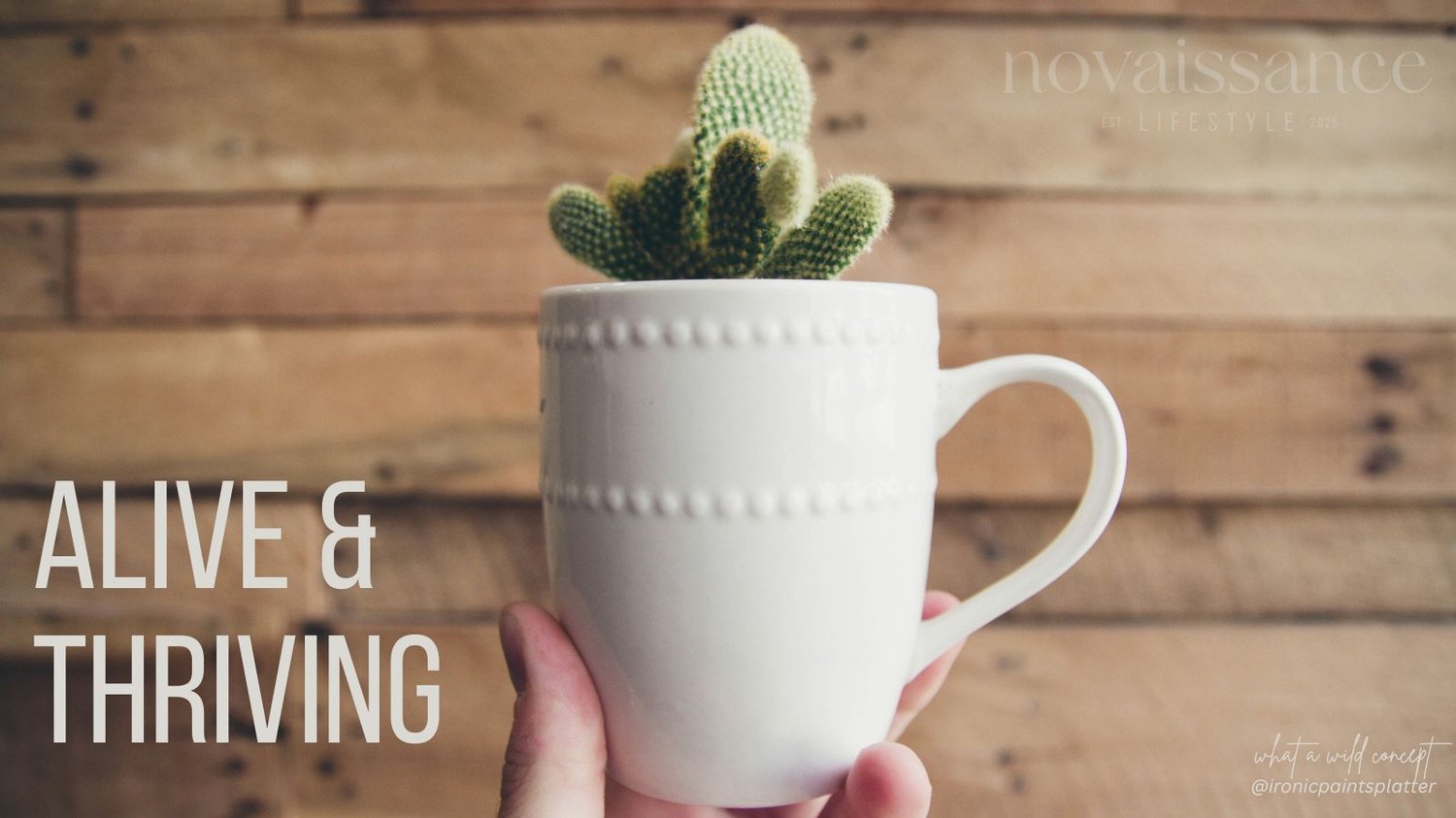
We’ve all been there. Someone hands you a tiny pot of green and says, “Here, thought you’d like this.” You smile, nod, and walk home thinking, cool, I’m now a plant parent. Two weeks later, your new plant looks like it’s auditioning for a horror film. Or worse, you gave someone a plant and it’s dead by the next birthday. Plants are alive, which means they need more than just a place to sit and a little attention once in a while. The good news is that they are easy to care for if you actually know what you are doing. The bad news is that guessing usually ends badly.
This article is for everyone who has ever given or received a plant and secretly panicked. It is a practical guide on how to make sure plants survive the transition from one human to another.
If You Are Giving a Plant
Giving a plant should not be a casual impulse. Plants are like people. They need specific care, and they respond differently depending on their environment. Some love sun, some like shade, some thrive on weekly attention, and some will sulk if you overwater them. Before you grab the prettiest thing you see at the store, ask yourself a few questions.
Will it survive in the space you are giving it to? Some plants need lots of light. If your friend lives in a dark apartment with small windows, a sun-loving plant will not thrive. A low-light plant like a snake plant or ZZ plant would be a much safer bet.
Is this a high-maintenance plant? A fiddle leaf fig, monstera, or any plant with delicate leaves looks impressive, but it can die quickly if it does not get the right care. If the person you are giving it to is new to plants, go for something forgiving. Pothos, spider plants, succulents, and cacti are all good examples of plants that will survive some neglect and still look good.
Can you give instructions without being annoying? A little note goes a long way. You do not have to write a full care manual, but even a few bullet points on watering and light can save a plant’s life. Something like “Keep in bright, indirect light. Water when top inch of soil is dry. Do not overwater” is enough for most common plants.
Consider the container. Some plants come in tiny plastic nursery pots. They might look cute, but they do not give the plant much room to grow. If you want to make your gift better, put it in a simple pot with drainage. Plants cannot survive in standing water. No one needs to be stressed out trying to save a plant that drowned before it even left your hands.
Be realistic. Do not expect the person to become a plant expert overnight. Even the most experienced plant parents kill a few plants here and there. Give something that matches the person’s experience, environment, and willingness to care for it. A thoughtful plant is better than a showy plant that dies because it was too complicated.
If You Are Receiving a Plant
Receiving a plant can be exciting and terrifying at the same time. It is something alive. Unlike a candle or a book, it will respond to your care or lack of it. Do not panic. Most plants are forgiving if you pay attention and take the time to learn.
Step one: identify it. If the plant came with a tag, read it. If not, take a photo and use Google or one of the plant-identification apps. Knowing what it is matters because every plant has different needs. Treating a cactus like a fern is a fast way to kill both your confidence and the plant.
Step two: read the instructions. Light, water, soil, and pot size are all important. Some plants want direct sun. Some cannot tolerate a sunny window at all. Some need soil that drains fast. Look up what your plant likes and then match it to your home.
Step three: find the right spot. Do not just put it wherever it looks nice. A plant will thrive or fail depending on light and temperature. Watch how the sun moves through your home during the day. Check for drafts, heaters, or air conditioners that could affect it. Even small adjustments can make a big difference.
Step four: start simple. Do not overcomplicate things by fertilizing immediately, misting constantly, or moving it around. Observe it for a week. Notice how the leaves behave, how quickly the soil dries, and how the plant reacts to its environment. Plants give clues if you learn to see them. Drooping, yellow leaves, or curling edges are signals that something is off.
Step five: ask for help. Friends who garden, local plant shops, online forums, and social media communities are full of people willing to help beginners. There is no shame in asking questions. Plants survive best when the human is willing to learn.
Step six: embrace mistakes. Yes, plants can die. Even the best gardeners kill a few. It is part of learning. Every plant that survives teaches you something. Look at it as trial and error. Most common houseplants are resilient. If you keep observing and adjusting, you will find a rhythm.
Common Mistakes to Avoid
Here are some quick mistakes people make when receiving or giving plants:
- Overwatering. This is the number one killer of indoor plants. Most plants die from too much water, not too little. Stick your finger in the soil. If the top inch is dry, water. If it is damp, wait a few days.
- Underestimating light. Plants are not magic. They need the light that matches their species. A plant that loves sun will not survive in a dark corner.
- Ignoring the pot. Drainage holes are essential. Even if the plant looks happy in its nursery pot, make sure excess water can escape. Standing water will rot roots.
- Moving plants too much. Plants need time to adjust. Constantly shifting them around can stress them and slow growth.
- Assuming indoor conditions are fine for outdoor plants. Some plants need specific humidity or temperatures. Tropical plants may struggle in dry winter air.
Making Plant Giving a Thoughtful Gesture
If your goal is to gift a plant that actually survives, think about it like this. A plant is a living thing. You would not give someone a pet without considering its care. The same goes for plants. A little thought and information go a long way.
- Include a note with care instructions.
- Pick a plant suited to the person’s space and lifestyle.
- Choose a pot with proper drainage.
- Give a hardy plant if they are new to gardening.
- Consider pairing the plant with a small care accessory, like a watering can or a moisture meter.
These steps will increase the chances that your gift lives longer than a week and does not become a source of guilt.
Why Plants Matter
Plants are not just decoration. They improve mood, clean the air, and give you something to care for outside of work and screens. Giving a plant can be an act of thoughtfulness and connection. Receiving a plant can teach patience and observation. Even if you fail at first, there is always another plant. Learning how to care for one builds confidence, attention, and sometimes a surprising amount of joy.
Bottom Line
Giving or receiving a plant should not be stressful. It is about honesty and information. If you are giving, make sure the person knows how to care for it. If you are receiving, do not pretend to know everything. Learn, observe, and adjust. Plants are forgiving, but only if you are willing to engage with them.
A well-chosen plant with the right care is a gift that keeps growing. Even if it is a small one in a tiny pot, it is still alive, responding, and thriving. That is worth more than a fleeting trend or a decorative object.
So go ahead, give a plant. Receive one. Pay attention. Keep it alive. And maybe, just maybe, enjoy something growing in your life that is not a screen, a deadline, or a notification.
I've created a little receiving guide that you can download here.
Take care of your plants, take care of yourself, and don’t overthink it. Growth is messy, but it’s worth it.
-Chris