

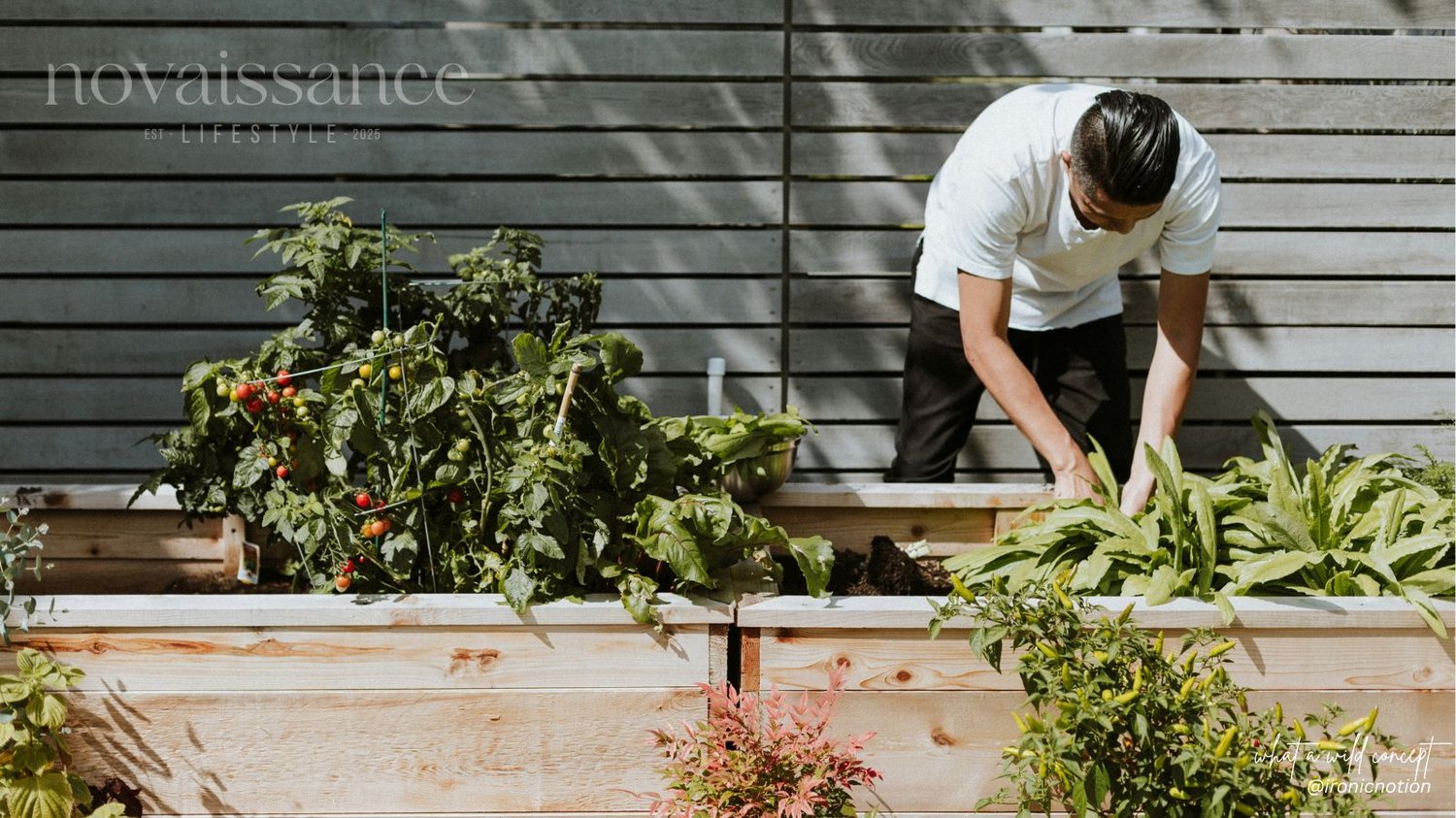
Gardening is changing.
Across 2025, more people are moving away from quick-fix chemicals and disposable habits, and choosing gentler, more regenerative practices that build healthier soil, stronger plants, and more resilient ecosystems. It’s gardening with intention — and it’s reshaping how we think about the land outside our back doors.
Here’s how the trend is unfolding, and how you can bring it into your own garden.
1. Eco-Friendly Practices Are Becoming the Norm
The shift toward sustainable gardening isn’t a niche movement anymore — it’s mainstream. Gardeners are actively choosing methods that reduce waste, conserve water, and support natural systems rather than working against them.
Composting
Gardeners are turning kitchen scraps, garden waste, and fallen leaves into rich, nutrient-dense compost. It feeds the soil, improves structure, and reduces the need for synthetic fertilizers. It’s simple, accessible, and one of the most powerful things you can do for your garden’s long-term health.
Rainwater Harvesting
As water becomes more precious, rain barrels, water tanks, and simple gutter systems are becoming a must-have. Harvested rainwater is softer, kinder to plants, and ideal for watering gardens without putting pressure on municipal supplies.
Reducing Synthetic Chemicals
More gardeners are ditching harsh pesticides and fertilizers. Instead, they’re choosing natural alternatives:
- Organic feeds
- Compost teas
- Mulches
- Beneficial insects
- Plant pairings that naturally deter pests
It’s cleaner, safer, and far healthier for pollinators, pets, and people.
2. Regenerative Gardening Is on the Rise
Sustainability focuses on reducing harm.
Regenerative gardening goes a step further: it actively repairs and improves the ecosystem.
This is the real heart of 2025’s gardening movement — people want gardens that heal, not just gardens that look pretty.
No-Dig Gardening
Instead of tilling and disturbing the soil, gardeners are layering organic matter on top and letting worms and microbes do the work.
Benefits:
- Less weeding
- Better soil structure
- Stronger root systems
- More moisture retention
It’s low-effort, high-impact, and incredibly effective.
Cover Crops
Once mostly used in agriculture, cover crops are now popping up in home gardens.
Plants like clover, buckwheat, or winter rye protect the soil between growing seasons, add nutrients, and suppress weeds naturally.
Soil-Building
Gardeners are treating soil like a living organism, not just dirt.
They’re focusing on:
- Adding compost
- Using natural amendments
- Encouraging worms and microbes
- Avoiding compaction
Healthy soil = healthy plants. It’s that simple.
Mulching
Mulch is having a major moment. Whether it’s bark chips, straw, leaves, or compost, mulch does it all: reduces evaporation, feeds the soil, prevents erosion, and keeps roots cool.
It’s one of the easiest regenerative practices to adopt — and one of the most transformative.
3. Recyclable & Durable Garden Materials
The trend isn’t just about what gardeners do — it’s also about what they use.
More people are choosing materials that last longer, break down safely, or come from recycled sources.
Recycled Pots
From ocean-plastic planters to biodegradable seed trays, recycled containers are replacing cheap, brittle pots that crack after one season.
Wooden Structures
Natural materials like timber, bamboo, and untreated wood are in demand. Pergolas, raised beds, edging, and trellises made from renewable materials blend naturally with the environment and age beautifully.
Durable, Long-Life Tools
Instead of buying cheap tools that break, gardeners are investing in:
- High-quality metal hand tools
- Wooden-handled spades
- Long-lasting irrigation fittings
It’s sustainability through longevity — fewer items in landfills and more items that can be repaired, not replaced.
Why It Matters
Sustainable and regenerative gardening doesn’t just create healthier soil and stronger plants — it supports mental health, too.
It pulls you into a slower rhythm.
It teaches patience.
It rewards gentleness and consistency.
Most importantly, it reminds you that small actions, repeated often, can transform an entire ecosystem.
Just like people.