

With droughts becoming more common and water costs climbing, 2025 gardeners are turning to smarter, water-wise techniques. The goal isn’t to deprive your garden — it’s to make every drop count. Whether you’re tending a small courtyard or a full suburban plot, water-efficient gardening is now one of the biggest trends in home horticulture.
Here’s what’s shaping water-wise gardening this year:
1. Drought-Tolerant Landscaping Goes Mainstream
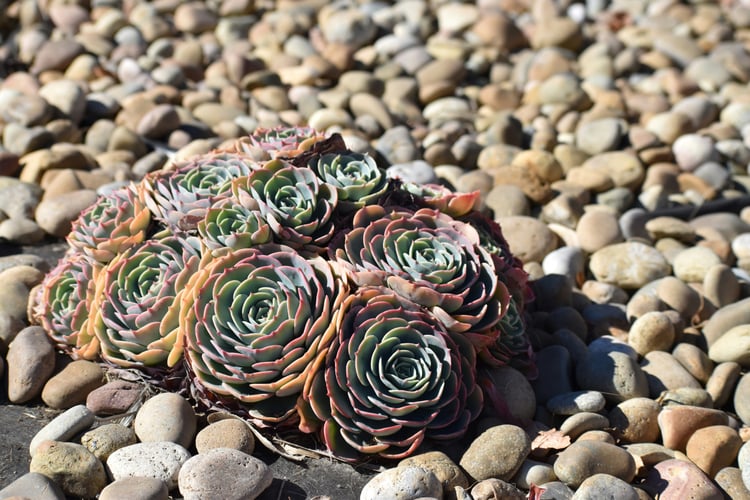
Gardeners are choosing plants that naturally thrive with less water.
Top picks for 2025:
- Indigenous shrubs and perennials
- Aloes, spekboom, and succulents
- Mediterranean herbs (rosemary, lavender, thyme)
- Ornamental grasses
- Heat-tolerant groundcovers
These plants don’t just survive — they look good doing it.
2. Mulch Is Non-Negotiable

A thick 5–8 cm layer of mulch is now considered essential.
Why?
Because mulch:
- Reduces evaporation
- Keeps roots cool
- Suppresses weeds
- Improves soil health over time
Popular choices include bark chips, straw, shredded leaves, and even gravel in arid-style gardens.
3. Smart Irrigation Systems Are Exploding in Popularity
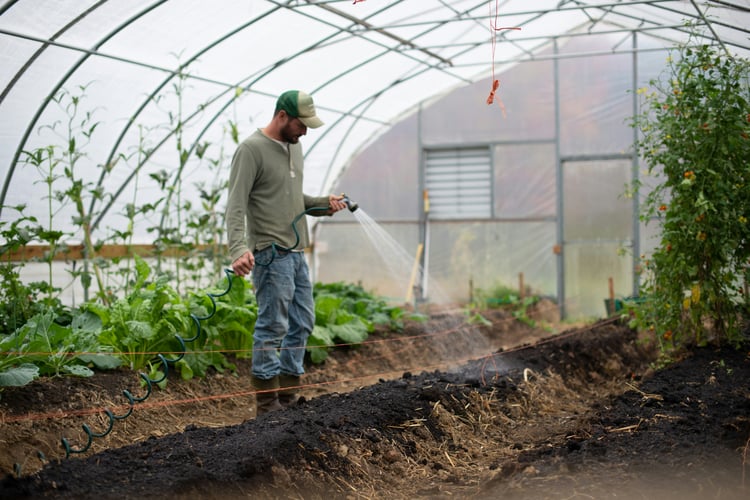
2025 gardeners are getting strategic with watering. Tools that are trending:
- Drip irrigation (targeted, slow release directly at the root zone)
- Soaker hoses
- Timers and smart controllers linked to weather data
- Moisture meters to avoid overwatering
The approach is simple: water deeply, less frequently.
4. Rainwater Harvesting Is No Longer Optional
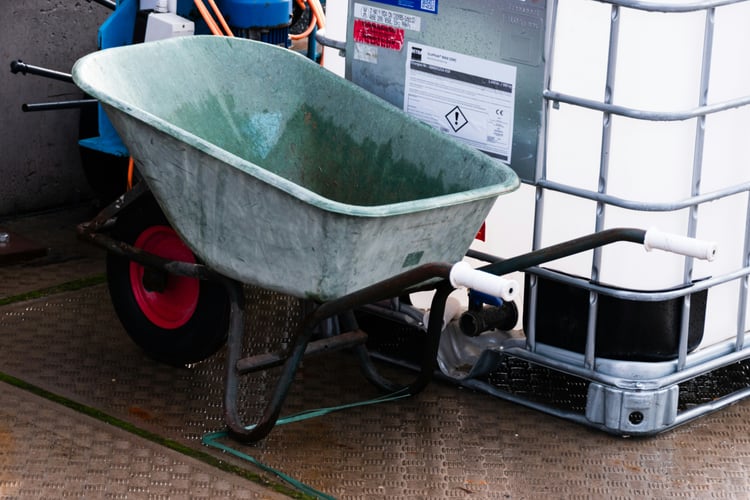
More homeowners are installing:
- Rain barrels
- JoJo tanks
- Gutter diverters
- Filtration systems for greywater
Stored rainwater is becoming a core part of everyday irrigation plans — especially in drought-prone regions.
5. Soil-Building for Water Retention

Healthy soil holds water like a sponge.
That’s why regenerative practices are overlapping with water-wise gardening:
- Composting
- Adding organic matter
- No-dig methods
- Cover crops
- Vermicompost teas
The richer the soil, the less water you need.
6. Hardscaping With Purpose
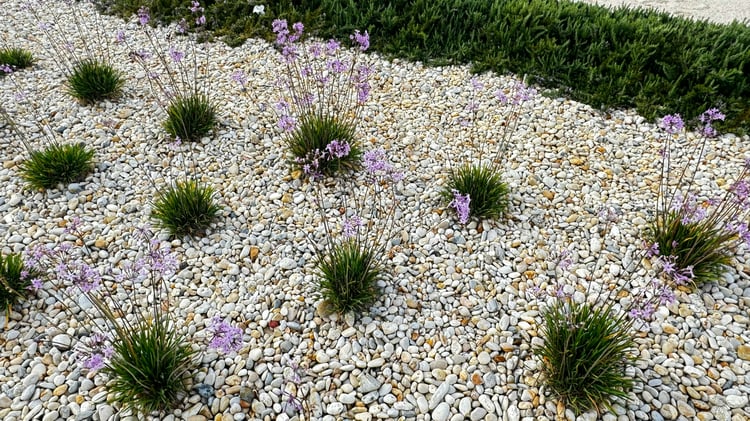
Gardeners are replacing thirsty lawns with:
- Gravel or bark pathways
- Rock gardens
- Raised beds
- Courtyards with containers
- Patio planters using drought-tolerant species
It’s not about removing beauty — it’s about designing landscapes that don’t guzzle water.
7. Water-Wise Containers

Even container gardeners are adapting:
- Using terracotta sealants
- Self-watering pots
- Wicking beds
- Hydrospikes
- Grouping pots to limit evaporation
Plants that thrive in pots with minimal water: aloes, jade plant, pelargoniums, bougainvillea, rosemary.
8. The New Aesthetic: Desert-Inspired, Stone-Forward, Sustainable
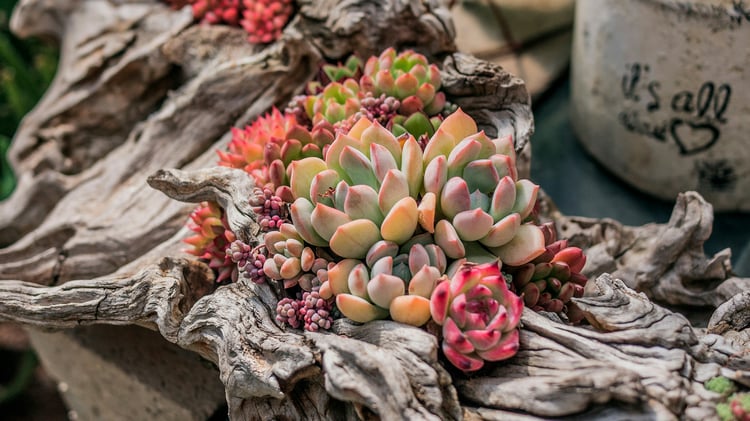
This trend combines:
- Textured gravel
- Boulders
- Sculptural plants (yucca, aloes, agaves)
- Soft grasses
- Earth-tone pots
- Native wildflowers for seasonal bursts
It’s low water, high visual impact.