
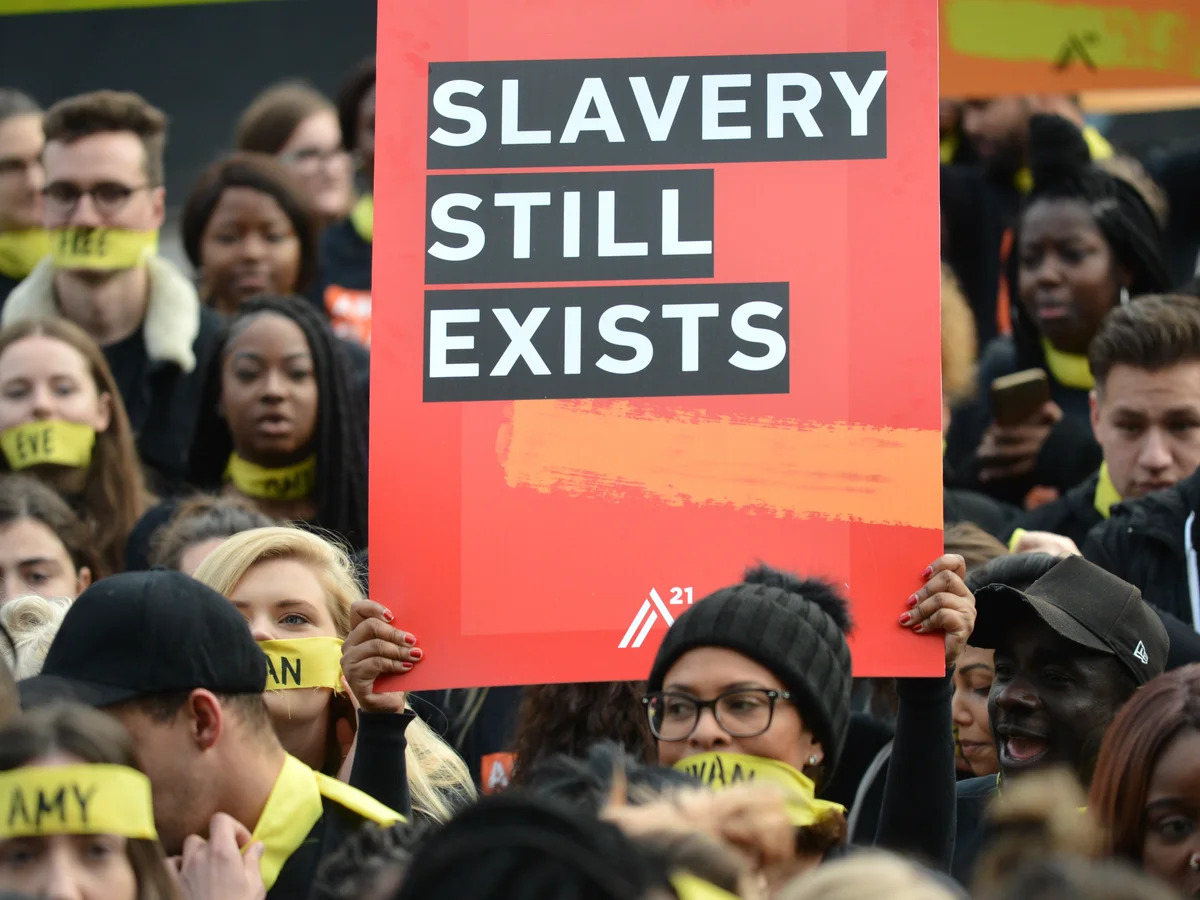
I’ve been contemplating sharing this for a while, and I finally felt the green light to lay it all out here. Get comfortable because much of what I’m about to say is uncomfortable, but also a call to action. Not as some urgent sales tactic. But a call to double down on your inner work and to make the larger reason for the work itself more precise.
We tend to associate modern slavery with the corporate prison system. But the lens needs to be wider now. Our climate shift in politics, education, entertainment, and AI technology is coagulating into a national/international prison chamber. And this entire decade feels like a trial period on all fronts.
Black and marginalized people have always been the original testing ground. We’ve been the laboratory where the external systems perfect their methods before scaling them to the general population.
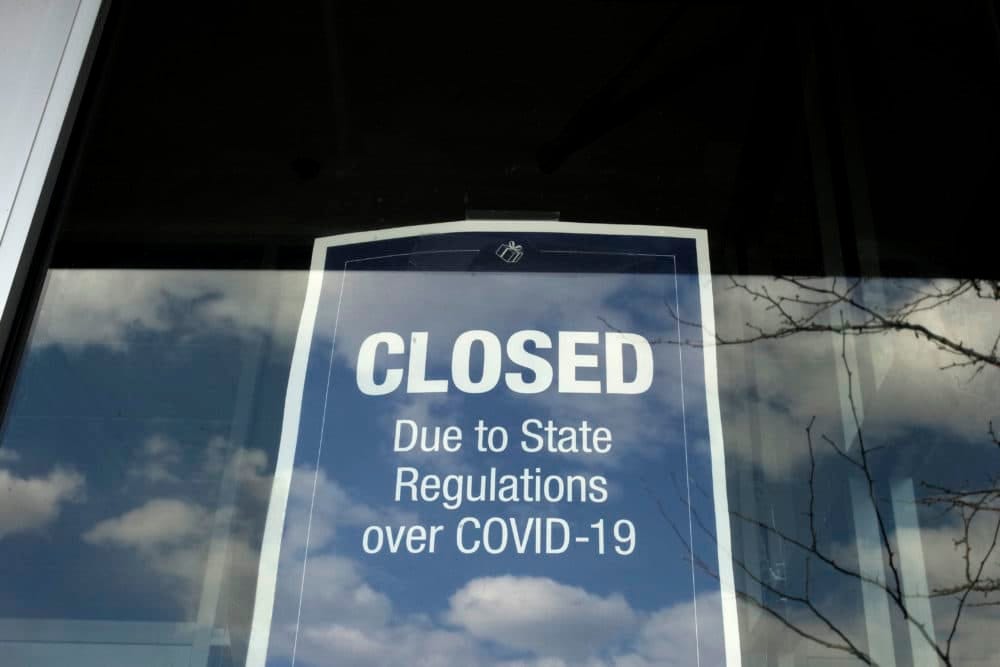
The 2020 global shutdown was a dress rehearsal for what’s being revealed.
The Historical Lineage
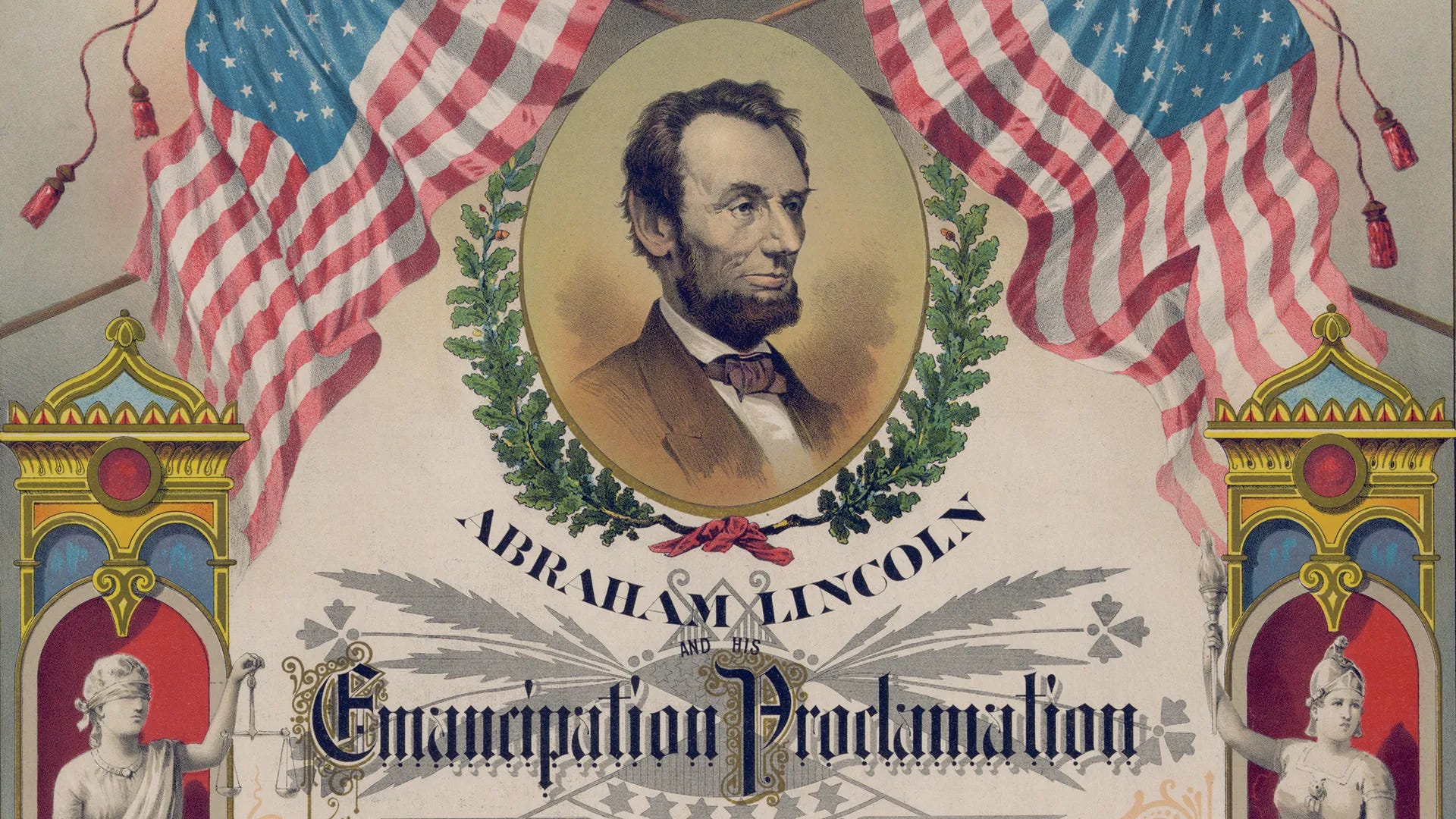
Lincoln’s Emancipation Proclamation. The Civil Rights Movement. Black Lives Matter. Each historical marker created an exaggerated story of progress while the fundamental extraction stayed intact. We were led to believe that we were no longer bound and shackled by an oppressive system. These recycled revolutionary movements prove that it is a total lie. The system hijacks and reforms.
Redlining became visible. You could see the maps, the neighborhoods, the money flowing away from Black communities. So redlining got reformed. Laws changed, but the outcome stayed the same, just with plausible deniability.
Now we have digital redlining. Economic redlining is branded as “market forces.” Algorithmic suppression looks neutral because the code doesn’t explicitly say race. Again, the system hijacks, reforms, and gets more clever. The result is identical.
Each iteration of liberation movements forces visibility of the system, which then forces its reformation, which then requires another liberation movement to name the new reformation.
We’re in that cycle. Again.
Modern-day slavery is really politics, education, entertainment, and attention itself.
It’s the infrastructure that requires people to exchange their labor for survival. It’s the system that ties their basic needs to their compliance. It’s the digital architecture that monitors what you consume, what you think, what you say, and adjusts what you see based on whether you’re being compliant or not.
People are basically being told to stay in the game or starve. Disengage from the metrics or disappear.
And the cruelty is that it’s not the same for everybody. Some people experience it as a convenience. Others experience it as confinement. Some people get amplified. Others get suppressed. But everyone’s basic needs are tied to it. Everyone has to play.
The distinction isn’t whether the system oppresses you. It’s whether you’re being resourced by your oppression or depleted by it.
The 2020 Shutdown revealed the infrastructure
When the world went home, the system revealed its actual skeleton. It was a controlled experiment. How much can they restrict movement? How much information can they manage? How much can they control what people see and hear? How compliant will people be if they frame it as safety?
And the system picked up on the patterns. It trained itself in exactly how much control was possible. Exactly how to manage populations at scale. Exactly what level of surveillance people will accept if the narrative is right.
The shutdown was a trial run for the infrastructure now being built.
Every policy after that shutdown—the digital IDs, the increased surveillance, the algorithmic policing of information—all of it is the system implementing what it gained from the global quarantine.
Black and marginalized people saw it first. Because, again, we’re always the testing ground. By the time the general population realizes what’s happening, we’ve already experienced it. We’re just waiting for the rest to catch on.
We have access to more information than ever before. We can research. We can fact-check. We can find alternative narratives. The information is available. But access to information doesn’t equal integration of information.
When people are trained to think externally—in other words, to consume information without processing it internally, to seek answers outside themselves instead of interrogating their own patterns—then access to information becomes a tool of segregation, not liberation.
Too much information without internal work is information segregation. People get overwhelmed, confused, and vulnerable to whoever tells them a story that feels comfortable. They pick a narrative that matches their existing avoidance, and they stop questioning and challenging.
The system, then, amplifies the narratives that keep people in external thinking mode. Agitation content. Fear content. Conspiracy content. Anything that keeps people focused outside themselves instead of inside themselves.
Internal work requires people to face what they’re avoiding. What most people are avoiding is their own role in perpetuating the extractive system.
When people start facing their own avoidance patterns, their own compliance, their own investments in the system, the system mirrors the collective nervousness. Internal clarity is the one thing that can’t be controlled algorithmically.
The Suppression That Doesn’t Make Headlines
I’m experiencing this in real time. My content names avoidance as the centerpiece. It invites people to face what they’re avoiding rather than consume information about what others are avoiding. My frameworks get redistributed to users who look different, who position themselves as the originators, and the system amplifies theirs while suppressing mine.
I’m experiencing a boycott that’s not making headlines. My visibility is clipped. My engagement is suspended. My reach is limited. Not because of what I’m doing wrong, but because of what I’m doing cleanly.
Everyone is experiencing their own version of this. Different forms; same system. Basic needs are tied to compliance. Visibility is proportional to one’s willingness to stay managed under segregating conditions. Resources are contingent on not advocating too loudly for one’s own terms.
The boycott isn’t organized. The system just stops amplifying people. It stops resourcing people. It stops making people’s work visible. And if you’ve never experienced the amplification in the digital sphere, it stops you from gaining any sort of traction. And because it’s structural, it doesn’t show up as oppression. It shows up as bad luck. Bad timing. Bad algorithm.
But it’s precise and intentionally calibrated.
You can’t step outside the system to critique it. You have to be inside the game while challenging its rules. You have to use the infrastructure while naming what it’s designed to do. You have to participate in the metrics while insisting they’re disproportionate. You have to exist in the contradiction.
How do you disengage from this current pattern’s metrics while still being in its game?
Some people resolve this by choosing compliance. They accept the terms. They get resourced. They tell themselves it’s not that bad. And for them, it often isn’t because the system has different tiers of oppression.
Some people resolve it by checking out. They try to build outside the system. Find alternatives. Create parallel structures. And some of that works temporarily until the system absorbs the alternative, makes it illegal, or makes it so inconvenient that people give up.
Some people resolve it by doing the internal work while staying visible. Facing their own avoidance while naming the system’s avoidance. Being clear about their role in the system while insisting on fair resource allocation within it. That’s the hardest path. You get suppressed from both sides. The system suppresses you for being a “threat,” and the people still in denial suppress you for making them uncomfortable.
When the people catching on late—the ones who’ll take the frameworks, scale them, position themselves as innovators—when they inevitably do, the question is whether they’ll steward the work or extract it.
Will they credit the source? Will they resource the clarity-makers whose language made their growth possible? Or will they Christopher Columbus everything again? Position themselves as the founders, the premiers, the specialists, the originators of paradoxical thinking?
The historical pattern says they’ll extract. They’ll sanitize. They’ll repackage. They’ll claim innovation.
But this time there’s documentation. This content exists. The essays exist. The timeline is visible for anyone willing to look.
And that’s what shifts things. Not waiting for people to be good stewards. But making it visible when they’re not. Making the choice clear for people consuming the work.
The collective behavior pattern is being shaped right now. By people doing their internal work while naming the system’s external architecture. By people insisting on being resourced while challenging the rules. By people using the infrastructure against itself while building alternatives inside it.
The national prison chamber is being constructed. The digital infrastructure is being tightened. The trial run is becoming a permanent policy.
And Black and marginalized people are still the testing ground. Still the first to experience the model. Still waiting for the rest to realize what’s already happening.
But some of us are also challenging the historical script. We’re challenging the operating system while it’s active, not waiting for recognition after debilitation. We’re insisting on being resourced now, not posthumously. We’re doing the internal work while naming the external architecture. We’re operating inside the contradiction.
That’s the both/and paradox this decade requires. Not a versus battle. Not an escape, but strategic clarity operating within constraint.
Time will tell what more people choose. But this time the choice won’t be invisible anymore.
In the meantime and in between time, please be kind and gentle with yourself, as I do the same.
Comments ()