

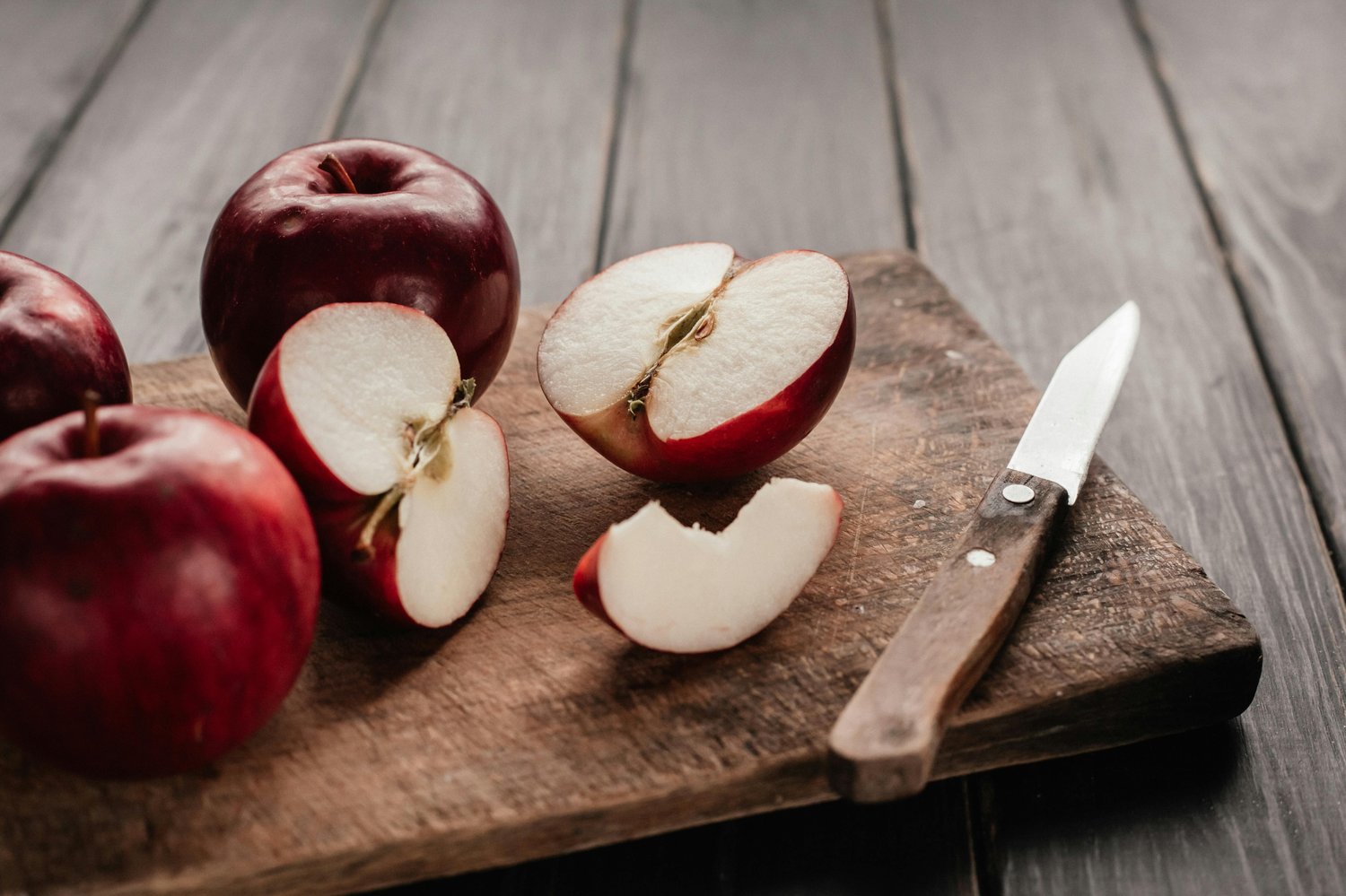
If apples had a personality, they’d be that friend who shows up at your door with freshly baked pie, a killer sense of humor, and unsolicited but very helpful life advice. Sure, they’re great for snacking—but they’re also sneaky little healers, packing in a medicinal punch bigger than their cute, glossy exteriors.
So, what exactly do apples help with, health‑wise? Buckle in, because this fruity MVP supports everything from your heart to your insulin to your very cells. Here’s the hilariously serious breakdown.
(Warning: side effects may include spontaneous crunching, excessive smiling, and the urge to hug your fruit bowl.)
Heart Health & Cardiovascular Drama Control
Areas of Natural Healing Support: High cholesterol, elevated blood pressure, inflammation, risk of cardiovascular disease
- Apples are loaded with fiber (especially pectin) and antioxidants, which help reduce cholesterol and calm inflammation (Boyer & Liu, 2004; Kim et al., 2022).
- A meta-analysis of randomized controlled trials found that apple intake can lower total cholesterol and LDL (“bad cholesterol”), especially in people with high cholesterol (Kim et al., 2022).
- Observational studies link regular apple consumption with a lower risk of cardiovascular death, stroke, and all-cause mortality (Wang et al., 2019).
- Apples may also reduce inflammation markers like C-reactive protein (Sandoval-Ramírez et al., 2020).
Bottom line? Apples don’t just keep the doctor away—they might keep cardiovascular catastrophe at bay, too.
(And hey, if your heart starts racing, at least it’s from excitement about apple pie, not LDL levels.)
Weight Management & Metabolic Mojo
Areas of Natural Healing Support: High BMI, metabolic syndrome, obesity risk
- Because apples are rich in fiber and water, they help you feel full, so you’re less likely to binge-eat later (Healthline, n.d.).
- Some evidence shows apple intake correlates with modest reductions in BMI (Kim et al., 2022).
- Apples are packed with phytochemicals (like quercetin, epicatechin, and procyanidins) that may influence fat storage, energy metabolism, and insulin sensitivity (Tsao, 2006).
(Basically, apples are like a tiny personal trainer you can eat—without the yelling or sweat smell.)
Diabetes & Blood Sugar Regulation
Areas of Natural Healing Support: Type 2 diabetes, insulin resistance
- The soluble fiber (pectin) in apples slows digestion, so sugar is absorbed gradually (Medical News Today, n.d.).
- Flavonoids and polyphenols in apples (like quercetin) are linked to improved insulin function and lower risk of type 2 diabetes (Tsao, 2006).
- Higher apple intake is associated with reduced risk of type 2 diabetes in long-term studies (Wang et al., 2019).
(In other words, apples help keep your blood sugar drama-free—so you can blame the cookie, not your pancreas.)
Cancer (Yep, Apples Fight That, Too)
Areas of Natural Healing Support: Colon cancer, breast cancer, lung cancer (supportive/preventive)
- Apples contain phytochemicals—flavonols, catechins, procyanidins—that inhibit cancer cell growth, promote apoptosis, and reduce proliferation (Boyer & Liu, 2004).
- Epidemiological research links apple consumption to lower risk of some cancers, including lung, breast, and colorectal cancer (Boyer & Liu, 2004; Wang et al., 2019).
- The antioxidant properties of apple compounds may prevent DNA damage and oxidative stress (NutritionJ, n.d.).
(Apples are like tiny bodyguards for your cells—no cape required, just a crunchy exterior.)
Inflammation & Immune Support
Areas of Natural Healing Support: Chronic inflammation, oxidative stress
- Polyphenols in apples (like quercetin) act as antioxidants and anti-inflammatory agents (Tsao, 2006).
- Regular apple intake has been correlated with lower inflammatory markers (Sandoval-Ramírez et al., 2020).
- Apples support gut health, indirectly modulating the immune response (NutritionJ, n.d.).
(Translation: eat apples and tell inflammation to take a hike—bonus points if you crunch while giving it the side-eye.)
Gut Health & Digestive Harmony
Areas of Natural Healing Support: Digestive regulation, prebiotic support, gut-microbiome health
- Pectin acts as a prebiotic, feeding good gut bacteria (NutritionJ, n.d.).
- That gut-friendly action slows sugar absorption and smooths digestion (Medical News Today, n.d.).
- Some lab evidence shows apple extracts can block harmful bacterial toxins (NutritionJ, n.d.).
(In short: apples are basically a five-star buffet for your intestines—no tipping required.)
Respiratory & Lung Support
Areas of Natural Healing Support: Asthma, pulmonary function
- Higher apple consumption is associated with better lung function and lower asthma risk (NutritionJ, n.d.).
- Flavonoids like quercetin reduce oxidative stress in lung tissue (Tsao, 2006).
(Apples help your lungs breathe easier—like a personal fan cheering you on from the fruit bowl.)
Cellular Defense & Antioxidant Power
Areas of Natural Healing Support: Oxidative stress, DNA damage
- Apples are rich in antioxidants—quercetin, catechin, flavonoids, procyanidins—that neutralize free radicals (Tsao, 2006).
- These compounds support DNA integrity and may help reduce chronic disease risk (NutritionJ, n.d.).
(In other words: eat apples and give your cells a little high-five while you’re at it—no lab coat required.)
The Apple Fine Print
- Not a miraculous cure: Apples support many systems but aren’t a replacement for medical treatment.
- Fiber overload: Too many apples can irritate the gut; increase intake gradually.
- Juice vs. whole fruit: Whole apples deliver fiber and phytochemicals; juice doesn’t (Healthline, n.d.).
- Sugar content: Moderation is key; fiber helps blunt sugar spikes (Medical News Today, n.d.).
(Apples can crunch problems away, but they won’t do your laundry—sadly.)
Final Thoughts: Is the Apple the Humble Hero of Fruit?
Absolutely. Apples aren’t just cute desk décor or cozy pie ingredients. They’re undercover wellness agents—easy to grab, fun to eat, and loaded with nutrients that help nearly everything: your heart, blood sugar, inflammation, and even your cells.
Eat the skin, savor the crunch, and let nature do its thing.
(Eat your apples, feel virtuous, savor the skin and crunch, and let nature do its thing—and remember, the donuts are always watching.)
27 Healing Recipes to Naturally Support Your Health Conditions
Target your health conditions with every bite! The Apple Plant Powered Cookbook: 27 Recipes by Condition for Whole Body Wellness offers 27 plant-based recipes designed to naturally support specific health conditions and promote overall body balance. From meals that soothe inflammation to snacks that boost energy and DIY treatments for glowing skin, these recipes show how apples —and other wholesome plants—can become your daily allies in natural healing and targeted wellness.
Apple: Discover Its Origins, Uses, and Healing Benefits
Discover how this plant-based food can nourish, heal, and inspire your wellness journey as you learn about its origins, many uses, powerful health benefits, and more! Apples: Cancer Prevention, Heart Support, Gut Health, Brain Protection, and More!, explores how it naturally supports your body—from digestion and immunity to energy and skin health. You’ll also find practical tips on how to select, store, and prepare it for maximum potency, plus guidance on trusted, high-quality sources. Whether you’re here to enhance your meals, explore natural remedies, or deepen your understanding of plant-based healing, this article uncovers everything you need to know for whole-body vitality.
27 Healing Recipes to Nourish Your Body and Soul
Don’t just eat—heal! The Apple Plant Powered Cookbook: 27 Recipes For Wellness, Beauty, and Healing offers 27 plant-powered recipes designed to support your body, boost wellness, and restore balance naturally. From soothing meals to revitalizing drinks and DIY beauty treats, these recipes show how the right foods can become your daily dose of self-care and natural healing.
Quiz: How Well Do You Understand Apples (The Crunchy Heart Hero)?
1. Eating one medium apple per day has been linked to what reduction in cardiovascular disease risk?
a. 5%
b. 10%
c. 15%
d. 25%
2. Which nutrients in apples make them especially good for heart health?
a. Saturated fat and sodium
b. Fiber and polyphenols
c. Trans fats and iron
d. Sugar and folate
3. What effect do apples have on cholesterol?
a. Increase LDL and triglycerides
b. Decrease LDL, improve HDL, and lower triglycerides
c. No effect whatsoever
d. Increase HDL and LDL equally
4. How do apples help with blood sugar regulation?
a. They are very high in simple sugars
b. Their fiber slows digestion and absorption
c. They replace insulin naturally
d. They remove sugar from the bloodstream directly
5. Which antioxidant compounds in apples are linked to cancer prevention and DNA protection?
a. Lutein and zeaxanthin
b. Vitamin C and catechins
c. Quercetin and flavonoids
d. Iron and calcium
6. What nickname could apples earn for gut health?
a. The five-star buffet for your intestines
b. The gut whisperer
c. The belly band-aid
d. The fiber fairy
7. Which compound in apples supports anti-inflammatory effects throughout the body?
a. Omega-3
b. Quercetin
c. Folate
d. Vitamin B12
8. Eating apples may help reduce what in the body, thanks to antioxidants?
a. Oxidative stress and inflammation
b. Serotonin production
c. Blood sugar levels only
d. Calcium deposits
9. According to the “fine print,” what’s a limitation of eating apples?
a. They are poisonous in large amounts
b. They don’t replace medications and can cause stomach discomfort if overeaten
c. They are addictive
d. They only work if eaten raw
10. What’s the overall conclusion about apples in the article?
a. They’re useless health fads
b. They’re crunchy, versatile, and heart-supporting
c. They’re only for people with high cholesterol
d. They’re dangerous in heart disease patients
Answer Key
- c. 15%
- b. Fiber and polyphenols
- b. Decrease LDL, improve HDL, and lower triglycerides
- b. Their fiber slows digestion and absorption
- c. Quercetin and flavonoids
- b. The gut whisperer
- b. Quercetin
- a. Oxidative stress and inflammation
- b. They don’t replace medications and can cause stomach discomfort if overeaten
- b. They’re crunchy, versatile, and heart-supporting
Nourish & Reflect
1. What part of this article stood out most to you—and why? (AKA: What had you nodding like “Whew, that’s me”?)
2. Where in your life could you apply this wisdom today? (Your job? Your kitchen? That one group chat that tests your patience?)
3. What would change if you committed to this for a week? (Yes, just one week. We’re not building Rome, just emotional stamina.)
4. After applying this wisdom, what changes or benefits did you notice in your life? Were there any challenges or setbacks you faced? (Tell the truth: Did it go smooth, or did life throw a plot twist in the middle?)
5. How do you think you can overcome the challenges or setbacks you experienced? What support or tools might help you? (Access your inner life coach — yes, the one who drinks water, goes to bed on time, and remembers passwords. What would future-you suggest?)
6. Do you have any questions or thoughts about this article that you'd like to discuss further? (Or is your brain like, “Wait—can we talk about that one part again?”)
We’d love to hear from you! Your reflections aren’t just valuable—they’re powerful—like grandma’s advice that didn’t make sense until it did. Drop an insight (or three) in the comments below. What clicked? What cracked you open? What are you side-eyeing but lowkey know you needed to hear? Your words might be the gentle nudge someone else needs today—and hey, sharing is part of the healing too.
Share Your Thoughts—We’re Listening!
We want to hear from you! Whether you’re a devoted blog reader or just popped in while hiding from laundry duty, your thoughts help shape what we create next. Tell us what you loved, what made you think, or even what made you chuckle awkwardly at 2 a.m. It only takes a minute—quicker than brewing your morning herbal tea (and with fewer dishes). Click here to share your thoughts—because we’re all ears, hearts, and maybe a little chamomile. Your voice matters to us!
Disclaimer
This article and other content on this site are for educational and informational purposes only and are not intended to diagnose, treat, cure, or prevent any condition. Statements made on this site have not been evaluated by the Food and Drug Administration. Always consult with a qualified healthcare provider before making any wellness decisions. Please read our Disclaimer for full details.
Some materials on this site may include optional scriptural content and biblical insights, presented for educational and reflective purposes, and grounded in evidence-based research and scripture. Use of this content is voluntary and should be engaged with at your own discretion.
By accessing, reading, or using this content, you acknowledge and accept the terms set forth in our Blog Disclaimer, Health & Wellness Disclaimer, Terms & Conditions, and Shop Policies.
Bibliography
Boyer, J., & Liu, R. H. (2004). Cancer chemopreventive potential of apples, apple juice, and apple components. Nutrition Journal, 3, 5.
Healthline. (n.d.). 10 benefits of apples. Healthline. https://www.healthline.com/nutrition/10-health-benefits-of-apples
Kim, H., Anh, S., Jung, S., Long, L. H., Park, H., Cho, K., … Kwon, O. (2022). Metabolic and cardiovascular benefits of apple and apple-derived products: A systematic review and meta-analysis of randomized controlled trials. Journal of Nutritional Biochemistry.
Medical News Today. (n.d.). Apples: Benefits, nutrition, and tips. Medical News Today. https://www.medicalnewstoday.com/articles/267290
NutritionJ. (n.d.). Other health effects from apples: Cholera toxin inhibition, antioxidant activity, etc. Nutrition Journal. https://nutritionj.biomedcentral.com/articles/10.1186/1475-2891-3-5
Sandoval‑Ramírez, J. R., Sanabria, J. G., Paniagua, J. A., Romero, I., Reyes, E., Parrón, G., & López‑Salguero, G. (2020). The effects and associations of whole-apple intake on diverse cardiovascular risk factors: A narrative review. Nutrition Research Reviews.
Tsao, R. (2006). Apple phytochemicals and their health benefits. Nutrition Journal, 3, 5.
Wang, D. D., Ouyang, Y., Liu, E., Zhu, Y., Zhao, L., Bao, W., Hu, F. B., & Sun, Q. (2019). Apple intake is inversely associated with all-cause and disease‑specific mortality in elderly women. British Journal of Nutrition, 122(4), 535–544.

Comments ()