
Pizza night is always a hit in our house. It's an easy meal to put together and everyone enjoys eating it! This time, I swapped the recipe on my phone for a cookbook. I don't usually need a recipe to make pizza. I'm more likely to raid the fridge and use whatever needs eating as a topping. But my boys love lifting the flaps of Jamie Oliver's book, Let's Make Pizza (affiliate link). It's one of a series of little cookbooks designed to get budding chefs preparing recipes alongside their grownups.
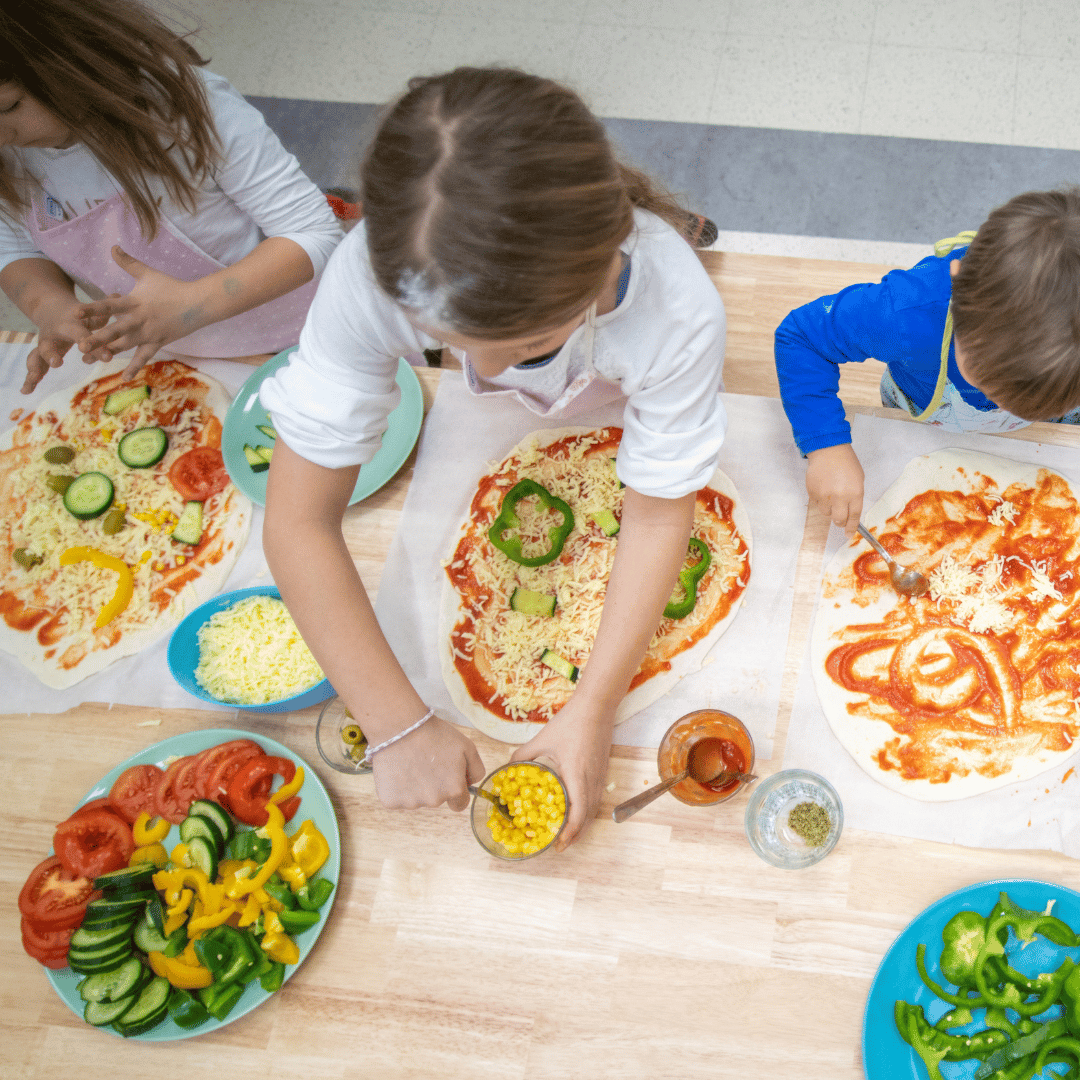
This book takes readers through making their own puff pastry pizza bases. I took a shortcut and used store-bought bases instead. With the bases ready to go, the boys could get straight to the fun part: swirling the sauce, sprinkling the cheese, and chopping the mushrooms.
Having the pages of the cookbook open on the kitchen counter for the kids to look at turned out to be a great idea! What started as an easy family dinner became an opportunity for learning.
Here are five things children can practice when cooking together.
Following Instructions
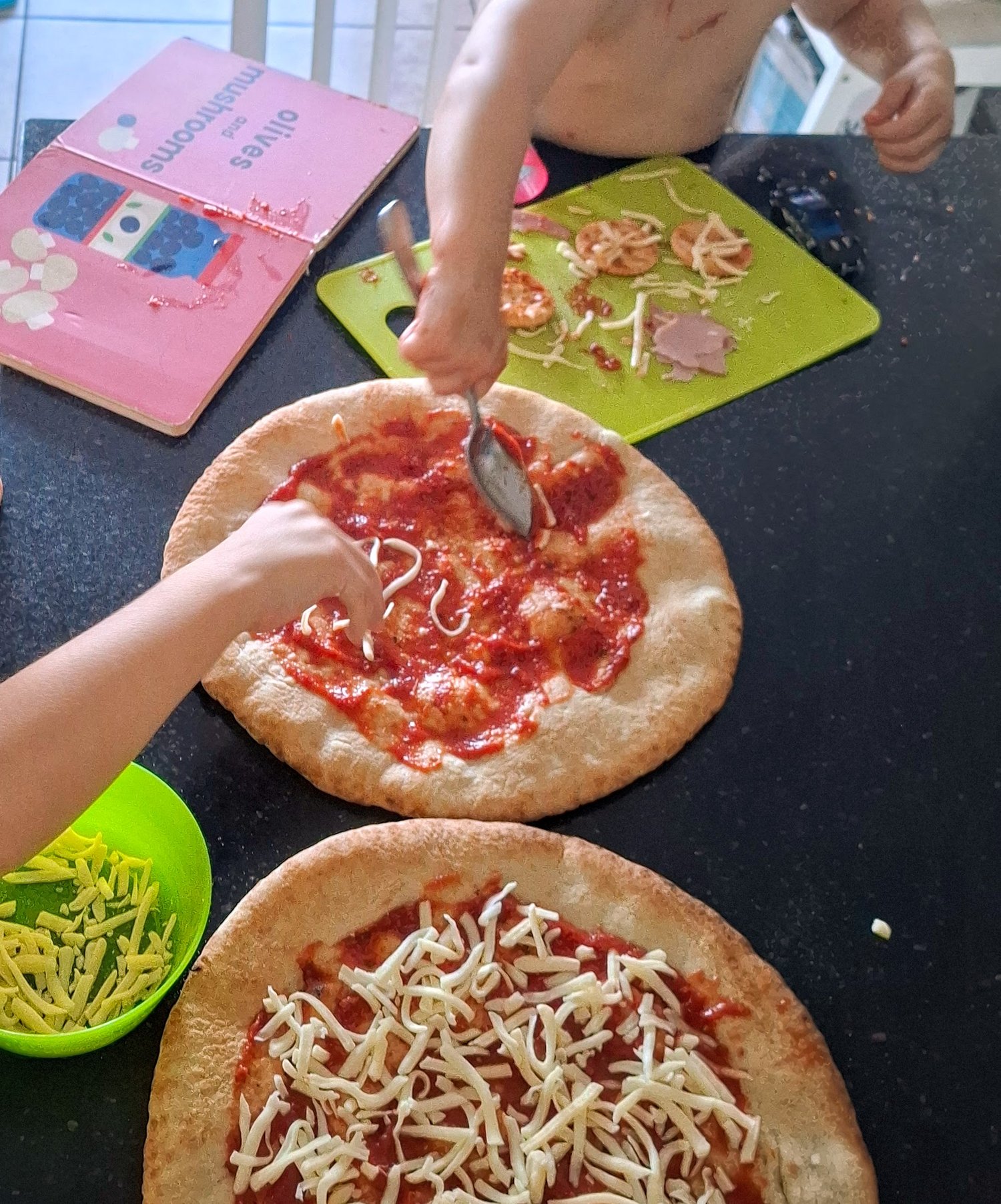
My four-year-old knows that before adding the toppings to his pizza, he needs to spread out some pizza sauce. He spoons some onto the base and swirls it around. I remind him that every slice should have some sauce, so he looks for bare spots and fills them in.
To him, he's simply helping Mum in the kitchen. But there's so much learning happening. He's learning to follow directions, understand the order in which steps need to be completed and practise sequencing: what needs to happen first and what comes next.
These are important early literacy skills we can encourage through everyday activities.
Building Vocabulary
I hadn't realised just how much the kitchen has a language of its own. It's something that comes naturally to an experienced home cook, but there are plenty of words children might not hear in everyday conversation.
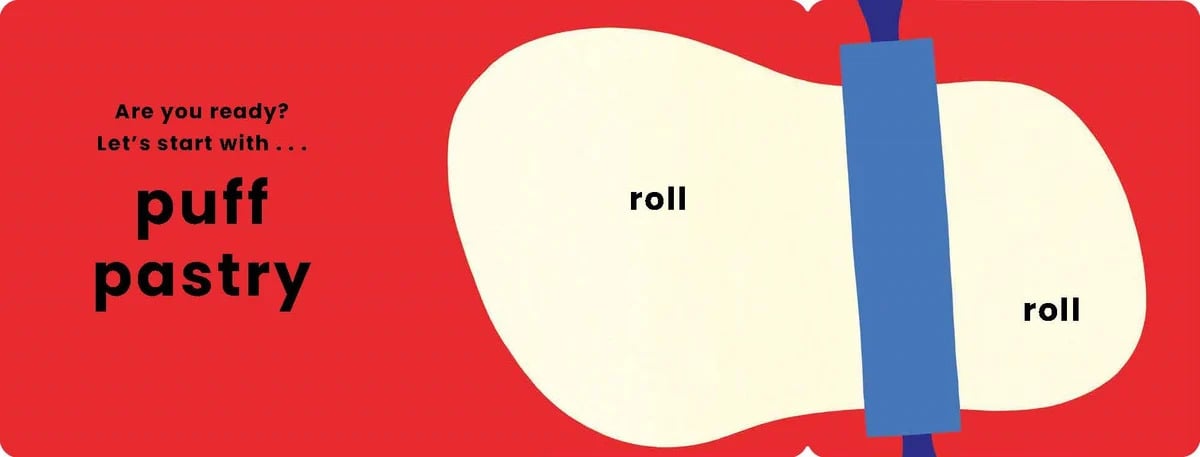
Even my 21-month-old only has to see the illustration of puff pastry in the book before he starts saying "Roll! Roll!" As we make pizza, we use words like swirl the tomato sauce, tear the cheese, sprinkle the oregano, and drizzle the pesto. My preschooler is also learning that there's a difference between slicing and chopping.
These words do more than describe ingredients. They tell us what to do with them. Cooking is a wonderful opportunity to introduce new vocabulary and encourage children to listen, understand and use new words in context.
Developing Fine and Gross Motor Skills
Truthfully, I didn't learn to cook until I was a young adult living in my first apartment. It came with a pretty steep learning curve! I want my kids to gradually develop this important life skill in a way that's engaging and fun.
While my oldest cooks alongside me, I lay out a few crackers, cheese, deli meat and sauce for my toddler to experiment with. He layers the ingredients to make his own mini pizzas. Most of the time, though, it's one big, messy sensory experience!
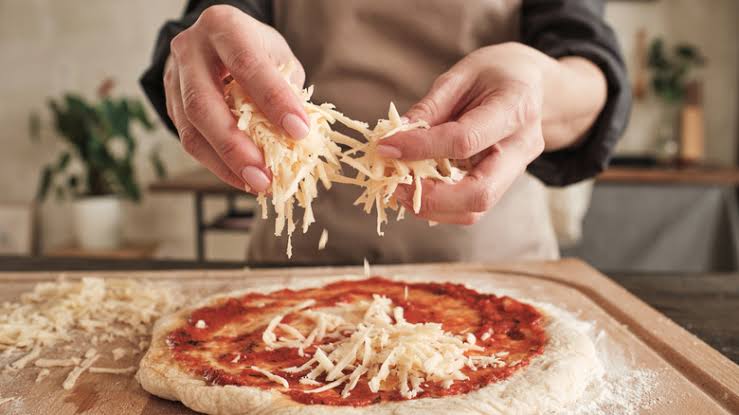
My oldest is busy spreading sauce, arranging toppings and using his pincer grasp to pick up and sprinkle the cheese. These little tasks help develop fine motor control and hand-eye coordination. Carrying ingredients and reaching for things also give children opportunities to practise their gross motor skills.
And the best part? They're having fun while doing it!
Making Choices
One of my favourite things about making individual pizzas is that the kids get to decide what goes on theirs. My son's taste buds are questionable at times, but choosing his own toppings gives him a sense of ownership over his meal. He gets to experiment with combinations, make decisions and perhaps even try something new.
It's also a simple way to introduce kids to different vegetables. Who knows? A veggie they might not normally eat could become much more appealing when it's chopped into little pieces and added to their very own pizza. Bonus points if the produce is local and seasonal!
Choosing local produce is another opportunity to introduce children to the people who grow our food. We recently stopped at one of North Queensland's iconic roadside banana stalls, turning a simple grocery stop into an opportunity to learn about local growers, money and where our food comes from.
Read about our roadside banana stall adventure!
Understanding Where Food Comes From
Cooking together is also a wonderful opportunity to talk about farming, food production and where our ingredients come from. My son knows that milk comes from cows, but now he's beginning to understand that milk can be turned into different foods, like cheese.
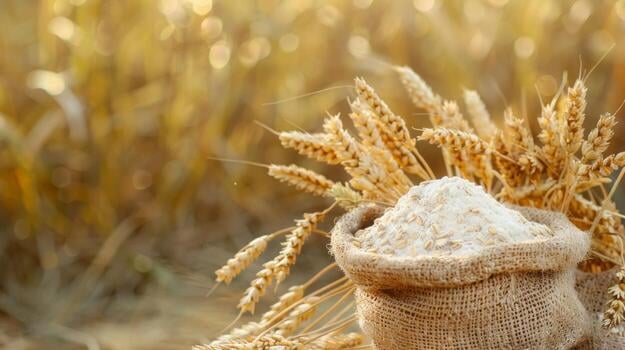
We talk about how pizza bases are made using flour. But where does flour come from? Wheat! A crop grown by farmers.
We can explore the origins of our other toppings, too. Tomatoes grow on plants, mushrooms are cultivated by farmers, and cheese starts with milk produced on dairy farms. It's a simple way to introduce children to the journey our food takes from the paddock to our plates.
Understanding where our food comes from is something I love exploring with my children. It's also what inspired me to write The Sugarcane Harvester Song, a sing-along picture book introducing little readers to sugarcane harvesting, farming and the machinery used to transport the crop from the paddock.
Want to explore another everyday ingredient? I've also created a free family resource about where sugar comes from, helping children discover how sugarcane makes its way from the paddock to the pantry.
Little Chefs in the Kitchen: Advice from Chef Luisa
So we've explored some of the things children can learn when cooking with their grownups. But how do you get started? What tasks are little ones capable of? And how can parents make cooking together enjoyable without feeling overwhelmed by the mess?
I invited professional chef Luisa Scrimshaw to share some advice for parents wanting to introduce their children to cooking.
Meet Chef Luisa
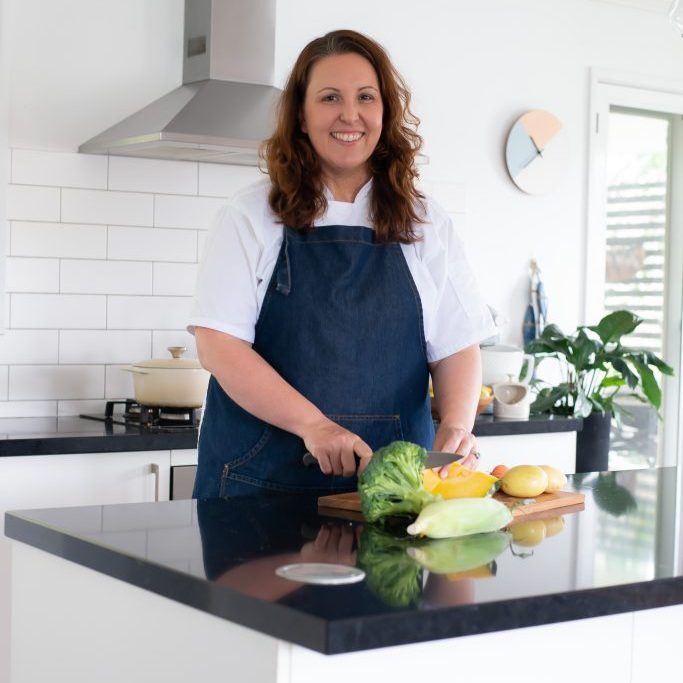
With more than 24 years of professional culinary experience, Luisa Scrimshaw, is the founder of In My Own Kitchen. She offers hands-on cooking lessons designed to help people develop practical skills and confidence in the kitchen.
Her approach is about more than following a recipe. It's about understanding how ingredients come together, learning new skills, and enjoying the process along the way.
I asked Luisa to share her advice for parents wanting to introduce their little ones to cooking.
What are some simple kitchen tasks that toddlers and preschoolers can help with?
Toddlers and preschoolers can help with many tasks, including using measuring cups and scooping, stirring and whisking. They can even help find ingredients in the pantry or fridge, crack eggs and count. All of these are initial skills and tasks they can build upon.
Each child is different, so there is no hard and fast rule when it comes to adapting activities. Having utensils your children can easily manipulate goes a long way. Colour-coded measuring utensils (affiliate link) can also help with identifying what you need.
Repeating the names of ingredients and utensils helps children become familiar with them. You can also hold the utensils while they pour or scoop, or count how many stirs they do before it's your turn to ensure everything is mixed well.
What advice would you give parents who want to involve their children in the kitchen without feeling overwhelmed by the mess or the extra time involved?
Firstly, you need to embrace some degree of mess. It happens when learning!
One way to minimise mess is to have everything weighed out beforehand and then invite your children to join you. You could also put down a plastic mat so you can simply take it to the sink or shower and wash it off afterwards.
Don't plan to cook together when you're working to a limited timeframe. Allow extra time, knowing they'll want to help. Choose moments when you aren't already overwhelmed or in a hurry.
You could even prepare items for the following day's dinner so they don't feel the pressure either.
What's one simple recipe or cooking activity you'd recommend for families wanting to introduce young children to the kitchen? What makes it a good starting point?
Baking is always a favourite, as it teaches early sequencing, measuring and mixing. Find one-bowl recipes to keep things easy.
Even making your own playdough and having children measure the ingredients can be a great start. Picking herbs off the step and cutting bananas or strawberries with a plastic knife (affiliate link) are also great activities for developing gross motor skills.
In your experience teaching children to cook, what's something that surprises parents about what young children are capable of in the kitchen?
I think parents are surprised that their child works so well with another adult. They forget that the dynamic with another adult is always different from their own parent.
Because I'm very comfortable around food and teaching, I'm able to cook with children and bring out their skills. I'm also comfortable encouraging them to do more because I know the parameters of safety and their abilities.
My advice to parents wanting their children to cook is to start with food their child enjoys and build from there. If they're excited to eat it, they're usually excited to cook it. You can gradually introduce vegetables and other foods you'd like them to try, but if it's not fun, no one will be interested.
Also, be prepared that cooking is a muscle that needs to be strengthened. The stamina to make a whole recipe takes time. Be prepared to finish the task yourself!
I started by having all the ingredients out and ready before telling my children we were cooking, so they could just get started. Kids want to do. The learning can come with time and practice.
And most importantly, try to enjoy the experience. Not every cook will be amazing, but it is a valuable skill to have.
Want to Cook with Luisa?
Find out more about her kids' cooking classes and party packages at In My Own Kitchen.
Your turn, little chef!
Do you let your kids help out in the kitchen? If the thought of cooking with little ones seems daunting, making pizza together could be an easy place to start. You don't need to make your own pastry or even prepare the ingredients from scratch. Store-bought bases and a few simple toppings are perfectly fine! The important thing is to have fun.
Give children responsibility for one part of the process. Let them spread the sauce, sprinkle the cheese, or choose their own toppings. Talk about what you're doing, introduce a few new cooking words, and investigate with them where their favourite ingredients come from.
You might be surprised by just how much learning can happen over a simple family dinner.
Happy cooking!