

Menopause 101: What Women Should Know
Menopause is a natural stage of life, yet for many women it arrives with confusion, frustration, and very little clear information. If you’ve been feeling “not quite yourself” and wondering whether menopause could be the reason, you’re not alone. This post explains what menopause is, what to expect, and why support during this stage really matters.
What Is Menopause?
Menopause is officially defined as the point when you have not had a menstrual period for 12 consecutive months. It marks the end of your reproductive years and is caused by a decline in the hormones oestrogen and progesterone.
However, menopause is not a single moment — it’s a transition, and for most women, symptoms begin years before periods stop completely.
The Three Stages of Menopause
Perimenopause
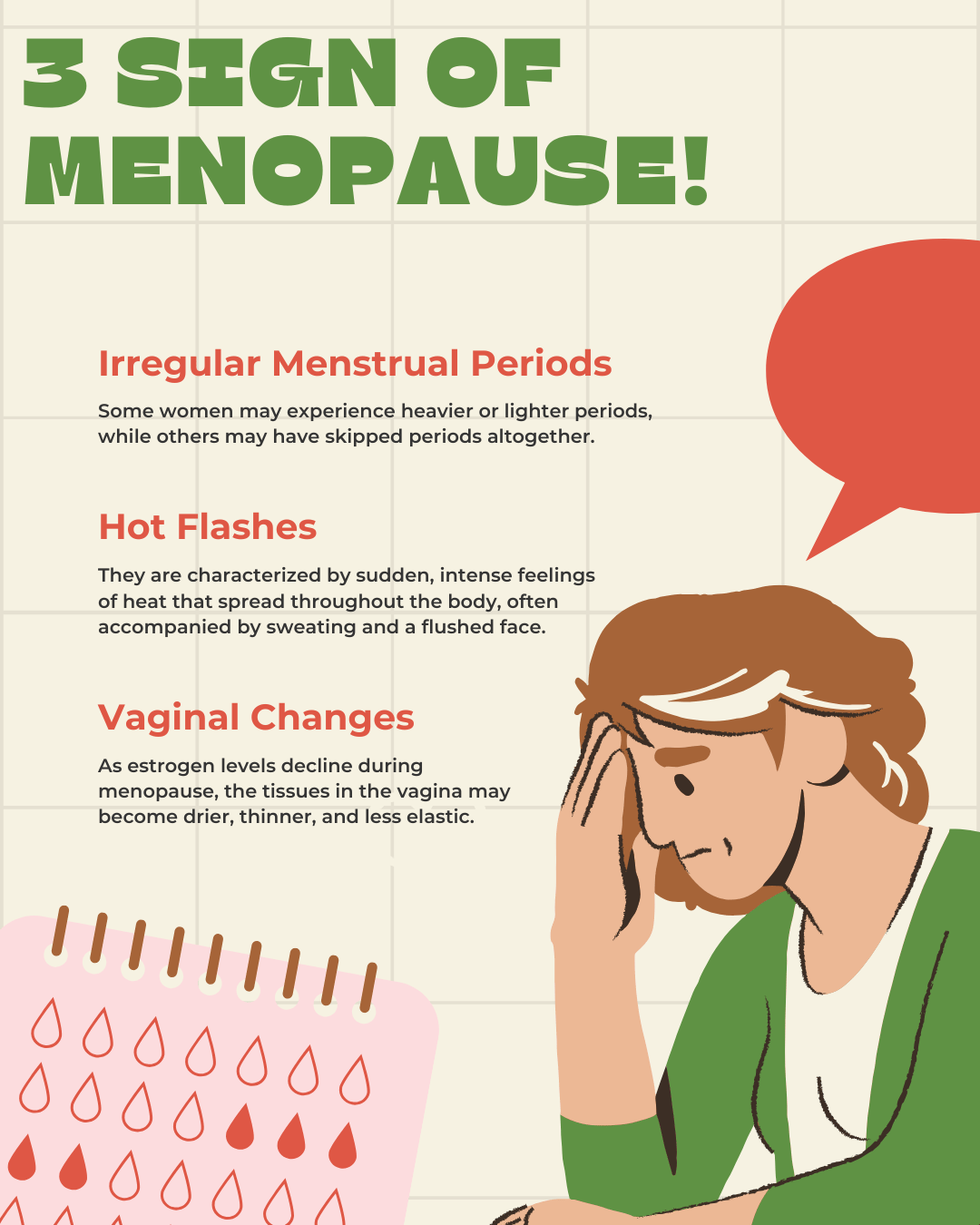
This is the stage leading up to menopause and can start in your 40s, or sometimes earlier. Hormones fluctuate during this time, which is why symptoms can feel unpredictable. Periods may become irregular, heavier, lighter, or closer together.
Menopause
You are considered menopausal once you’ve gone 12 months without a period. Symptoms may continue, change, or ease — everyone’s experience is different.
Postmenopause
This refers to the years after menopause. Many symptoms gradually improve, but some women still need ongoing support for wellbeing, bone health, sleep, or energy levels.
Common Menopause Symptoms
Menopause affects far more than just your periods. Common symptoms include:
- Hot flushes and night sweats
- Sleep problems and insomnia
- Mood changes, anxiety, or low mood
- Brain fog and difficulty concentrating
- Fatigue and low energy
- Joint or muscle aches
- Weight changes
- Changes in libido or vaginal dryness
You don’t need to experience all of these symptoms — or even have severe ones — for menopause to be impacting your life.
Why Menopause Can Feel So Overwhelming
Hormonal changes play a big role, but menopause often coincides with a demanding stage of life. Many women are juggling work, caring responsibilities, relationship changes, and shifts in identity or confidence. When symptoms are dismissed or misunderstood, it can leave women feeling isolated or unsupported.
This is why clear, practical menopause education is so important.
What Can Help During Menopause?
There is no one-size-fits-all solution, but many women find relief through a combination of:
- Better sleep routines and stress management
- Gentle movement such as walking or strength exercises
- Balanced nutrition and hydration
- Learning more about what their body is going through
Some women also choose targeted support such as supplements designed specifically for menopause symptoms.
When to Seek Medical Advice
If symptoms are severe, affecting your mental health, or interfering with daily life, it’s important to speak with a healthcare professional. Heavy or unusual bleeding, persistent low mood, or sudden changes should always be checked.
You’re Not Broken — You’re Changing
Menopause is not a failure of your body. It’s a natural transition, and with the right information and support, it can be navigated with confidence and self-compassion.
This site is here to help you understand menopause, explore supportive options, and feel more informed as you move through this stage of life.