

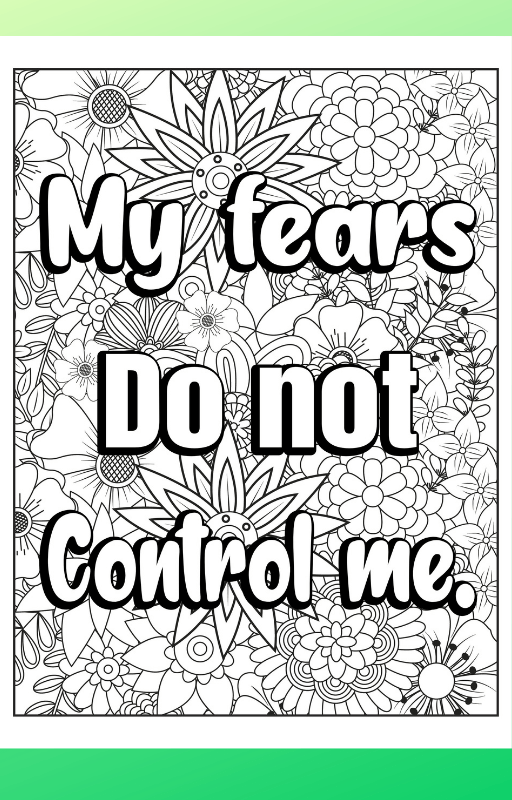
Many women are surprised by one of the quieter changes menopause brings.
It isn’t always the hot flushes or the sleep disturbance that feel hardest — sometimes it’s the constant mental activity. The mind keeps going, even when the body is exhausted.
You lie down at night and instead of drifting off, your brain reviews conversations, tomorrow’s tasks, family worries, and things you said years ago. Even during the day, it can feel difficult to properly relax.
This experience is very common.
During menopause, the nervous system often becomes more alert and more reactive. Thoughts feel louder, and your brain may find it harder to move into a calm, settled state. Many women describe it as feeling “wired but tired”.
This is where gentle, repetitive activities can help.
Why colouring works
Colouring isn’t just for children. In fact, it can be particularly helpful for adults whose minds struggle to slow down.
When you colour, your brain focuses on:
- shape
- movement
- simple choices
- repetition
This gives your thinking mind somewhere safe to rest.
Instead of trying to stop thinking (which rarely works), colouring gives your attention a quiet place to go. Your breathing naturally slows, muscle tension reduces, and your nervous system begins to settle.
It is a form of soft focus — not concentration, not effort.
Many women find that after 10–15 minutes of colouring:
- their thoughts feel less urgent
- their body feels calmer
- they feel sleepier in the evening
- bedtime feels less pressured
Especially helpful before bed
One of the most difficult parts of menopause sleep is the transition into night. You may move directly from busy thinking into bed, and your brain simply doesn’t change gears.
Colouring creates a bridge between daytime thinking and night time rest.
You are not trying to achieve anything.
You are not learning anything.
You are simply allowing your nervous system to slow.
Even if you do not feel immediately sleepy, your body is shifting into a calmer state — which makes sleep more likely later.
A gentle evening ritual
Your colouring time does not need to be long.
Try:
- dimmer lighting
- quiet surroundings
- no pressure to finish a page
- slow breathing while colouring
You are not producing artwork.
You are giving your mind somewhere to land.
When your mind feels full
Colouring can also help on days when you feel emotionally overwhelmed. Menopause can bring mood changes, irritability, and mental fatigue. A quiet, repetitive activity provides a pause without needing words, journaling, or problem-solving.
Sometimes your brain does not need answers.
It needs rest.
My menopause colouring pages
I created this colouring book specifically for women in midlife age who want something calming but simple. The designs are gentle and not overly detailed, so they don’t require concentration or perfection.
You can use them:
- in the evening wind-down
- after a difficult day
- during early morning waking
- or simply as a quiet break
You don’t need to be creative. You only need a pencil and a few minutes.
You can view the colouring book here:
https://payhip.com/b/M2SbQ
If your mind has been busy lately, this may give you a small but meaningful pocket of calm in the day.
And sometimes, small calm moments are exactly what your nervous system needs.
Take care and here's to a calmer you.
Sue @midlifenourish (The Midlife Nourish Series)