
Food photography is as much about storytelling as it is about technique. One of the best ways to shape that direction is by building a mood board. A mood board acts as a visual guide that helps you define the atmosphere, style, and emotional tone of your food images long before you begin shooting.
Mood boards bring clarity to your ideas and assist you with defining the culture and overall aesthetic of the dish you want to photograph. This is particularly helpful when you are creating a scene for special occasions, important photoshoots or a cohesive series of photography, such as for cookbooks.
This article explores what a mood board is, how to create one both physically and digitally, and how to use it to elevate your food photography with a clear sense of style and purpose.
What is a Mood Board
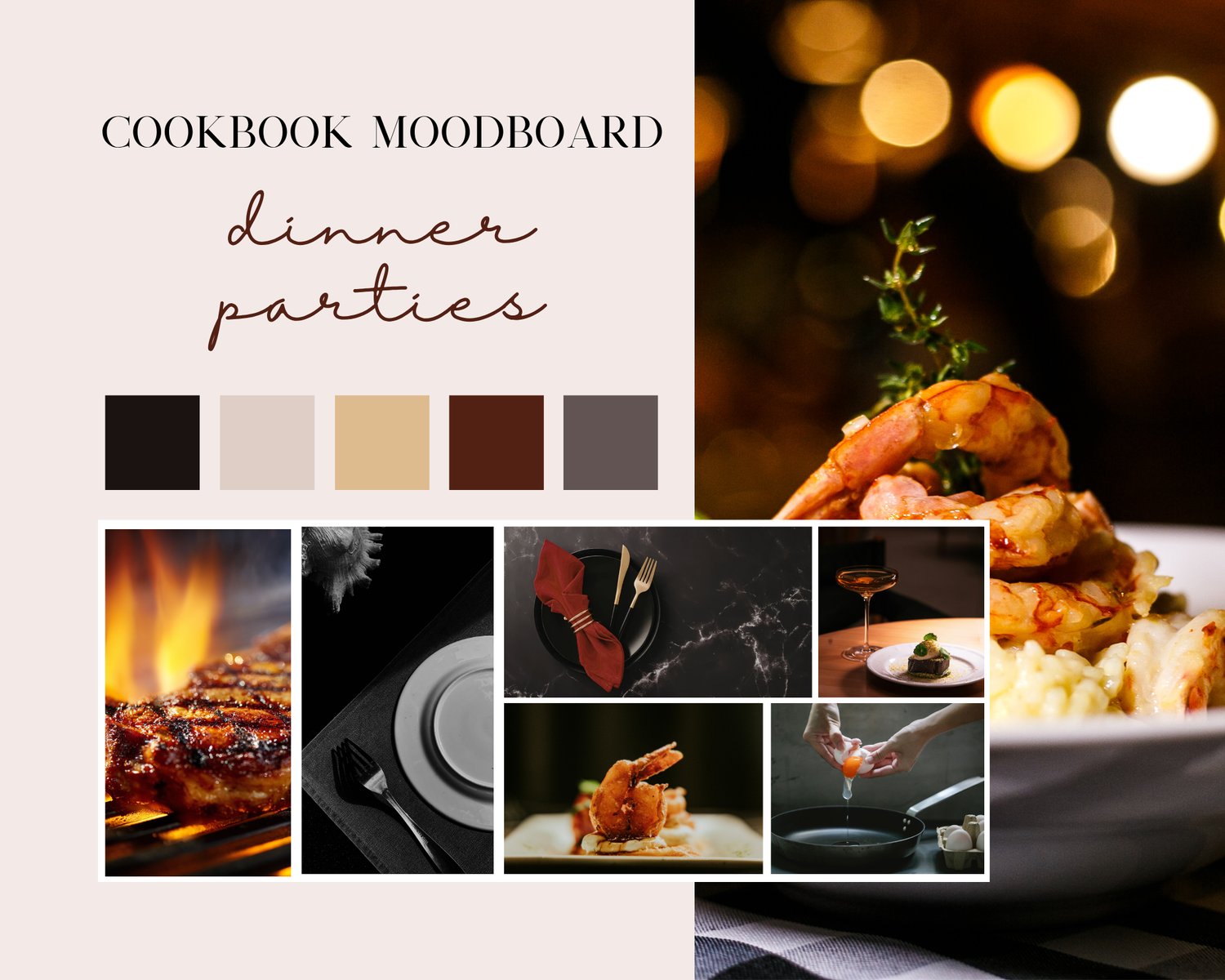
A mood board is a curated collection of images, colors, textures, and references that represent the overall feeling you want your food photographs to convey. This then becomes a visual map that defines the direction of your shoot. In food photography, this might include examples of lighting styles, color palettes, plating approaches, prop combinations, and even the emotional tone you want the final images to express.
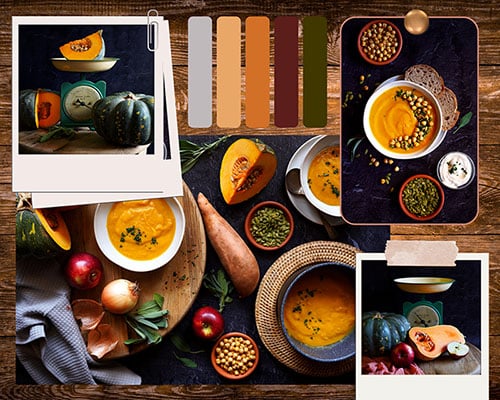
For example, a mood board for a rustic autumn soup might include warm earth tones, wooden textures, soft natural light, and images that evoke comfort and seasonality.
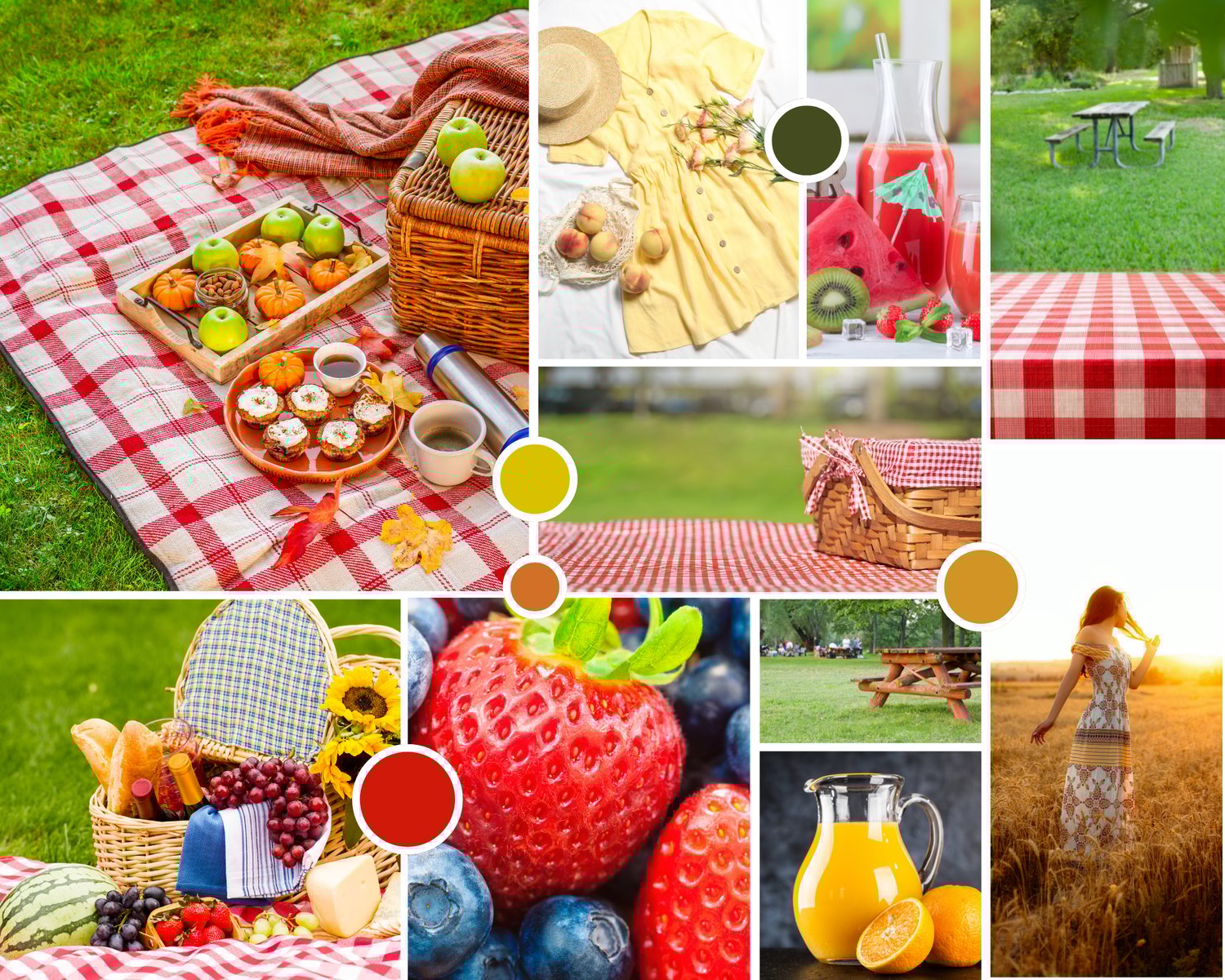
A board for a summer outdoor picnic lunch might lean toward light and airy compositions, bright summery colors, outdoor backgrounds, and rustic styling. The mood board can then become the anchor that keeps your creative decisions aligned with the story you want to tell.
Creating a Physical Mood Board
A physical mood board is a tactile, hands‑on way to explore your ideas. Many food photographers enjoy this method because it allows them to interact with real textures and materials, which can be especially helpful when planning tabletop scenes.
To create a physical mood board, begin by gathering materials that reflect the style you want to achieve. This might include printed photographs, magazine pages, fabric swatches, paint chips, napkins, or even pieces of packaging that inspire you. Lay everything out on a cork board, foam board, or large sketchbook so you can see how the elements interact with one another.
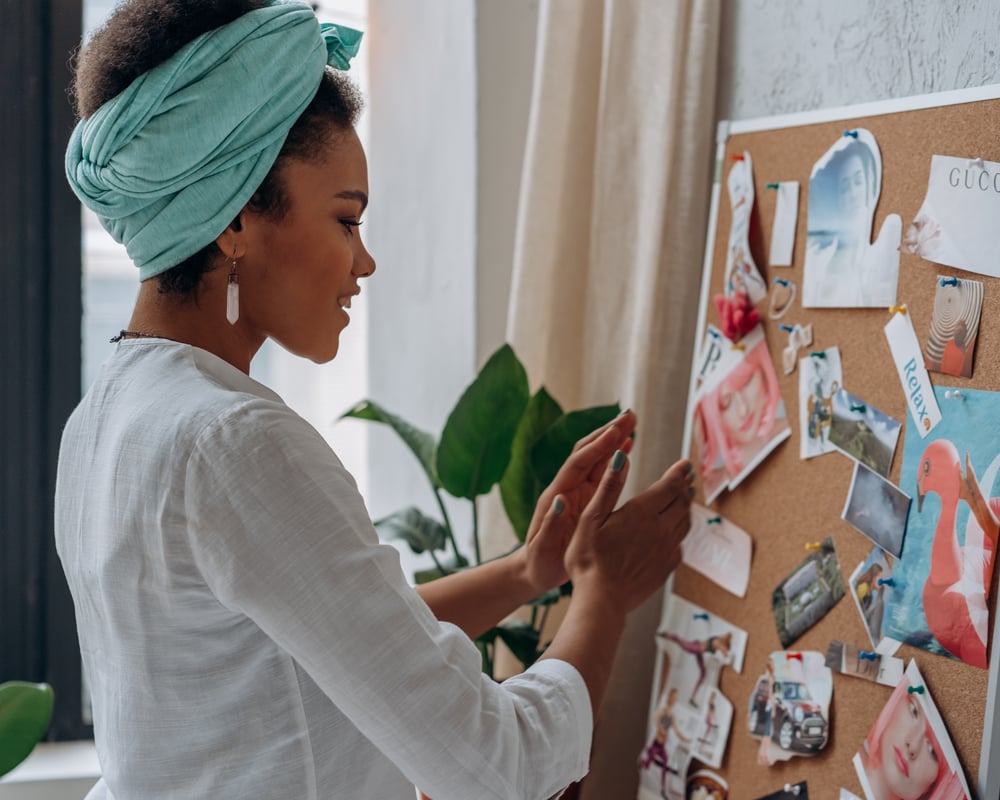
The tactile nature of this method often sparks new ideas, especially when working with textures that will later appear in your food styling.
Creating a Mood Board Digitally
Digital mood boards offer a level of flexibility and convenience that is ideal for modern food photographers. They are easy to update, simple to share with clients or collaborators, and perfect for planning multiple shoots or campaigns.
To create a digital mood board, start by gathering inspiration from online sources such as Pinterest, Instagram, or food photography portfolios. Save images that reflect the lighting, colors, compositions, and styling approaches you want to explore. Once you have a collection, bring them into a digital tool such as Canva, Milanote, Adobe Express, or even a simple document or slide layout.
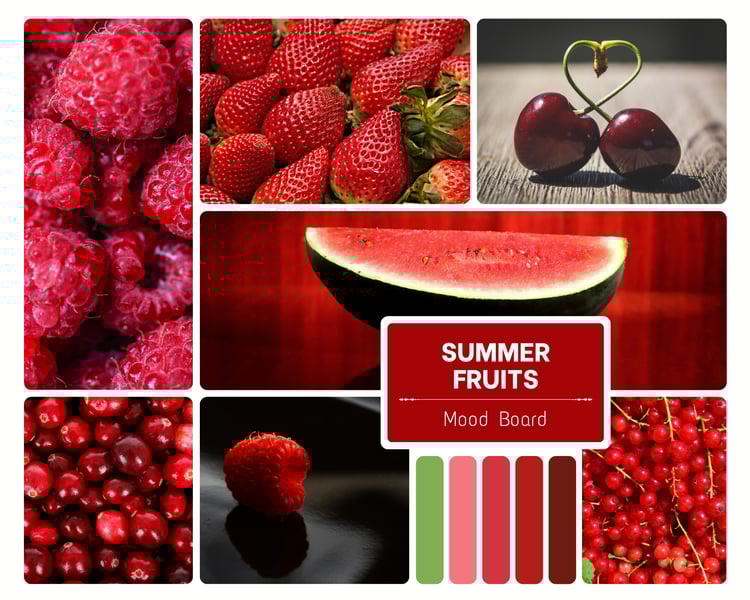
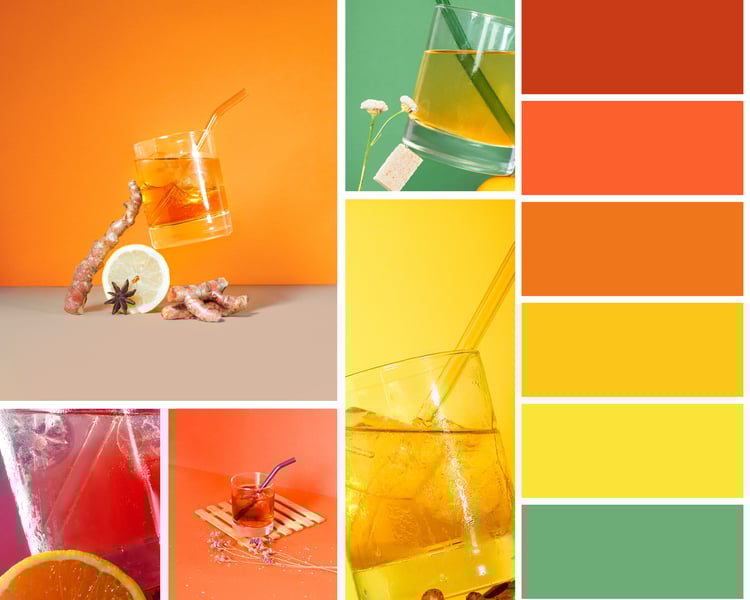
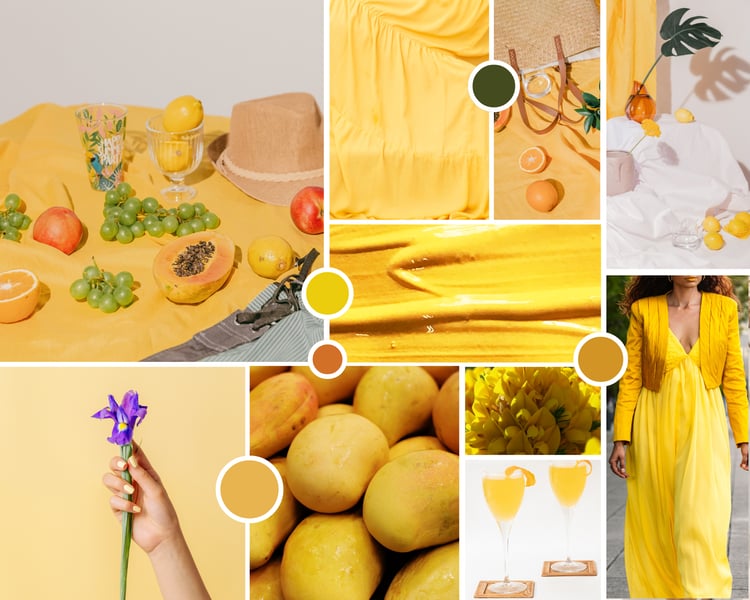
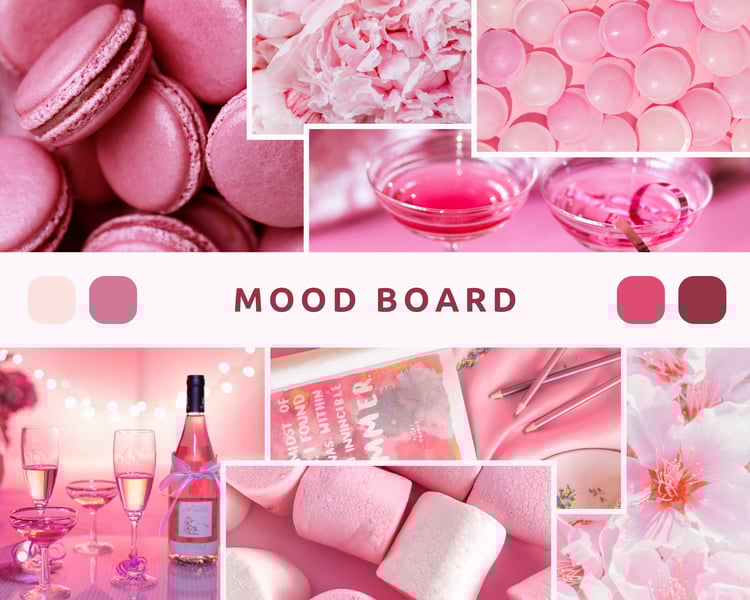
Above: Mood board templates available from Canva.
Many digital tools allow you to extract color palettes directly from your images, which can be extremely helpful when planning backgrounds, props, and garnishes. You can also add text labels or keywords to reinforce the tone of your shoot. The digital format makes it easy to refine your board as your ideas evolve, ensuring that your creative direction remains focused and cohesive.
Using Your Mood Board to Guide Your Food Photography
One of the most important ways a mood board influences your shoot is through color. Food photography relies heavily on color harmony, and your board will reveal whether your images should lean toward warm, cozy tones, bright and fresh hues, dark and moody shadows, or clean and minimal palettes. This clarity helps you choose backgrounds, linens, plates, and even ingredients that support the overall aesthetic.
Your mood board also plays a key role in prop selection.
By studying the textures and materials on your board, you can determine whether your scene calls for rustic wooden boards, matte ceramics, glossy glassware, or soft natural fabrics. This prevents mismatched props and ensures that every element in your frame contributes to the story you are telling.
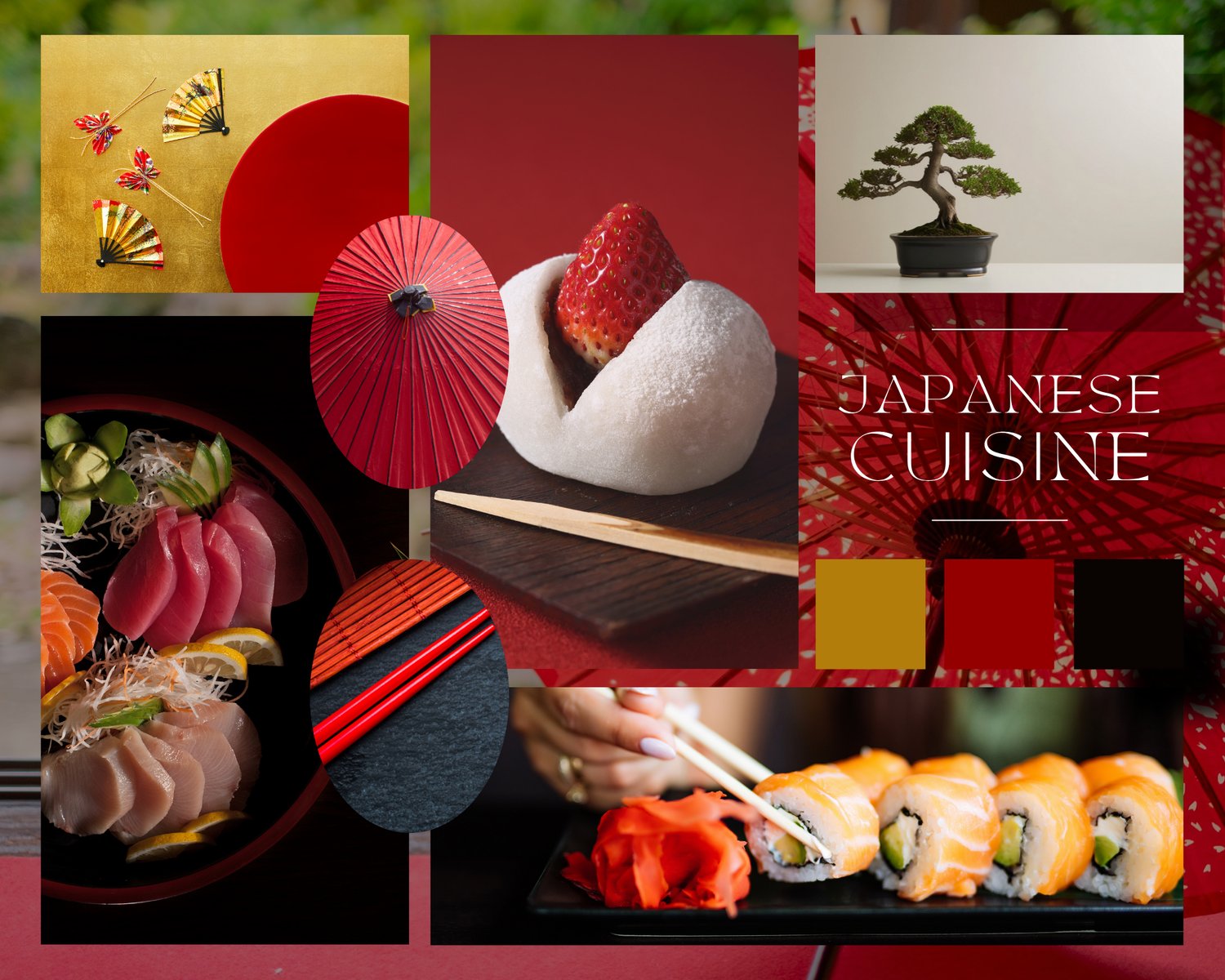
Keeping your mood board visible while you work helps you maintain consistency. Whether it is pinned to your studio wall or open on your tablet, it serves as a constant reminder of the atmosphere you are trying to create. This is especially important when shooting a series of images for a cookbook, brand, or social media campaign, where visual cohesion is essential.
Why Mood Boards Matter in Food Photography
Mood boards provide a practical tool that can strengthen your creative process. They help you clarify your vision and make more confident decisions throughout your shoot. They also streamline communication with clients, where appropriate, ensuring that everyone shares the same expectations before the camera comes out.
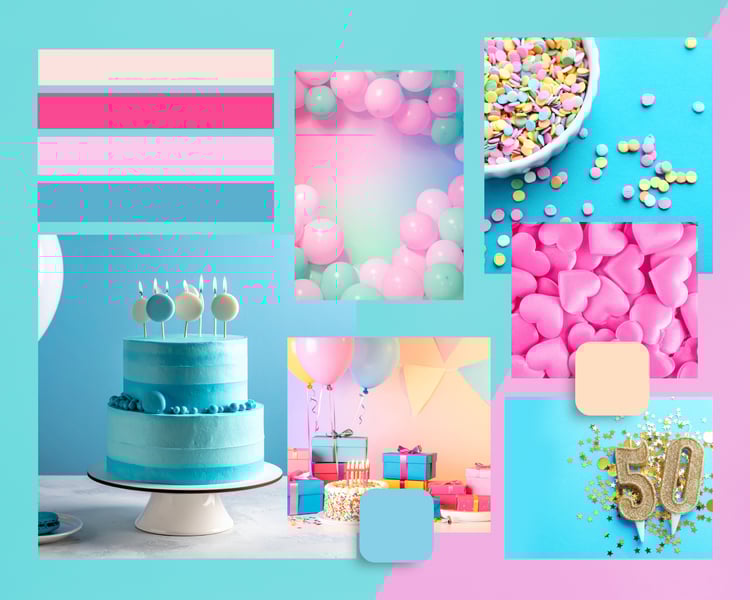
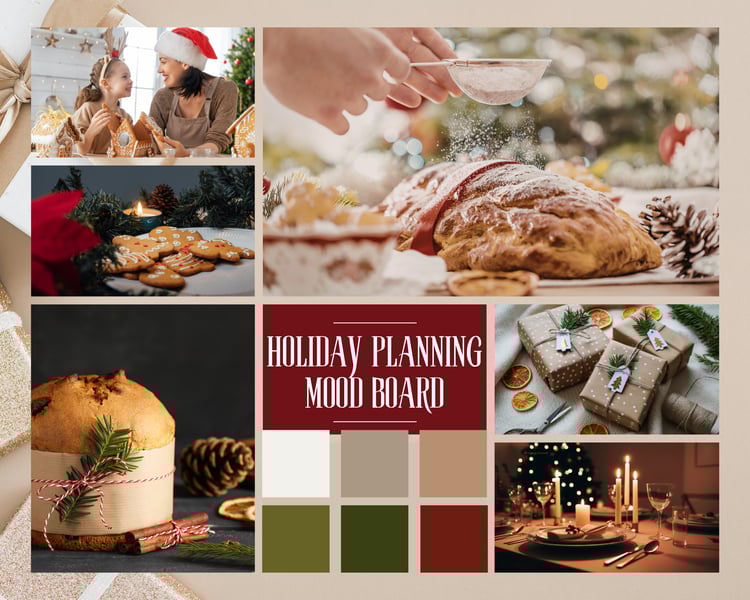
Most importantly, mood boards encourage clear planning. They push you to think about the story behind your food, the emotions you want to evoke, and the visual language that will bring your ideas to life. When used well, a mood board transforms your workflow and can elevate your food photography into a cohesive, expressive art form.
Feel free to add your comments below. I would love to hear from you,
Cheers,
Milleflore Images
To learn more:
Delicious Photography: The Ultimate Handbook - Payhip
Delicious Styling: The Ultimate Playbook - Payhip
The Delicious Photography Ultimate Styling Collection - Essential 2‑eBook Starter Pack - Payhip

Comments ()