

Introduction to 1st Lumbar Nerve
Most practitioners know the thoracolumbar junction is important. Fewer understand why — specifically, what's happening neurologically at L1 and what that means for every horse you're putting your hands on.
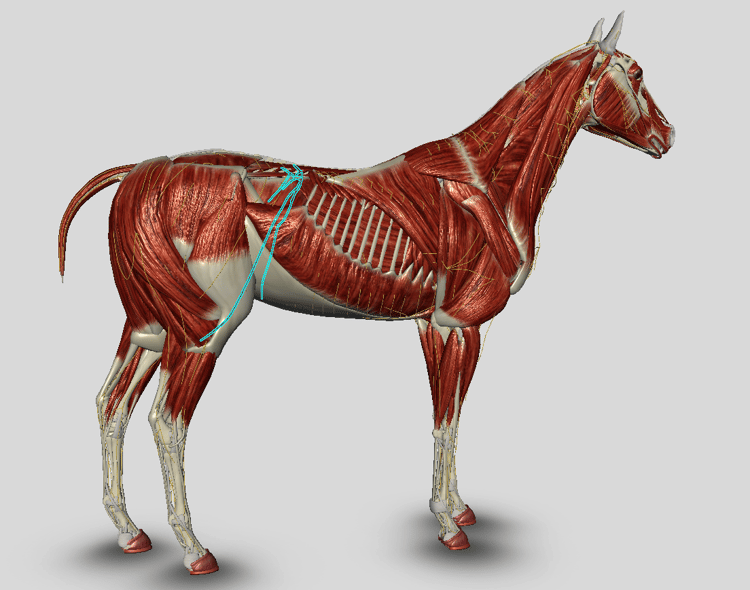
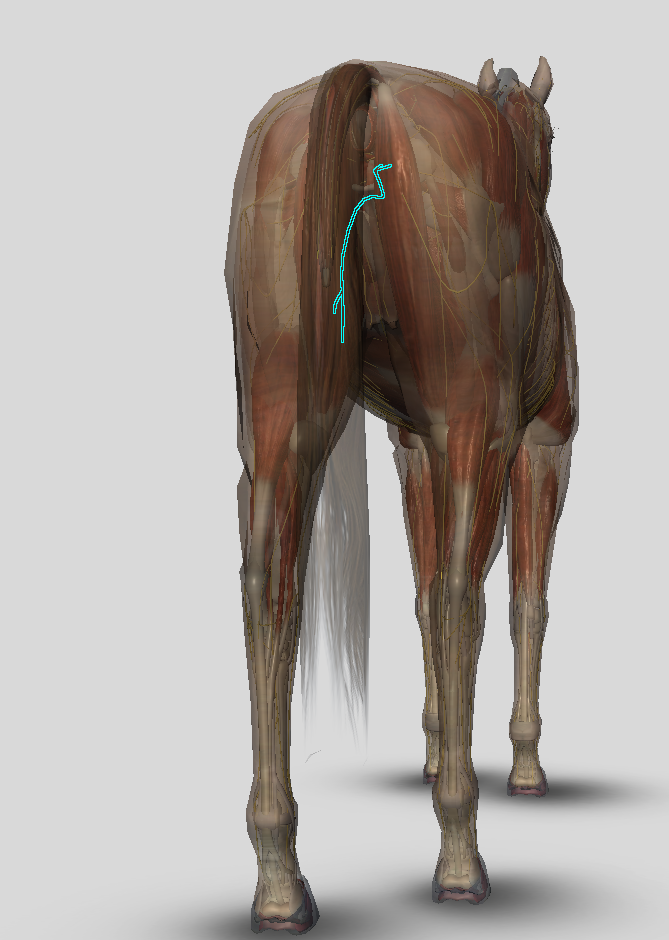
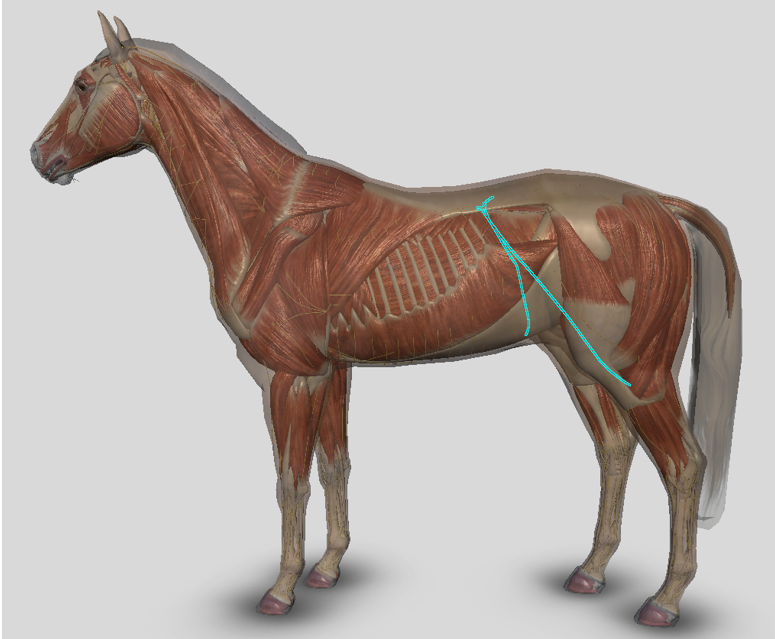
L1 is the origin of the iliohypogastric nerve. That nerve runs from the foramen, across the lateral body wall, and terminates at the ventral abdomen. When it's irritated — which it is in most horses with any degree of thoracolumbar compression — you get abdominal wall inhibition, flank hypersensitivity, and a horse that can't recruit his core no matter how much rehab work you do. You're not dealing with a weak horse. You're dealing with a horse whose nerve supply to that musculature is compromised.
This webinar covers:
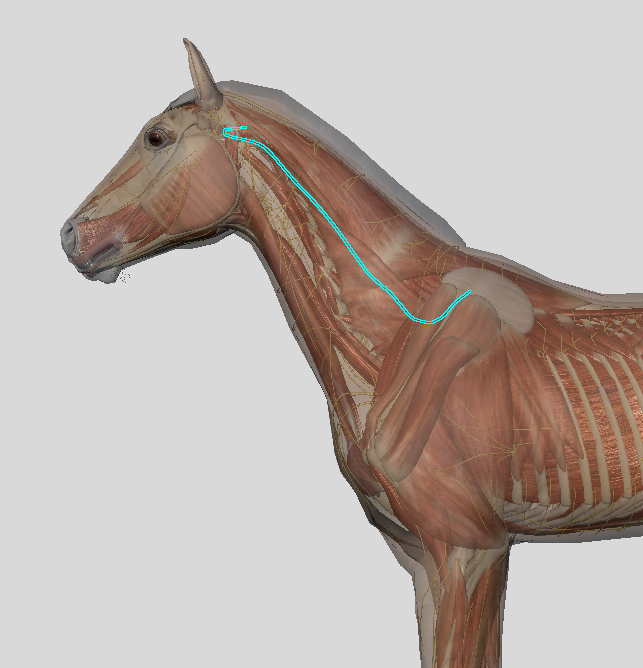
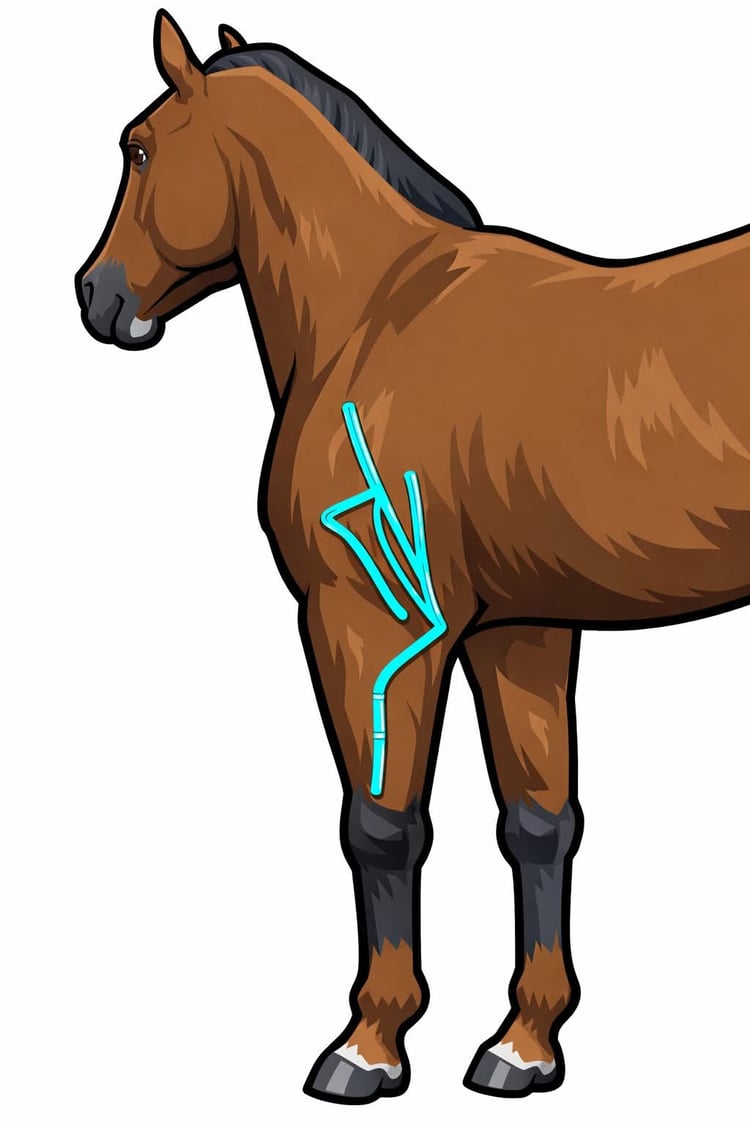
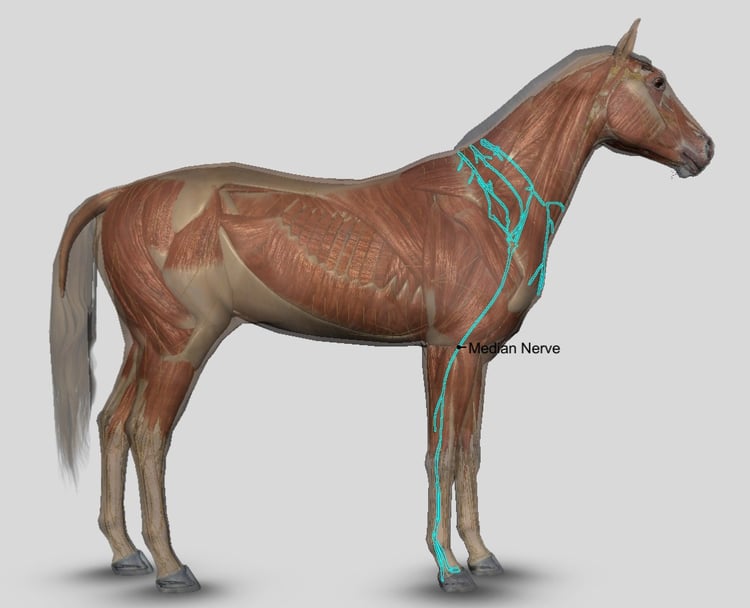
→ L1 anatomy and the iliohypogastric nerve pathway — where it goes and what it controls
→ Why abdominal inhibition is a nerve problem before it's a muscle problem
→ The bilateral hand hold technique — last rib to SI, spanning the full nerve path
→ GB 25 and BL 22 as the clinical landmarks for L1 work and why they're almost universally reactive
→ The dorsoventral release pairing and how to use it
→ Where L1 fits in the broader thoracolumbar cascade
This is foundational. If you're working on backs, pelvises, stifles, or abdominals and you're not starting here, you're starting in the middle.
There is a handout for 1 technique to help calm the pattern.
A second file with the link to the video.