
Trunk Transfer - L1 Intensive EME - Sept 12, 19, 26, 2026
Three people are standing around the same horse having three different conversations. The owner can't clean his hooves. The trainer can't get him to lift his back — or get him to move forward without nagging every stride. The farrier can't get him to hold a hind leg still. Nobody's wrong. Nobody's talking to each other. And nobody's looking at L1.
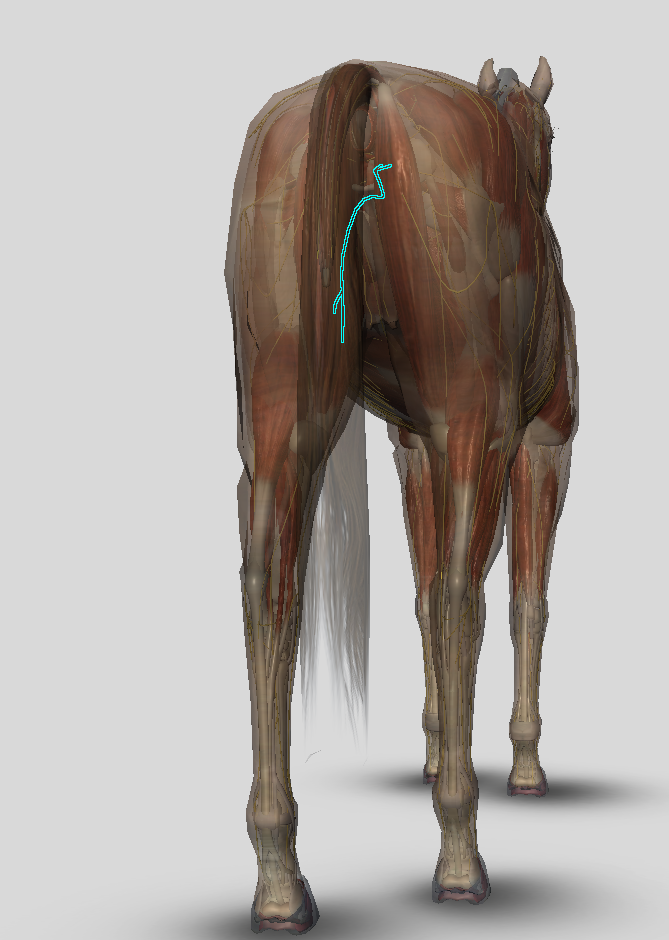
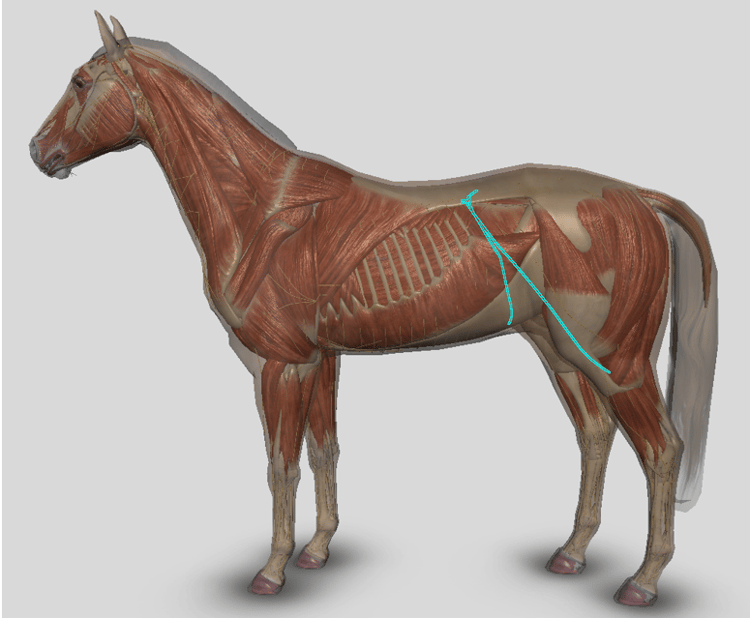
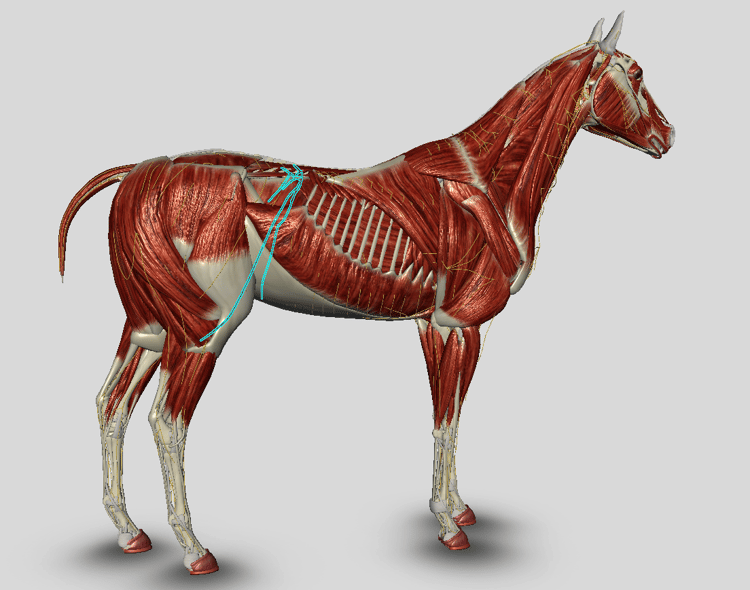
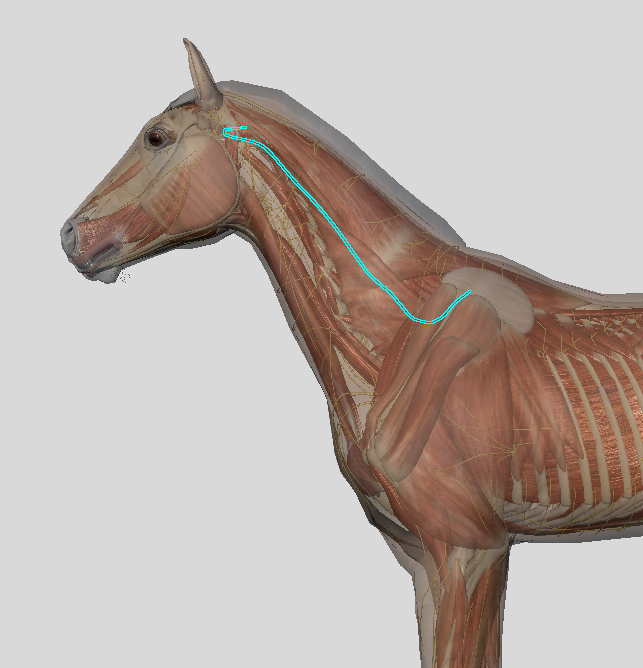
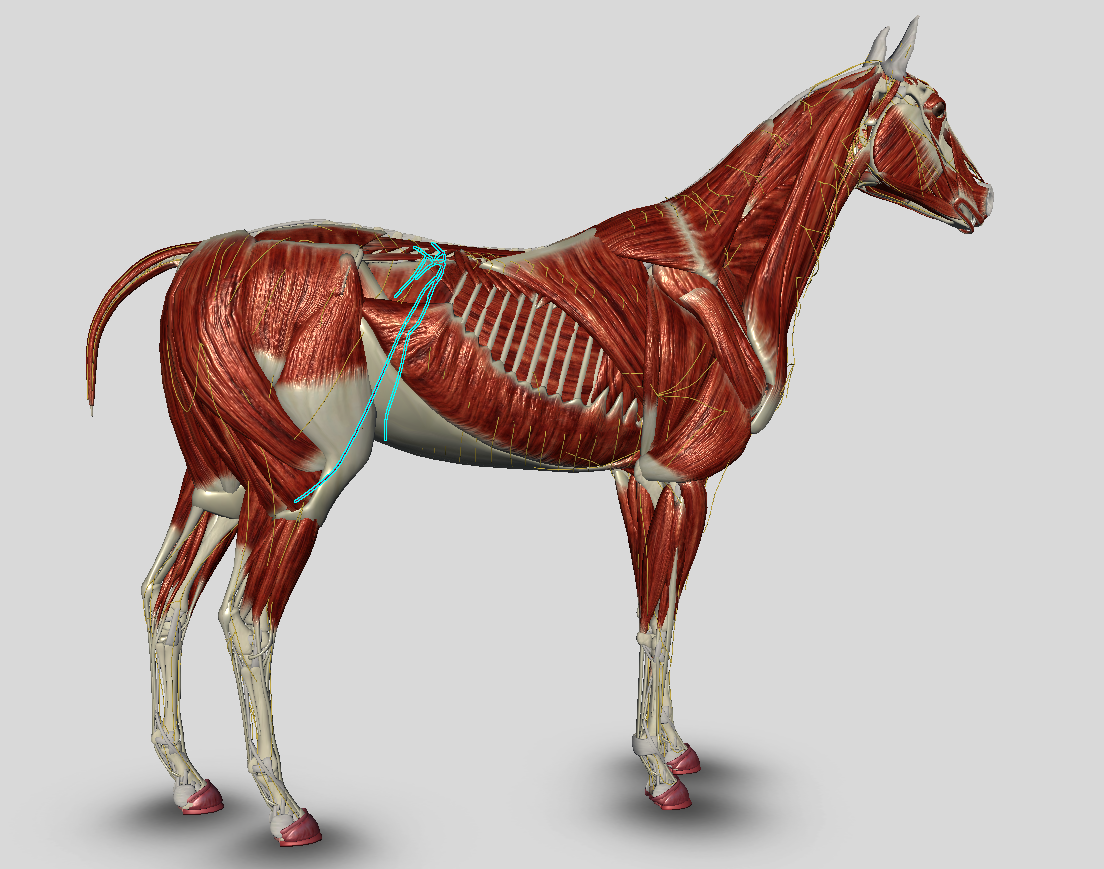
One nerve root, two rami, two jobs. Dorsally, L1 drives the muscles that lift and engage the back. Ventrally, it drives the core stabilization that lets a horse hold weight on three legs, and the hip flexion that drives him forward under saddle. Compress the root and all of it goes quiet at once — not because the horse is stubborn, dull, or hind-end weak, but because the wiring that would tell those muscles to fire isn't getting through.
This is not a technique class. It's a diagnostic reframe. Three sessions, one nerve root, and every behavioral label you've been handed — girthy, lazy, difficult, dull off the leg — traced back to a single foraminal address.
This class is broken into 3 sessions over 3 days to give you a chance to really understand the information. Each session will be about 1.5-2 hours. I'll be covering a lot of information and it can be overwhelming.
Sept. 12 Session 1 — The Ventral Signal: Hoof Handling, Forward Movement, and Three-Leg Stance
Why a horse that "won't hold his foot up" and a horse that's "dead to the leg" are the same core stability problem, not a manners problem. L1's ventral ramus, ventral core and hip flexor recruitment, and why the farrier fight and the nagging-leg ride are the same nerve conversation wearing two different behavior costumes.
Sept. 19 Session 2 — The Dorsal Signal: The Back That Won't Lift
Why "needs more topline work" doesn't fix a horse that isn't receiving the signal to lift in the first place. L1's dorsal ramus, epaxial recruitment, and the difference between a weak back and a quiet one.
Sept. 26 Session 3 — The Elephant: Putting the Cascade Together
One root, two rami, four complaints, one horse. How to recognize the pattern across disciplines, why treating each complaint separately fails, and what clearing L1 actually changes — and doesn't — depending on how long the compensation has had to migrate.