
Regenerative Biology: Understanding Life’s Capacity to Repair, Restore, and Reimagine
Regenerative biology is the study of life’s capacity to restore itself, a field that bridges cellular plasticity, developmental choreography, and evolutionary ingenuity. From wound healing to whole-organ renewal, regeneration reveals how organisms respond to injury not with collapse, but with creativity. It is a dynamic system of repair, resilience, and re-patterning, where stem cells, signalling molecules, and microenvironmental cues collaborate to rebuild form and function.
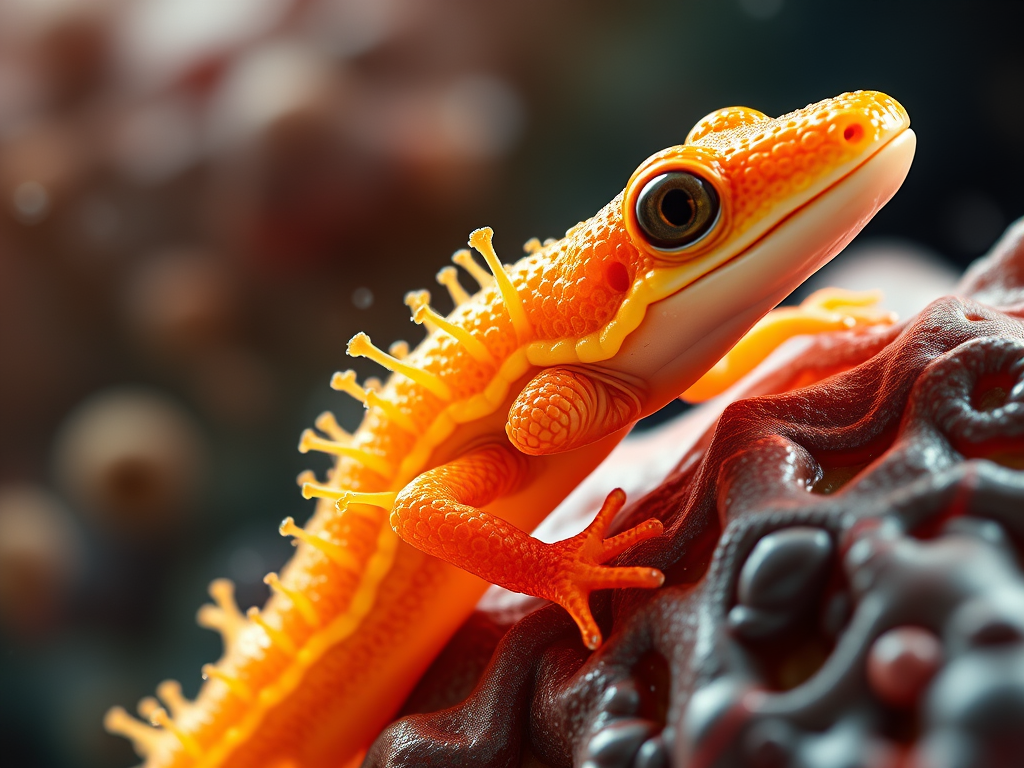
This framework invites developmental biologists, bioengineers, and interdisciplinary educators to explore regeneration as both a mechanistic and metaphorical inquiry. It traces the principles of cellular flexibility, tissue coordination, and systemic integration, while examining species-specific strategies, from planarian body regrowth to salamander limb regeneration. It also foregrounds therapeutic applications, ethical considerations, and speculative futures where human regeneration may reshape medicine, identity, and societal priorities.
Structured across ten iterative steps, the guide scaffolds foundational knowledge, interactive modelling, and reflective engagement. It encourages learners to consider regeneration not just as repair, but as a relational process, where cells, tissues, and values converge to restore wholeness.
For those committed to inclusive design, adaptive care, and legacy-building, this resource affirms that regenerative biology is not just about healing; it is about reimagining possibility, pacing transformation, and honouring the wisdom of renewal.
Each Spiralmore download comes with a personal-use license. Please honour its creative integrity by not redistributing, republishing, or sharing content without explicit permission.