
A prospective legal client rarely visits a firm’s website in a neutral state. They may be uncertain, pressed for time, protecting a business, or facing a personal situation they never expected. The website’s first responsibility is not to impress th...
Read More
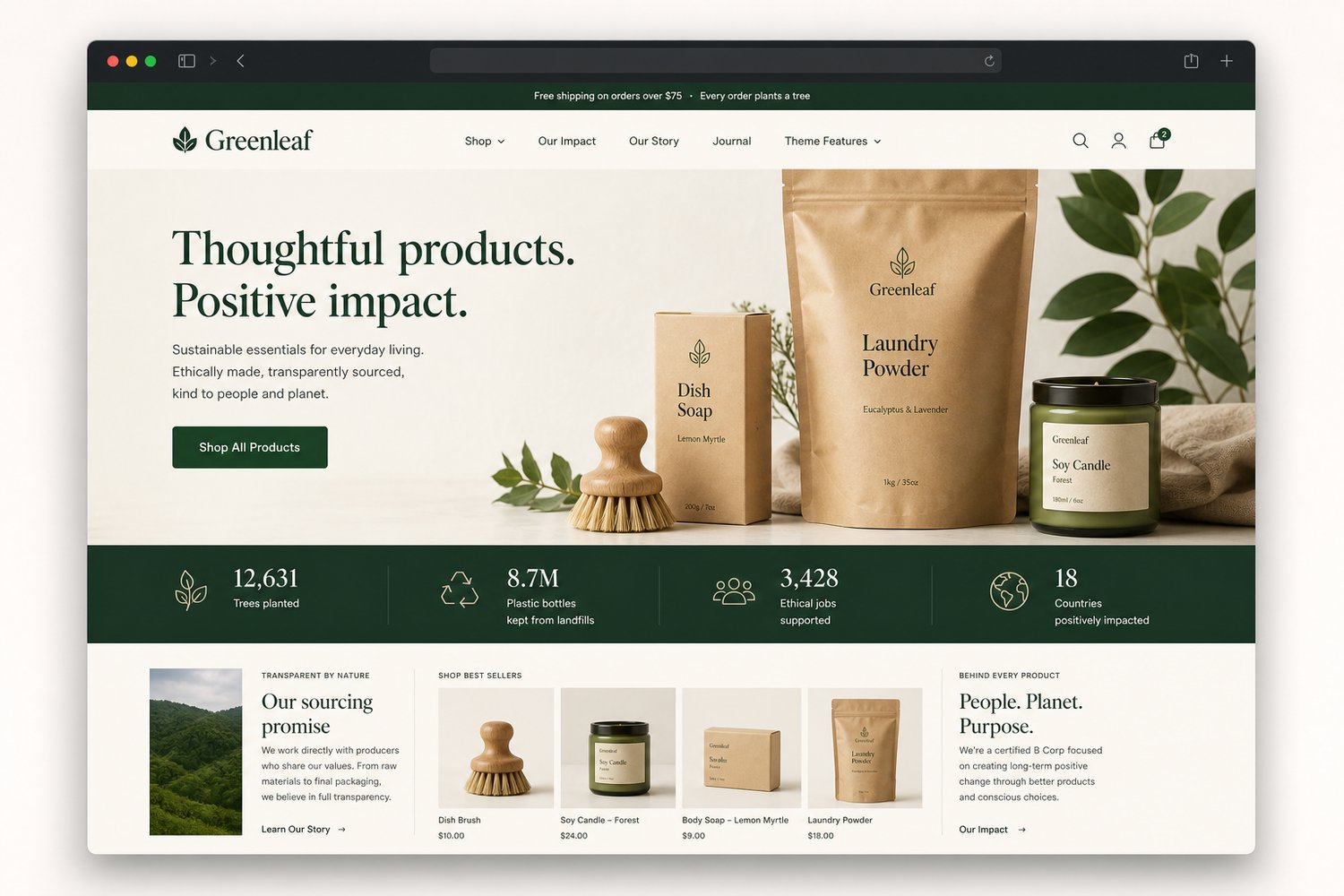
A green palette can signal nature in a fraction of a second. It cannot prove a responsible supply chain, explain a material choice, or show what happens at the end of a product’s life. For sustainable brands, visual language creates the invitation; ...
Read More
A polished course page can sell a confusing learning experience. Strong testimonials and beautiful lesson thumbnails may create momentum, but students stay motivated only when they understand where they are going and why each step matters. The learn...
Read More
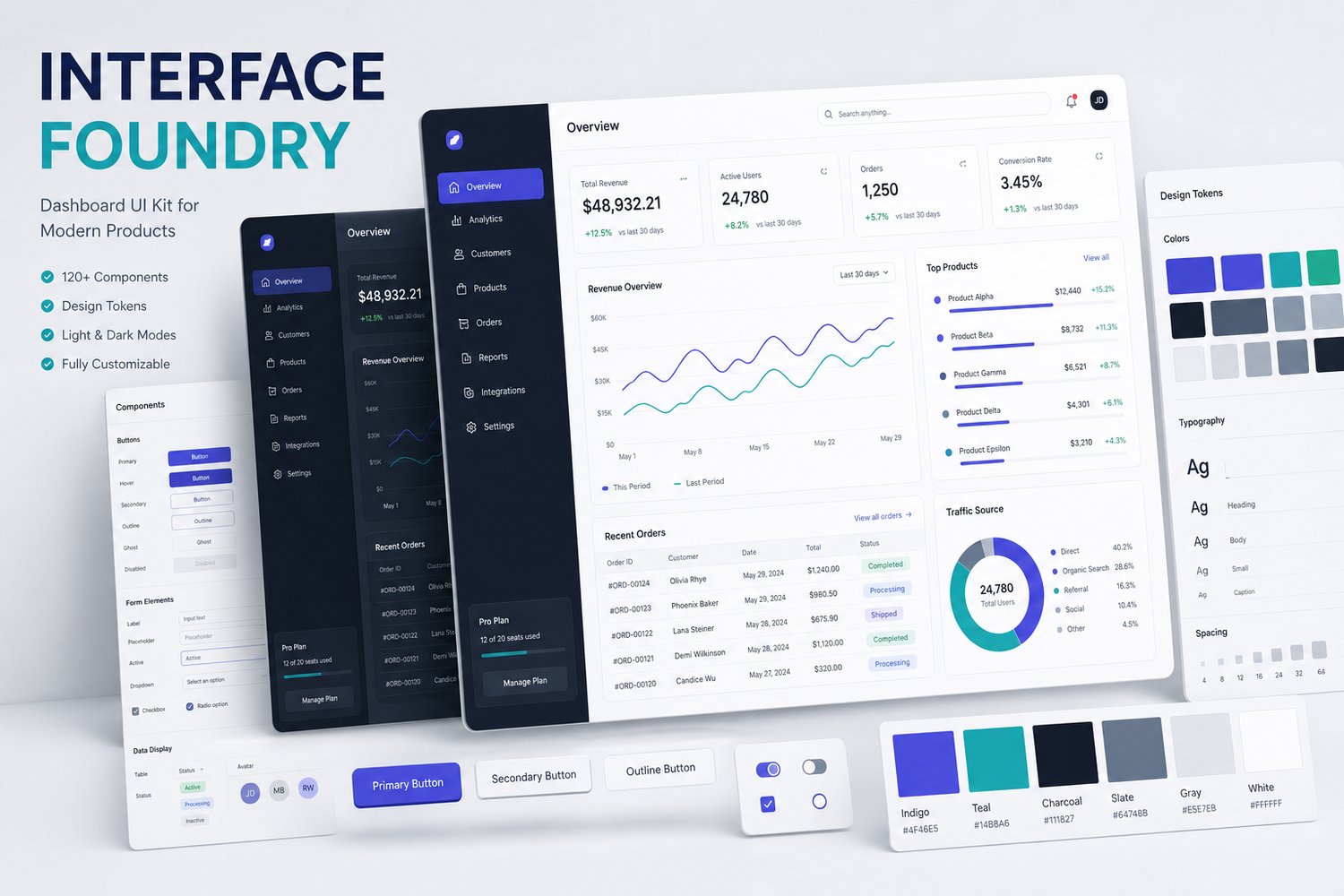
A dashboard can display everything and still explain nothing. The screen fills with metrics, cards, filters, charts, alerts, and navigation until all information appears equally urgent. The problem is rarely a lack of components. It is a lack of edi...
Read More
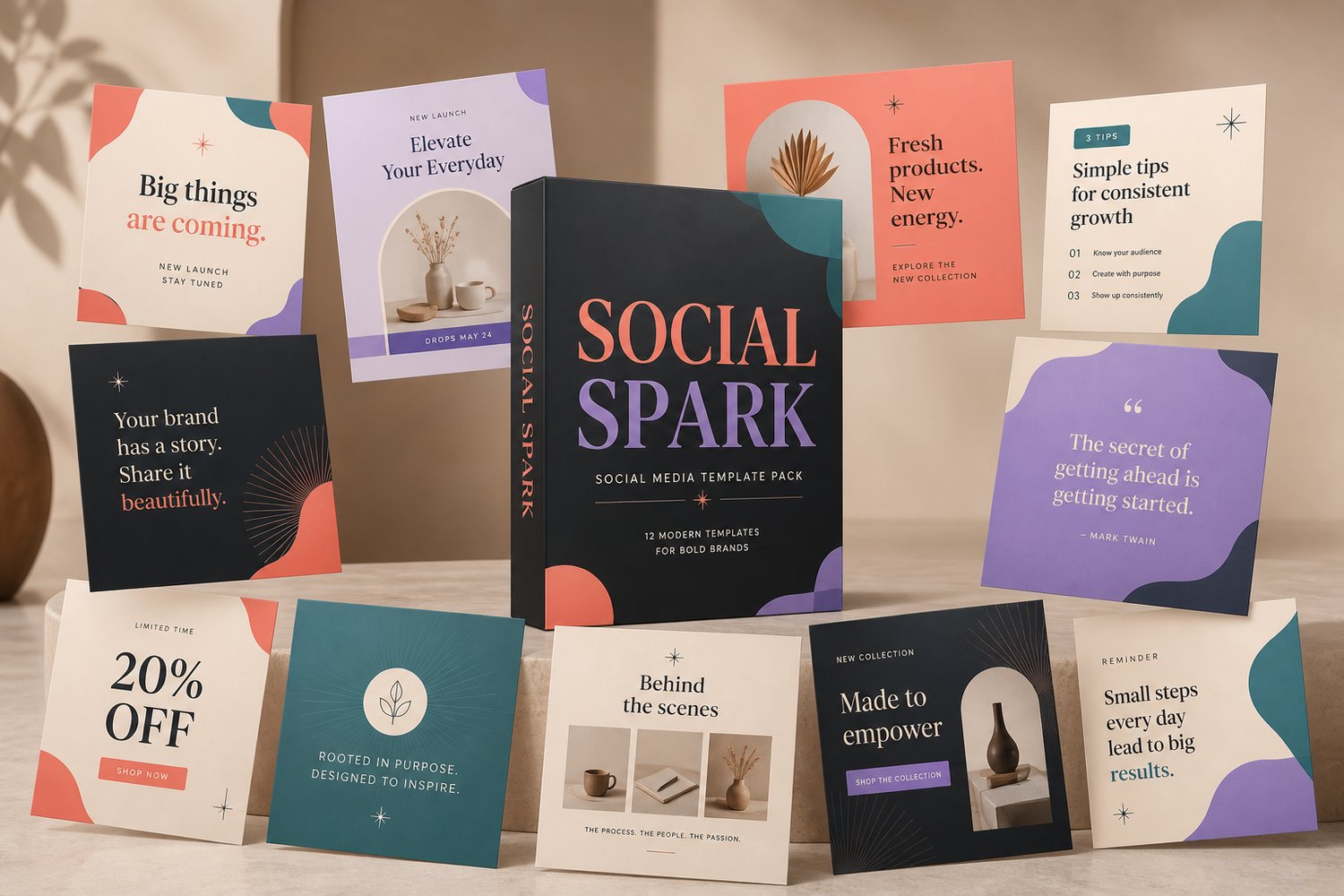
Consistency on social media is often mistaken for repetition. Brands choose one layout, replace the photograph, and publish it until the feed feels less like a story than a stack of labels. Real consistency is rhythmic: recognizable elements return,...
Read More
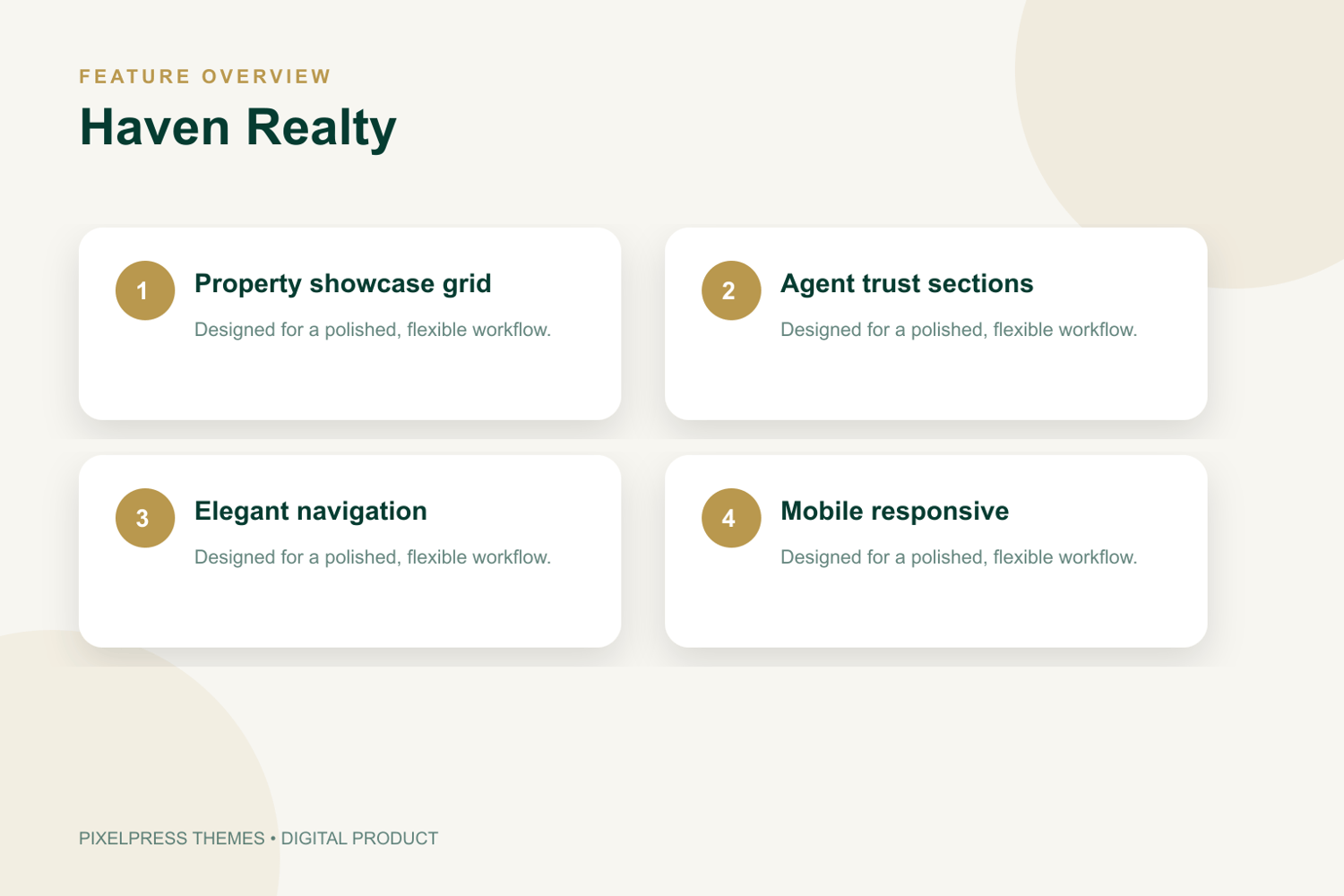
Property websites are full of features: search, filters, galleries, maps, inquiry forms. Buyers and sellers evaluate something more fundamental beneath all of them—whether the people behind the screen can be trusted with a decision that is financial...
Read More
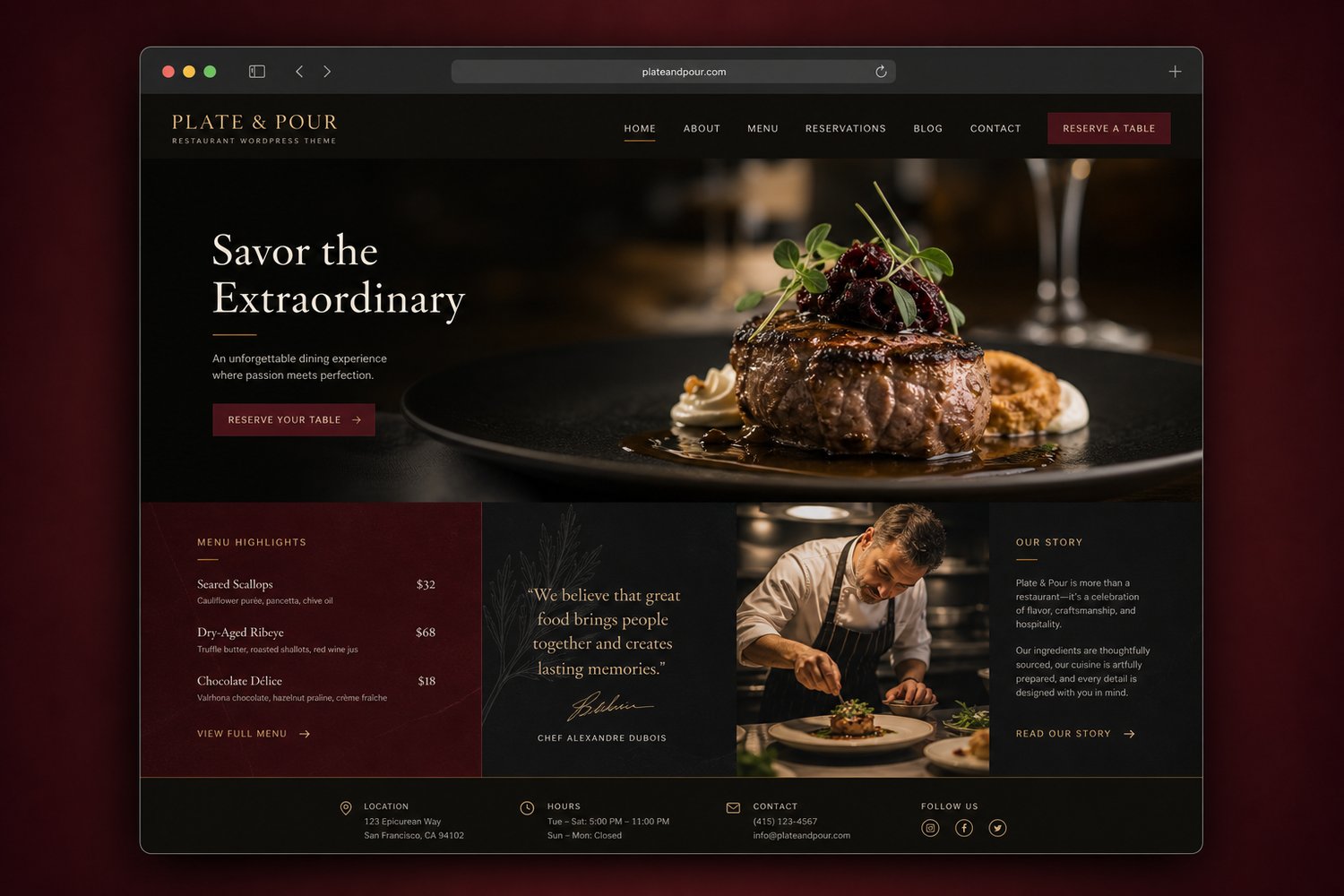
A guest begins forming an opinion long before arriving at the table. They notice the confidence of the reservation flow, the quality of the menu language, the light in the photography, and whether the address is effortless to find. The website is no...
Read More
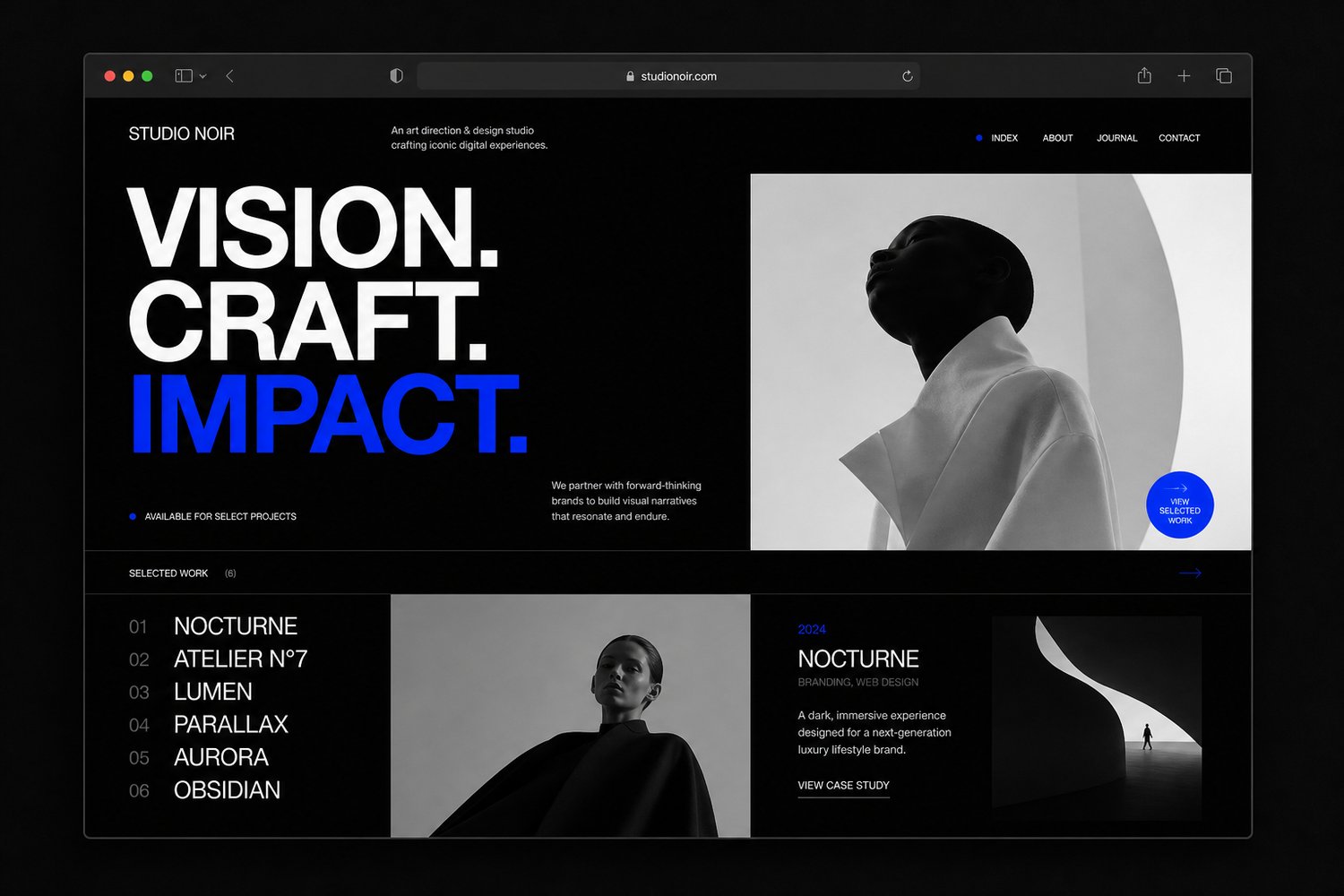
Creative portfolios often fail because they try to preserve everything. Every experiment, client revision, student project, and recent commission receives a place. The result may be complete, but it is rarely convincing. A portfolio is not an archiv...
Read More
Wellness design has developed a familiar vocabulary: pale green, rounded leaves, sunrise photography, and promises to become your best self. None of these elements is inherently wrong. The problem begins when they replace a real point of view. Calm ...
Read More
A handmade product arrives with evidence of a person: a stitched edge, a glaze variation, the grain of wood, the memory of a material. Yet many online shops place those objects inside interfaces that feel mass-produced. The result is a strange misma...
Read More
The internet does not need another paragraph announcing that a city has something for everyone. It needs the blue hour reflected in a bakery window, the bus route that changed your sense of distance, the museum bench where you finally stopped rushin...
Read More
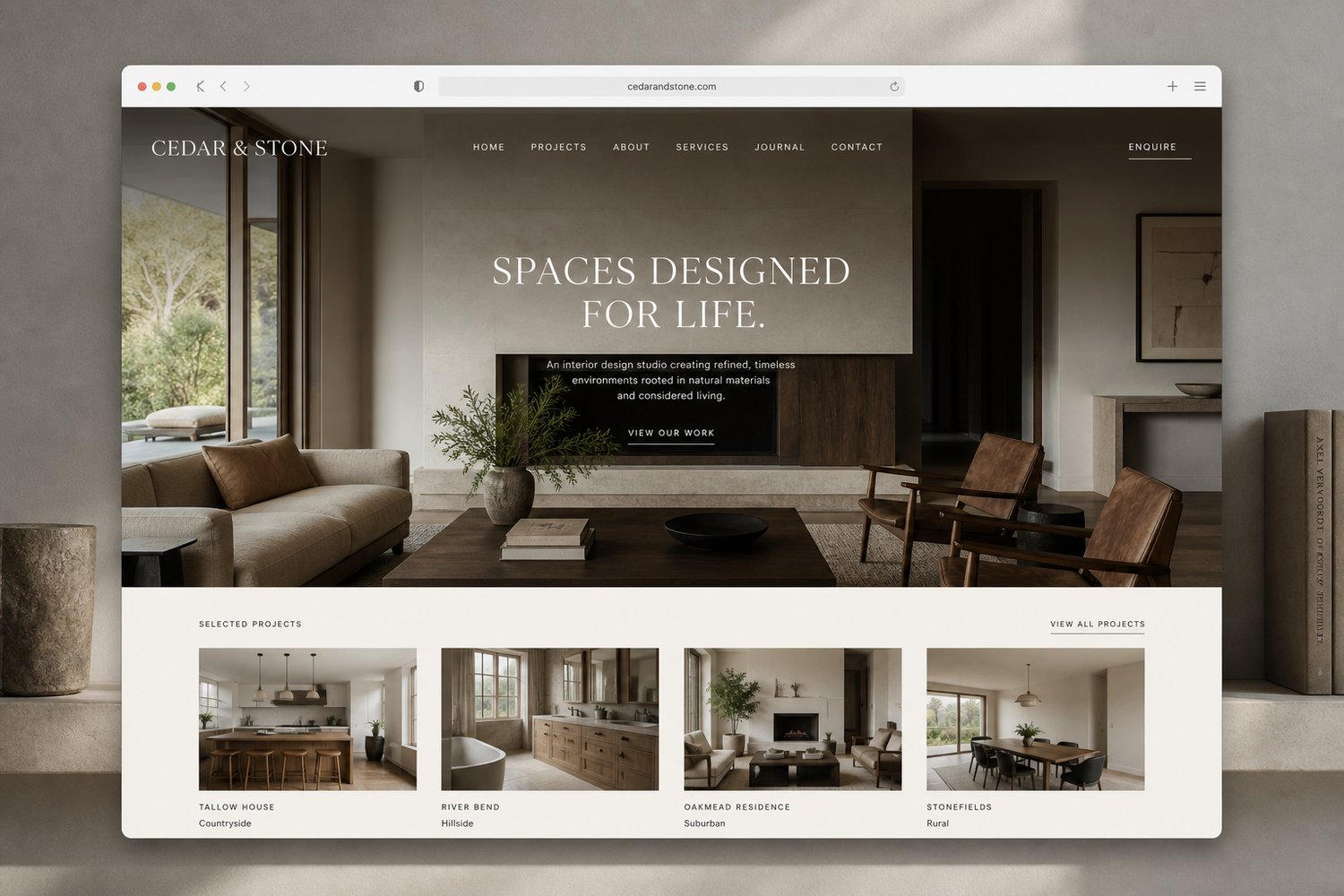
An interior studio sells more than rooms. It sells judgment—the ability to notice proportion, edit excess, and make materials live together. A website for that studio should demonstrate the same judgment before it describes it. Digital calm is not b...
Read More
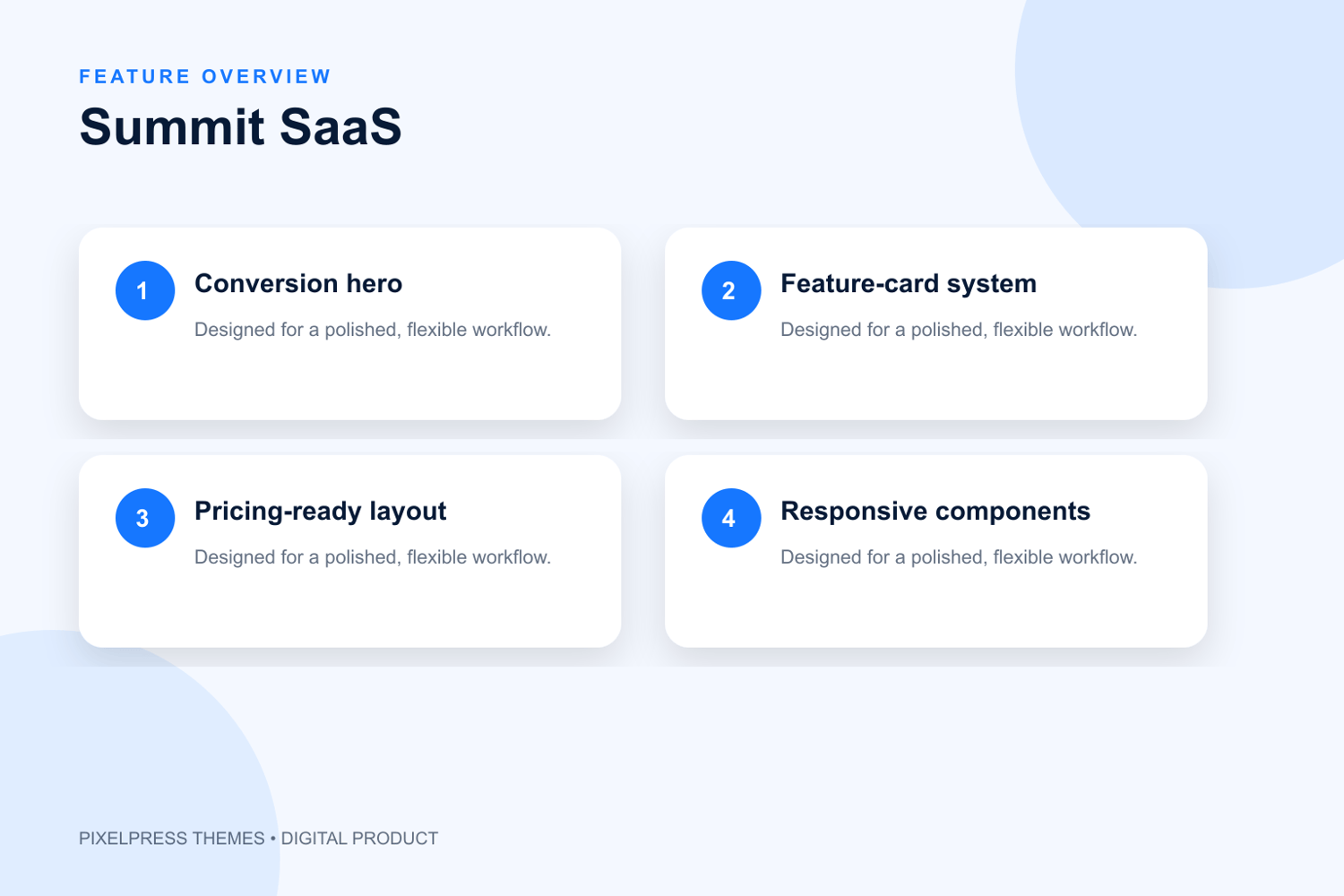
SaaS homepages often begin with a list of everything the product can do. Visitors, however, arrive with a much smaller question: Is this for a problem I recognize? Until that question is answered, feature grids, integrations, and pricing tables are ...
Read More
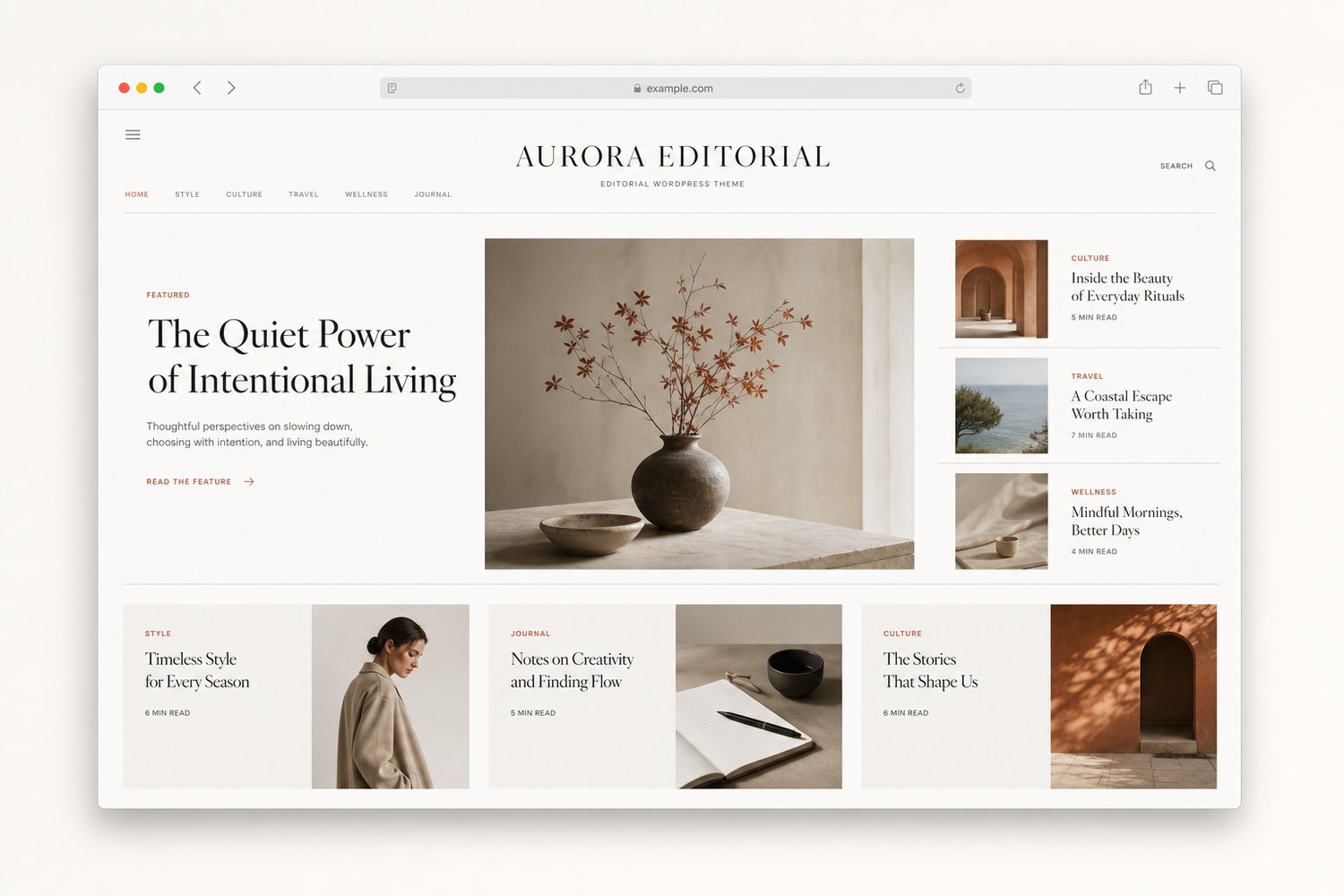
Some websites ask to be scanned. Editorial websites ask to be entered. The distinction is subtle, but it changes everything: the pace of a headline, the width of a paragraph, the silence between two stories, even the point at which an image interrup...
Read More