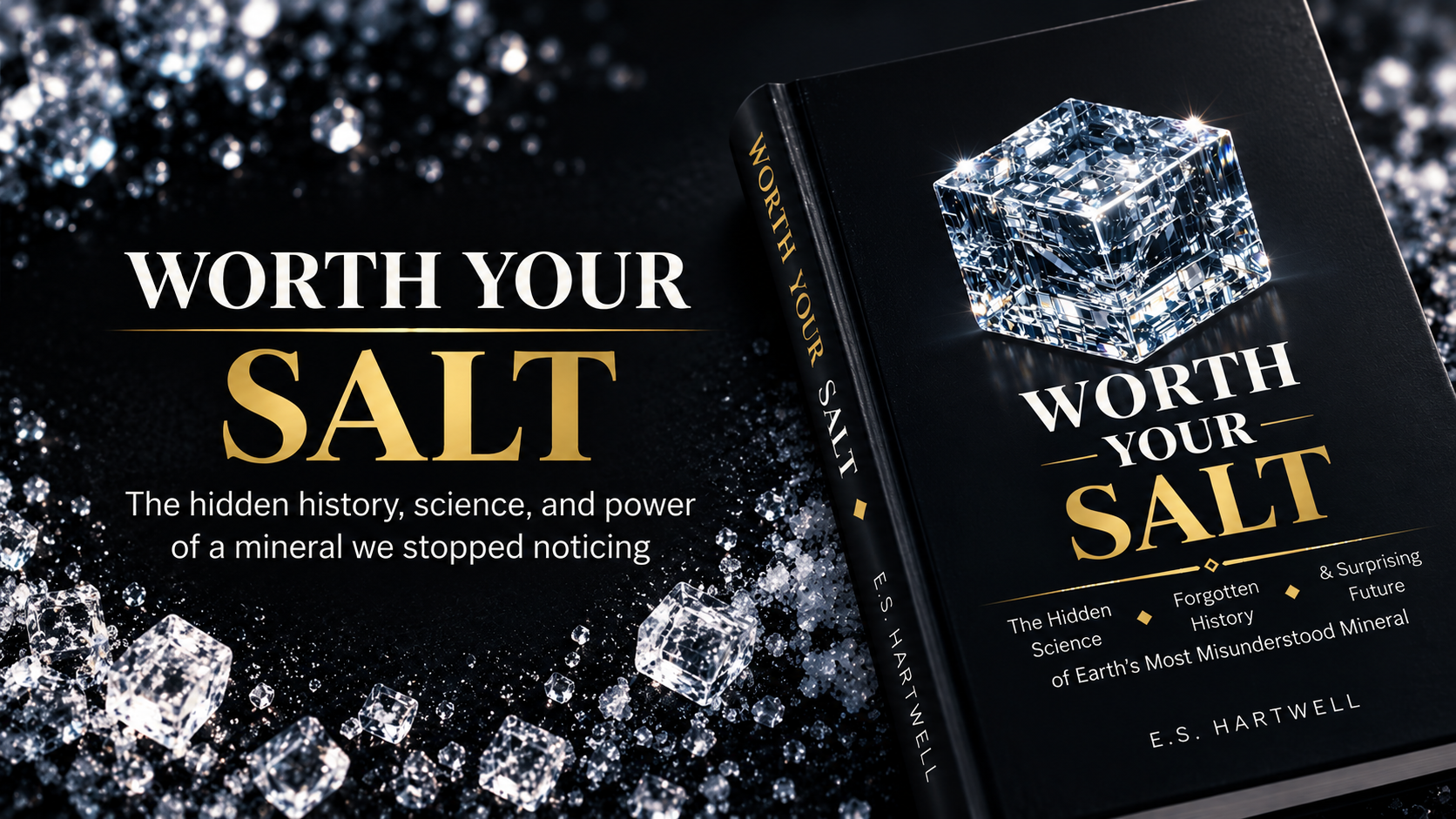
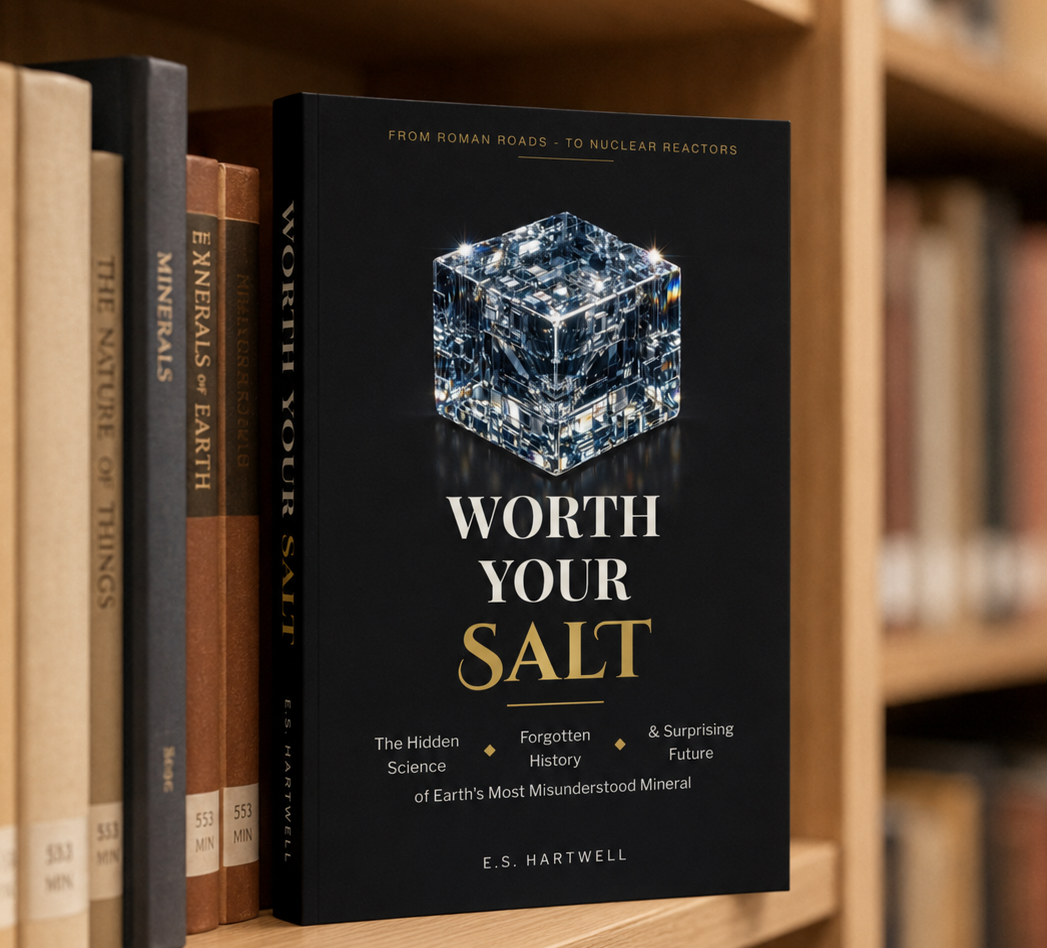
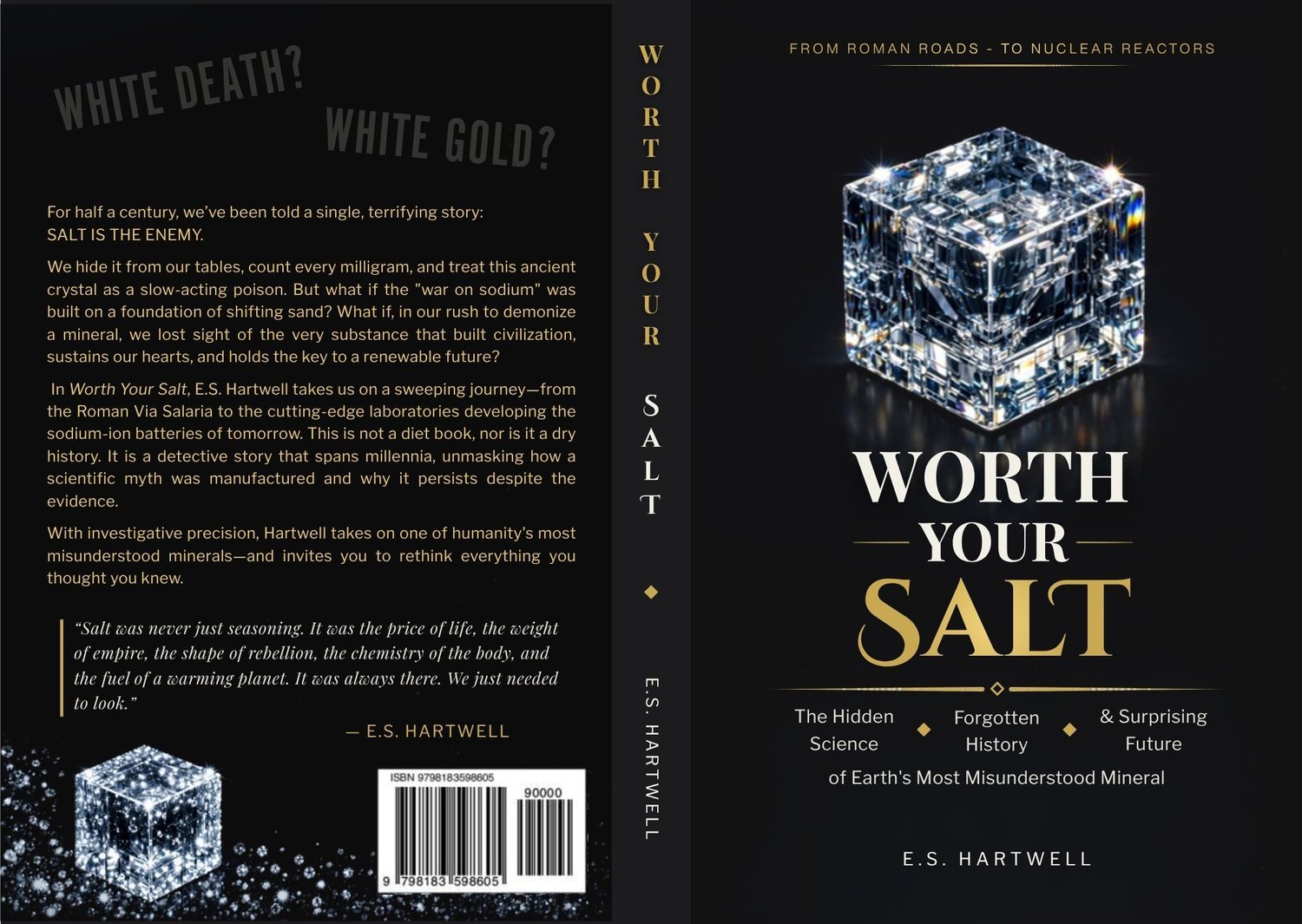
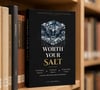
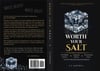
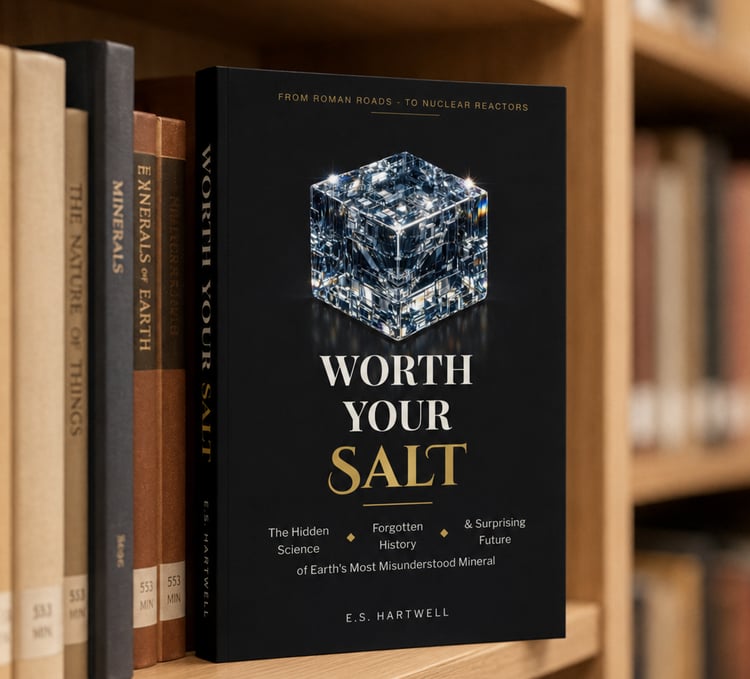
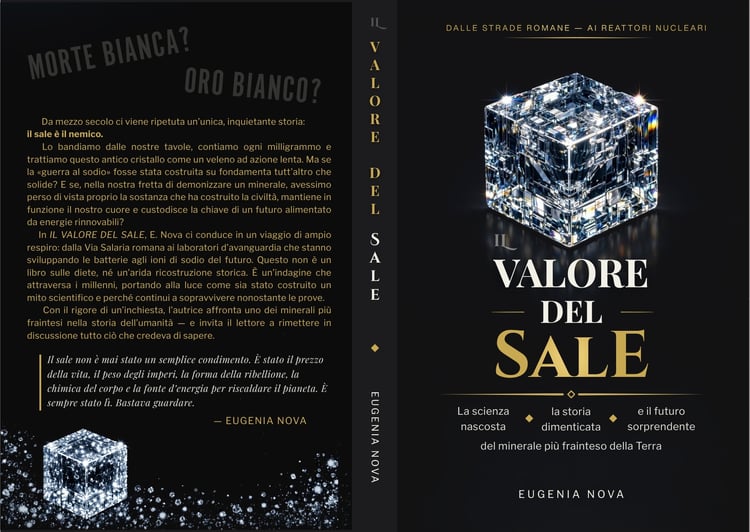
WORTH YOUR SALT - The Hidden Science, Forgotten History, and Surprising Future of Earth's Most Misunderstood Mineral
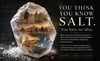
You use salt every day. But almost everything you know about it is incomplete.
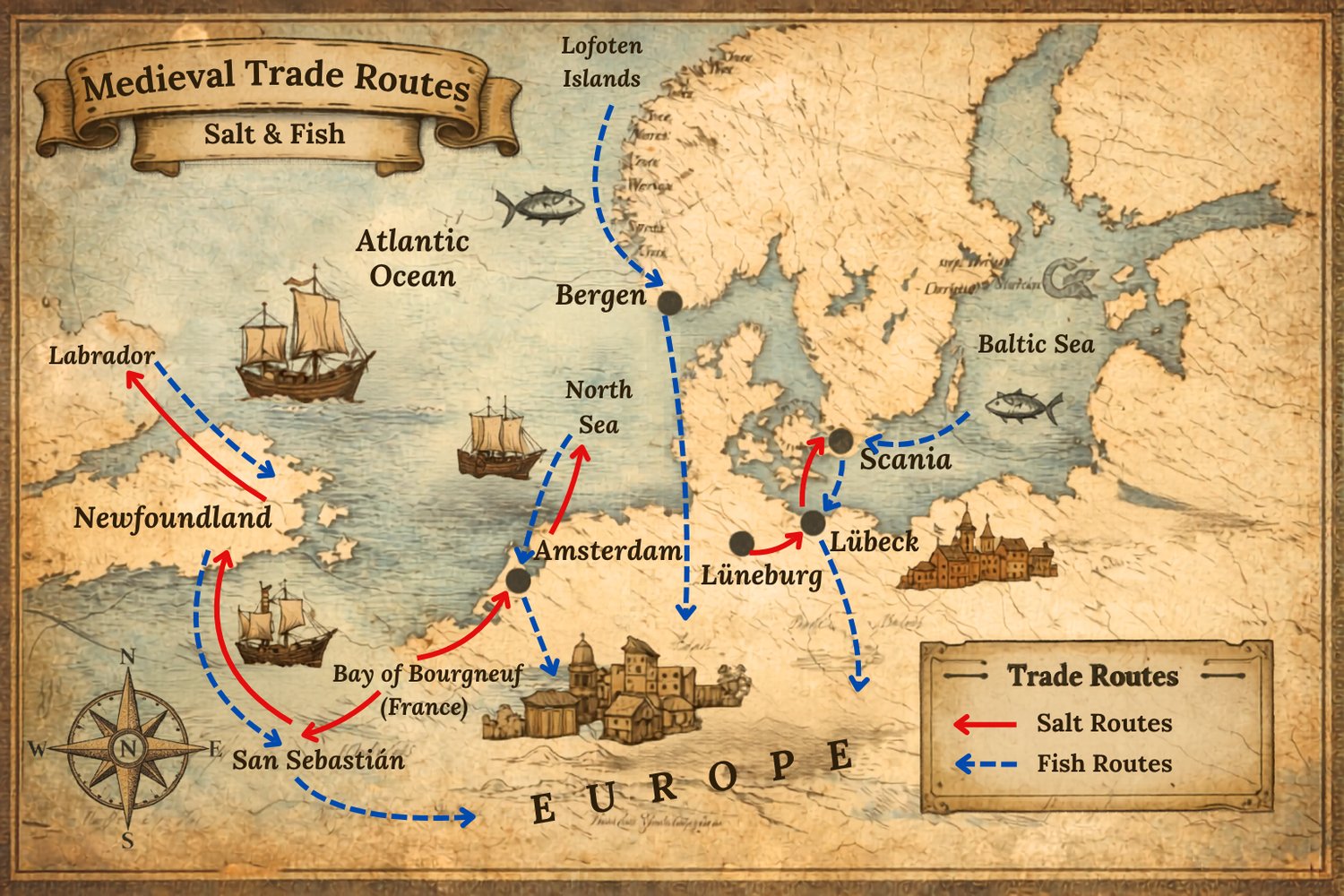
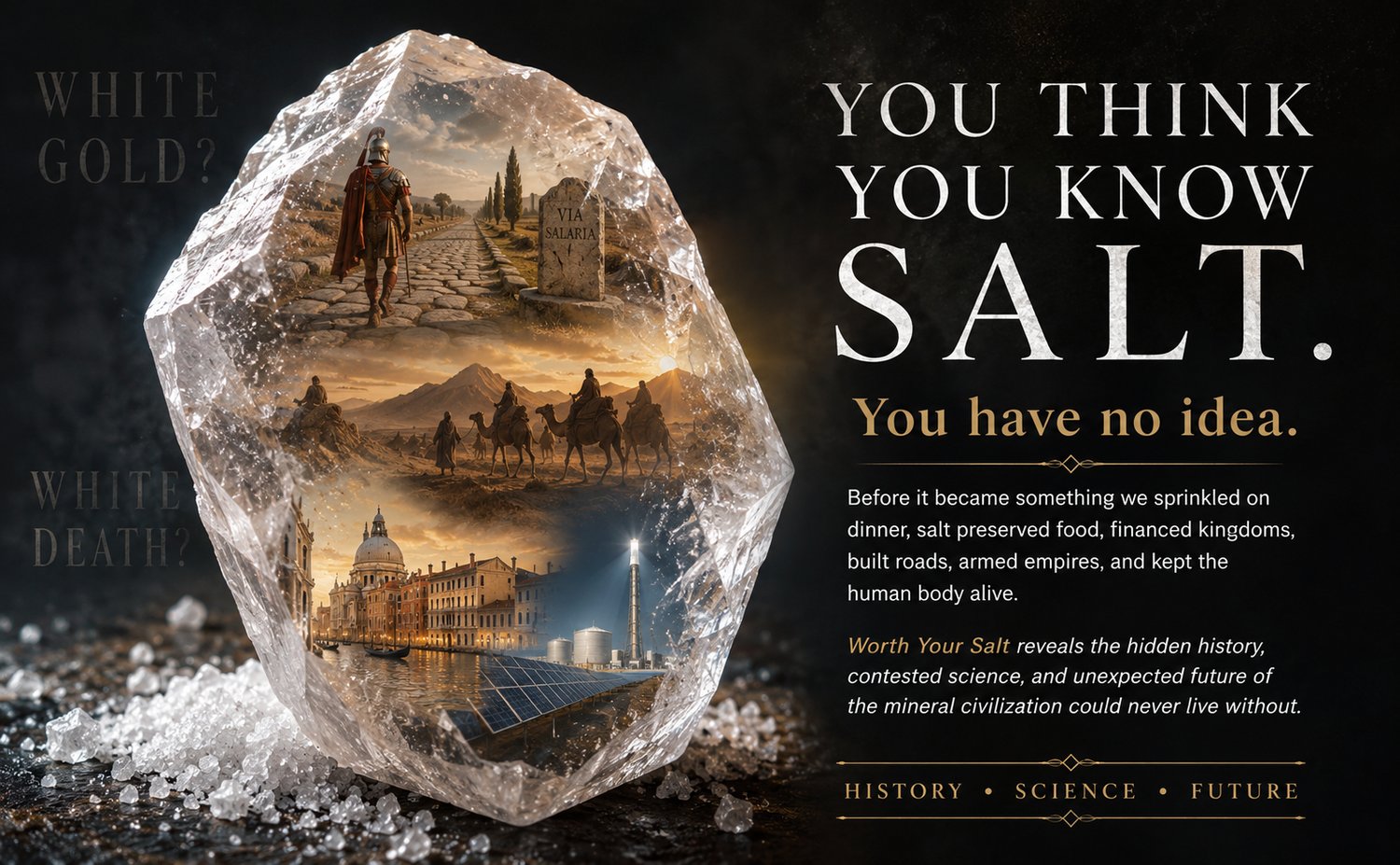
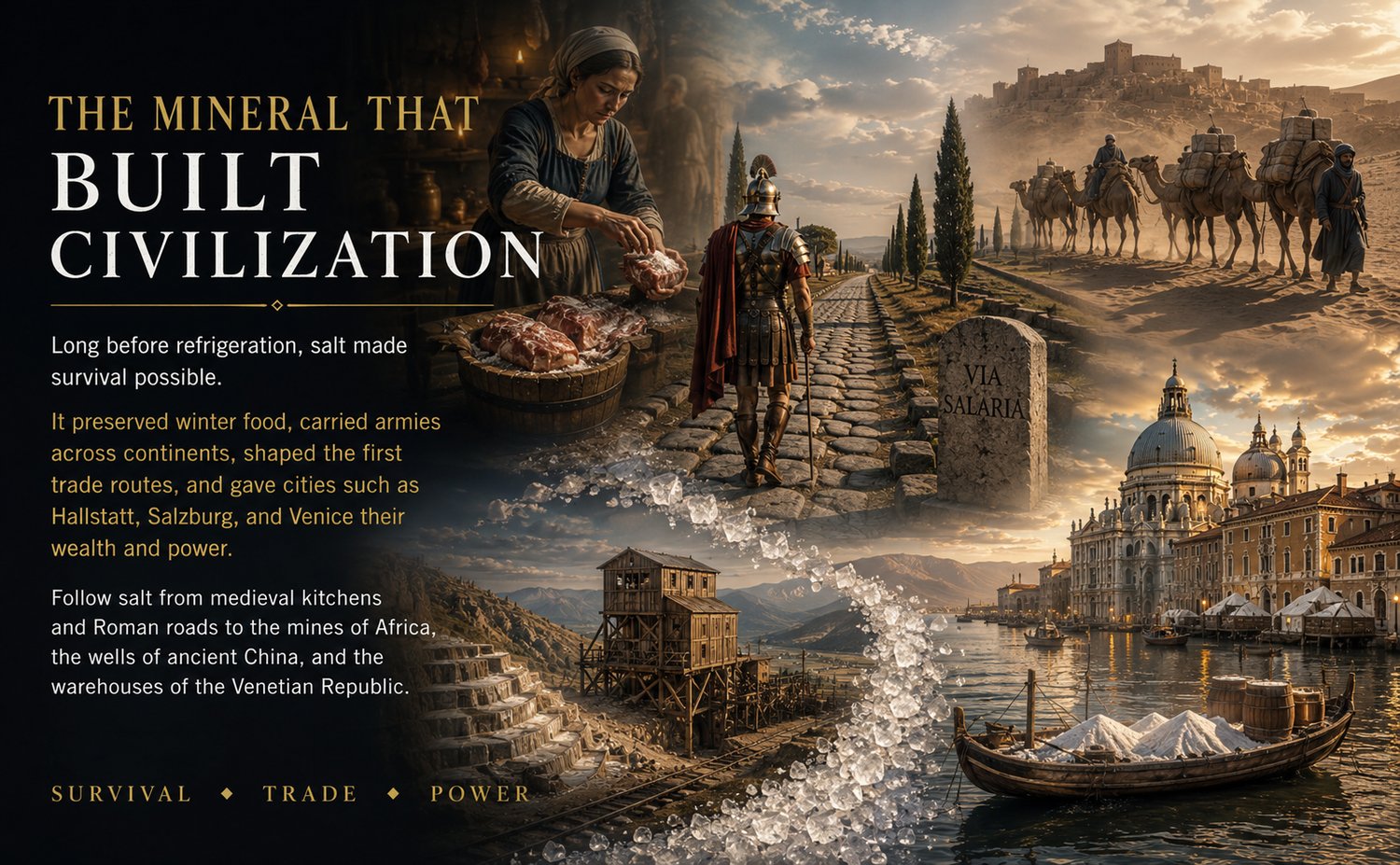
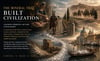
Before refrigeration, salt kept entire populations alive. It preserved food, opened trade routes, financed governments, built cities, and helped determine which empires prospered—and which collapsed.
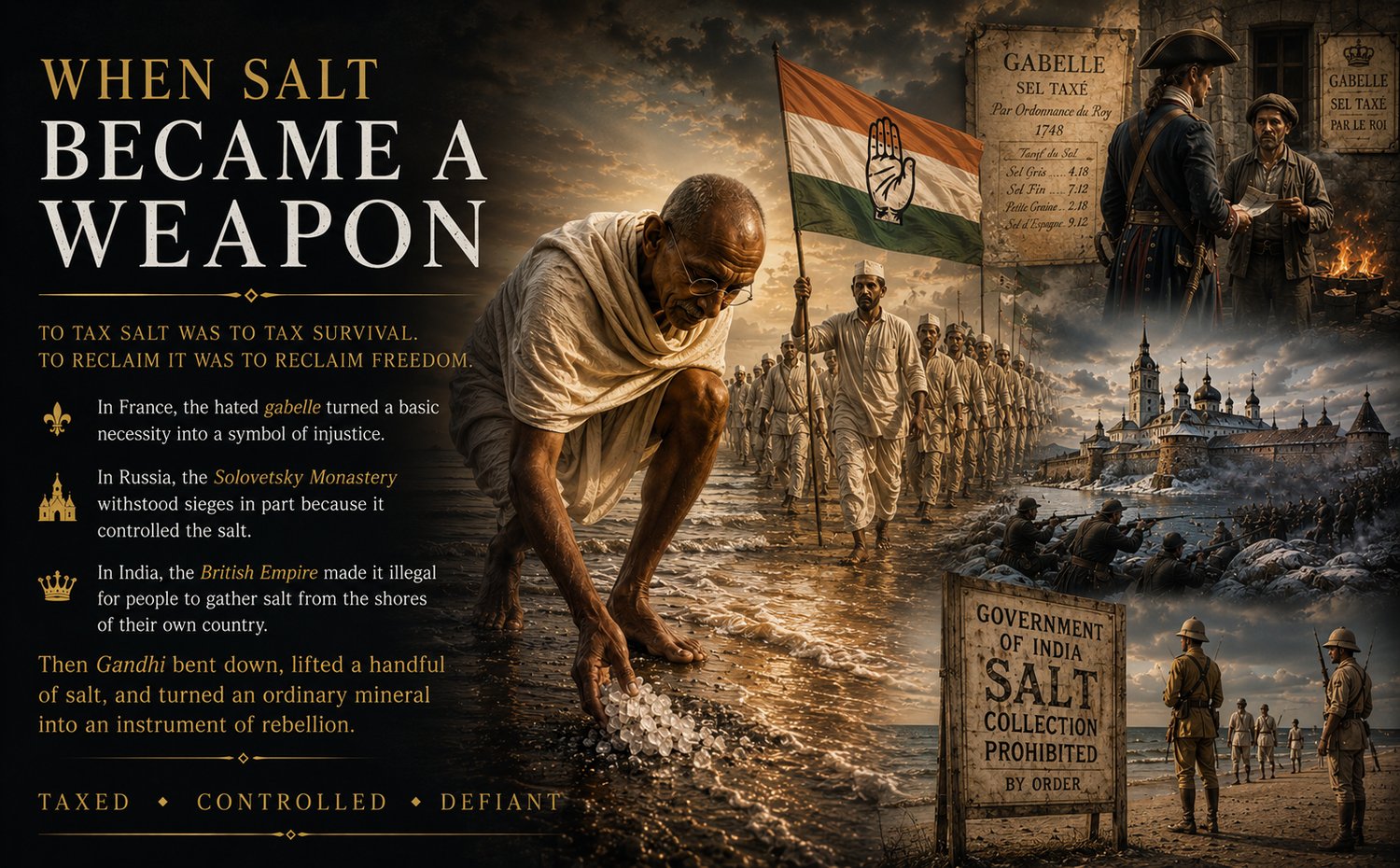
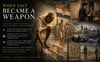
It was carried across the Sahara in slabs worth their weight in gold. Venice turned it into a weapon of economic domination. French families risked prison and the galleys to smuggle it. Gandhi picked up a handful from an Indian beach and transformed an ordinary mineral into a symbol powerful enough to challenge the British Empire.
Then, in the twentieth century, salt acquired a new identity:
Villain.
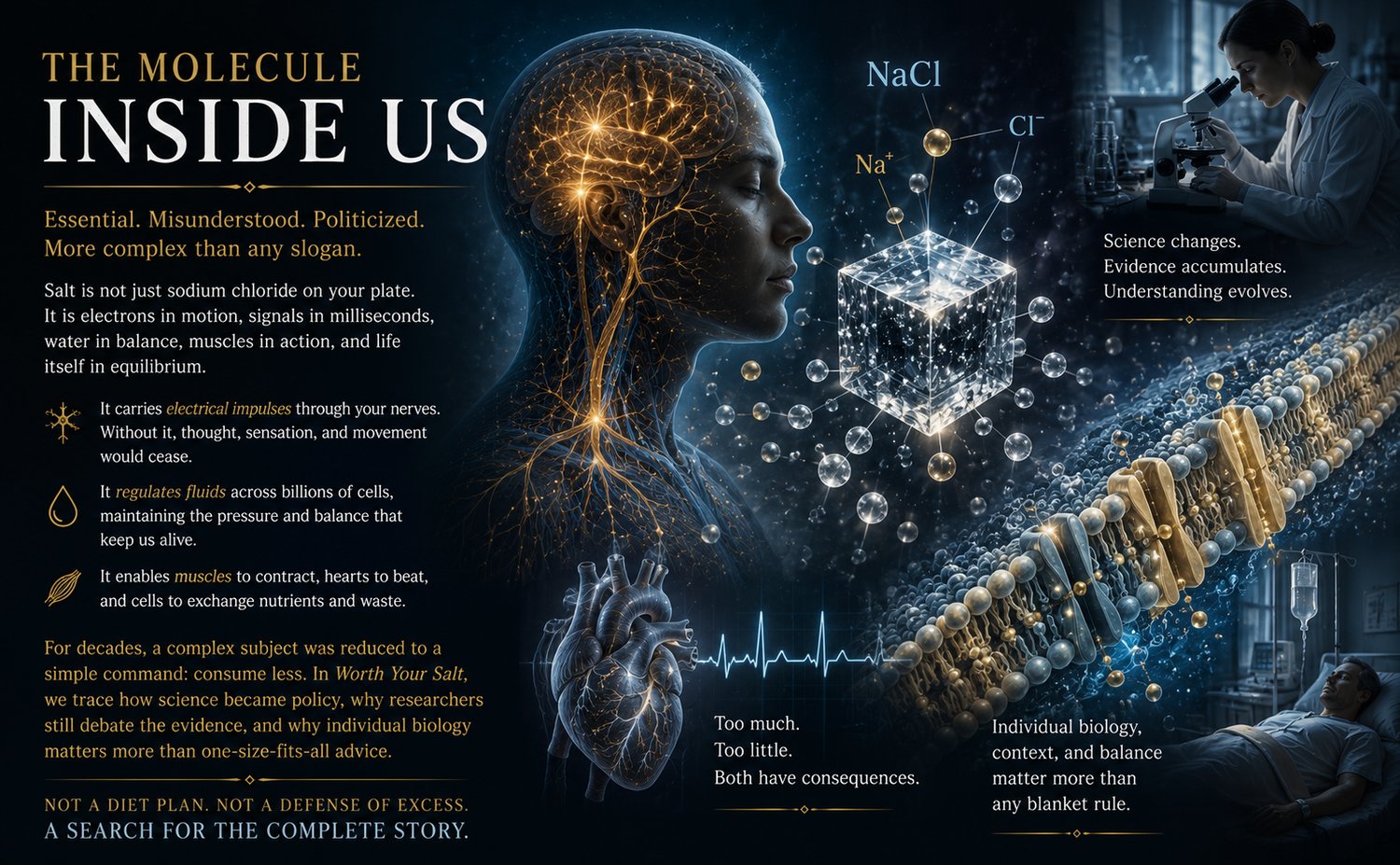
For decades, the public was given a reassuringly simple message: salt raises blood pressure, damages the heart, and should be consumed as little as possible. But human biology is not simple—and neither is the scientific history behind that warning.
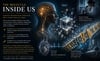
After all, salt is not merely something we sprinkle on food. Sodium help regulate fluid balance, transmit nerve signals, contract muscles, and keep the heart beating. Saline solution remains one of medicine’s most familiar tools. The mineral we were taught to fear is also written into the chemistry of life.
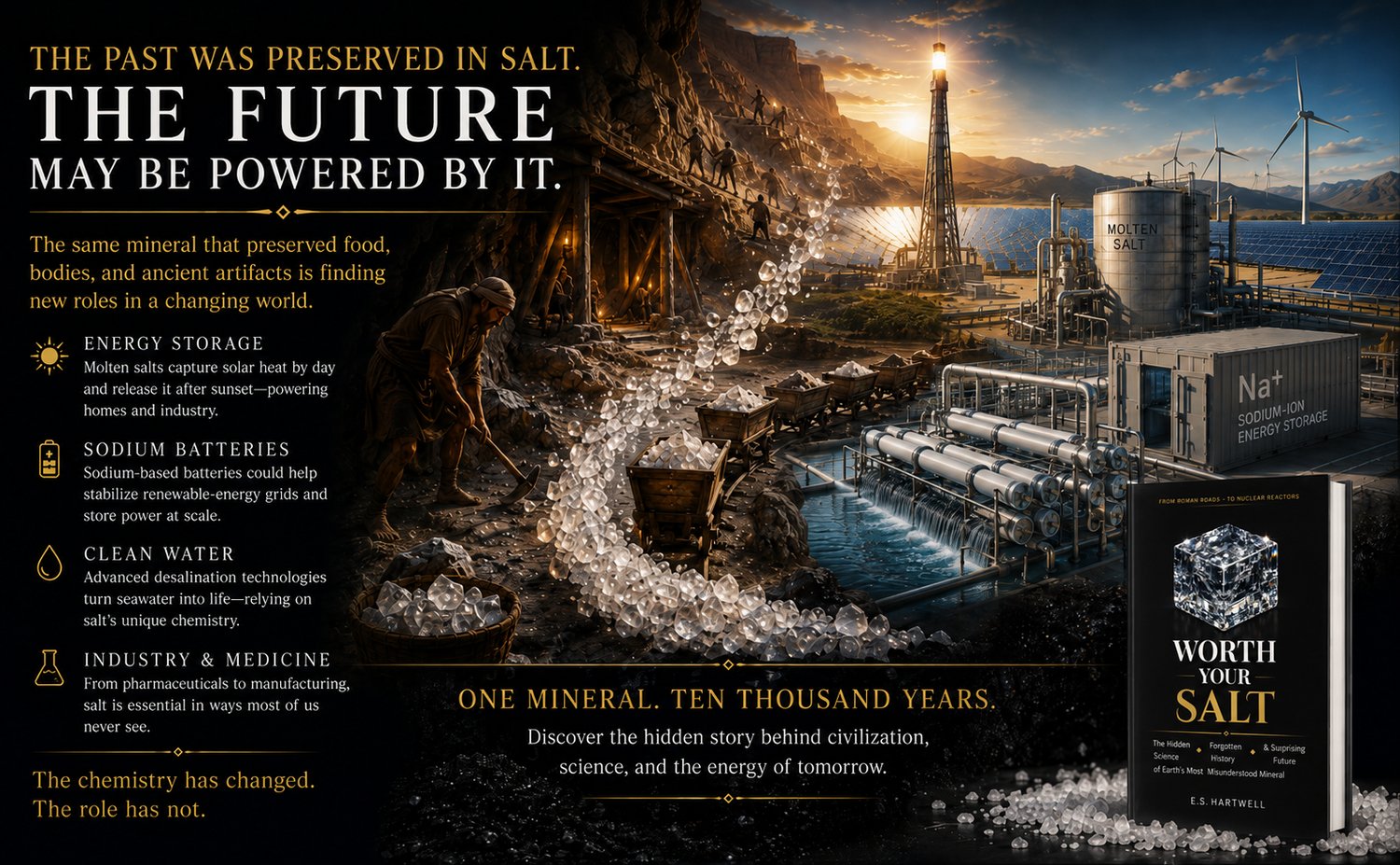
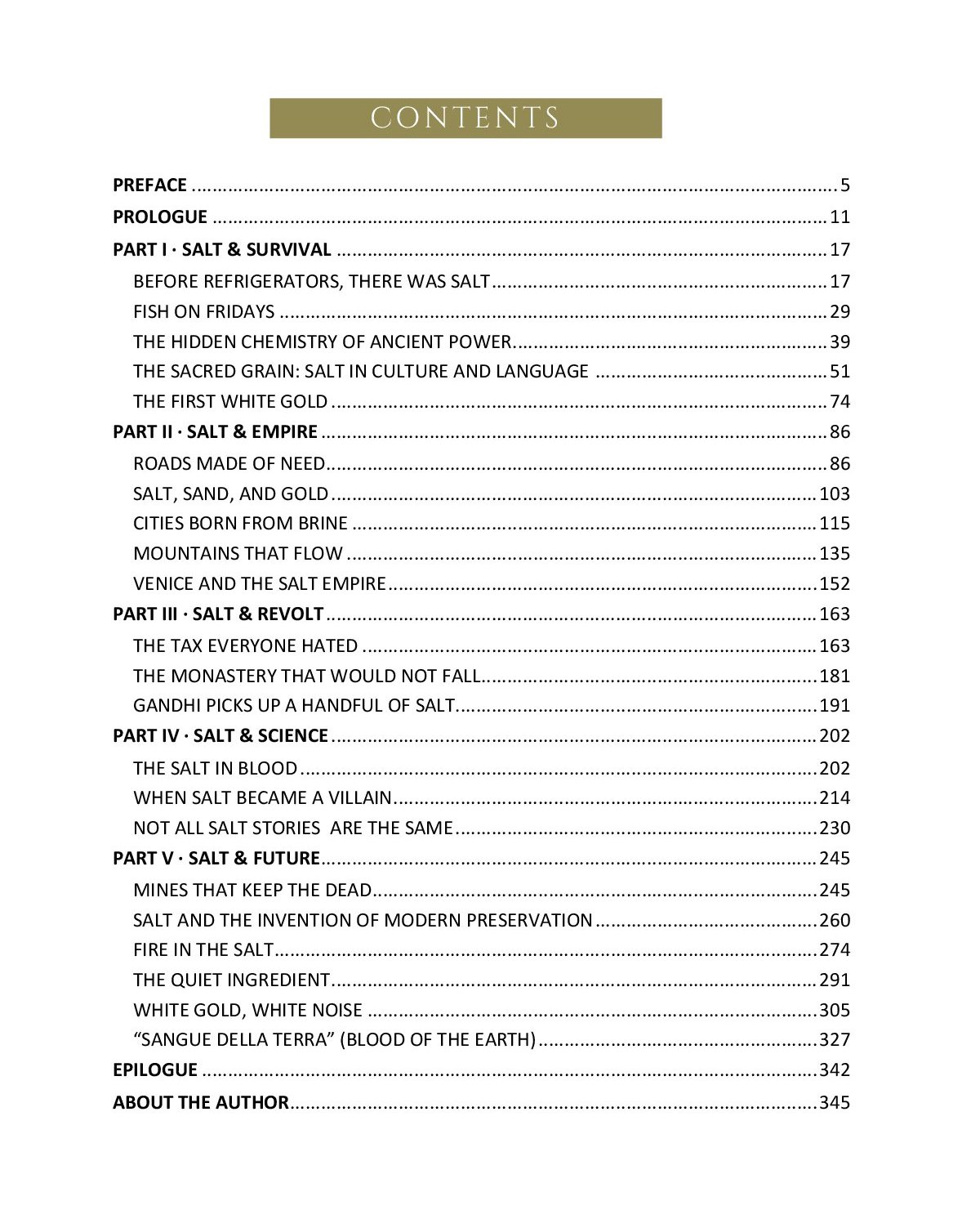
WORTH YOUR SALT follows this extraordinary substance across thousands of years—from prehistoric food preservation, Roman roads, African caravans, Chinese brine wells, Venetian monopolies, and revolutionary protests to modern hospitals, chemical plants, sodium-ion batteries, and nuclear reactors.
Along the way, it asks a larger and more unsettling question:
How does a scientific idea become public policy—and what happens when the policy survives longer than the certainty behind it?
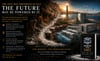
This is not a diet book. It will not tell you to eat more salt or less of it. Instead, it reveals how one overlooked mineral became a technology of survival, an instrument of power, a source of rebellion, a biological necessity, and a possible component of the world’s energy future.
If you’ve ever loved books that make you say “I had no idea!” — this is that book.
Salt never became ordinary. We simply stopped noticing it.
Curious to discover more? Read a sample of WORTH YOUR SALT on Amazon and explore the fascinating story behind one of the world’s most misunderstood minerals.