
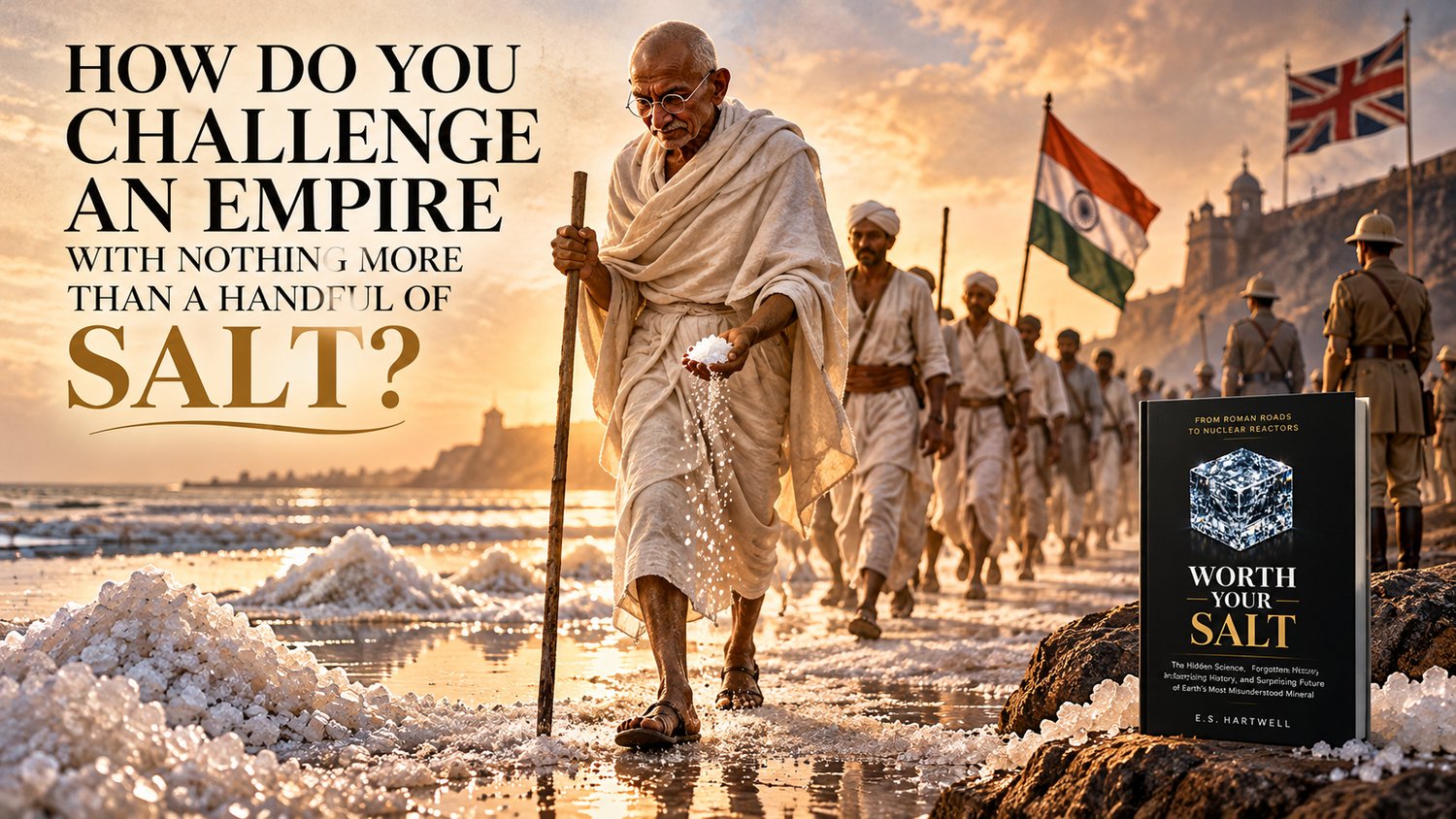
How do you challenge an empire with nothing more than a handful of salt? In 1930, Mohandas Gandhi found an answer that the British authorities had profoundly underestimated. What followed became one of the most remarkable acts of nonviolent resistan...
Read More
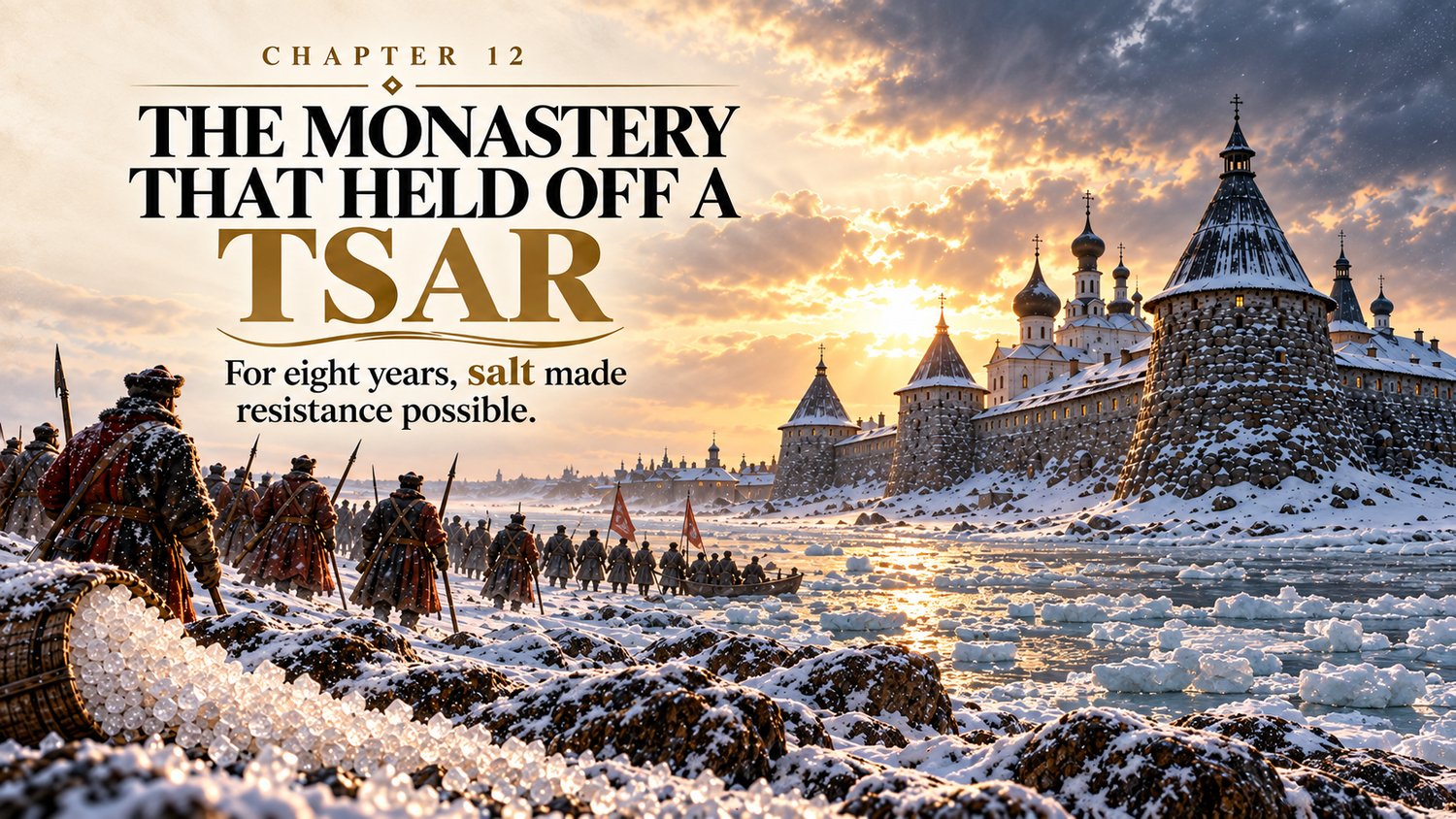
A monastery held off the Russian state for eight years. Not because it possessed a great army. Because it had salt. In 1668, Tsar Aleksey Mikhaylovich sent troops to the Solovetsky Monastery, a fortified religious community on islands in the White S...
Read More
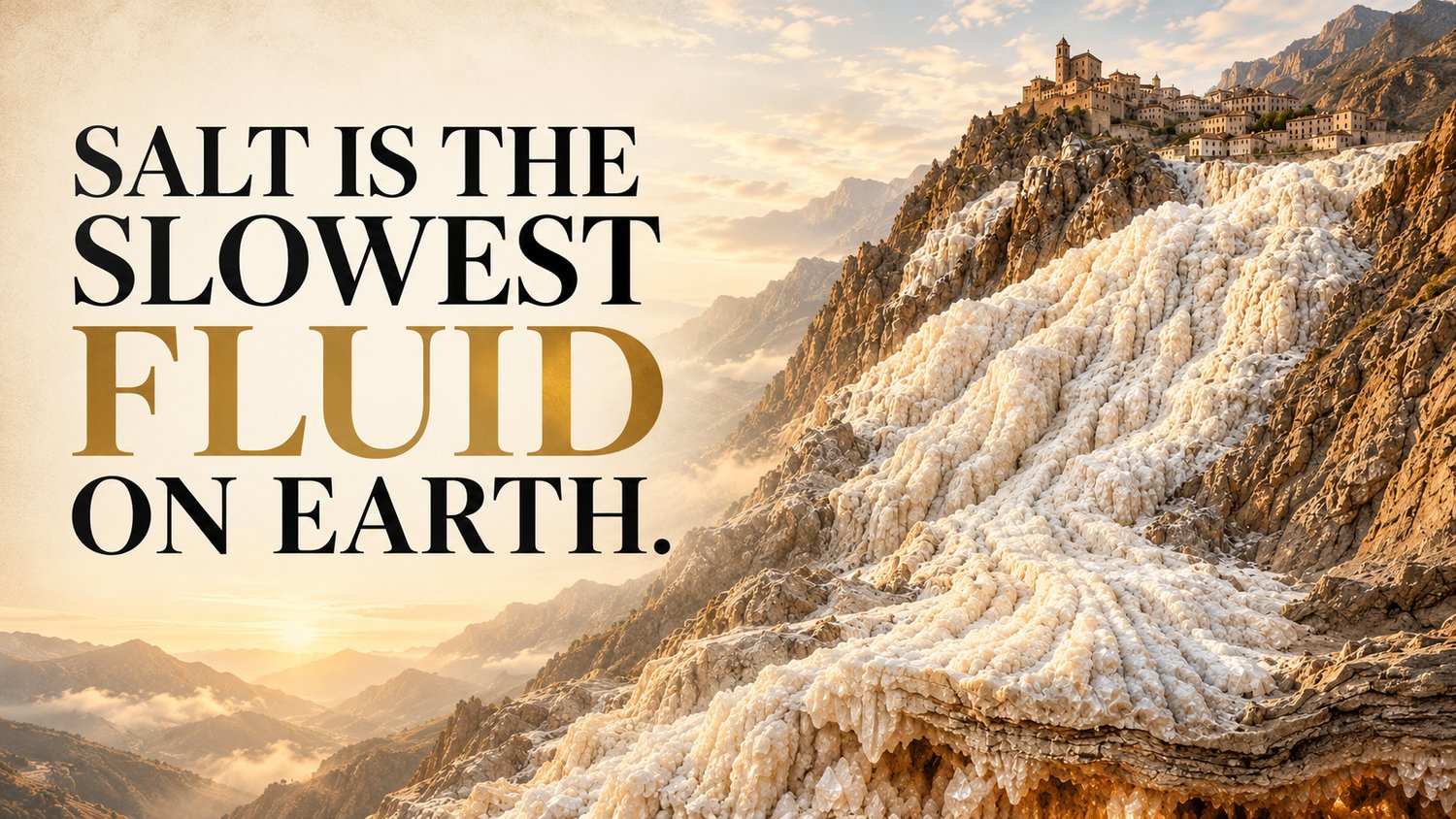
Salt looks like stone. But given enough time, it behaves more like a glacier. And in some places on Earth, it can even build mountains. At first glance, that sounds impossible. We think of rock as solid, fixed, and permanent. Yet one of the most sur...
Read More
What if salt has been speaking to us for millennia, and we simply stopped listening? Its story is hidden in places we encounter every day, often without noticing. It survives in language: in salary, in salute, and in the expression “worth your salt....
Read More
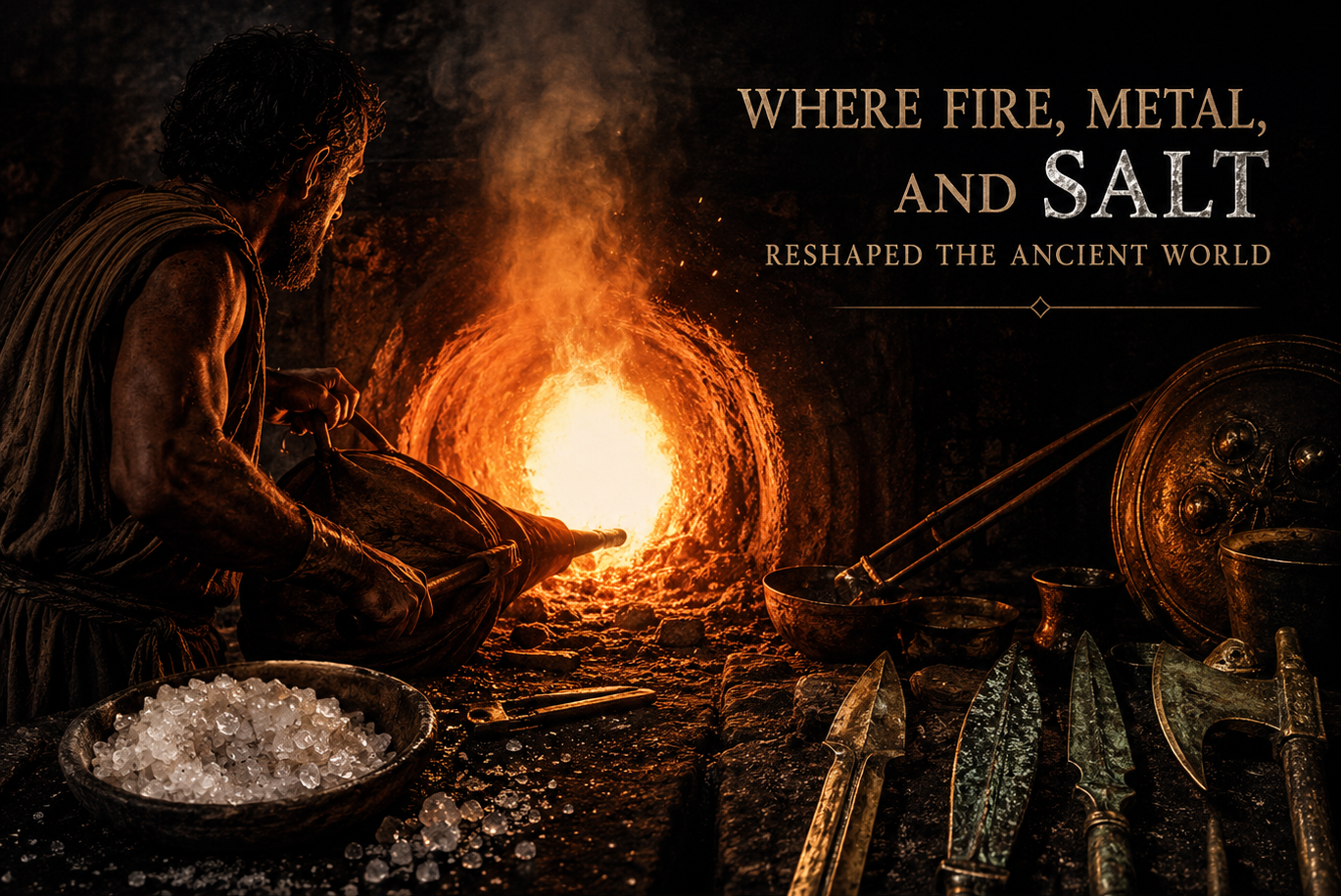
The furnace glows like a dying sun. Deep orange at the edges, white-hot at the core, it burns in the second millennium BCE like a small, man-made star. Before it stands a man whose lungs bear the scars of charcoal dust and years spent beside intense...
Read More
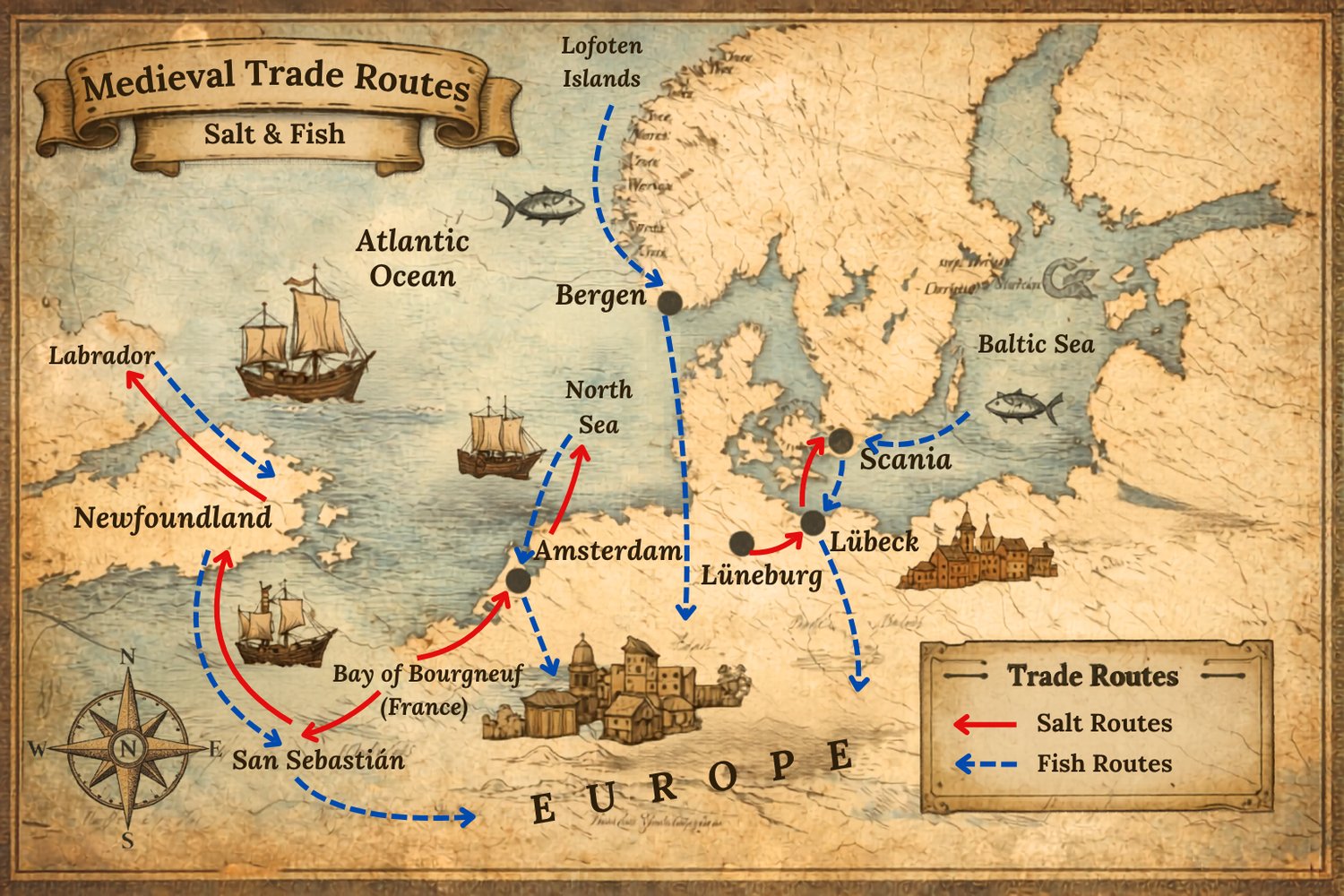
The second chapter of Worth Your Salt opens in Bergen, Norway, around the year 1400. A sailor approaching the harbor smells the city before he sees it. The odor comes from wooden warehouses packed with dried cod. Fish from the Lofoten Islands. Salt ...
Read More
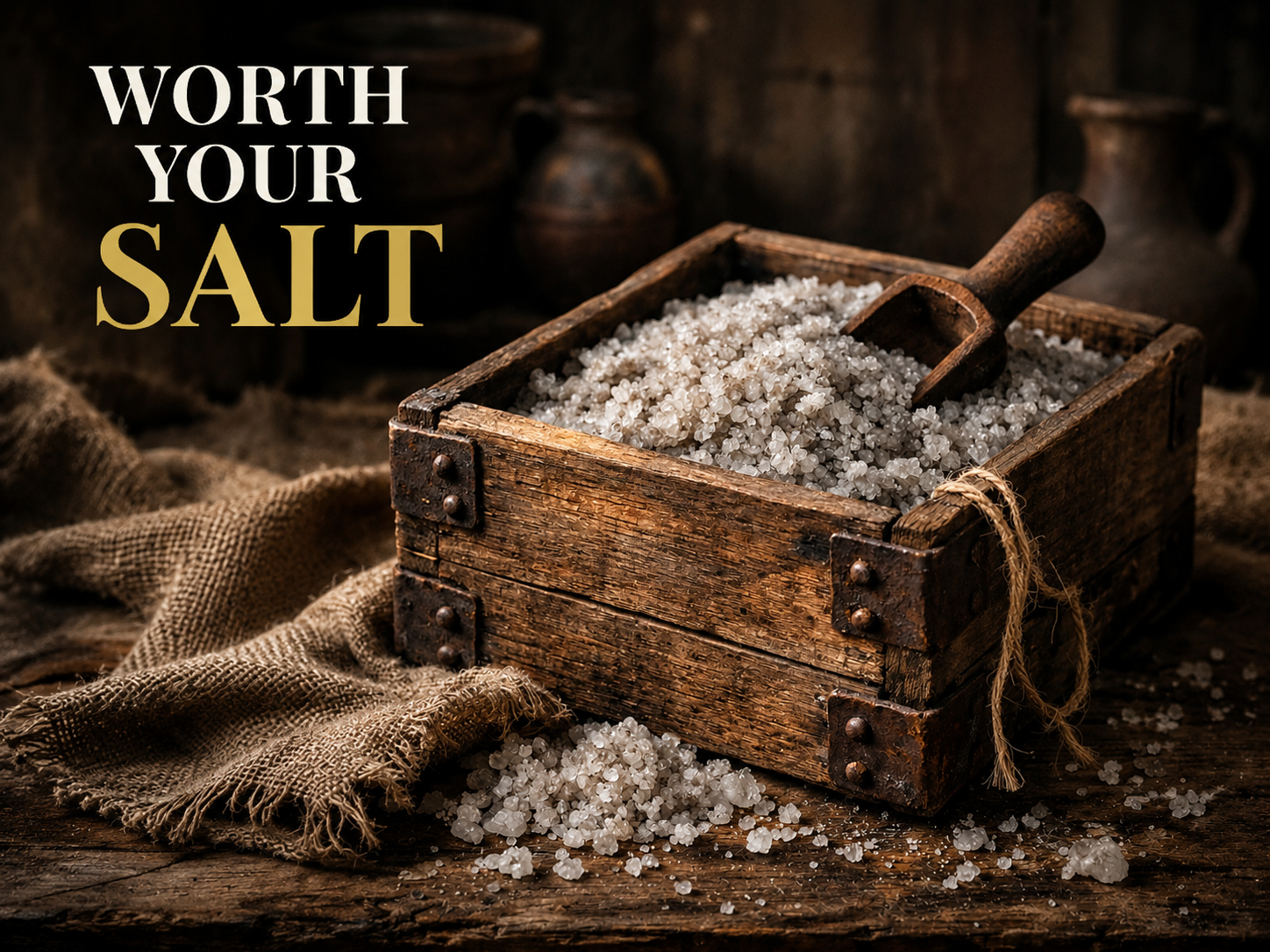
Before refrigerators, there was a wooden table, a cold December morning, and a single box that could determine whether a family survived the winter. In medieval Europe, salt wasn’t seasoning. It wasn’t something sprinkled over food at the end of a m...
Read More