

Short version: A building can be finished, inspected, and in use for years and still not exist in the book. Until the voucher is minted, the register line stands, and the signed acceptance is filed, the work is done — but it isn't booked. And what i...
Read More

Short version: Every shop around a building keeps its own list — work orders in one place, square footage in another, money in a third. If a row doesn't carry the asset's keys — its facility number and its RPUID — that row can never be tied back to ...
Read More
Short version: Every asset carries a placed-in-service date — the day it entered service. That date drives age, condition math, and money. A date typed in the book is not proven just because it sits there. Prove it in tiers: executed paper first, da...
Read More
Short version: A printed label can only carry who an asset is — its site, its facility number, its RPUID. It cannot carry where it is. The place comes from the tool in your hand at the moment you scan it: the device's location, the photo, the measur...
Read More
Short version: A grant moves the right to use property. It never moves ownership. If the right to use is coming in to your shop, it's an in-grant. If it's going out from property you control, it's an out-grant. Follow the use, and the label takes ca...
Read More
Short version: Before you choose the app, write the procedure, or draw the construction plan, decide what your program stands on. We call ours STRATA: seven layers that keep the work true, secure, proven, taught, and findable. Most people start wi...
Read More
Short version: Your linear structures are probably not missing from ISR. Most of them were never going to be inspected in the first place — the system rates them by formula, from their age, and reports them rolled up by category code, never one asse...
Read More
Short version: A record tells you what an asset is today. A history file tells you how it got that way — and that is often what settles the argument. This week we scoured our own shelves and filled the history folders across our portfolio: what we h...
Read More
Short version: An evidence photo for real property has to prove itself on its face. Put the date, the time, and the location on the picture itself — along the bottom, in yellow, the way a timestamp has always looked. A caption on a separate piece of...
Read More
Short version: When your register and a fresh PRIDE pull disagree, do not delete the rows you cannot explain to make the numbers match. Flag them, hold them where everybody can see them, and hunt them down one by one. A clean-looking book that got c...
Read More
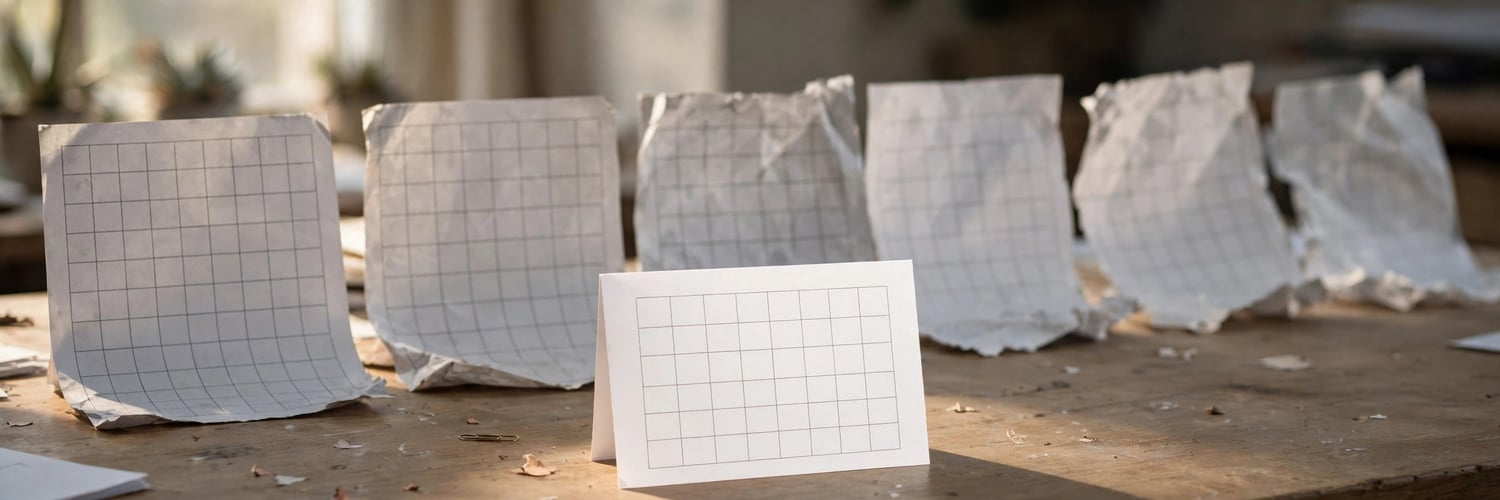
Short version: Copies drift. Numbers get re-typed, boxes shift, a code gets attached to the wrong place and stays there. When two copies disagree, stop arguing with the copies — go back to the original, dated source and let it settle it. Real proper...
Read More
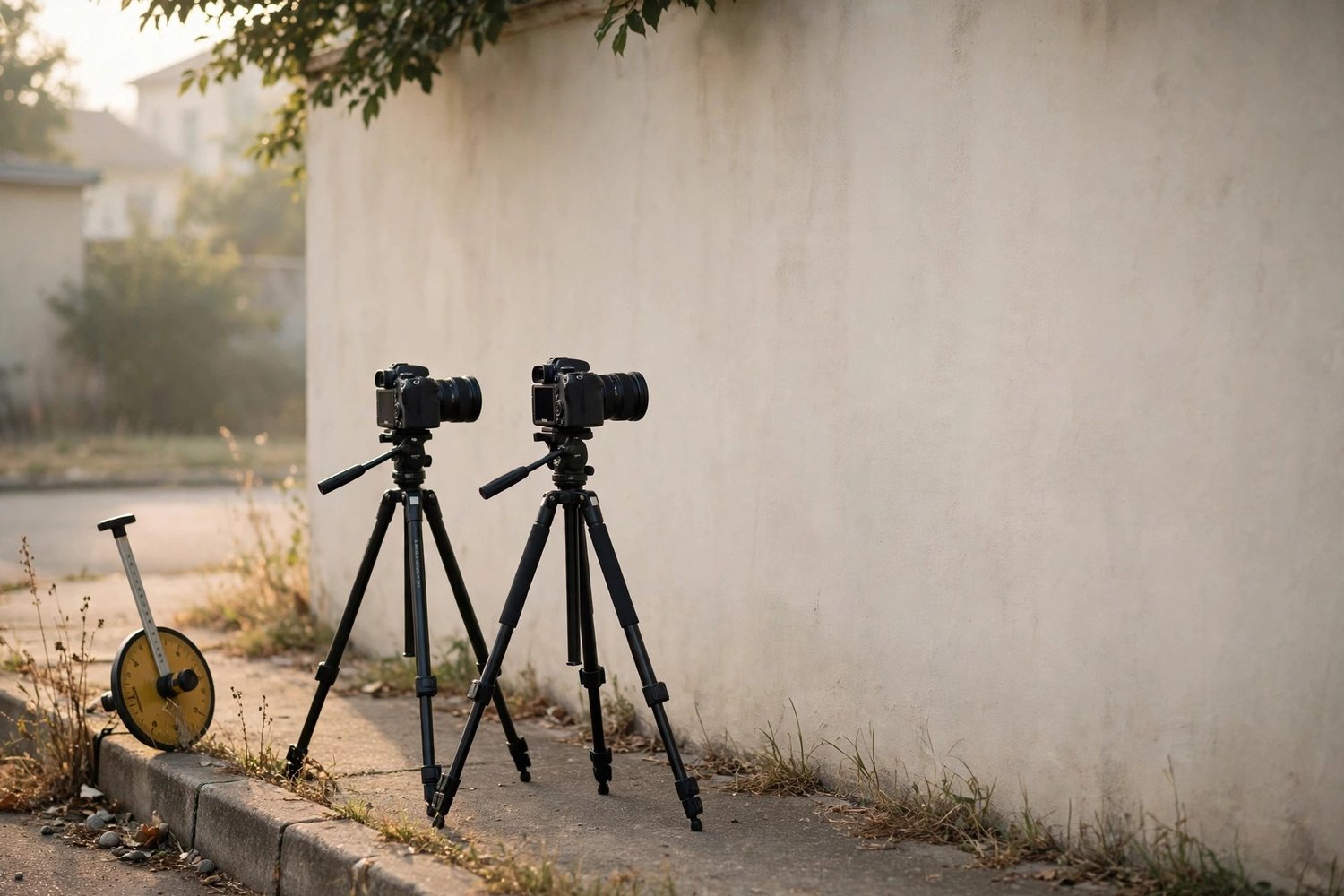
We went out and did the inspection. Measured it with the wheel. Took the pictures. Walked the inside, looked at everything there was to look at. That's a good day's work. But here's the question I've been carrying around, and I w...
Read More
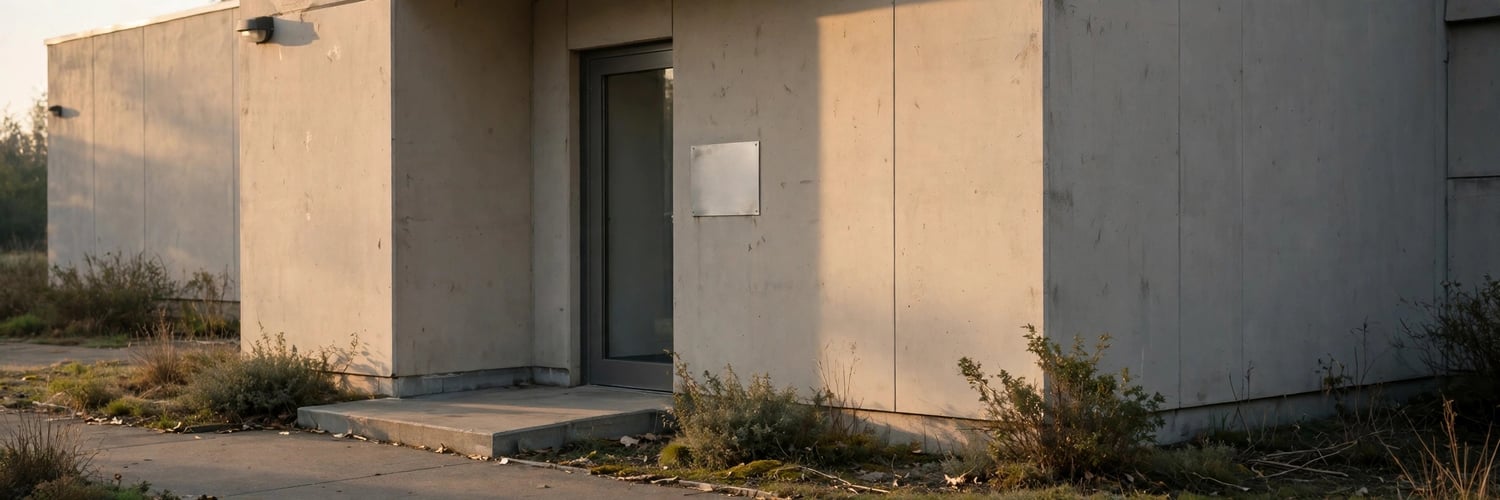
Short version: No number on the building does not mean no building. It means you prove it twice — a GIS map with the asset outlined, plus a written justification that says plainly why there is no number on it. Real property isn't real estate. I...
Read More

Short version: An inspection is not done when you walk the asset. It is done when the inspection is closed out — inside its 30-day window. Miss the window and the calendar resets, and you do the same inspection over again. Real property isn't r...
Read More
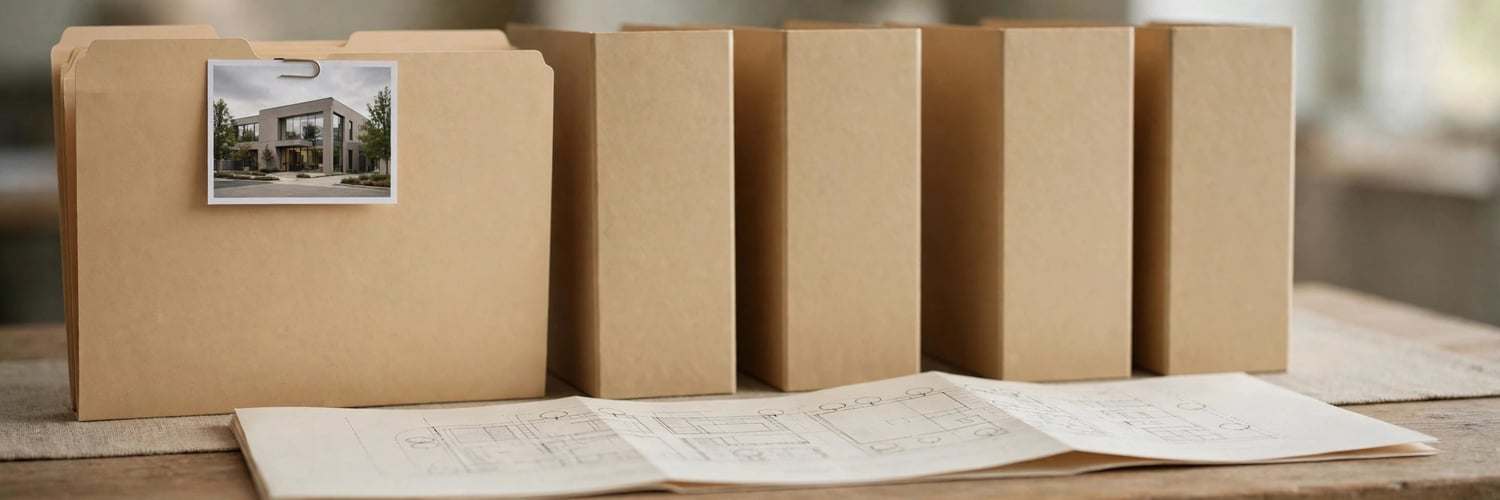
Short version: A site is a place. An asset is the thing you account for. File the paperwork under the asset it proves — never loose at the site level — or the next person who opens that file can't tell what it belongs to. Real property isn'...
Read More